
| Nr | Name | Beschreibung |
|---|---|---|
 |
The Līgatne Paper Factory is located at Pilsoņu Street 1 in Līgatne. The factory was first built in place of an old paper windmill by two tradesman from Rīga who also built dormitories for residents. These structures are an important component in the urban environment of Līgatne. The rapid flow of the Līgatne River allowed the factory to produce writing paper, stationary and wrapping paper. In 1858, the factory was brought by a local nobleman who brought in new equipment from Scotland. If some 100 people worked at the factory during the first half of the 19th century, then that number rose to 600 by the end of the century and 800 at the beginning of the 20th century. Writing paper was the primary product from the factory, although there were sometimes special orders. During World War I, for instance, the factory produced paper on which the Russian military printed its maps. This allowed the factory to hold an important role in the Russian market. During the Soviet era, the factory at Līgatne produced notebooks and other products that were sent all over the USSR. Today the factory mostly produces wrapping paper of various kinds from waste paper. The Līgatne Paper Factory is the only functioning entity of its kind in Latvia, and there are guides available to give you a tour. The historical centre of the campus on which the factory sits is a cultural monument. The Līgatne Tourism Information Centre (_371-6415-3313) offers tours of the centre during which you will learn about the lives of the factory's workers and administrators in the late 19th and early 20th century. Back then there was major construction work at the factory to build residences for workers, a school, a childbirth facility, a hospital, a club, a guesthouse and other buildings which have survived to the present day. |
|
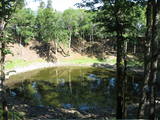 |
Eins der eindrücksvollen Meteoritenkraterfelder Europas. Der Hauptkrater ist 22 m tief, Durchmesser – 110 m. Der ungefähre Zeitraum des Meteoriteneinschlags liegt ung. 7500-Jahre zurück. |
|
 |
In Veranstaltungen zum Thema erzählen die Landwirte von den Eigenheiten des Anbaus von Faserhanf und machen mit der Vielfalt der Produkte aus Hanf bekannt. Dabei werden die Besucher mit Hanfprodukten aus der eigenen Produktion bewirtet. |
|
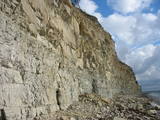 |
Die höchste Felsenwand der estnischen Inseln (21 m hoch), ausgedehnt in die Länge von 2 km. |
|
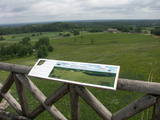 |
This park is in a region of hillocks in the Karula highlands, and Lake Ähijärve is at its centre. The park offers a cultural environment of small farms, and it was set up to protect the unique cupola-shaped hillocks of the area. Main attractions: Scenic Lake Ähijärv (176ha), Rebasemõisa Tornimägi hill (137.8 m above sea level), undulating landscapes. |
|
 |
Der Bauernhof Lõosilma befindet sich nur 10 km von Pärnu entfernt und beschäftigt sich mit dem Anbau und der Verarbeitung landwirtschaftlicher Produkte. In der Küche des Bauernhofs werden aus den geernteten Gemüsen reichhaltige Konserven zubereitet. Viele davon sind mit einer Bezeichnung des nationalen Geschmacks ausgezeichnet. Der Bauernhof verfügt über einen Camper-Parkplatz, der mit Solarenergie betrieben wird. |
|
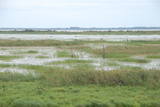 |
The Lake Lubāns, wetland of Lubāns. Lubāns (80.7 km2) is the largest lake in Latvia and the most popular
lake and wetland in Europe. The lake and the wetland has biodiversity; a unique place not only in Latvia,
but also internationally. Nature Reserve is included in the European Union network of protected areas and
NATURA 2000 under the Ramsar Convention criteria as the wetland of international importance. Lubāns wetland,
called marshy meadows, includes bogs, wet meadows and wet forests. In autumn and spring the lake
attracts thousands of migratory waterfowl which is easily to wach from the bird observation towers or the terrace
of water tourism development center.
|
|
 |
Vom elterlichen Haus des hervorragenden lettischen Publizisten, Pädagogen und Sprachwissenschaftler Atis Kronvalds (1837 – 1875) „Lejas Miķi” im Bezirk Priekule in Krote ist nichts bis heutzutage geblieben. An der Stelle des Hauses befindet sich eine Gedenkplatte mit Inschrift: „Für jeden ist jener Platz heilig, wo geboren und aufgewachsen ist” (A. Kronvalds). |
|
|
|
Gegründet für den Schutz der Landschaften und der Seen der Aukštaitija-Anhöhe, Arten und Biotope. |
|
 |
Der Grundstein für den einzigen botanischen Garten einer Schule in Litauen wurde 1989 an der Schule in Traupis gelegt. Alle Pflanzen in der Kollektion (insgesamt wachsen im Botanischen Garten Traupis über 8000 Arten, Sorten und Formen von Pflanzen) wurden von nur einer Person gesammelt, von Sigutis Obelevičius. |
|
 |
In der gemütlichen Umgebung des Restaurants kann man Gerichte mit Zutaten aus der litauischen Natur genießen. Hier kann man auch eine Sammlung alter Gegenstände aus Küche und Lebensmittelherstellung bewundern, zudem mit Ausstellungsstücken zum Thema Baumkuchen. Wer sich selbst einen Baumkuchen backen möchte, kann sich zu dem entsprechenden Kurs anmelden. |
|
 |
Für 2018 ist der Erwerb von Alpakas geplant. Die Führungen sind auf Kinder ausgerichtet. Kinder können sich mit den Reitpferden beschäftigen, die Angus-Rinder und den Milchhof besichtigen. Durch das Territorium des Hofes werden die Kinder mit einem speziellen Anhänger für einen Kleintraktor gefahren. |
|
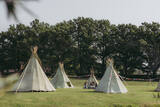 |
Glamping "Kadiķi" is located in Auce region - it will open in July 2021. It is a unique recreation area with a private area where you can find new feelings, spend the night in wigwam, merge with nature, enjoy the peace and quiet far from the city, see flocks of deer and deer, surround the surrounding waters, go hiking on forest trails, archery, enjoy the beauty of the natural landscape and gain an unforgettable rural adventure. The company's values are nature, private space and atmosphere, ecologically responsible attitude towards the environment. The wigwam has amenities worthy of a glamping tent - bed, interior items, outdoor terrace. Guests will also have breakfast. Nomadic Homes also offers to buy or rent wigwams for private events, recreation or starting your own business. |
|
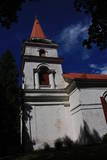 |
Wenn man am nördlichen Ufer des Sees von Sauka (wo die Kreuzung nach Klauce ist) fährt, kann man die von Bäumen umsäumte evangelisch-lutherische Kirche von Sauka sehen. Das heutige Gebäude ist das dritte Gotteshaus an dieser Stelle. Es wurde im Jahr 1827 eröffnet und es ist hauptsächlich von außen zu besichtigen. Der Altar der Kirche ist mit den Skulpturen der Apostel Peter und Paul und mit dem Altargemälde von Julius Döring Christus am Kreuz mit Maria und Johannes geschmückt. Die Orgel haben Meister aus Jelgava, aber die Pfeifen – Meister aus Sauka hergestellt. |
|
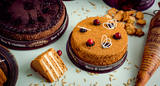 |
Inese bakes honey, chocolate and cottage cheese tortes, using only natural ingredients from Latvia. Visitors can learn how to bake tortes, taste and purchase them, and order cakes for themselves. |
|
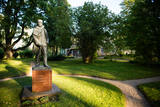 |
Das Gedenkmuseum von Eduards Veidenbaums (1867 – 1892) wurde 1959 im Haus „Kalāči”, wo seit dem fünften Lebensjahr wohnte und auch starb der hervorragende lettische Dichter und Übersetzer. Neben dem Haus ist ein Ausstellungssaal gebaut worden, in dem thematische Ausstellungen organisiert werden. Im Garten des Museum wurde 1961 ein vom Bildhauer Laimonis Blumbergs errichtetes Denkmal für E. Veidenbaums aufgestellt. Daneben ist ein Vorratshäuschen erhalten geblieben, in dem E. Veidenbaums im Sommer lebte. Der Dichter ist auf dem Liepas Friedhof bestattet worden. |
|
 |
The viewing tower is on the western part of the Blue Hills of Ogre, not far from the Dubkalni quarry. Paths lead to the tower, as does a wooden staircase. The viewing platform offers a very broad view of the Ķegums hydroelectric power plant reservoir and the towers of
|
|
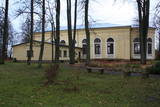 |
Dievnams celts (1851. g.) un vēlāk (1876. g.) paplašināts. Tas tika sagrauts 2. Pasaules kara laikā un pēcāk atjaunots. Līdz Latvijas neatkarības atgūšanai to izmantoja par skolas sporta zāli. Pēc draudzes darbības atsākšanas (1989. g.) sākās arī baznīcas un ar to saistīto tradīciju atdzimšana. Apskatāma no iekšpuses. |
|
|
|
Die Schänke befindet sich im Zentrum von Jelgava: An der Brücke über den Fluss Driksa, die von der neu eingerichteten Uferpromenade eingeschlossen ist. Für die Innenausstattung sind Elemente aus Holz verwendet worden. Hier werden regelmäßig Musikabende veranstaltet. Lettische Küche: Kalte Suppe, gebratenes Flunder- oder Kabeljaufilet, Bauernfrühstück, Kartoffelpfannkuchen, dünne Pfannkuchen. |
|
 |
Die Bar befindet sich in dem erneuerten Komplex des Landgutes von Smukas (16.Jh.). Im Sommer kann man die Mahlzeit auf der Terrasse des Gästehauses Zirgu stallis, aber im Winter am Kamin in der Bar genießen. Lettische Küche: Vesperbrot der Kurländer (Milchsuppe mit Klößen und einem geräucherten Speck), auf Kohlen gebackener Hering, geschichtetes Roggenbrot-Dessert mit Schlagsahne, ländlicher Milchfladen (Erstmilch, Zucker, Zimt, Gartenbeerensoße), Käsekartoffel mit einem im Honig gebackenen Schweinebraten. |
|


