
| Nr | Name | Beschreibung |
|---|---|---|
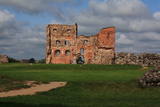 |
Dabiskā zemesragā starp Lielo un Mazo Ludzas ezeru 14. gs. beigās slejās seno latgaļu koka pils, kuras vietā Livonijas ordenis uzcēla Latgales varenāko mūra pili. Tā bija iespaidīga trīsstāvu celtne kvadrāta formā ar sešiem torņiem, trīs vārtiem un divām priekšpilīm. Pēc krievu iebrukuma Latgalē 1481. g., Ludzas pili atjaunoja 1525. g. 1654. g. to atkal izposta Krievijas cara Alekseja Mihailoviča karaspēks. Jau 18. gs. no pils bija palikušas tikai drupas, kas arī mūsdienās ir ļoti iespaidīgas un ainaviskas (ar skatu uz Lielo Ludzas ezeru un baznīcu torņiem). |
|
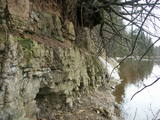 |
Dies ist ein einzigartiges geologisches Abjekt von paleontologischer Bedeutung. Bis zu vier Metern hoch enthält es Fossilien wirbelloser Tiere und Fischen.
|
|
 |
Die Gastgeberin im russischen Bauernhof (Vene talu) bereitet köstliche russische Nationalgerichte nach den Rezepten ihrer Großmutter zu. Die Gäste werden mit Sitten vertraut gemacht und es werden reichhaltige Verkostungen angeboten. Es gibt auch einen Teesalon, Meisterklassen für russische Küche. |
|
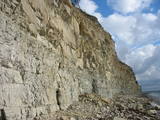 |
Die höchste Felsenwand der estnischen Inseln (21 m hoch), ausgedehnt in die Länge von 2 km. |
|
 |
The pizzeria is situated in Kuldiga, not far from the city’s historical centre. Stender’s pizzeria with its nice comfortable setting offers special Stender’s pizzas which are baked according to the old traditions of pizza-making, incorporating the best of nowadays’ recognitions. Undoubtedly, it is impossible to do without pancakes and pots, as well as second-course dishes. |
|
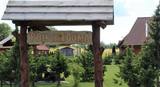 |
Ein ruhiger Ort bei der Natur, wo man sich herrlich erholen kann. Das Essen wird aus lokalen Produkten von Hiiumaa auf Wunsch der Gäste zubereitet. Darüber hinaus kann man eine authentische Sauna mit Holzofen und ein Bad im Bottich genießen. Es gibt einen Kinderspielplatz. |
|
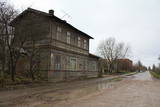 |
Taisnā Celtnieku iela ir bijušās Liepājas – Aizputes šaursliežu dzelzceļa (celta 1900. gadā, 49 km gara) līnijas „trase”, kuras malā (Celtnieku ielā 50) redzama bijusī dzelzceļa stacijas ēka. |
|
 |
Bistro, Vergnügungspark, Leckerladen, Konditorei und Restaurant für einen Wochenend-Brunch am Ufer der Gauja, an der Landstraße A3. Lettische Küche: Kalte Suppe, Pilzsuppe, graue Erbsen, geschmortes Kraut, Fleischfrikadellen, Speisen aus einheimischen Fischen selbstgemachtes Eis und Kräutertees. Das besondere Gericht: Hausgemachte Torte von Rāmkalni. |
|
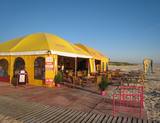 |
Beach cafe at the end of Jūrmalas Street, by the beach, in Liepāja. Live music in the Wind Garden on Wednesdays, Fridays and Saturdays. Offers breakfast, lunch, dinner, coffee and drinks. |
|
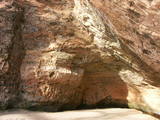 |
Die breiteste (12 m), die höchste (bis zu 10 m) und dem Volumen nach eine der gewältigsten Höhlen Lettlands. Die Länge beträgt 18,8 m. Eine Sage über die Rose von Turaida. Unweit befindet sich das Besucherzentrum. Der Nähe gibt es Touristeninformationszentrum Gutmanala. Geschäftszeiten: 01.05.-30.09. 9.00 – 19.00; 01.10.-30.04. 9.00 – 18.00. Die Preise für das Parken: 1 Auto EUR 2,50; 1 Minibus EUR 5,00; 1 Bus EUR 7,00. |
|
 |
The Līgatne Paper Factory is located at Pilsoņu Street 1 in Līgatne. The factory was first built in place of an old paper windmill by two tradesman from Rīga who also built dormitories for residents. These structures are an important component in the urban environment of Līgatne. The rapid flow of the Līgatne River allowed the factory to produce writing paper, stationary and wrapping paper. In 1858, the factory was brought by a local nobleman who brought in new equipment from Scotland. If some 100 people worked at the factory during the first half of the 19th century, then that number rose to 600 by the end of the century and 800 at the beginning of the 20th century. Writing paper was the primary product from the factory, although there were sometimes special orders. During World War I, for instance, the factory produced paper on which the Russian military printed its maps. This allowed the factory to hold an important role in the Russian market. During the Soviet era, the factory at Līgatne produced notebooks and other products that were sent all over the USSR. Today the factory mostly produces wrapping paper of various kinds from waste paper. The Līgatne Paper Factory is the only functioning entity of its kind in Latvia, and there are guides available to give you a tour. The historical centre of the campus on which the factory sits is a cultural monument. The Līgatne Tourism Information Centre (_371-6415-3313) offers tours of the centre during which you will learn about the lives of the factory's workers and administrators in the late 19th and early 20th century. Back then there was major construction work at the factory to build residences for workers, a school, a childbirth facility, a hospital, a club, a guesthouse and other buildings which have survived to the present day. |
|
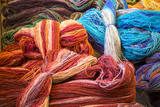 |
This is the only factory in Latvia that offers the full processing of wool, and it has been open since the late 19th century. There is a workshop in Dundaga where woollen blankets and pillows are sewn. |
|
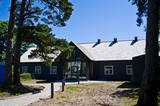 |
Livonian Community House at Kolka was opened in 2019. It is a place where you can get to know the Livonian culture of Northern Kurzeme, learn about traditional activities, listen to the sound of the language, and get an idea of the cultural and historical heritage of the coast. In House you can organize and attend cultural events, seminars, trainings, exhibitions, and also receive tourism information. |
|
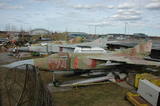 |
Die größte Kollektion der sowjetischen Luftfahrttechnik (darunter auch Militärtechnik) im Baltikum und in Europa. Diese kollektion wurde in der Zeitperiode von mehr als 40 Jahre gesammelt. Die Sammlung befindet sich im Territorium vom Flughafen Riga und sie ist öffentlich zugänglich.
|
|
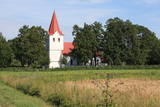 |
Wenn man auf der Straße Nereta – Ilūkste fährt, kann man das Gotteshaus schon von weitem sehen. Es ist im Jahr 1805 gebaut, aber im Jahr 1888 restauriert worden. In der Kirche haben sich der ursprüngliche Altar, die Kanzel und der Orgelprospekt erhalten. An der Kirche sind die im Ersten Weltkrieg gefallenen deutschen Soldaten bestattet worden. An der westlichen Gebäudewand befinden sich zwei Gedenktafeln, die zu Ehren der im Ersten Weltkrieg gefallenen Einwohner der Gemeinde Laši und der während der Sowjetzeit Repressierten enthüllt sind. |
|
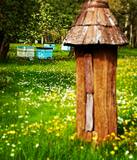 |
In dem reizvoll gelegenen Hof, in dem die Landwirtschaft nach einer umweltfreundlichen Philosophie erfolgt, werden etwa 300 Bienenvölker gehalten. Zur Befriedigung der Bedürfnisse der Besucher gibt es einen Hofladen und einen Verkostungsraum. Auf dem Hof kann man Honig aus verschiedenen Blütentrachten kaufen, Pollen (als gesondertes Erzeugnis oder mit Honig vermischt), Propolis (als gesondertes Erzeugnis oder mit Honig vermischt), Bienenbrot, Wachskerzen und andere Souvenirs. Aug dem Hof werden Verkostungen veranstaltet, die auch Met umfassen, zudem gibt es Führungen. |
|
 |
Das Gebäude ist im zentralen Teil der Stadt Jēkabpils, in der A. Pormaļa Straße 11 zu suchen. Es ist im Jahr 1931 im Stil Klassizismus gebaut worden. Bis heute hat sich die originale Innenausstattung der Bank erhalten. Heute befindet sich hier die Niederlassung der Bank SEB banka. |
|
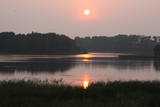 |
Also known as Lake Jēsis or Lake Iesis, this is the lake in Latvia which has the largest number of islands. Many literary sources and encyclopaedias in the 20th century claimed that there were 69 islands in the lake, but that was an exaggeration, because apparently the authors took sandbars overgrown with reeds and other plants to be islands. The true number is approximately two times lesser. The largest number of islands can be found in the north-eastern part of the lake. The largest one is Lielā Lāča (Big Bear) Island (45 ha). A farm was on the island at one time. The islands and the oak trees that are on the shores of the lake – the Piļoru and Pahatnīku stands of trees – are in a restricted environmental reserve. |
|
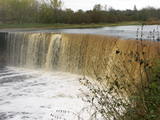 |
Eins der eindrucksvollen Wasserfälle Estlands (ung. 8 m), „wiedererlebt” nach den reichlichen Niederschlägen und im Früfling bei Hochwasser. |
|
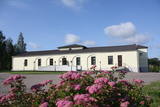 |
Gulbenes novada vēstures un mākslas muzejs dibināts 1982.gadā un apsaimnieko trīs ēkas – Vecgulbenes muižas oranžēriju, klēti un Sarkano pili. Oranžērijas ēkā izvietotas izstāžu zāles un apskatāmas divas pastāvīgās ekspozīcijas „Gulbenes vēsture” un „Jūlijs Madernieks”. Regulāri tiek atklātas dažāda satura tematiskās izstādes. Vecgulbenes muižas klētī apskatāma ekspozīcija „Tautsaimniecība”, kur apmeklētāji var iesaistīties vairākās aktivitātēs (malt ar rokas dzirnavām, pārbaudīt smaržas un taustes iemaņas, noteikt kokus, graudus, vīt virves u.c.). |
|


