
| Nr | Name | Beschreibung |
|---|---|---|
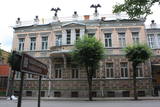 |
Atrodas Rīgas ielā 8 – skaistā, 1883. g. celtā jūgendstila ēkā . Muzejs (viens no Latgales lielākajiem un vecākajiem) tajā darbojas no 1959. g. (pats muzejs dibināts 1938. g.) un tā krājums vēsta par Daugavpils un tās apkārtnes vēsturiskajiem notikumiem. Tajā regulāri tiek rīkotas arī tematiskās izstādes, piedāvātas muzejpedagoģiskas programmas. Te vēl var apskatīt Daugavpilī dzimušā un pasaulē pazīstamā mākslinieka Marka Rotko (1903. – 1970.) gleznu reprodukcijas, kuras no 2013. gada plānots pārcelt uz M. Rotko centru Daugavpils cietoksnī. |
|
 |
Die Exposition ist die langjährige Arbeit des Besitzers – Valdis Tumovs. Die Kollektion enthält die in der Kriegszeit angewendeten Waffen und Munitionsfragmente, Uniformen, Haushaltsgegenstände, einzelne Exponaten der Militärtechnik (Motorrad) u.a.
|
|
 |
Eine der größten Fleisch-Milchwirtschaften in der Region Kurzeme (~ 500 Rinder). In Pferchen wird der größte Teil der Geflügel gezüchtet, die für Lettland charakteristisch sind. Hier wird eine Erkundungsführung angeboten und man kann Fleisch, Milch und Eier kaufen. |
|
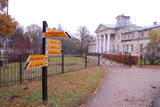 |
Die evangelisch-lutherische Kirche von Krimulda wird als eines der ältesten Gotteshäuser von Lettland angesehen. Die Anfänge der Kirche sind im Anfang des 13. Jhs. gleich nach der Eroberung von Kubesele zu suchen, später wurde die Kirche mehrmals umgebaut. Neben der Kirche ist das Labyrinth für Meditationen Lilijas zieds (Lilienblüte) eingerichtet. Als im Jahr 1217 im Kampf von Viljandi der livische Häuptling Kaupo gefallen ist, wurden seine Aschen laut Erzählungen in der Kirche beigesetzt. Als die Grabstätte von Kaupo wird im Volke ein kleiner Hügel neben dem kleinen Fluss Runtiņupīte (Runtiņš) genannt, an dessen rechten Ufer sich die ungefähr 7 m lange und künstlich gegrabene Höhle Kubeseles ala (Runtiņala) befindet. Am linken Ufer des Flusses Runtiņupīte erhebt sich der Burgberg von Kubesele. An der Kirche beginnt der Naturpfad von Kubesele. Wenn man den Pfad folgt, gelangt man bis zum Fluss Gauja, an dessen Ufer der Stein Lielais (Runtiņa) akmens liegt. Hier kann man auch die von den Flößern von Gauja aufgestellten Ankerklötze besichtigen. Die mittelalterliche Burg von Krimulda (4 km östlich von der Kirche von Krimulda) wurde in der zweiten Hälfte des 13. Jhs. an der Stelle gebaut, wo der Grundufer des Urstromtales von Gauja von dem Tal Vikmestes grava durchgespaltet wird. Die Burg, in der das Domkapitel von Riga – der Rat der Erzbischöfe von Riga – gewirtschaftet hat, war ein eindrucksvolles Gebäude, dessen breiter Innenhof von einer 1,5 m dicken Schutzmauer eingeschlossen war. Im Jahr 1601 hat der schwedische Feldherr Heinrich von Lieven die Burg beim Zurückziehen gesprengt. Heute kann man auf dem von den Wäldern bewachsenen Hügel einige Burgreste besichtigen. Neben den Burgresten befindet sich die Luftseilbahn und beginnt der Serpentinweg von Krimulda. Unweit befindet sich das Landgut von Krimulda, das in den schriftlichen Quellen zum ersten Mal schon im 15. Jh. erwähnt worden ist. Das heutige Schloss des Landgutes wurde im 19. Jh. im Neoklassizismus (der Inhaber – Baron on Lieven) gebaut. In den 1920er Jahren gelang das Schloss nach der Enteignung im Eigentum des Roten Kreuzes, das dort ein Sanatorium für Kinder eingerichtet hat. Heute befindet sich in diesem Schloss das Rehabilitationskrankenhaus Krimulda, aber von den wirtschaftlichen Häusern des Landgutes haben sich die Ställe, das Haus der Diener und der Verwalter und das sogenannte Haus der Schweiz, sowie der Park erhalten. Hier werden thematische Führungen angeboten. Wenn man eine Bootsfahrt auf dem Fluss Gauja unternimmt, kann man in der Nähe die 15 m hohe Steilwand Velnalas klintis (Felsen der Teufelshöhle) besichtigen. Die Steilwand kann man sehr gut auch aus dem anderen – dem linken – Ufer des Flusses Gauja besichtigen, wo ein Picknickplatz eingerichtet ist. In der Mitte der Steilwand befindet sich die ungefähr 19 m tiefe und 4,7 m hohe Höhle Velnala (Teufelshöhle) von Krimulda. Wenn wir von dieser Steilwand das rechte Grundufer des Flusses Gauja Richtung Turaida am unten gehen, können wir die Sandstein-Steilwand von Piķene besichtigen. Unten an der Steilwand ist der ungefähr 1 km lange Biberpfad von Piķene eingerichtet. Am Rande des Pfades befindet sich die 5 m lange Höhle Mazā Velna ala (die kleine Teufelshöhle) mit der Quelle Gudrības avotiņš (Quelle der Weisheit), sowie die genauso lange Höhle Aunapieres ala. Hier kann man auch einige zugewachsene Nebenflüsse sehen. |
|
 |
Das Zeitzentrum Wittenstein befindet sich im Turm auf dem Wallberg Paide. Das Zentrum ist wie eine Zeitmaschine, wo die Gäste aus einem Zeitalter in ein anderes mit einem Fahrstuhl getragen werden. In jedem Stockwerk werden unterschiedliche Zeitalter dargestellt: die Früh- und Ordenszeit, die Zeit der Könige und der Zaren, die Zeit der Okkupation sowie die Zeit der Wiedererlangung der Unabhängigkeit. Im Zeitzentrum gibt es viele Ton- und Lichteffekte, Videoprogramme und Illusionen. |
|
 |
Der Bauernhof Lõosilma befindet sich nur 10 km von Pärnu entfernt und beschäftigt sich mit dem Anbau und der Verarbeitung landwirtschaftlicher Produkte. In der Küche des Bauernhofs werden aus den geernteten Gemüsen reichhaltige Konserven zubereitet. Viele davon sind mit einer Bezeichnung des nationalen Geschmacks ausgezeichnet. Der Bauernhof verfügt über einen Camper-Parkplatz, der mit Solarenergie betrieben wird. |
|
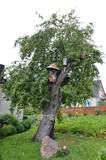 |
Der älteste Apfelbaum in Litauen ist als botanisches Erbe geschützt. Dabei handelt es sich um einen Holzapfel, den einzigen geschützten Apfelbaum in Litauen. |
|
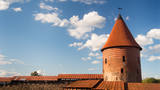 |
Kaunas Castle is the oldest stone castle in Lithuania and interestingly enough, the museum that is inside is also the oldest one in Lithuania. It's possible to take a tour to get know more about Kaunas Castle and also visit the museum where there's not only information about the castle but also about the city of Kaunas itself and much more. |
|
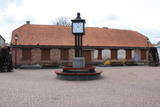 |
Ventspils Vecpilsētas vēsturiskais centrs. Nelielā Rātslaukuma (40 x 60 m) rietumu malā atrodas Starptautiskā rakstnieku un tulkotāju māja, kas ierīkota 18. gs. dzīvojamā ēkā ar baroka un klasicisma iezīmēm (19. gs. vidū te atradās pilsētas Rātsnams), bet austrumu malā – vēlīnā klasicisma stilā celtā evaņģēliski luteriskā Nikolaja baznīca. Iepretim baznīcai atrodas modernā stilā pārbūvētā Ventspils Galvenā bibliotēka un Digitālais centrs, kas ierīkots greznā 19. gs. savrupmājā. |
|
 2 Tagen
|
Это поездка предназначена для компании друзей или рабочего коллектива, желающих как активно провести выходные, так и узнать о кулинарном наследии Курземе и попробовать экологически чистые продуты. Во время поездки Вы в сопровождении гида и при свете факелов изведаете Северные форты Военного городка Лиепаи, ознакомитесь с разнообразием побережья Балтийского моря и увидите леса Шлитере с высоты птичьего полета с маяка Овишу. На второй день Вы можете пройтись пешком по двум природным тропам, что будет как полезно для здоровья, так и познавательно. |
|
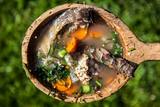 |
Hier werden Kurse angeboten, bei denen man lernt traditionelle Fischsuppe nach jahrhundertealten Rezepten der Region Ost-Oberlitauen zu kochen. Man erfährt hier viel über Ernährungsgewohnheiten, Bräuche und Lebensart in der Region ab dem 13. Jh. Auf dem Hof besteht zudem die Möglichkeit, zu angeln, Pilze zu suchen und Waldbeeren zu suchen. |
|
 |
Der Wirt hat seine Wirtschaft an einem Ufer eines schönen Sees, an der Stelle eines alten Hauses gegründet. Er hat Bienenhäuser an zwei Orte aufgestellt: auf einem Hügel des Sees und auf einer schönen Waldwiese, die er selber gebildet hat. Neben dem Bienengarten befindet sich ein schöner Apfelgarten, wo der Wirt im Herbst sehr gerne Helfer sieht. Seit 1996 hat der Wirt langsam diese Wirtschaft erneuert und gepflegt: Jetzt befinden sich hier ein schöner See, ein Seehaus, eine Kornkammer mit renoviertem ersten Stockwerk und einem Balkon, ein Bienengarten und ein Apfelgarten. |
|
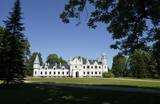 |
Das Schloss Alatskivi zeigt eine Exposition in drei Stockwerken, die über das Leben und Geschichte einer Familie im Gutshof erzählt. Lassen sie sich von den Schlossguides durch die Legenden und Geschichten führen, basteln sie sich selbst ein persönliches Souvenir. Das märchenhafte Schloss im östlichen Teil von Estland erwartet sie! |
|
 |
In der warmen Jahreszeit laden die Inhaber ihre Gäste in die Sommerküche zum Verkosten von Gerichten (Pilaw, Rührei, Kuchen). Für die Gerichte kommt verschiedenes Gemüse aus dem Hof zur Verwendung. |
|
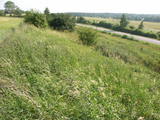 |
Dieses Territorium schützt die Küste des ehemaligen Baltischen Eismeeres, das sich über mehrere Kilometer auf der östlichen Seite der Straße Grobiņa-Ventspils erstreckt. Von einem hohen Punkt der alten Küste hat man einen schönen Blick auf die Piejūra – Tiefebene, leider gibt es keinen speziellen Aussichtturm. Geschützte Arten und Biotope sind in diesem Territorium vorhanden.
|
|
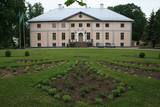 |
Das Landgutsschloss wurde in der Mitte des 18. Jh. als ein Jagdschloss gebaut, gehörte dem Adelsgeschlecht von Medem. Das Eingangsportal des Schlosses (Spätbarock) und das Marmorrelief darüber mit einem Wappen der Allianz der Adelsgeschlechte von Medem und Keizerling sind ein hervorragendes Kunstdenkmal aus dem 18. Jh. |
|
 |
Atrodas Riekstusalas pussalas galā. No tā labi pārskatāma aizaugušā Kaņiera ezera ziemeļu un austrumu daļa. Izcila putnu vērošanas vieta. Pie torņa atrodas viena no retajām Latvijas kadiķu audzēm. Turpat meklējams Kaņiera ezera niedru laipas (uz pontoniem) sākums. |
|
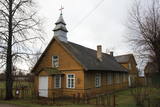 |
Atrodas Rucavas galvenās ielas malā, netālu no centra.Rucavas draudzi dibināja 1871. gadā, bet izmēros nelielo dievnamu uzcēla 1888. gadā. |
|
 1 Tag
|
Guided wilderness experience day-trip combines bog shoeing and canoeing. First is walking through the forest and reaching the largest peat-bog in Estonia – Kuresoo. Wear bogshoes and walk on the wild landscape, followed by wilderness lunch. The trip ends with a relaxing canoe trip along Soomaa meandering rivers. |
|
 |
Sprižu ģimenes bioloģiskā saimniecība "Dabas Gardumi" atrodas Mārupes novadā un tā apsaimnieko ogulājus 23 ha platībā. Audzē avenes, upenes, jāņogas, ērkšķogas, sausseržus, piparmētras, ābolus, plūmes u.c. Visas ogas svaigā veidā tiek piedāvātas sezonas laikā, kā arī tiek pārstrādātas, no kurām ražo dažādus augļu - ogu gardumus: augļu-ogu bumbiņas, salmiņus, sulas, marmelādes un tējas. Saražotā produkcija ir dabiska, garšīga, veselīga, šķiedrvielām un vitamīniem bagāta, jo pārstrādes procesā augļiem, ogām un garšaugiem tiek saglabāts pēc iespējas lielāks tā dabiskais sastāvs. Pārsvarā gardumi top no pašu izaudzētiem un savāktiem dabas izejmateriāliem (augļi, ogas, garšaugi), ražotajiem produktiem netiek pievienots cukurs, līdz ar to augļu-ogu gardumi ir lieliska gan ikdienas, gan svētku uzkoda kā maziem, tā arī lieliem baudītājiem. |
|


