
| Nr | Name | Beschreibung |
|---|---|---|
 |
Daugavas aizsargdambju būvniecību Jēkabpilī uzsāka pēc 1981. gada lielajiem paliem, kad ūdens līmenis pārsniedza kritisko - 6,3 m atzīmi un pakāpās līdz rādījumam „8,7 metri”. Šo plūdu laikā puse pilsētas klāja Daugavas ūdeņi. 2011. gada vasarā notika plašāki dambja atjaunošanas un labiekārtošanas darbi. Pie tā uzstādīja laternas, soliņus, izveidoja pastaigu promenādi un piemiņas zīmi Daugavas kreisajā krastā, kas parāda maksimālo plūdu līmeni. Uz aizsargdambja Daugavas labajā krastā ir izvietoti informatīvie stendi, kur var uzzināt daudz interesantus faktus par pilsētas vēsturi. Dambji ir piemērota vieta, kur fotografēt vai gleznot pilsētas ainavas. |
|
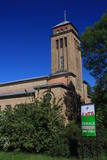 |
Das Gotteshaus ist von 1937 bis 1940 gebaut worden und als sein Prototyp hat die Auferstehungskirche in Kaunas in Litauen gedient. Die Kirche ist ein einschiffiges Gebäude, das in geometrisch rechteckigen Formen gebaut ist, die dem Stil Funktionalismus charakteristisch sind. In der Kirche befindet sich ein großer Altar aus Holz, eine Kanzel und zwei Seitenaltäre (am Anfang des 19. Jh. hergestellt), die früher die Kirche von Rokišķi geschmückt haben. Aus der Kirche von Rokišķi wurden die beiden Altäre hier gebracht, weil in der Kirche von Rokišķi eine neue Innenausstattung hergestellt wurde. Im Jahr 1997 hat die Kirche die Blaue Fahne des Europäischen Kulturerbes erhalten. Neben dem Gotteshaus befinden sich das in der zweiten Hälfte des 19. Jhs. aus roten Ziegeln gebaute Tor der katholischen Kirche und der Park der Selen. |
|
|
|
The Boulder of Subinaite can be found in Sakstagala rural municipality opposite Vaļenieku House that
is on the left side of the river Rēzekne. The base of the boulder is below the river level; it is 5,2 m long, 4,4
m wide, it rises about 1,6 m above the water level, about 2,5 m below the water level, capacity 26 m3.
Reddish surface is heavily eroded and full of moss. Protected since 1977.
|
|
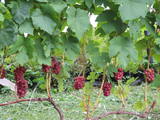 |
Einer der größten Weingärten in Lettland mit über 50 Rebsorten. Bei den angebotenen Führungen erzählt der Winzer über den Anbau von Wein und konsultiert bei Fragen zum Thema. Weiterhin gibt es Verkostungen und man kann Rebstöcke kaufen. |
|
 |
Ogu un augļu dārzs, dažādu ievārījumu, sulu, sīrupu ražošana un tirdzniecība.
|
|
 |
Ugandi Resto ist ein Restaurant mit einer stilvollen Innenausstattung, leckeren Gerichten und einer freundlichen Bedienung. Es befindet sich in Otepää. Die Gerichte werden mit den frischen, qualitativen örtlichen Produkten zubereitet. |
|
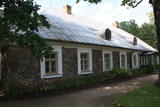 |
Atrodas Tērvetes ziemeļrietumu daļā, Tērvetes upītes krasta līkumā. „Sprīdīšos” sava mūža pēdējo desmitgadi (no 1922. līdz 1933. g.) strādāja un atpūtās latviešu rakstniece Anna Brigadere (1861. - 1933). Šajā laikā top lugas, stāsti, dzejoļi un rakstnieces atmiņu triloģija. No laukakmeņiem celtā „Sprīdīšu” ēka uzbūvēta 1840 g. Te sākotnēji darbojušās ūdensdzirnavas, tad skola, dzīvojuši mežziņi. Tagad šeit aplūkojams rakstnieces memoriālais muzejs. No „Sprīdīšiem” var uzsākt garāku pastaigu pa Tērvetes dabas parku, kur izvietoti no koka darinātie A. Brigaderes pasaku varoņi. |
|
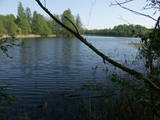 |
Dabas parks, kura lielāko daļu aizņem neprastās formas un līčiem bagātais Cārmaņa (arī Cārmins) ezers. Ezera ūdens ir ļoti tīrs, tādēļ tajā sastopamas Latvijai retas augu sabiedrības. Tā kā parka teritorijā nav tūristiem veidota infrastruktūra, interesenti var baudīt skatus, kas paveras uz ezera un tā apkārtni no Aulejas – Grāveru ceļa.
|
|
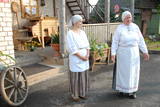 |
In dem Museum wird der Weg des Brotes von dem Korn bis zum fertigen Brotlaib geschildert, den jeder selber formen kann. Die Besucher können Brot (mit Kräutertees) verkosten und einer theatralischen Vorführung über jede Lebensangelegenheit – Taufe, Hochzeit, Jubiläum u.a. – zuschauen. Bei der Mahlzeit werden auf den Tischen Klöße, Krapavnīks, eine Suppe aus getrockneten Pilzen oder aus Fischen aus dem See gelegt. Mit vorheriger Abmeldung nimmt bei der Veranstaltung auch eine Volkstanzgruppe an. Lettische Küche: Suppe aus Seefischen, Klöße und Gericht Krapavnīks. Das besondere Gericht: Suppe aus getrockneten Pilzen. |
|
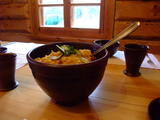 |
Im Teehaus Seto Tsäimaja, das zum Museum der Setukesen gehört, kann man Gerichte aus dem nach den Traditionen der Setukesen gemachten Tongeschirr genießen. Auch kann man Setukesen-Lieder und Instrumentalspiel anhören. |
|
 17 Tagen
|
Diese Tour bietet die Möglichkeit, hinter den gewöhnlichen Sehenswürdigkeiten zu schauen und die drei baltischen Staaten näher kennenzulernen. Die Tour fängt in Riga – in der historischen Hauptstadt Lettlands an, danach führt sie durch den Nationalpark Gauja mit seinen Burgen, Schlössern und Naturpfaden. Steigen Sie auf den Turm der mittelalterlichen Burg von Turaida und genießen Sie die wunderbaren Aussichten über das Urstromtal des Flusses Gauja und besuchen Sie den Meisterschmied der antiken Schmuckstücke in der Burg der reizvollen Stadt Cesis. Wenn Sie die Grenze nach Estland überquert haben, können Sie einen Spaziergang durch den Kurort Parnu unternehmen und seine eleganten Villas besichtigen, und danach die Fähre zu der Insel Saaremaa nehmen. Die typische Landschaft der Insel zeigt sich in dem ethnographischen Dorf Koguva, in den alten Kirchen und Windmühlen. Dann ist die Zeit für Tallinn mit ihrer mittelalterlichen Altstadt und für den Nationalpark Lahemaa mit seinen Fischerdörfern und Landgütern gekommen. Probieren Sie estnische Küche in der Kneipe Altja. Wenn Sie zurück fahren, besichtigen Sie die Universitätsstadt Tartu. Wenn Sie wieder in Lettland sind, besuchen Sie Ziegenzüchtereien und eine Bäckerei, die das lettische Schwarzbrot traditionell backt. Danach führt die Tour Richtung der westlichen Küste mit den Städten Liepaja und – auf der anderen Seite der Grenze, in Litauen – mit Klaipeda. Der nächste Stopp ist die wunderschöne Kurische Nehrung. Vor der Stadt Vilnius können Sie einen Abstecher zum Grutas Park mit seinen eigenartigen Skulpturen aus der Sowjetzeit machen. Beenden Sie Ihre Tour an der malerischen Burg Trakai in Litauen und an dem Schloss Rundale in Lettland. |
|
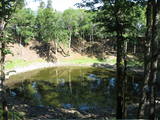 |
Eins der eindrücksvollen Meteoritenkraterfelder Europas. Der Hauptkrater ist 22 m tief, Durchmesser – 110 m. Der ungefähre Zeitraum des Meteoriteneinschlags liegt ung. 7500-Jahre zurück. |
|
 |
Die Hausherren des Hofes Sonnentor sehen sich in der Tradition einer vorchristlichen Kultstätte und veranstalten Rituale im Einklang mit der jährlichen Entwicklung der Natur. Daneben gibt es Vorträge zur alten Religion der Balten. Kalenderfeste und Familienfeiern können hier abgehalten werden – Hochzeiten, Brautabende, Segnungen, Wintersonnenwende, Fastnacht. Im Hof werden heidnische Feste veranstaltet. Die Kurse sind eher für Erwachsene gedacht. |
|
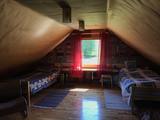 |
Bed & breakfast "Upes", in the centre of Livonian village Pitrags. Natural toilet. Local products. Lunch boxes, transfer service on request. |
|
 4 Tagen
|
Eine professionelle landwirtschaftliche Tour, auf der man moderne und technologisch entwickelte herstellende Wirtschaften kennenlernen kann. Tag zum Kennenlernen mit der Besichtigung von Riga (UNESCO Kulturerbe) – der Hauptstadt Lettlands, sowie des Zentralmarktes (einer der größten Märkte des geschlossenen Typs in Europa). Am nächsten Tag bieten wir ein Treffen mit Fachleuten des Ministeriums für Landwirtschaft der Republik Lettland und den Vertretern der nicht staatlichen Organisationen für Landwirtschaft an. Wir fahren zu einem ökologischen Polygon für Haushaltsabfälle, das eine auch in Europa anerkannte Initiative ist, wo die Wärme, die der Block für Abfälle erzeugt, als Heizung für Treibhäuser verwendet wird, in denen ideale Umstände für landwirtschaftliche Erzeugung (Blumen und Tomaten) herrschen. Wir besuchen innovative Wirtschaften, wo Birkensäfte gewonnen und aus denen verschiedene Produkte hergestellt werden: roter und halbsüßer Wein und der schaumende Wein aus Bio-Birkensäften, Birkensäfte, Brausen und Sirupe. Der nächste Morgen beginnt mit der Besichtigung einer Wirtschaft, wo qualitative Gemüse und Kartoffeln angebaut werden. Hier werden erfolgreich die Fragen der Aufbewahrung, des Verkaufs und der Logistik gelöst. Unterwegs besichtigen wir die Ruinen der Burg von Koknese, die sich am Ufer des lettischen Schicksalsflusses Daugava befinden. In der Tour haben wir auch eine Bauernwirtschaft eingeschlossen, wo Hanf angebaut wird und aus Hanf Lebensmittel hergestellt werden. Übernachtung ist in einem Komplex eines Gutshofes geplant, der zu einer Unterkunft und einem Spa-Komplex umgebaut ist. Am nächsten Morgen besuchen wir eine der neuesten Bierbrauereien in Lettland. Führung und Verkostungen. Um Mittag fahren wir zu einer Wirtschaft, wo in Wintermonaten dank einer Biomasse-Kraft-Wärme-Kopplungsanlage Energie erzeugt wird und Treibhäuser beheizt werden. Am Abend: Rückkehr in Riga. |
|
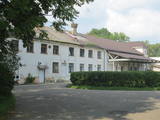 |
Die erste Molkerei von Malpils wurde 1923 gegründet. Dort wurde Butter und Käse hergestellt. In den 70-en Jahren des vorigen Jahrhunderts wurde hier angefangen, den ersten weichen Frischkäse in Lettland „Mālpils” herzustellen. Eine vorherige Vereinbarung ist notwendig für eine Betriebsbesichtigung mit der Verkostung der Erzeugnisse. Käsespezialitäten kann man vor Ort kaufen – im Lebensmittellager. |
|
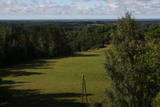 |
This is the highest church tower in Latvia, and from it you can see views of the Alūksne highlands. The view to the South is particularly impressive.
|
|
|
|
Die alten Torfbrüche – der nächste Ort
gleich nach Ķemeri, wo in noch größerem
Maße (hauptsachlich während der ersten
Unabhängigkeit von Lettland) Torf gewonnen
wurde.
|
|
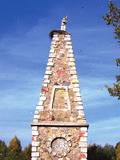 |
Das Denkmal wurde errichtet zu Ehren des Jubeljahres der katholischen Kirche, das 1825 in Rom für die ganze Welt verkündet wurde.Auf einem hohen, pyramidenförmigen Postament steht eine Christusfigur, die das Kreuz trägt. Das Postament wurde 1828 unter dem livonischen Kanoniker, Dekan von Rezekne und Schriftsteller Jāzeps Kirkillo errichtet. 1918 wurde das Denkmal renoviert und die Christusfigur mit dem Kreuz erstellt. Eine weitere Renovierung fand 1990 statt. |
|
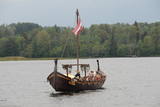 |
Um den Fluss Daugava aus einer anderen Sicht zu sehen, kann man vom Bäckerei-Geschäft der Firma „Liepkalnu maiznīca” eine Ausfahrt mit einem Langschiff der Wikinger „Lāčplēsis” machen, der gleichzeitig eine Gruppe von 24 Personen an Bord aufnehmen kann. Daugava war schon von alters her ein bedeutender Wanderungskorridor nicht nur für verschiedene Pflanzen- und Tierarten, die dadurch auf das jetzige Territorium Lettlands “gekommen” sind , sondern auch für Leute und Stämme, die die Daugava-Ufer und die Ostseeküste besiedelten. |
|


