
| Nr | Name | Beschreibung |
|---|---|---|
 |
Das Gästehaus befindet sich am Ufer des Sees Cirisa ezers mit einer Aussicht auf die Inseln des Sees. Gästen werden lettgallische Speisen, auch aus den Fischen des Sees, angeboten. Lettische Küche: Fischsuppe, geräucherter Aal und Zander, gefüllte Hähnchentaschen, Kartoffelpfannkuchen mit Quark und Dillen, Brotsuppe mit Schlagsahne oder Eis, Himmelsbrei, gebackenes Eis, selbstgepresster Apfelsaft. Das besondere Gericht: Fisch aus dem See nach dem Geschmack der Lettgallen. |
|
 14 Tagen
|
A panoramic tour of Lithuania and Latvia with highlights of nature experiences in the National parks and nature reserves. A variety of landscapes, nature attraction sites, birds and wild animals, forests and seashore. The tour also offers some cultural and historical insights. Baltic States are lucky to have plenty of untouched natural territories. During the Cambrian, Silurian and Devonian eras, the territory of the current Baltic States was often covered by seawater, which is why there are places where lots of geological evidence can be found about these periods in history. These are manifested not just in fossils and various geological objects, but also in the unique landscape. For example, The Gauja River basin is an outstanding locations for Devonian cliffs and caves. Other interesting elements of the terrain relate to the development of the Baltic Sea in the past – the Baltic Ice Sea and the Littorine Sea. That is well presented at he landscape of hillocks and valleys in the Slītere National Park. Many forests and bogs have remained virtually untouched as biotopes here. The Ķemeri, Slītere national parks were all established to protect wetlands. Rivers in the Baltic States have not been straightened and dense areas of buildings are not common. There are two “lands of lakes” in the Baltic States – Latgale and Augštaitija. The Baltic States are at the crossroads of the living areas of many different plants and animals, and that is why “northern,” “southern,” “western” and “eastern” species can all be found here. Some national parks have been established to protect distinctive local cultural heritage. |
|
 |
Uzcelts Kaņiera pilskalnā un ir Kaņiera pilskalna takas sastāvdaļa. No torņa paveras izcila Kaņiera ezera dienvidrietumu daļas ainava ar niedru saliņām un nelieliem atklāta ūdens laukumiem. Laba putnu vērošanas vieta. |
|
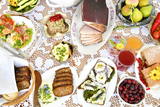 |
Das Gasthof Pinska ist ein Familienunternehmen, das sich auf dem Grundstück des ehemaligen Landguts Lõpinska befindet. Das Essen wird mit den örtlichen Produkten und nach den örtlichen Traditionen zubereitet. |
|
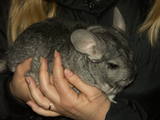 |
The owners breed chinchillas, which originated in the Andes in South America. They offer a tour and a story about the lives and growth of chinchillas. Animals and their pelts can be purchased. The lady of the house is also a painter. |
|
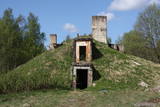 |
Heutzutage ist die ehemalige Meldegängerabteilung der UdSSR in Wälder von Bārta ein Privateigentum und das Objekt wird abgebaut.
|
|
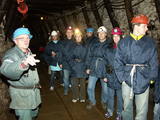 |
Gas mixture is the main raw material for Estonia’s energy and chemical industries, and it is extracted in our day from open quarries or underground shafts. This layer was established during the Ordovician Period between 450 and 480 million years ago, and it is made up of the remnants of plants and animals from that age. In the Kohtla-Nõmme suburb, there is a shaft which can be toured in the company of a guide who will tell you that this is the only layer of its kind in the Baltic States. He will tell you about how the gas mixture has been extracted over the course of history.
|
|
 |
Das Grab der Eltern von Kapitän A. Bertholds
mit einem ungewöhnlichen Grabmal.
|
|
 |
Das Café befindet sich an der Straße Riga – Ventspils (A10): an der evangelisch-lutherischen Kirche von Strazde, in einem schönen Gebäude mit großen Fenstern. Es arbeitet mit lokalen Bauern zusammen. Hier werden Musikabende organisiert. Lettische Küche: Haferbrei, Kartoffelpfannkuchen, Omelette nach dem Geschmack der Bauer, Bauernfrühstück, gebratener Kabeljau, geschmorter Lachs, gebratene Schweinefuß-Scheibe, gegrilltes Schweinefleisch mit Rhabarbersoße, der heiße und knusprige Rhabarbernachtisch, lettische Biersorten. |
|
 |
Mākslinieka un koktēlnieka Antano Česnulio koka skulptūru parks atrodas Naujasodė ciematā, aptuveni 3 km attālumā no Druskininku pilsētas. Ekspozīcija tiek regulāri atjaunota ar jauniem darbiem. |
|
 |
Auf dem Bauernmarkt Lõunakeskus werden die in Estland angebauten und mit den örtlichen Produkten zubereiteten Lebensmittel sowohl für den Alltag als auch den Festtagstisch verkauft. Die vielfältigen Produkte stammen hauptsächlich von den südestnischen Betrieben, man kann aber auch Waren anderer Regionen Estlands dort finden. Es gibt auch ein gemütliches Café, in dem Sie mit den auf dem Markt angebotenen frischen Produkten zubereitete Speisen genießen können. |
|
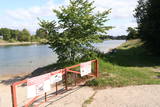 |
Der Kanal der Karaosta und die in diesem Objekt gelegene Station der Seeflote und U-Boot Station wurden auf Befehl der Zar Rußlands vor dem ersten Weltkrieg ausgegraben. Heutzutage ist der Hafen der Unterseeboote ein geschlossenes Territorium und er wird zum wirtschaftlichen Zweck genutzt. Der Kanal von Karaosta ist von der Seite der Pulvera Straße aus, als auch von der Seite der Klapaka Brücke aus zu sehen.
|
|
 |
In the house that was renovated due to the initiative of the Craftsmen society of Beverina, it is possible to buy the products of both the district craftsmen and those from further territories, to visit creative workshops and events in order to learn the techniques of differnt handicrafts. The house is both a teaching centre and a marketplace, as well as the centre to popularise the cultural, folk and Latvian lifestyle of the Beverina district. |
|
 |
Der Sammler von Pfingstrosen Andris Berkins öffnet seinen Garten nicht nur für Besucher im Frühling, sondern er macht mit seinen schönen Blumengeschichten auch Tervete bekannter. Die Besucher können auch Jungpflanzen für den Schmuck des eigenen Gartens kaufen. Es wird empfohlen, den Garten in der Blütezeit im Juni zu besuchen.
|
|
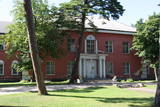 |
Das ehemalige Kriegshospitalgebäude ist von einem Park umgeben, nördlich ist ein Küstenpark gelegen. Das Gebäude hat verschiedene kleine architektonische Formen.
|
|
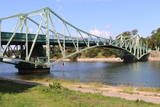 |
The bridge was built in 1906. Part of it was blown up during World War I and later restored. During the Soviet occupation, one needed special permits to cross the bridge. Military ships and other vessels used the canal, because one of the largest military bases in the USSR was sited here. In the summer of 2006, one month before the bridge’s centenary, a Georgian-flagged tanker, the Anna, rammed into the northern support structure of the bridge, and that destroyed the bridge’s turning part beyond recognition. The bridge was renovated and reopened in 2009. You can look at the bridge and cross it at any time.This is a unique engineering monument, and it is the only drawbridge of its kind in the Baltic States. It takes just five minutes to turn the two parts of the bridge.
|
|
 |
Sēlijā, 5 km attālumā no Aknīstes, mājā "Skārdupītes" atrodas biedrība “Sēlijas laivas”. Kamēr teritorijā vēl tikai tiek attīstīta aktīvā tūrisma bāze, jau tagad viesiem tiek sniegts ieskats laivošanas kultūras attīstībā, kā arī ir iespējama dažādu laivu veidu noma un laivošanas tehnikas apmācība. Papildus: vides gida pakalpojumi ar iespēju laivojot iepazīt upes ekosistēmu, floru un faunu. |
|
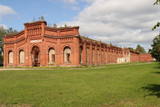 |
This building was erected in 1903 and 1904 to be used for military training, exercises and ceremonial events. An addition to the South of the building held a small church, but it is gone. The building was used for gymnastics performances and competitions for horseback riders. Official meals for the garrison’s sailors were held there, too – the hall could hold up to 3,000 people. Only the outer walls survive today, sad to say. You can view the exterior and interior of the hall at any time. This is the only building of its size and type in Latvia. The roof once had bands of glass tiles.
|
|
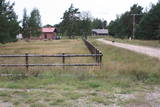 |
Es ist ein langes Dorf, das sich zu beiden Seiten des Flusses Lūžņa befindet. 1937 befanden sich hier 36 Häuser und zwei Bootsanlegestellen. In den 60er Jahren des 19. Jh. wurde Lūžņa zu einem Ort des Schiffbaus, während der sowjetischen Besatzung wurden in der Nähe Militärbasen errichtet. In den 30er Jahren des 20. Jh. besuchte diese Ortschaft mehrmals der finnische Linguist Lauri Kettunen zusammen mit dem estnischen Studenten Oscar Loorits, die das Wörterbuch der livischen Sprache erarbeiteten. In Lūžņa lebte der erste livische Künstler Jānis Belte (1893–1946). Der Bauernhof „Dēliņi“ eines livischen Fischers und Bauern ist im lettischen Ethnographischen Freilichtmuseum zu besichtigen. |
|
|
|
1,8 km garā taka atrodas neparastā vietā – uz Cirīša ezera salas. Tās galvenās vērtības ir augu valsts un dzeņveidīgo putnu daudzveidība. Viens no apskates objektiem ir Upurkalns – sens pilskalns. Taka labiekārtota, izveidoti informācijas stendi, atpūtas vieta. Lai nokļūtu uz salas, no vietējiem jānomā laiva, vai jādodas ar savējo. Atrodas dabas parkā „Cirīša ezers”. |
|


