
| Nr | Name | Beschreibung |
|---|---|---|
 |
The farmstead "Vitolini" specializes in horse breeding, as well as horse-riding lessons. It is possible to go horse-riding in the forest or to take a ride in a horse team. |
|
 1 Tag
|
Ekskursijas laikā apmeklējiet dabas taku, kurā ir iespēja iepazīt Amatas novada dabas objektus gar Kumadas upes, Dančupītes un Amatas upes krastu. Pēc tam apmeklējiet Cēsu pils kompleksu. Viduslaiku pils sniedz iespēju iejusties 800 gadus tālā pagātnē, uzkāpt ar sveču lukturīšiem Rietumu tornī, nokāpt cietumā, kā arī redzēt, kā kalējs darina latgaļu rotas. Blakus esošā Jaunā pils ir 18. gs. celta pilsmuižas kunga māja, kurā tagad atrodas Cēsu Vēsture un Mākslas muzejs. Ekskursijas noslēgumā dodieties uz lauku māju Smiltenes novadā, lai iepazītu maizes cepšanu pēc sentēvu tradīcijām, kā arī pašiem izveidot savu maizes kukulīti. |
|
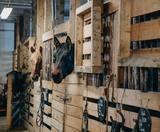 |
Vidzemē, Valmiermuižā, 19.gs. celtā ēku kompleksā, ko iekļauj mūra žogs, atrodas Valmiermuižas stallis un Valmiermuižas jātnieku skola. Tajā saimnieko Jurašu ģimene - zirgkopju, zirgu selekcionāru un vetārstu ģimene daudzās paaudzēs. Ir iespēja doties izjādēs, ekskursijās, kā arī tiek rīkotas radošās nometnes bērniem. |
|
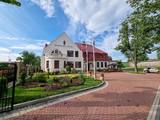 |
The only Art Nouveau building in Aluksne, built at the beginning of the 20th century, now works as a hotel. Historically, the building once housed a Railway hotel, so the original name of the hotel - "Bahnhofs Hotel" (transl. from German - "Railway" hotel) was kept. The hotel has 9 rooms (some of which extra beds can be arranged). At an additional cost an English-style breakfast is available. Hotel guests are offered a half-hour free access to the swimming pool at hotel "Jolanta", which is nearby, as well as electric scooter and bicycle rental. A banquet hall is also available for various events. N.B. Hotel bookings must be made at least 12 hours before arrival. |
|
 |
Seit 2012 werden in der Kellerei Naukšēni Wein, Apfelwein und Sekt hergestellt. Obst und Beeren werden vor Ort in Naukšēni, in dem zertifizierten Bio-Garten Paradīzes ābeļdārzs (Paradiesapfelgarten) angebaut. Es werden eine Führung im Betrieb und Verkostung angeboten. |
|
 |
Ein mit Wäldern bedecktes Gebiet, durch welches der Fluss Gauja fließt. Alte Flussärme, parkartige Eichenwiesen, Laubwälder und Schutzarte. Naturpfade. |
|
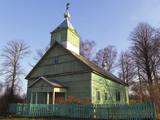 |
Guriliški Old-Believers Prayer House was built in the beginning
of the 20th century. It has a very old bell that was made in 1939.
|
|
 3 Tagen
|
Diese Tour führt Sie durch die eigenartige Insel von Rusnė und das Mündungsdelta des Flusses Nemunas in Litauen. Die Insel Rusnė im Regionalpark der Nemunas- Mündung ist vom Wasser des Flusses Nemunas (Memel) und seiner Nebenflüsse umgeben. Es ist ein Rastplatz für Zugvögel und Heimat einer Kormoran Kolonie. Die Fläche der Insel beträgt 45 km2 und die Insel ist mit dem Festland durch eine Brücke verbunden. Die Insel Rusnė ist der tiefste Ort in Litauen und liegt unter dem Meeresspiegel. Das historische Zentrum der Stadt Rusnė zeichnet sich durch authentische Holzarchitektur, in hellen Farben gestrichene Gebäude, bunte Fensterläden und Dekorationen aus. Der baltische Küstenwanderweg führt durch die kleine Stadt Šilute, wo Sie dem ehemaligen Ostpreußen charakteristische Architektur bewundern können. Von Šilutė nach Kintai ist das Gelände des baltischen Küstenwanderwegs eher flach. Um dieses Gebiet vor dem Hochwasser von Nemunas zu schützen, wurde ein System von Dämmen, Poldern und Kanälen errichtet. Nach der Überquerung des Flusses Minija lädt die Route zu der ethnographischen Siedlung von Minija ein. Hier können Sie die Niederungslandschaft der Küstenregion mit weiten Feuchtgebieten und Teichen genießen. |
|
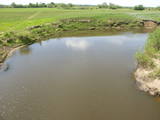 |
Das ist ein wirklich einzigartiges Naturterritorium – das uralte Tal des Dviete-Flusses, die Seen Skuķi und Dviete und die Auenwiesen, die an das Flusstal angrenzen. Während der Überschwemmungszeit sind sie eine Art Sicherheitsventil für das Wasser der mächtigen Daugava. Die Wiesen können ein Grossteil des Flutwassers auffangen und später geben sie es langsam wieder an den Fluss zurück. All das erzeugt ein ziemlich ungewöhnliches Ökosystem. Das Flusstal ist wichtig für die Vögel während des Vogelzugs und zum Nisten. Im Jahre 2006 wurden Wildkühe in die Wiesen ausgewildert. Die touristische Infrastruktur muss in diesem Gebiet verbessert werden.
|
|
 |
Rukši ir bioloģiskā saimniecība, kura audzē HEREFORD šķirnes liellopus, bariņu blējošas aitas ,vistas. Ar ambiciozu skatienu nakotnē par iespējām nodrošināt ar kvalitatīvu liellopu gaļu visus izsalkušos. |
|
 |
Das Bistro befindet sich 130 m von der Kreuzung von Berzkrogs (gegenüber der Tankstelle Statoil). Es unterstützt lokale Produzenten, deren hergestellten Produkte (auch Souvenirs) man hier genießen oder kaufen kann. Lettische Küche: Graue Erbsen mit Speck, Gerstengrütze. |
|
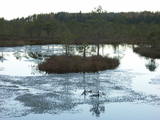 |
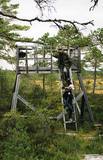
Das Naturreservat ist eine der größten Moorflächen des Baltikums. Es wurde in das Verzeichnis bedeutender Feuchtgebiete gemäß der Ramsar Konvention aufgenommen. Im Moor von Teiči wurde der etwa 3 km langer Lehrpfad Sildi angelegt, der nur in Begleitung von Reservatsführern nach Anmeldung besucht werden darf. Es können verschiedene Moortypen (über Stege), Moorseen (Sildi und Isliena), Wasserlöcher und Kleingewässer und moortypische Arten sowie die Moorinsel besichtigt werden. Vom Aussichtsturm in Siksala kann man den größten Teil des Moores überblicken. The trail can be visited only with the Nature Conservation Agency employee's escort from June 1 until October 31. |
|
 |
Das Territorium wurde eingerichtet, um den Sumpf, einen sumpfigen Wald und eine Reihe seltener Vögel zu schützen. Der Sumpf Niedrāji-Pilka kann mit trockenen Füßen durchquert werden, während man die fast unberührte Natur genießt. Das ist vom Damm der Schmalspurbahn, die für drei oder vier Kilometer vom Nordosten zum Südwesten des Sumpfes führt, möglich oder zu Fuß auf dem gut markierten Rundweg auf dem östlichen Teil des Damms.
|
|
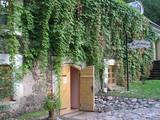 |
Das Café befindet sich im Keller des Museums der Schriftstellerin Anna Brigadere. Außenterrasse. Hier werden Partys zusammen mit den guten Hexen des Naturparks von Tervete und Fahrten mit einem Pferdewagen oder Pferdeschlitten angeboten. Lettische Küche: Schweinerippen in Honigsoße, Pfannkuchen mit Marmelade, Pilzsoße. Das besondere Gericht: Bärentatze. |
|
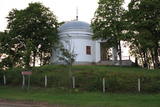 |
Varakļānu centrā, Rīgas ielas malā paceļas neliels paugurs, uz kura atrodas balta ēka ar 4 kolonnām un kupolveida jumtu, kas celta pēc Romas Panteona parauga. Kapela būvēta 1814. g. (arhitekts Vinčento Macoti), un tajā atrodas grāfu Borhu dzimtas apbedījumi. Kapelā bija novietoti arī Sv. Viktora pīšļi, kas pārvesti uz Varakļānu katoļu draudzes baznīcu. |
|
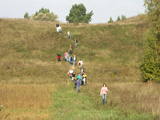 |
Der Pfad führt hinauf zum Gipfel des Burgbergs von Markova (Blick auf das Flusstal), überquert das steile Tal des Bachs Putānu und verläuft zurück zu einem Abhang am rechten Ufer der Daugava, von wo aus man eine herrliche Aussicht auf das altgläubige Dorf Slutiški und den Abhang im Hintergrund hat.
|
|
 |
No ūdens tūrisma attīstības centra „Bāka” skatu laukuma, kas atrodas Lubāna ezera ziemeļdaļā pie V 560 autoceļa, paveras viens no labākajiem Lubānas ezera skatiem. Redzams milzīgais Latvijas lielākā ezera klajs un Kvāpānu – Īdeņas zivju dīķu ar dambjiem ainava. |
|
 |
In der Bäckerei werden mehr als 50 verschiedene Arten von Backwaren angeboten. Das Konformitätszertifikat „Zaļā karotīte" („Grüner Löffel“) wurde für das Roggenbrot „Arona" vergeben. Mit "Bordo karotīte" („Bordeauxroter Löffel“) zertifizierte Produkte – Roggenbrot, süß–saures Brot, Latgale–Kastenbrot, gewelltes Weißbrot, Roggen–Klonbrot, Cesvaine–Klonbrot, Madona–süß–saures–Brot, Birži–süß–saures–Brot. Die Bäckerei hat mehrmals Medaillen auf der Messe „Riga Food" erhalten. |
|
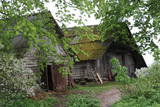 |
Maza apdzīvota vieta ar dažām viensētām uz pussalas (salos tulkojumā no lietuviešu valodas nozīmē „sala") starp vairākiem ezeriem. Salos II ir viens no sešiem Augštaitijas nacionālā parka etnogrāfiskajiem ciemiem. Ciems patiks tiem, kas meklē ļoti nomaļas vietas ar vecām guļbaļķu dzīvojamām un saimniecības ēkām. No Salos II pa sauszemes maršrutu var doties pārgājienā līdz Ladakalnim un Ginuču pilskalnam (sk. iepriekš). |
|
 |
This viewing tower is on a narrow peninsula among Lake Lukna, Lake Višķi, and Lake Boltars. From it, you can see all three lakes, the hillocks of the area, as well as Ambeļi and Višķi. Come here when the bird-cherry trees are in bloom!
|
|


