
| Nr | Name | Beschreibung |
|---|---|---|
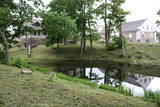 |
Plateļu dienviddaļā plešas sakoptais Plateļu muižas (muižas vēsture ir zināma, no 16. gs.) parks, kura centrā aug Raganu osis – dižkoks 7,2 m apkārtmērā. Parkā un tā tuvākajā apkārtnē ir redzamas muižas saimniecības ēkas. Vienā no tām – atjaunotajā zirgu stallī ir izveidots muzejs, kurā var apskatīt unikālas 250 vietējo meistaru darinātās maskas. Pašreiz šī ir lielākā šāda veida masku kolekcija Baltijas valstīs. Plateļu ezerā ir atrastas trīs no ozolkoka taisītas vienkoča laivas. Viena no tām (darināta 16. gs.) atrodas Lietuvas Jūras muzejā. Otra (15. gs.) ir apskatāma atjaunotajā Plateļu muižas graudu glabātavas pagrabā (Didžioji gatve 22), jo šobrīd tiek restaurēta. Trešā laiva arī izlikta apskatei kā muzeja eksponāts. |
|
 |
On the second Saturday of each month, farmers, home manufacturers and craftspeople gather together to offer their products. You will always find tasty and useful things here. |
|
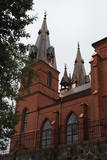 |
An der Stelle der heutigen Kirche war 1685 von den Mitteln des Krakauer Heerführers Belinskis eine Holzkirche gebaut worden, die 1749 renoviert worden war, jedoch 1887 während eines Gewitters niederbrannte. Ein Jahr später begannen die Bauarbeiten einer zweitürmigen Kirche im neogothischen Stil. Diese wurde 1904 eingeweiht. Sie gilt als eins der eindrucksvollsten Gotteshäuser Lettlands. Beachtenswert sind die Glasmalereien, die die Bischöfe Meinhard und Albert darstellen. Neben der Kirche befindet sich das Diakonie-Zentrum Rēzekne – Aglona mit dem Sitz des Bischofes. |
|
 |
The farmstead "Vitolini" specializes in horse breeding, as well as horse-riding lessons. It is possible to go horse-riding in the forest or to take a ride in a horse team. |
|
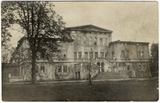 |
Muižas ansamblis veidots 19.gadsimtā, tās arhitektūrā atspoguļojās vairāku eklektisma formāli stilistisku virzienu uzslāņojumi, taču dominējošais bija baroka stils. Tā bija grāfa Kazimira Plātera-Zīberga (1808-1876), vēlāk grāfa Fēliksa Konstantina Plātera-Zīberga (1847-1928) rezidence. Pils un daļa saimniecības ēku tika iznīcinātas pirmā pasaules kara laikā, krievu armijas lielkalibra artilērijas apšaudes gaitā. Pārpalikušās drupas laika gaitā tika nojauktas. Līdz mūsdienām saglabājušies vārtu stabi, kas ir apmierinošā tehniskā stāvoklī. Muižā bijusi arī grāfa Zīberga 1697. gadā celta mūra kapela ar altāri un skaistām gleznām. Dievkalpojumus esot noturējis Ilūkstes prāvests. Bijušie īpašnieki: 18. gadsimtā barons A. Plāters-Zībergs, Kazimirs Plāters-Zībergs (1808-1876).
|
|
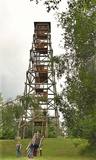 |
Lielais Liepu kalns ir Latgales augstienes Rāznavas pauguraines augstākā un Latvijā trešā augstākā virsotne (289,3 m v.j.l.). Lielpaugura relatīvais augstums ir 86 m! Skatu torņa platforma ir šobrīd augstākais Latvijas punkts (323 m.v.j.l.), kas sasniedzams ar paša kājām! Liepu kalna apkārtne ir labiekārtota. |
|
 |
Der Bauernhof und die Molkerei Mätiku betreibt Milchproduktion und -verarbeitung und züchtet auch Legehennen und Schafen. In der kleinen Molkerei werden verschiedene Milchprodukte aus der Milch von eigenen Kühen produziert. Nach vorheriger Anmeldung kann man den Bauernhof besichtigen, sich mit seiner Arbeit vertraut machen und die Produkte verkosten. |
|
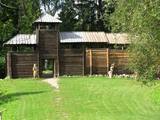 |
Die Landschaft von Kassinurme wurde von der letzten Eiszeit geformt und zählt zu den Perlen von Vooremaa. Hier befinden sich nebenan zueinander vorzeitliche Burg der Esten und der heilige Eichenwald. Hier sind Bühne, Schaukel, Tipis, Feuerstelle und ein Modell der Burg. In Kassinurme gibt es einen Naturlehrpfad, Gesundheitspfad und historischer Pfad. |
|
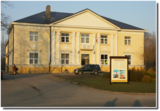 |
Obwohl von den 104 Dorfhäusern im Ersten Weltkrieg 97 Häuser zerstört wurden, hat sich das Dorf Lapmežciems am Ende der 1930er Jahre schnell erholt, und da arbeitete eine der stärksten Fischergenossenschaften der lettischen Küste. Während der Sowjetzeit wurde hier eine der größten Fischerkolchosen Selga gegründet, deren Gebäude bei der Mündung des Flusses Siliņupe zu sehen sind. Heute ist Lapmežciems ein beliebter Sommerhäuserbezirk, Erholungs- und Badeort. Als ein interessantes Denkmal der Fischereigeschichte kann man hier die ehemalige Anlegestelle der Fischerboote von Lapmežciems besichtigen, wo die Fischer Netzhütten gebaut und ihre Werkzeuge aufbewahrt haben. Zwischen der Pīlādžu Straße und dem linken Ufer des Flusses Siliņupe befand sich vom 3. – 2. Jahrtausend v. Ch. eine Fischer- und Jägersiedlung, an deren Stelle ein Denkmal aufgestellt ist. Dieser Ort ist die älteste bekannte Siedlung auf dem Gebiet des Nationalparks von Ķemeri. Ein Teil der Funde kann man im Museum von Lapmežciems besichtigen, wo eine heimatkundliche Ausstellung eingerichtet und das Material über die Kämpfe der finnischen Jäger in der Umgebung von Klapkalnciems gesammelt worden ist. |
|
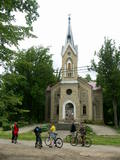 |
Das Gotteshaus befindet sich in der A. Upīša Straße 18. Es ist im Jahr 1897 in neogotischen Formen (Architekt Heinrich Schell) gebaut worden und es ist eines der wenigen Gebäude in der Stadt, das aus Ziegelsteinen im 19. Jh. gebaut wurde. Im Gotteshaus befindet sich das Altargemälde von Indriķis Zeberiņš Christus heilt die Kranken (1943). Die Innenräume der Kirche kann man während der Gottesdienste oder mit vorheriger Anmeldung besichtigen. An der Kirche kann man das von Eižens Laube projektierte Denkmal (1926) besichtigen, das 80 lettischen Schützen gewidmet ist, die während des Zweiten Weltkriegs gefallen und auf dem Brüderfriedhof in der Nähe des Flusses Vēršupīte bestattet sind. An der Kirche sind auch die Teilnehmer des am 18. Mai 1919 stattgefundenen Kampfs von Kauguri J. Kārkliņš un F. Siliņš bestattet worden. Mit vorheriger Anmeldung kann man die Kirche auch von innen besichtigen. |
|
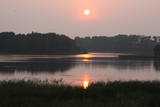 |
Also known as Lake Jēsis or Lake Iesis, this is the lake in Latvia which has the largest number of islands. Many literary sources and encyclopaedias in the 20th century claimed that there were 69 islands in the lake, but that was an exaggeration, because apparently the authors took sandbars overgrown with reeds and other plants to be islands. The true number is approximately two times lesser. The largest number of islands can be found in the north-eastern part of the lake. The largest one is Lielā Lāča (Big Bear) Island (45 ha). A farm was on the island at one time. The islands and the oak trees that are on the shores of the lake – the Piļoru and Pahatnīku stands of trees – are in a restricted environmental reserve. |
|
 |
Der Bauernhof befindet sich am Ufer des Flusses Daugava in Daugmale. Daher können Bienen hochwertigen Honig herstellen, der bei lettischen Wettbewerben mehrmals ausgezeichnet wurde, wie auch andere Bienenprodukte. |
|
 |
Maizes un konditorejas izstrādājumu ceptuve “Re:Maize” gatavo kvalitatīvus produktus, kas ir ne tikai vizuāli pievilcīgi un garšīgi, bet arī ilgtspējīgi un organismam veselīgi. Nosaukums “Re:Maize” ietver sevī ilgtspējības filozofijas principus un to var definēt kā renovāciju kulinārijā. Tas saskan ar cirkulāras ekonomikas principu definīciju - “Raw to recycling”, kas šajā gadījumā pamatā attiecināms uz maizes un mīklas izstrādājumu ražošanu un patēriņu. Latviskojot šo filozofiju, izvēlēts sauklis, kuru izmanto uzrakstā uz izkārtnes un citos materiālos – «Rūpēs par ēdienu», kas pēc saimnieces domām pilnībā atbilst uzņēmuma principiem un ir saprotams arī viesiem. Re:Maize piedāvā katru dienu svaigi ceptu maizi un konditorejas izstrādājumus līdzņemšanai vai baudīšanai uz vietas, kafiju, vīnus un Straupes piena produkciju. Tiek piedāvātas arī meistarklases - praktiskas klientu apmācības par Zero waste principiem. |
|
 |
Das Museum wurde 1991 gegründet. Im Geburtshof von S. Darius wurden Haus und Speicher der Eltern wiederaufgebaut. In beiden Gebäuden gibt es jetzt Ausstellungen. In einem erzählt die Ausstellung über die Geschichte der Luftfahrt in Litauen und das Leben von Darius, während die andere Ausstellung dem traditionellen niederlitauischen Haushalt gewidmet ist. Neben dem Museum gibt es einen Campingplatz, wo man sich erholen und auch für längere Zeit niederlassen kann.
|
|
 |
The spacious cafe in Gulbene with comfortable chairs and a tasty meal of the day menu. It is also possible to taste various types of pizza and dishes typical for the Gulbene district. Working hours: Monday-Thursday: 10:00 - 22:00, Friday-Saturday10:00 - 03:00, Sunday 11:00 - 22:00 |
|
 |
Die Ordenfestung Vasteliina stammt aus dem 14. Jh. Und bis zum Ende des 17. Jh. war es eine mächtige Grenzfestung zwischen Russland und Europa. Endgültig wurde die Festung im Nordischen Krieg 1702 zerstört. Im Mittelalter war die Festung von Vastseliina in der katholischen Welt als Zielort von Pilgerwanderungen bekannt. Das Besucherzentrum befindet sich im ehemaligen Wirtshaus. Für die Gäste werden Ausstellungen über Geschichte der Burg und der Ortschaft, Legenden, Handarbeit, Workshops, Konzerte und Spektakel angeboten. Im ehemaligen Wirtshaus werden stilvolle Mahlzeiten durchgeführt, wo die Gäste Kleidung aus Mittelalter tragen. |
|
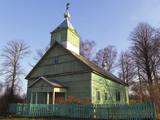 |
Guriliški Old-Believers Prayer House was built in the beginning
of the 20th century. It has a very old bell that was made in 1939.
|
|
 |
Das Café befindet sich neben dem Burgberg von Rezekne und dem Zentrum für kreative Dienstleistungen von Ostlettland Zeimuls (gebaut am 1. September 2012). Schöne Innenausstattung und Aussicht auf die historischen Objekte von Rezekne. Das Café ist im Namen der Festung Rositten genannt worden, die hier im 13.Jh. der Heermeister des Livländischen Ordens gebaut hatte. Hier werden alle Mahlzeiten des Tages, gastronomische Waren und Konditoreiwaren angeboten. |
|
 |
Vom 18. Jh wurde die Stadt ein russischer Marinestützpunkt. Von 1962 bis 1994 war Paldiski ein Übungszentrum für atomare U-Boote der Sowjetischen Marine mit zwei auf dem Festland befindlichen Kernreaktoren (ung. 16.000 Beschäftigte) und eine "geschlossene Stadt". |
|
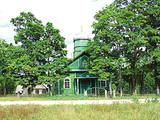 |
Ismeri Old-Believers Prayer House was built in 1912 by the donations of local people. The parish of
Ismeri exists since 1861.
|
|


