
| Nr | Name | Beschreibung |
|---|---|---|
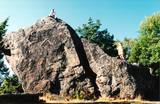 |
Einer der größten Feldsteine im Baltikum (bis 8 m). |
|
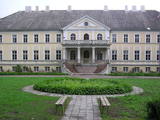 |
Gebaut im Jahre 1835 als Eigentum der Barone von Fircks nach Bestellung der Baronesse Tea von Fircks. Nach einem Umbau in 1883 erhielt das Gebäude ein herrschaftlicher Dekor im Stil der Renaissance und im manieristischen Stil und größerer Umfang des Baues. Am 15. Dezember 1905 wurde das Gebäude des Landguts von Revolutionären in Flammen gesetzt. Drei Jahre später fingen die Wiederherstellungsarbeiten unter der Leitung vom Architekt L. Reinīrs an. Im Gutsschloss sind eine Festhalle mit zwei Kaminen aus Marmor, in den Einzelräumen – ein am Anfang des 20. Jahrhunderts gelegtes Parkett und Außentürflügel mit Metallprägung zu besichtigen. 1938 wurde das Schloss umgebaut. In der Zeit des Zweiten Weltkriegs befand sich im Gebäude ein Kriegslazarett der deutschen Armee, aber nach dem Krieg – eine Schule für die Waldarbeiter. Seit 1962 befindet sich im Schloss die Schule von Rudbārži, die den Namen von Oskars Kalpaks trägt. An der Wand des Gebäudes befindet sich eine Gedenkplatte zu Ehren des Kalpaks-Bataillons. Am 22. Januar 1919 haben die Bolschewiken während des Lettischen Unabhängigkeitskriegs die Stadt Skrunda eingenommen. Sieben Tage später wurde das Kalpaks-Bataillon vom Landgut Rudbārži aus Richtung Skrunda angetreten. Nach einer dreistündigen Schlacht hat das Bataillon den Sieg behalten und eine strategische Position in der Nähe des Ufers des Flusses Venta eingenommen. Es war ein erster Sieg des Bataillons nach den mehrmaligen Rückzügen und es regte zu den weiteren Kämpfen an. |
|
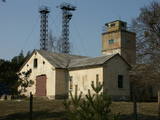 |
Obwohl heutzutage das Kap Kolka für alle Interessenten und Touristen zugänglich ist, funktioniert der Grenzwacheposten immer noch und ist für die Zivilpersonen nicht zugänglich.
|
|
 |
Farm is located ~1 km to the north of Puikule near to the former Limbazi railway, in the territory of North Vidzeme Biosphere Reserve. The farm breeds sheep of the Latvian dark-head breed from which wool, hats, scarves, souvenirs etc. are made by felting. They can be purchased in the farm. Sheep graze in nearby meadows, thus promoting plant diversity in the area. About the role of pets in maintaining biodiversity can also be read on the bench in the yard. In the barn house is a collection of household items. Visitors can take a guided tour and buy souvenirs. |
|
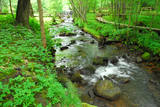 |
Der aus Holstegen und Brücken angelegte Weg führt an einem schönen Abschnitt mit mehreren Wasserfällen und -stufen und der Ieriķupīte entlang und weiter zur alten Mühle mit dem einzigartigen Mühlrad. Es gibt auch die Möglichkeit, sich in Begleitung eines Führers an einigen Hindernissen zu versuchen.
|
|
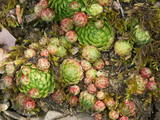 |
Das ist eine kurze Strecke im Daugava – Flusstal zwischen Lielvārde und Dzelme mit Inseln und Untiefen im Fluss, sowie mit Schilf und Feuchtwiesen längsseits. Während des Vogelzuges rasten und fressen hier viele Gänse- und Regenpfeifervogelarten. Das Gebiet ist auch ein wichtiger Nistplatz für viele andere Vogelarten.
|
|
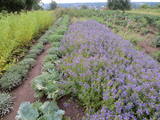 |
The farm is along the upper reaches of the Daugava Ancient River Valley, and it offers more than 100 types of plants, including decorative plants, herbs, medicinal plants and traditional Latvian farm plants. You can tour the largest field of so-called Northern kiwis in Latvia. Take a tour, purchase plants, taste teas, fruits and berries, and receive consultations from the owner. |
|
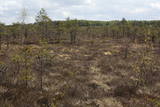 |
Territory established mainly for protection of bog myrtle and various bird species. An interesting fact is that bog myrtle or sweet gale is used as ingredient for making famous Riga Black Balsam. Brienamais purvs (wade bog) is hard to find and reach therefore it is not suitable for tourism.
|
|
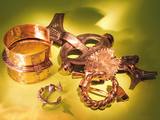 |
The Museum of Malta Secondary School No 2. Exhibition of the
ancient Latgalian jewellery of the 6th –13th century.
Working hours: Mon– Fri : 9.00 – 16.00, Sat., Sunday : closed |
|
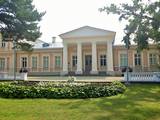 |
Der Park Renavas (begründet im 19. Jh.) ist einer der Parks zum Repräsentieren, der jedoch seine ursprüngliche, naturnahe Form gut erhalten hat. In dem Parkfragment unterhalb des Schlosses sind bis heute viele exotische Bäume erhalten. Im nördlichen Teil des Parks und im Waldpark herrschen Ahorn, Linde, Esche, Fichte, Eiche u.a. vor. Prunkstück des Parks ist die mächtigste Fichte in Litauen mit einem Durchmesser von 1,2 Meter, ebenso eine Linde, aus deren umgefallenen ursprünglichen Stamm sechs Äste zu neuen, unabhängigen Stämmen erwachsen sind. Der Eingang zum Park ist als Pergola mit Kletterpflanzen ausgeführt. |
|
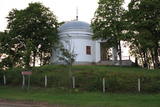 |
Varakļānu centrā, Rīgas ielas malā paceļas neliels paugurs, uz kura atrodas balta ēka ar 4 kolonnām un kupolveida jumtu, kas celta pēc Romas Panteona parauga. Kapela būvēta 1814. g. (arhitekts Vinčento Macoti), un tajā atrodas grāfu Borhu dzimtas apbedījumi. Kapelā bija novietoti arī Sv. Viktora pīšļi, kas pārvesti uz Varakļānu katoļu draudzes baznīcu. |
|
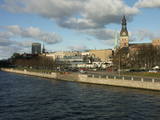 |
The classical skyline of Old Rīga can be enjoyed from several locations – Mūkusalas Street, between the railroad bridge and the stone bridge, from the stone bridge, from the A-B dam, from the grounds of the central office of the Swedbank bank, from the Vanšu bridge, and from the Ballast Dam at Ķīpsala. You can hike or bike from location to location. During the summer, little ships cruise up and down the Daugava to offer different views.
|
|
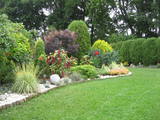 |
You will feel the beauty, power and energy of nature here, ensuring harmony with nature and a good sense of the energy of rocks, plants, Latvian plants and underground streams. Rocks here decorate the garden, which offers a good view of the sea and a cascade of waterfalls that are delightful in the spring and the fall. During the summer, it is a rock river. The site is one km to the north of the bus stop in Tūja and has 28 types of coniferous trees, 14 decorative shrubs, 13 kinds of rhododendrons, and winter plants. The interesting collection of stones may mean that there is an energy field, and the garden is quite esoteric. The rocky seashore of Vidzeme is nearby, and the garden has received many prizes from the Salacgrīva Administrative District and Latvia as such. |
|
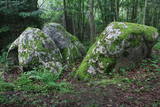 |
Ziemeļos no Viļāniem (Jaunviļānos) atrodas ar mežu apaudzis osveidīgs paugurs – t.s. Kaupra kalns, kurā virsotnē meklējams (ceļa uz Trūpiem malā izvietota norāde) minētais akmens. Trīsdaļīgā akmens, kas atrodas mežā, garums ir 4 m, platums 3 m, augstums 1,9 m. Lielākās daļas virspusē var saskatīt nelielu dobumu, tādēļ pastāv viedoklis, ka šis ir sens kultakmens. |
|
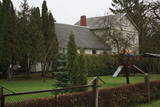 |
Atrodas Tirgoņu un Zāļu ielas krustojumā (Zāļu ielā 12). Interesanta ar faktu, ka šī ir vienīgā padomju laikā uzbūvētā (1948. g., pēc citiem avotiem – šajā gadā atjaunota) Latvijas baznīca. |
|
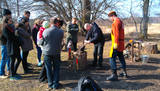 |
Visiting a blacksmith has always been something special. Does this job still exist, and is it still importance? Some may wonder who is a blacksmith is in the first place. The DUDU Nests open-air smithy will answer all of your questions. The blacksmith will teach you all about his profession, talking about the tools and materials that are necessary, the relevant traditions and the everyday work of blacksmiths today. You can forge your own nail to test the difficulty of the work. The blacksmith will happily attend your event with his open-air forge. This is perfect for students, smaller children, wedding guests or individual visitors.
|
|
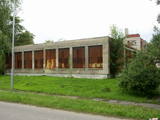 |
Das ist eine gerade Straße, die sich durch die Ortschaft Ķemeri von Nordwesten nach Südosten dehnt. Der Straßenname zeugt davon, dass diese Straße die Grenze der ehemaligen historischen Regionen Livland und Kurland ist. In der Nähe der Kreuzung der Robežu Straße und der Tukuma Straße kann man das ehemalige Gebäude der Apotheke sehen, das als eine Erinnerung aus der Zeit des ehemaligen in der ganzen Sowjetunion bekannten Kurortes ist. Auf der Wand des Gebäudes hat sich die mit der Apotheke verbundene Symbolik erhalten. |
|
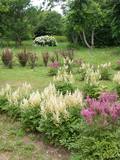 |
The park was founded by the gardener Arvīds Janitens. Professor Raimonds Cinovskis has said that Arvīds is just amazing, because he alone did work that would usually be done by a big group of people. This is one of the most popular tourism destinations of its kind in Latvia.
|
|
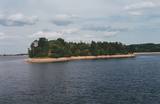 |
Before its flooding, the canyon of the Daugava River between Pļaviņas and Koknese was one of the most outstanding and beautiful parts of the Baltic terrain, and Oliņkalns hill was one of the largest castle hills in Latvia. The Andrejs cliff as up to 20 metres high, and it was part of the Daugava canyon. Before the area was flooded because of the construction of the Pļaviņas hydroelectric power plant, there were rapids near the hill that made it hard for rafters to sail down the river. Today it is a small island in the reservoir of the plant (it can be seen from the side of the Rīga-Daugavpils highway (A6) opposite Stukmaņi). It is separated from the shore by 300 metres of river, under which the Dūņas valley is now resting. A small part of the ramparts of the castle hill can still be seen on the island along with the ruins of an open-air stage and a few metres of the dolomite cliff that have remained above water. It is thought that the Alene castle was on the hill in the 13th century. Latvian mountain climbers installed a memorial stone in 1998 opposite Oliņkalns hill. |
|
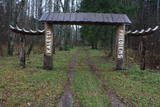 |
Kalētu muižas bijušais medību dārzs. Muižas laikos šeit ierobežotās platībās turēja meža dzīvniekus, kuru medības bija populārs muižniecības izklaides veids. Parkā uzmeklējams piemiņas akmens Krievijas imperatoram Aleksandram III, kurš šeit nošāvis briedi (irsi). No Kalētiem Latvijas teritorijā „ienāca” staltbrieži, kurus medību vajadzībām 1848. g. atveda no Vācijas. Parkā izveidotas takas un atpūtas vietas. |
|


