
| Nr | Name | Beschreibung |
|---|---|---|
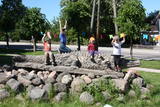 |
This 1995 sculpture by Oļegs Skarainis is at the corner of Dinsberģa and Talsu streets in Dundaga, near the local dairy. It is dedicated to the strong men of the town, including former Dundaga resident Arvīds Blūmentāls (1925-2006), who lived in Australia, was a great crocodile hunter (some 10,000 in all), and served as a prototype for Paul Hogan in the famous movie “Crocodile Dundee.” |
|
 |
Biškopības produkti bioloģiskajā saimniecībā, informācija par biškopību un dabas aizsardzību. |
|
 |
Atrodas sporta un atpūtas kompleksā „Trīssaliņas”. No torņa paveras pievilcīga apkaimes ainava, kas īpaši skaista ir pieneņu ziedēšanas laikā. |
|
 |
Meklējams pie Pāvilostas tilta pār Saku (Meža iela). Te apskatāms 2005. g. restaurētais un uz postamentiem novietotais Pāvilostas zvejnieku kuģis, ar kādu tie zvejoja pagājušā gadsimta 50. – 60. gados. Šāda tipa kuģus būvēja Vācijas Demokrātiskajā republikā. |
|
 |
Piemājas zoodārzs "Brieži" atrodas netālu no Rīgas. Šeit sastopami daudzi un dažādi dekoratīvie putni, tītari, pīles, fazāni, pāvi un žagata, starp tiem dzīvo jūrascūciņas un truši. No četrkājainajiem draugiem te var sastapt Holandes pundurkaziņas, Haidšnukes aitas, Šetlandes ponijus, ēzeļu ģimeni, vāverēnus un jenotpuiku Bārniju. Zoodārzu palīdz sargāt zosu bariņš un Peruāņu pundursivēns - Pigis. No 2015. gada Briežos dzīvo arī dambrieži un briedis Munžaks. Pēc pastaigas zoodārzā, iepriekš piesakot, iespējams izmantot piknika vietas un bērnu rotaļu laukumus. |
|
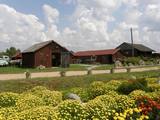 |
We offer a private collection of ancient tools, household items and technologies which we began to assemble in 2002. Right now we have more than 5,000 objects of cultural and historical objects on display, as well as a lovely garden with countless compositions of colourful flowers, fountains, an Eastern meditation bridge, ponds, a pergola, leafy areas, etc. The garden covers more than 2 ha, and it is located 1 km from Lazdukalns. |
|
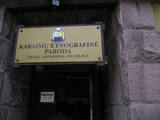 |
Karaims are a small nation of Turkish decent who practise The Karaim religion which started developing around 8th century in Persia. Their language is still used in modern-day Lithuania. In the museum there are rooms not only dedicated to Lithuanian Karaite communities but also Poland's and Ukraine's. |
|
|
|
Xранилище старинных предметов находится на втором этаже здания Туристического информационного центра в Нице. Здесь представлен более чем столетний народный костюм Ницы со всеми неотъемлемыми принадлежностями - юбкой, корсажем, кафтаном и шапкой с «ушками». В ницанском сундуке для приданого хранятся работы местных рукодельниц, которые продолжают местные ремесленнические традиции. Посетители могут ознакомиться с ницанскими одеялами, платками, скатертями и другими пригодными в хозяйстве вещами, а также с рукавицами и носками. |
|
 |
No ūdens tūrisma attīstības centra „Bāka” skatu laukuma, kas atrodas Lubāna ezera ziemeļdaļā pie V 560 autoceļa, paveras viens no labākajiem Lubānas ezera skatiem. Redzams milzīgais Latvijas lielākā ezera klajs un Kvāpānu – Īdeņas zivju dīķu ar dambjiem ainava. |
|
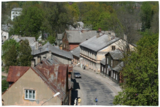 |
Valdemārpils ist ein kleines und leises Städtchen am Ufer des langen Sasmaka-Sees. Schon am Anfang des 17. Jahrhunderts entstand auf dem Boden des Landguts von Sasmaka eine Siedlung der Handwerker und Kaufleute. In der Mitte des 19. Jahrhunderts wohnten in den Städten von Kurland viele jüdische Kaufleute und Handwerker, deswegen nannte man damals Sasmaka die jüdische Hauptstadt. 1926 wurde die Stadt in Valdemārpils umbenannt. Das historische Zentrum der Stadt mit der Bebauung des 19. Jahrhunderts ist ein städtebauliches Denkmal. In Valdemārpils sind die lutherische und orthodoxe Kirchen, die ehemalige Synagoge, ein Denkmal für K. Valdemārs, sowie die großartige Elku-Linde zu besichtigen. |
|
 |
Nicht weit vom Schloss Cesvaine entfernt, wird im Gebäude des Landgut-Ensembles nach alten Rezepten ein lebendiges Bier gebraut. Hier werden die 150 Jahre alten Traditionen der Brauerei wiederbelebt, die 1865 von der ersten Stadtbrauerei aufgenommen wurden. Es werden eine Führung und Verkostung in der Brauerei angeboten. |
|
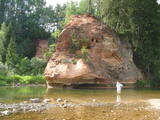 |
Der schönste Platz des Amata-Urstromtals mit Blick auf den Felsen, sowie auch vom Felsenabschuß (200 m lang und bis zu 44 m hoch). Am gegenüberliegenden Ufer befindet sich das Besucherzentrum. |
|
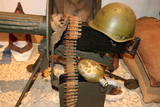 |
Found at Daugavpils Street 40 in Aglona, this is one of the largest private collections of military exhibits related to World War II in
|
|
 5 Tagen
|
Historians say that Liv tribes began to settle the territory that is now Latvia in the 10th century. They lived in Northern Kurzeme, at the mouths of the Daugava and Gauja Rivers, and from Ģipka to Oviši, where seaside fishing villages of Liv origin can still be found. Coastal residents have always eaten various sea, river and lake fish dishes, including smoked sole, Baltic herring, cod, bream or eelpout, baked lampreys, salted sprats, Baltic herring and common herring. Fresh and lightly salted Baltic salmon is a delicacy. Whole fish are baked on hot coals, including pike perch, trout, carp, catfish and European perch. Guests can participate in catching and smoking fish and tastings with bits of everything is available on degustations. Rye can be tasted in rye bread and sourdough bread, carrot buns and even pancakes and gingerbread. Barley buns are common in Vidzeme, as are tasty meat and fowl dishes. There will always be a pig's snout with peas or an oven-roasted piglet on New Year's Eve. Taverns serve wild game with lingonberries, mushrooms and other wild tastes. Side dishes include autumn vegetables, pumpkin, beans or grits, as well as sinfully tasty sauces. Enjoy traditional pies, sheet cakes, pretzels, apple cakes and honey bakes during celebrations or every day. You will enjoy desserts made of rye breadcrumbs, cranberries, lingonberries and sweet cream. Popular in Kurzeme are blackberry dumplings, and during summers, there are lots of desserts with fresh berries. Boost your health with aromatic herbal teas and honey, or enjoy some homemade wine or beer. |
|
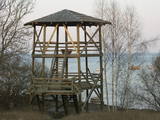 |
This tower is on the shores of the ancient Litorine Sea, with a lovely view of the unique seashore here – complete with small bays and capes. It is part of the Kaltene nature trail, which is around one kilometre long. The location is of particular interest during spring or autumn migration of birds. Two other bird-watching platforms are nearby.
|
|
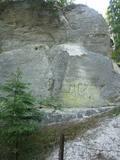 |
Ein herforragender Sandsteinfelsen am rechten Ufer des Flusses Gauja mit Blick aufs Urstromtal von Gauja und einen Naturpfad. Erholungs- und Feuerplatz. |
|
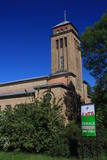 |
Das Gotteshaus ist von 1937 bis 1940 gebaut worden und als sein Prototyp hat die Auferstehungskirche in Kaunas in Litauen gedient. Die Kirche ist ein einschiffiges Gebäude, das in geometrisch rechteckigen Formen gebaut ist, die dem Stil Funktionalismus charakteristisch sind. In der Kirche befindet sich ein großer Altar aus Holz, eine Kanzel und zwei Seitenaltäre (am Anfang des 19. Jh. hergestellt), die früher die Kirche von Rokišķi geschmückt haben. Aus der Kirche von Rokišķi wurden die beiden Altäre hier gebracht, weil in der Kirche von Rokišķi eine neue Innenausstattung hergestellt wurde. Im Jahr 1997 hat die Kirche die Blaue Fahne des Europäischen Kulturerbes erhalten. Neben dem Gotteshaus befinden sich das in der zweiten Hälfte des 19. Jhs. aus roten Ziegeln gebaute Tor der katholischen Kirche und der Park der Selen. |
|
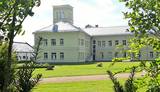 |
Der Park Rietavas war der größte Landschaftspark in Litauen. Angelegt wurde er 1848-1855 in einem natürlichen, ausgedünnten Wald; 1904-1905 erfolgte eine Rekonstruktion. Der Park ist gemischt geplant. Den Großteil des Parks nehmen einheimische Bäume und Sträucher ein, jedoch mit zahlreichen Beimengungen fremdländischer Arten. Aus jener Zeit sind einige Alleen und Fragmente von Zäunen erhalten, das Weiße und das Rote Tor, das Wächterhäuschen an den Toren. Der Park enthält ein komplexes System an Gewässern, bestehend aus einigen Teichen einer Schleife des Flusses Jura und Altarmen, die eine Insel bilden. |
|
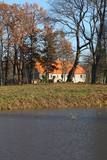 |
Das Wohnhaus ist am Anfang des 18. Jhs. gebaut und in der Mitte des 19. Jhs. umgebaut worden. Immer noch werden die Erneuerungsarbeiten des Pfarrhofkomplexes durchgeführt. Seit September 2009 arbeiten in dem Pfarrhofkomplex drei Erholungshäuser des Rekollektionszentrums der Evangelisch-Lutherischen Kirche Lettlands. Neben den Häusern kann man die Reste des alten Pferdestalls sehen. |
|
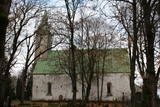 |
Vienīgā baznīca nacionālā parka teritorijā. Tā atrodas Kirblas (Kirbla) ciemā – uz neliela pacēluma, kas Baltijas ledus ezera laikā bijusi sala, kuru no visām pusēm ietvēris ūdens. Kirblas baznīcas pirmsākumi ir meklējami 16. gs. un par tās celtniecību saglabājušies dažādi interesanti nostāsti. Tas ir viens no mazākajiem Igaunijas dievnamiem (29 x 11 m). |
|


