
| Nr | Name | Beschreibung |
|---|---|---|
 |
The cafe Staburadze is situated in the centre of the city Kuldiga. |
|
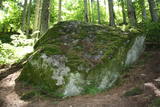 |
Vienu kilometru garā lokveida taka, kas ved pa lielāku nacionālā parka meža masīvu, uzskatāmi attēlo Žemaitijas augstienes un tuvākās apkārtnes reljefa veidošanās vēsturi. No takas augstākā punkta – Mikitai kalna, kas ir sens pagānu upurkalns, paveras (ainaviska stiga) tālākas apkārtnes skats. Kā takas interesantākie apskates objekti ir jāmin teikām apvītais akmens ar Velna pēdu un ar akmeņiem izliktas akas paliekas. |
|
 |
Das Café bietet vor Ort hergestellte Konditoreiwaren (Piroggen, Brötchen, Kuchen, Kekse) und alle Mahlzeiten des Tages an. In Saulkrasti kann man auch das andere Café (Adresse: Raiņa iela 7) besuchen. Lettische Küche: Kalte Suppe, gemischter Salat Rasols, geschmortes Sauerkraut, hausgemachte Frikadellen, graue Erbsen mit Speck. Das besondere Gericht: Im Holzofen gebackene Pizzen. |
|
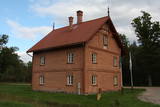 |
Vijciema čiekurkalte ir viena no retajām vēsturiskajām čiekurkaltēm Eiropā, kas celta 19. gadsimtā, un ir ne vien teicami saglabājusies līdz mūsdienām, bet arī, izmantojot vairāk nekā 100 gadus senas iekārtas, čiekurkaltē arvien tiek žāvēti čiekuri, lai iegūtu augstas kvalitātes meža sēklas. Pateicoties ēkas bagātajai vēsturei un senajām čiekuru žāvēšanas tradīcijām, Vijciema čiekurkalte ir iecienīts tūristu objekts, kas piesaista vēstures, dabas un tehnoloģiju interesentus. Vijciema čiekurkaltes apmeklētājiem ir iespēja doties izzinošā ekskursijā gan individuāli, gan grupās. Ekskursijas laikā ir iespēja atklāt čiekurkaltes vēsturi, skatīt čiekuru apstrādes cikla demonstrāciju, kā arī uzzināt, kur, kā un kāpēc čiekuri tiek lasīti. Ekskursijas un individuālos apmeklējumus iepriekš jāpiesaka, zvanot 26478620. Cena
|
|
 |
Im bäuerlichen Betrieb beschäftigt man schon mehr als 20 Jahre mit der Herstellung von Käse. Es wird die Milch der eigenen Kühe verwendet. Hier hergestellte Käsespezialitäten kann man auf den größten Märkten und Jahrmärkten Lettlands kaufen. |
|
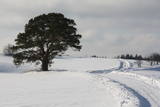 |
This is an unusually shaped pine which, according to legend, was planted by the king of Sweden during the Great Northern War.
|
|
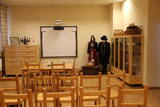 |
This collection features the heritage of the Suiti people, including an exhibition of folk costumes. Visitors can learn about the costumes and try them on. This is a cosy place for meetings, with well-equipped rooms for seminars and various types of training sessions. |
|
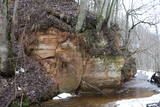 |
It is worth hiking this road where in crosses the Šlītere Blue Hills. This part of the road is approximately one kilometre long, and it goes down to the valley of the stream which crosses the hills. The place has been given a peculiar name – the Kušperlankgrāvis ravine (or the Zeltiņi ravine, as is claimed in other sources). If you're driving, be careful, because there is no bridge here, just a ford. During the early spring or the winter, you will appreciate the ravines and the impressive Blue Hills themselves. Impressive sandstone cliffs which are several metres high and have been vandalised by human hands are on both sides of the road. There is a small niche in one of the cliffs. To the right (East) from the road at the terrace of the Blue Hills is a side road which leads to the Mežlīdumi homestead. Please be gentle with the cliffs! |
|
 |
Das Restaurant befindet sich im Zentrum von Rezekne, in den Räumen des Hotels KOLONNA Hotel Rēzekne. Aus der Sommerterrasse bietet sich eine Aussicht auf die Promenade des Flusses Rezekne. Gästen werden nach alten lettgallischen Rezepten vorbereitete Speisen angeboten. Hier werden lokale Produkte verwendet. Lettische Küche: Gebratener Hering, Sauerkrautsuppe, gefüllte Kartoffelpfannkuchen Gulbešnīki, Gerichte aus Schweinefleisch und Kartoffeln (Buļbas), Klöße, Brötchen Asuškas mit Sauerrahm und das lettgallische Hausbranntwein Šmakovka. Das besondere Gericht: Kartoffelklöße mit Nesselöl und einer Fleischrolle. |
|
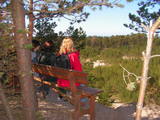 |
One of the highest dunes in Latvia, located between Bernāti and Jūrmalciems villages. It is 37m high and offers a magnificent view of the sea and natural pine forests. The highest dunes in Latvia stand to the South of Jūrmalciems village: the Pūsēnu hill, the Ķupu hill, the Mietragkalns or Tiesas hill, the Pāļu hill, the Garais hill, the Ātrais hill, the Lāvas hill. The Pūsēnu dune is the highest of these dunes which are all called hills by the local people. The Pūsēnu hill developed between 1785 to 1835 when shifting sand became extremely dangerous. Several homesteads were buried in sand, among them „Pūsēni”, where a forester’s family lived. The family is said to have moved to Bārta. The dune was named after the buried homestead. Jēkabs Janševskis, a Latvian writer, wrote in his book „Nīca”: “In olden times, large pine trees were growing in the dunes on the coast of Nīca and they stood steady and firm. But i Swedish times (around 1650), the Swedes built a large kiln for charcoal and tar. Pine wood and stumps provided an excellent material for this. Once a big fire rose, and the charcoal kiln burned down as well as the whole pine forest. The remaining stumps and bare trunks in the vast burnout could not hold the storm-driven sand; it flew further and further burying not only the burned-out forest, but also the nearest fields. In wintertime, when the vast, low marshy grasslands were covered with ice, jets of sand drifted further over its surface, and soon most of the grasslands and large meadows turned into sandy heath-land and dunes.” To reconstruct Liepāja, severely damaged during WWII, a silicate brick factory was built in the town. The main raw material was white sand and it was taken from the Bernātu forest. In the 1960-ies they started to dig off the Green Dune and the White Dune, later also the Pūsēnu hill. The excavators used to work day and night, in three shifts. The work stopped at around 1980, as there was no more sand suitable for production of brick. A trail is set up to facilitate walking in the Pūsēnu Dune in the Bernātu Nature Park. |
|
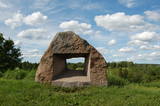 |
Die in 1991 vom Bildhauer Ojārs Feldbergs auf den Plätzen der ehemaligen Landgüter Firkspedvāle und Briņķpedvāle am rechten Ufer des Abava-Urstromtals gegründete Freilichtausstellung der Kunstwerke. Das einzige Objekt solcher Art in Lettland. |
|
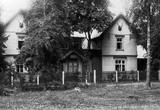 |
The former name of the house was “Forstei” (Forester’s House). It was built using logs of the old Bīriņi Castle. The first owner of the building was Alexander Alexei von Pistohlkors, the baron of Bīriņi Manor. It used to be a house of the manor’s chief forester Pauls Moltrehts. The building served as the chief forester’s work place and residence, as well as the Manor’s hunting base. The building was rebuilt several times. It obtained its current appearance and also the symbolic deer antlers in 1891. During the times of the Independent State of Latvia the house obtained a Latvian name – “Meža māja” or “Forest House”. Ownership of the house has repeatedly changed. In the 1930s, the house became a recreation place for cultural professionals and artists. In 1937, the composer Alfrēds Kalniņš spent the summer in the house working on an interpretation of the score for the second staging of the first Latvian opera “Baņuta”. During the post-war period – from 1945 to 1956 – the building housed Saulkrasti Village Council, and during the times of Saulkrasti District it was the location of the People’s Education Department. Later the children’s sanatorium “Ugunskurs” was transferred from Jūrmala to this building and was renamed “Saulkrasti Children’s sanatorium”. Now the building is privately owned. |
|
 |
The farm "Kronīši" is located in Viļķenes Parish, Limbažu County. The farm grows organic vegetables that are processed into various home preserves. Teas are produced from plants collected from organic meadows, jams, preserves, syrups and juices are also on offer. Fruits and berries are collected from the garden itself, as well as from local farmers and the nearby Rūstuži and Blome marshes. The farm welcomes tourists and exchange groups with prior application. For family events, incl. a teahouse is available for children's parties, creative workshops and other activities. Offers tours with Soviet-era cars and retro cars. |
|
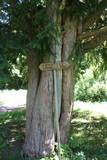 |
This is the thickest and tallest common ivy in Latvia. It is in the park of the Zentene Estate, opposite the mansion (which is now a school).
|
|
 |
Den Hof Lācīši kann man in der Gemeinde Galgauska finden, die sich südwestlich von Gulbene befindet. Die Wirtschaft, die eine der größten im Nordosten der Region Vidzeme ist, ist auf Getreidepflanzen (577 ha), Raps (295 ha) und Züchtung von verschiedenen Grassamen spezialisiert. Der zweite Bereich der Wirtschaft sind Milchkühe (ungefähr 100 Kühe), Fleischrinder und Kalbzucht. Hier ist ein interessanter Raum für Präsentationen eingerichtet, der mit dem Stall der Kühe verbunden ist: Durch große gläserne Fenster kann man die Arbeit im Stall beobachten. Die Wirte nehmen aktiv an EU-Projekte teil. Mit vorheriger Anmeldung kann man die Wirtschaft besichtigen und Erfahrung teilen. |
|
 4 Tagen
|
Die Route führt an einem der vielfältigsten und schönsten Etappen der Küste der Rigaer Bucht entlang. Unterwegs kann man die Wiesen von Randi besichtigen, die dank der Vielfältigkeit der Pflanzen als das Freilichtherbarium Lettlands genannt werden. Hier wandert man am Strand, der von Feldsteinen in verschiedener Größe bedeckt ist, sowie schöne und sandige Strände entlang. Es ist der einzige Ort in Lettland, wo man an der Küste Sandsteinfelsen der Devonperiode besichtigen kann. Hinter jedem nächten Kap ist die Landschaft anders! Die letzen zwanzig Kilometer der Route sind während der Vogelzüge ein Paradies für Vogelbeobachter. Die Route gehört zum Biosphärenschutzgebiet der Region Nord-Vidzeme. Route information from Latvijas Lauku forums |
|
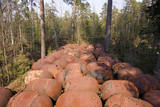 |
Estnische Kleininsel Naissaar war nach dem Zweiten Weltkrieg bis 1993 militärisches Sperrgebiet der sowjetischer Armee. In seiner Zeit – ein geheimes sowjetisches Militärobjekt mit einem Lagerkomplex einer verlassenen Minenfabrik. Besuchenswert auf der Insel sind die artenreiche Natur, Wanderwege, Schmalspurbahn, zaristische Artilleriebatterien und sowjetische Minenfabrik. |
|
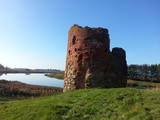 |
Piltene ist eine der kleinsten und ältesten Städte in Lettland. Historisch wurde Piltene das erste Mal 1295 erwähnt, aber Stadtrechte erhielt Piltene im Jahr 1557. Vom 14. bis zum 16. Jahrhundert war Piltene ein Verwaltungszentrum des Kurländischen Bistums. Auf den historischen Straßen, die halbrund die Burgruinen umschließen, ist die Holzbebauung der ersten Hälfte des 19. Jahrhunderts erhalten. Die Bischofsburg von Piltene wurde am Ende des 13. und Anfang des 14. Jahrhunderts gebaut und bis zum 16. Jahrhundert genutzt. Bis heutzutage sind nur die Grundlage und die Turmfragmente am Ufer des Flusses Vecventa erhalten geblieben. |
|
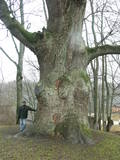 |
This tree is in the park of the Sēja Estate and is one of the four trees in Latvia that have a circumference of more than four metres.
|
|
 |
Die Beerenplantage Sutri befindet sich in der gleichnamigen Gemeinde im Bezirk Livani. Auf dem Hof werden Erdbeeren und Heidelbeeren angebaut, und zwar im Tunnelanbau (unter Folie), weswegen die Reife früher einsetzt als sonst in Lettland. Die Beeren werden sowohl vor Ort als auch auswärts verkauft. |
|


