
| Nr | Name | Beschreibung |
|---|---|---|
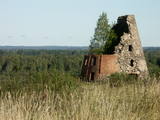 |
The area known as the territory of high hillocks has several heights – Lakta Hill (250 metres above sea level), Egļu Hill (268 metres above sea level), and Bākūži Hill (272 metres above sea level). They are connected by an earthen road – it’s worth hiking the trail to find the best viewing areas. A very fine view of the backs of hillocks in the Vidzeme highlands can be seen from the northern side of Lakta Hill.
|
|
 |
Die Bauernwirtschaft Mežacīruļi wurde im Jahr 1992 gegründet. Sie befindet sich in der Gemeinde Zaļenieki der Region Jelgava, im Zusammenfluss des Flusses Lielupe. In den Anfängen war die Wirtschaft 7,2 ha groß, in der Wirtschaft waren 3 Kühe, 20 Schafe und 6 Mutterschweine. Zurzeit charakterisieren die Wirtschaft 700 ha Land, 300 Melkkühe und ein Treibhäuserkomplex, wo Salate und Gewürzpflanzen gezüchtet werden. |
|
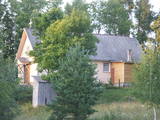 |
Die heutige Kirche aus Holz wurde auf diesem Hügel im Jahr 1947 gebaut, aber sie ist erneuert worden. Heute befindet sich in der Kirche das Dekanat von Rēzekne. Die Kirche kann man von außen besichtigen. Im Dorf Dukstigals waren bis zum Jahr 1960 zwei Gemeinden: Das Weiße Dukstigals (von Šadurskis) und das Schwarze Dukstigals (von Slobodskis). Im Weißen Dukstigals wurde eine Kirche im Jahr 1775 gebaut. Diese Kirche hat die Sowjetmacht im Jahr 1960 gewalttätig zerstört. Und das wurde trotz der Tatsache gemacht, dass diese Kirche ein Baudenkmal und die älteste Kirche (367 Jahre alt) in der Region Latgale war! Eine Rechtfertigung war die Erklärung, dass sich in einer Gemeinde zwei Kirchen nicht befinden dürfen. |
|
 |
Das Restaurant am Ufer von Lielupe in Jūrmala bietet moderne lettische Küche und regionale Produkte. Das besondere Angebot des Restaurants sind geräucherte Produkte, deren Zubereitung auf Traditionen und jahrelanger Erfahrung basiert. Das Restaurant ist im renommierten Nordic White Guide und in den Top 30 der lettischen Restaurants 2019 enthalten. |
|
 7 Tagen
|
Die Study Tours in zwei geografischen Teilen Lettlands widmen sich dem Roggenbrot - dem Symbol der Letten. Neben den Traditionen des Backens und Essens von Roggenbrot bieten sie auch einen Einblick in den Weg des Roggenkorns von der Geschichte bis in die Gegenwart, sowie Information über die Sehenswürdigkeiten und landwirtschaftliche Betriebe verschiedener Regionen. Diese Studienreise ist für Gruppen und können an jeden Kunden angepasst werden, je nach seinen Bedürfnissen, Interessen und Zeitrahmen. Touren beinhalten: Treffen mit Experten, Besuche, touristische Dienstleistungen - Unterkunft, Verpflegung, Besichtigungen, Busvermietung und Reiseleiter. Die Tour ist in Kooperation mit dem Lettischen Bäckerverband (Latvijas Maiznieku biedrība) entwickelt. |
|
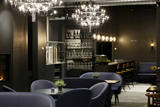 |
The “Zoltners” restaurant offers dainty dishes from fresh seasonal products. The key philosophy of the menu is staying natural and unsophisticated. Endijs Vīnerts, the restaurant chef, has a special approach to create the combinations of tastes that are characteristic to North Europe and to discover new nuances of the tastes of local products. |
|
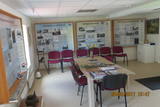 |
In dieser Austellung befinden sich Exponate, die von der Geschichte der Gemeinden Džūkste und Lestene zeugen, von Geschehen im Zweiten Weltkrieg und deren Folgen. Der Eintritt ist frei, Spenden erwünscht. |
|
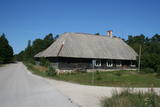 |
In den 50er Jahren des 19. Jahrhunderts war hier eine von der Siedlung Žocene verlegte Schule. Befindet sich bei der Kirche von Ģipka. 1938 hat hier eine Genossenschaft von Dundaga den Handel von Gütern des täglichen Bedarfs organisiert. (Die Quelle: Roja TIZ) |
|
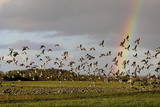 |
Der Nationalpark Matsalu (48 610 ha) wurde als Schutzgebiet für die zahlreichen Vogelarten eingerichtet. Im 1976 wurde Matsalu zu der bedeutendsten Feuchtgebiete der Welt aufgenommen und auf die Ramsar Liste eingetragen. Matsalu ein wichtiger Zwischenstopp für Zugvögel und ein Nistplatz für viele Watvögel und gehört zu den populärsten Vogelbeobachtungsgebieten in Europa. Hier gibt es viele Naturpfade und 8 Vogelbeobachtungstürme. Vogelbeobachtungstouren und Pauschalen für Familien, sowie Kanuwanderungen in Matsalu bietet der Reiseveranstalter Estonian Nature Tours (www.naturetours.ee). |
|
 |
Die Bäckerei befindet sich am Rande der Hauptfußgängerstraße. Hier werden Speckpiroggen, Quarkbrötchen, Zimtbrötchen, Kringel und Torten gebacken und die Miete von Vintage-Fahrrädern angeboten. |
|
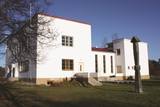 |
Das livische Volkshaus – das 1939 gebaute Haus ist ein Symbol der livischen Identität.
Im Volkshaus kann man eine für die Liven gewidmete Fotoausstellung betrachten.
|
|
 5 Tagen
|
This route passed along many places where events directly related to the emergence of the Latvian state and to the subsequent freedom battles occurred. The historical route from Rīga to Liepāja via Dobele, Saldus, Skrunda, Durbe and Grobiņa was used as long ago as the 13th century. People in the Kurzeme region of Latvia have always eat sea, river and lake fish, particularly smoked fish. Potted smoked cod, served in a clay pot, is a particular delicacy, as are smelts, sea pike, sprats, herring and salmon, available all year long. Ladies of the house bake tasty rye bread, sourdough bread and tasty carrot buns, and they also cook various porridges from barley. Dairy products, Summer Solstice cheese and “white butter” has an important role. Fresh goat milk cheese is prepared with dills and garlic, and goat milk cheese is also tasty. Menus will include local domestic fowl and meat dishes, including roasts, ribs, sausages, as well as more exotic dishes such as pig’s tongue and bull testicles. Fancy taverns will offer pheasant and wild game with mushrooms, lingonberries, juniper berries and wild herbs. In Kurzeme you will be greeted with delicious pies, sheet cakes, poppy seed pastries and honey cakes, biscuits with poppies and cranberries, dessert from rye bread, lingonberries or cranberries and sweet cream.Blackberry dumplings are popular. More unusual are marmalades made from wild plants such as mountain ash, cranberries and even fir needles. Slake your thirst with aromatic herbal teas with honey and enjoy a mug of beer or some homemade wine. |
|
 |
Das Café ist auf Fischspeisen spezialisiert. Bei den Verkostungen werden mindestens sieben Fischspeisen angeboten: Schnitzel, Salate, Kanapees, Frikadellen, Marinaden, Piroggen u.a. Lettische Küche: Kalte Suppe, Strömlinge in Marinade, gebratene Flunder, gebratener Kabeljau, geschmortes Schweinefleisch, dünne Pfannkuchen, Kartoffelpfannkuchen. Das besondere Gericht: Soljanka von Būda. |
|
 |
The Līgatne Paper Factory is located at Pilsoņu Street 1 in Līgatne. The factory was first built in place of an old paper windmill by two tradesman from Rīga who also built dormitories for residents. These structures are an important component in the urban environment of Līgatne. The rapid flow of the Līgatne River allowed the factory to produce writing paper, stationary and wrapping paper. In 1858, the factory was brought by a local nobleman who brought in new equipment from Scotland. If some 100 people worked at the factory during the first half of the 19th century, then that number rose to 600 by the end of the century and 800 at the beginning of the 20th century. Writing paper was the primary product from the factory, although there were sometimes special orders. During World War I, for instance, the factory produced paper on which the Russian military printed its maps. This allowed the factory to hold an important role in the Russian market. During the Soviet era, the factory at Līgatne produced notebooks and other products that were sent all over the USSR. Today the factory mostly produces wrapping paper of various kinds from waste paper. The Līgatne Paper Factory is the only functioning entity of its kind in Latvia, and there are guides available to give you a tour. The historical centre of the campus on which the factory sits is a cultural monument. The Līgatne Tourism Information Centre (_371-6415-3313) offers tours of the centre during which you will learn about the lives of the factory's workers and administrators in the late 19th and early 20th century. Back then there was major construction work at the factory to build residences for workers, a school, a childbirth facility, a hospital, a club, a guesthouse and other buildings which have survived to the present day. |
|
 |
This is a comparatively large lake (3 km long and 1.3 km wide). It is shallow (no more than 1.1 m deep) and is classified as a seashore lake. The Vecslocene River flows through it. At the southern end, there is a narrow stream which connects Lake Sloka with Aklo Lake – a shallow and small lake with a dolomite bed at some locations. The best view of Lake Sloka can be seen from the bird watching tower on its north-western shore. This is the only floating bird watching tower in Latvia. Alongside it is the beginning of the 3 km Lake Sloka hiking trail, which passes through the flooded wetlands of the lower reaches of the Vēršupīte. An information stand can be found on the shore of Lake Sloka by the car park. Beyond it is a sulphurous spring. |
|
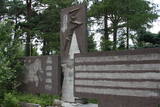 |
Die Abteilung der Grenzwache aus der sowjetischen Zeit in Ventspils mit einem fundamentalen Gebäudekomplex, Komplex der Plätze und verschiedener Objekte, die Zur Zeit (außer manche Gebäude) verlassen und nicht bewacht sind.
|
|
 |
Bei der Führung kann man hausgemachtes Brot, Käse, Bier und Wildgerichte verkosten. Der alte Gemüsegarten und die Lindenallee laden zur Besichtigung ein, ebenso die im Hof gehaltenen Rot- und Dammhirsche und Mufflons. Kinder sind besonders an der Möglichkeit, Ziegen, Kaninchen und den Esel zu streicheln, interessiert. |
|
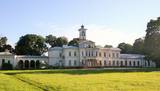 |
Das Schloss Astravas ist eines der besten Beispiele für die Architektur des Romantizismus im ausgehenden 19. Jahrhundert in Litauen. Gelegen auf einer Halbinsel im See Širvėna ist das Schloss bequem zu Fuß von der Kreisstadt Biržai über die längste Holzbrücke in Litauen zu erreichen. Der 18 ha große Park wurde von 1851 bis 1862 angelegt. Im Park wachsen hauptsächlich heimische Bäume wie Fichten, Winterlinden und Kiefern. |
|
 1 Tag
|
Dodieties ekskursijā, lai gūtu ieskatu lauku profesijā un dzīvesveidā, kā arī iegūtu jaunus iespaidus un labu atpūtu visai klasei. Ekskursijas laikā apskatiet līdz 16 m augsto stāvkrastu ar gana iespaidīgiem skatiem. Pēc tam apmeklējiet lauku maizes ceptuvi, kur iespējams izveidot un izcept pašiem savu kukulīti. Ekskursijas noslēgumā dodieties uz pili, kas pazīstama ar stāstiem par spokiem, par rūķīšu kāzām un citiem nostāstiem. Pils parkā apskatāma Mīlestības aleja un Rūķīšu ozola vieta. |
|
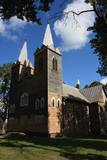 |
В1699 в центре Нюкши Пасиенские доминиканские монахи построили часовню, на месте которой в 1765 году помещик Хилзен возвел новую церковь. Помещения были маленькие, и в 1922 - 1926 гг. на фундаменте старой церкви строится новая и большая – теперешняя церковь, которую называют одним из самых красивейших деревянных храмов Латгалии. В здании находится центральный алтарь работы второй четверти XVIII века и два боковых алтаря работы примерно 1700 г. Церковь можно осмотреть изнутри. |
|


