
| Nr | Name | Beschreibung |
|---|---|---|
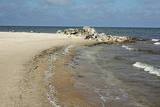 |
Der alte Leuchtturm vom Kap Kolka – am Ende des Kaps kann man das
von Wellen abgespülte Gemäuer des im 16. Jahrhundert gebauten und
mehrmals erneuerten Leuchtturmes sehen. Nach jedem großen Sturm und
kälterem Winter werden diese aber immer kleiner. Früher befanden sich die
Trümmer tiefer im Festland, doch jetzt verschwinden sie langsam unter Wasser.
|
|
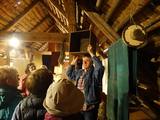 |
The museum at Egļava has an exhibition about forestry in Latvia before and after World War II. The exhibit features forestry tools and equipment, as well as textiles from the former Balvi District along with samples of ceramics and woodworking. The former forest ranger house has rooms to provide accommodations to guests. |
|
 |
The cafe in the centre of Saulkrasti. There are offered not only baked goods, but hot meals as well. The Latvian-style kebabs made here are very popular among the citizens of Saulkrasti and town guests. The cafe offers high chairs for children. Working hours in the summer: 8:00 – 20:00, from September to May: 8:00 – 18:00 |
|
 |
Eine kleine Ortschaft mit einer Schule, einer Bibliothek und einem Geschäft. Nördlich von Vīdale kann man die Reste einer Windmühle besichtigen. Wenn man die Richtung Rigaer Bucht nimmt, kreuzt die Straße die Blauen Berge von Šlītere mit Sandsteinwänden und mit eindrucksvollen Aussichten in den Jahreszeiten, wenn die Bäume keine Blätter haben. Auf der linken Seite kann man die Quelle der Blauen Berge sehen, wo eine Stelle zum Wassernehmen eingerichtet ist. Die Straße, die von Vīdale nach Melnsils führt, nennen die Einheimischen den Damm Knipeldambis. Die Straße soll von der Deutschen Armee während des Ersten Weltkriegs gebaut worden sein, indem auf dem Weg Rundhölzer gelegt und mit Kies beschüttet wurden. |
|
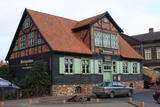 |
From the historical and architectural perspective, this is an interesting monument to urban construction between the 17th and 19th centuries. Old Liepāja is in the area of the old market and Kuršu Square, where merchants sold their wares beginning in the 1560s. Until 1792, Kuršu Square was also where punishments were implemented. The current Pētertirgus pavilion was installed alongside the square in 1910. A map shows that the network of streets has partly preserved the chaos of street planning that was typical in Medieval towns. |
|
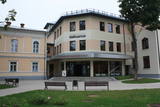 |
Die Exposition ist in einem Gebäude eingerichtet, in dem bis zum Zweiten Weltkrieg das Zentrale Museum Latgale tätig war. Hier kann man die Geschichte der Stadt Rēzekne über sieben Jahrhunderte kennenlernen und auch eine Sammlung von Keramiken und anderen Gegenständen der bildenden Kunst, die für die Region Latgale typisch sind. In der Exposition „Wunder aus Ton und dessen Verwandlung im Feuer“ kann man die Entstehung und Entwicklungsgeschichte der Keramik kennenlernen, in den Höfen und Werkstätten der Töpfer kann man bei der Entstehung von Tongeschirr mit traditionellen Methoden zusehen. Neben dem Museum ist dem bedeutenden lettgalischen Dichter Antons Kūkojs (1940 – 2007) ein Denkmal errichtet. |
|
 |
Aiz Jodkrantes (Nidas virziens) ceļa labajā pusē ir izveidots autostāvlaukums un labiekārtota vieta, no kuras apskatāma Lietuvas (atrodamas ziņas, ka arī Eiropas) lielākā zivju gārņu Ardea cinerea un jūras kraukļu Phalacrocorax carbo kolonija, kur kopā varētu būt ~ 3000 putnu. Neaizmirstiet līdzi paņemt tālskati! |
|
 3 Tagen
|
Это один из 6 маршрутов путешествий в серии «Насладитесь деревней!», который приглашает Примерное время прохождения маршрута: четыре – пять дней, в зависимости от количества выбранных достопримечательностей и времени, отведенного для их осмотра. |
|
 |
The outworker offers different garlic and other vegetable products: marinated garlic flowers, different mixed vegetables; dried garlic rusks, etc. The groups are offered food tasting. |
|
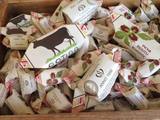 |
Das erste Unternehmen, das 1957 die Produktion der beliebten Milch-Bonbons „Gotiņa“aufnahm. Hier kann man köstliche Bonbons erwerben und auch an einer Führung teilnehmen, der Inhaber des Unternehmens ist zugleich der Haupt- Bonbonmeister. |
|
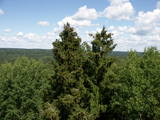 |
The recently renovated viewing tower offers a wonderful view of the impressive and forested ancient Gauja River valley. The Gūdu cliffs are visible. This is part of the Līgatne nature trails territory, where there are wide paddocks of wild animals.
|
|
 |
Die Überreste der Schragen des Fischhafens sind and der Küste und im Meer
gegenüber von Mazirbe zu sehen. Es gilt als eine Erinnerung and das ehemalige Fischerei-
Kooperativ “Zivs” (Fisch), dass hier in den Dreisigern im letzten Jahrhundert betrieben
wurde.
|
|
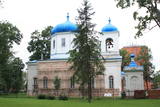 |
Atrodas pilsētas centrā, Atbrīvošanas alejā 98. Dievnamu sāka celt 1840. g. (iesvētīja 1846. g.) un tas uzskatāms par pilsētas vecāko sakrālo būvi. Nekvalitatīvu būvniecības materiālu izmantošana un cēlāju pieredzes trūkums bija iemesls, kādēļ 1854. g. to nācās pārbūvēt. Pie baznīcas atrodas 1867. g. būvēta Sv. A. Ņevska kapliča, kas veltīta cara Aleksandra II paglābšanās faktam vilciena katastrofā un stikla mauzolejs, kurā apbedīts baznīcas mecenāts ģenerālis Karaulovs (šobrīd tiek restaurēts). Dievnams ir atvērts arī apmeklētājiem. |
|
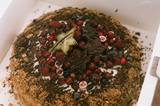 |
Contact her in advance, and the landlady here will bake various cakes, pastries, carrot buns and pierogi with various fillings. You can also order smoked fish. |
|
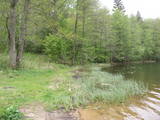 |
Die wichtigste Erscheinung des Waldes von Sasaļi ist der eutrophische See Sasalis, sowie der ungewöhnliche See Melnezers. Von bedeutung sind auch die verschiedenen Waldtypen des Gebietes. Der See Sasalis ist ein beliebter Platz für die Erholung und zum Schwimmen.
|
|
 |
You can produce your own beer stein, candelabra or teacup with your name on it, and it will be fired in the same kiln which the master craftsman uses. He will wait for you to return to the location to pick up what you have designed. You can purchase clay dishware, work with clay, help to open the kiln, take a tour, and listen to stories about pottery traditions in Latgale. |
|
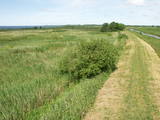 |
Nemunas bildet sich bei der Mündung ins Haff ein einzigartiges Gebiet mit Mooren, alten Flußarmen, Lagunenseen, Flußauen und der Rusnė-Insel, das ein bedeutender Erholungsplatz für Zugvögel ist. Im Frühling stehen große Fläsche unter Wasser. |
|
 |
Birch juice syrup with reverse osmosis is obtained. Technologically impressive view of 1.5 tons of water squeezed out of birch sap per hour. Here, reverse osmosis equipment can press 95% of pure water from birch sap. As a result, the sugar content of the remaining birch sap concentrate reaches 33% Brix. The concentrate is frozen and sold. |
|
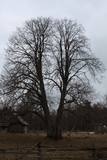 |
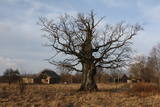
An impressive two-trunk tree at the Nigliņi homestead, this is one of the most impressive trees on the Liv Shore. The Liv language teacher Zoja Sīle was born here. The Medieval Old Cemetery Hill – once used as burial grounds – is nearby. |
|
 |
The owners have made sure that everyone can buy fresh and processed fishery products from local producers. During the summer, on the terrace, you can listen to Mazupīte's water, enjoy freshly grilled fish, as well as enjoy particularly delicious cakes, coffee and ice cream. |
|


