
| Nr | Name | Beschreibung |
|---|---|---|
 |
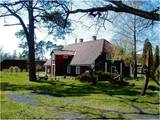
A well-kept farm and garden, rabbits and various poultry - chickens, chicks - can be viewed. |
|
 |
Das Museum (K. Valdemāra Straße 47) wurde 1969 in einem Gebäude der alten Seefahrtschule eröffnet, die auf die Initiative von K. Valdemārs 1864 gegründet wurde. Während der Schulexistenz haben hier mehr als 1000 Kapitäne und Steuermänner auf großer Fahrt Bildung erworben. Die Exposition des Museums macht mit der Tätigkeit der ersten lettischen Seefahrtschule, sowie mit der Geschichte des Baus der Segelschiffe an der Küste von Vidzeme in der zweiten Hälfte des 19. Jahrhunderts – am Anfang des 20. Jahrhunderts bekannt. Im Museumsgarten sind eine Ansammlung von den Ankern und einen Oberteil (renoviert) des seinerzeit abgetragenen Leuchtturmes von Ainaži zu sehen. |
|
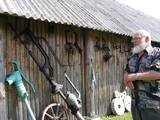 |
At a lovely place in the Gauja National Park in the Vaidava Parish, guests can examine ancient tools, mechanisms and household objects. Guides will talk about how these various items were used. There is a guesthouse for overnight accommodations, and there is room for tents and picnics.
|
|
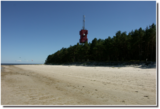 |
Kap Ragaciems – der Vorsprung an der
westlichen Küste der Rigaer Bucht, der mit
einer seichten und steinigen Sandbank
mehrere Hundert Meter weit ins Meer
hineingeht. An der Spitze vom Kap befindet
sich der Leuchtturm von Ragaciems.
|
|
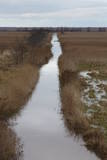 |
Lai nokļūtu līdz šim tornim, ir jāveic apmēram 20 – 30 min ilgs pārgājiens pa dabas taku no Penijē muižas gar Penijegi (Penijõgi) kreiso krastu. Te redzami bebru darbi un to celtās zaru mājas. No torņa paveras skats uz Kazari deltu, kas dabā izpaužas kā monolīts un nepārskatāms niedrājs. To vairākās daļās sadala Kazari un mazāka izmēra upītes. Katrai deltas daļai ir savs vēsturiskais nosaukums: no torņa pa kreisi no Penijegi redzama Lihula meri (Lihulas „jūra”), bet tās labajā pusē - Kloostri meri (Klostri „jūra”). Putnu vērotāji var iziet garāku (7 km) dabas takas loku, kas ved pa palieņu pļavām. Jārēķinās, ka pavasaros būs nepieciešami piemēroti apavi! Pļavas ierobežotās platībās apsaimnieko mājdzīvnieki, tādēļ neaizmirstiet aizvērt vārtiņus aiz sevis un netraucējiet to ikdienas gaitas! No maršruta nav atļauts novirzīties, lai netraucētu putnus. |
|
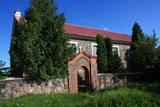 |
Die Kirche befindet sichin dem historischen Zentrum von Subate. Das Gebäude (ohne Turm) ist im Jahr 1831 aus Feldsteinen und aus den Mitteln des Grafen Michael von Plater-Sieberg gebaut worden. Vor dem Gebäude erhebt sich ein eindrucksvoller Glockenturm. In dem Gotteshaus befindet sich die Skulpturengruppe Golgata aus dem 18. Jh., ein Kruzifix und ein bedeutendes Relief am Hauptaltar – eine Holzschnitzerei, die nach den Motiven der bekannten Freske von Leonardo da Vinci Das heilige Abendmahl geschaffen worden ist. |
|
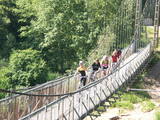 |
Der Gauja Nationalpark, 1973 gegründet, war Lettlands erster Nationalpark und hat eine reiche Tradition an Umweltschutz und Tourismus. In der Tat, der GNP ist einer der beliebtesten Ziele in Lettland. Die wichtigste “Pulsader” des Parks ist das Gauja Urstromtal, das entstand, als die Eiszeitgletscher verschwanden. Das Tal ist 95 km lang, mit vielen Nebenflüssen, zum Teil in tiefen Schluchten mit massiven Sandsteinfelsen aus dem Devon. Der tiefste Abschnitt des Flusstals befindet sich mit 85m Tiefe bei Sigulda. Das Territorium hat eine große Artenvielfalt – mehr als 900 Arten insgesamt. Die Gauja ist Lettlands beliebtester Fluss für Wassertourismus und man kann viele touristische Unterkünfte an seinen Ufern finden. Der Gauja Nationalpark ist einer der in Form von Naturpfaden und Tourismusrouten bestausgebauten geschützten Territorien in Lettland. Naturpfade in Līgatne verlaufen entlang von Wildgehegen – dem größten und komplettesten Objekt dieser Art in den baltischen Staaten. Der Park weist auch Kulturdenkmäler von gesamtbaltischer Bedeutung auf – das Turaida Museums Reservat, die mittelalterliche Altstadt von Cēsis mit seiner berühmten Burgruine und der Johanniskirche, die Wasserburg in Āraiši usw. Besucherzentren gibt es in Sigulda, entlang des Līgatne - Naturpfades und auf dem Zvārtes - Felsen. Die Verwaltung des GNP baut zur Zeit ein neues und modernes Besucherzentrum in Sigulda. |
|
 1 Tag
|
Der Baltische Küstenwanderweg fängt im Zentrum des Dorfs Mazirbe an, wo Sie das Volkshaus der Liven besichtigen können. Über schmale Wald- und Landwege an der ehemaligen Marineschule von Mazirbe vorbei, schlängelt sich der Weg weiter durch kleine küstennahe livische Dörfer: Košrags, Pitrags und dann Saunags. Die livische Küste ist der einzige Ort, an dem Sie sich mit dem kulturhistorischen Erbe von einem der kleinsten Völker der Welt - der Liven vertraut machen können. In diesem Abschnitt sind die Aufschriften auf den Wegweisern sowohl auf Lettisch als auch Livisch gehalten. Am Ende der Route werden Sie das Kap Kolka erreichen, an dem das Großmeer und das Kleinmeer zusammentreffen. Es ist einer der beliebtesten Vogelbeobachtungsplätze an der baltischen Meeresküste. |
|
 |
Der Wirt hat am Hang des Flusses Abuls das erste Mal in Lettland (1996) angefangen, amerikanische Heidelbeere zu züchten. Jetzt grünen hier weite Felder mit diesen Beeren. Verkauf von Beeren und Setzlingen, Führung mit Verkostung und Beratung, Garteneinrichtung und Planung von Grünanpflanzungen. |
|
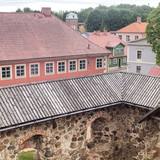 |
Es wird angenommen, dass sich auf dem Hügel Ķezberkalniņš die Burg Lemisele der Liven des Kreises Metsepole befand. Genauso kann man Angaben darüber finden, dass bis zum 16. Jh. aus dem Meer über den Fluss Svētupe und den See Dūņezers bis hier Händler gefahren sind. Im Jahr 1223 hat der Bischof Albert in Limbaži eine gemauerte Burg gebaut. Die Stadt Limbaži wurde wie die Stadt Valmiera zum Mitglied der Hanse. Am Anfang des 16. Jhs. verringerte sich die wirtschaftliche Rolle der Stadt, weil der Fluss Svētupe und der See Dūņezers für die Schifffahrt nicht mehr nutzbar waren. In der Zeit zwischen dem 16. – 18. Jh. haben die Stadt und die Einwohner unter verschiedenen Kriegen, Krankheiten und Bränden gelitten. Im Ergebnis ist die Einwohnerzahl auf acht Menschen gefallen. In der Jahrhundertwende 19.-20. Jh. und am Anfang des 20. Jhs. erneuerte sich hier das wirtschaftliche Leben. |
|
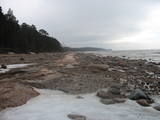 |
Das offene Meer im Westen von Tūja ist ein wichtiges Gebiet zum Schutz der Zwergmöwe während der Frühlingsmigration. Das Territorium befindet sich gegenüber der Regionen Salacgrīva, Limbaži, Saulkrasti und Carnikava. Die Fläche beträgt 58 600 ha.
|
|
 |
Anbau und Verarbeitung von Knoblauch, Laden mit lokalen Produkten. Vortrag über den Wert von Knoblauch für die Gesundheit und seine Verwendung in der Gastronomie. Es werden verschiedene Knoblauchgewürze, Tees, eingelegte Produkte, Snacks und Knoblauchgerichte angeboten. Für Kinder werden Knoblauchmalerei und Knoblauchspiele angeboten. |
|
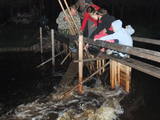 |
Einer der seltenen Orte, wo eine kleine Gruppe (2 bis 3 Personen) sich in einem Fischerboot auf die See begeben und den Küstenfischfang beobachten kann. In Zusammenarbeit mit anderen Fischern wird diese Möglichkeit auch an größeren Gruppen angeboten. Der auf dem Fluss Svētupe gebaute Neunaugen-Fischzaun unterscheidet sich in seinem Aufbau und in der Art des Fischfangs von den Fischzäunen auf dem Fluss Salaca. |
|
 |
Tērvetes vīni ir ģimenes vīna darītava Tērvetē. Ražojam vīnu no pašu audzētām ogām un augļiem – avenēm, āboliem, ķiršiem, ērkšķogām, upenēm, cidonijām un no “īpašā dārzeņa” – rabarbera! 2019. gadā esam uzsākuši arī sava vīnogu dārza veidošanu un plānojam piedāvāt saviem viesiem vīnogu vīnu. Mēs - Dace un Sandris Laizāni, Tērvetes vīnu saimnieki esam kaislīgi “vīna mīļi” un šo mīlestību pret vīnu vēlamies nodot arī mūsu viesiem! Jums piedāvājam vīna darītavas apskati un vīnu degustāciju ar omulīgām sarunām par vīna tapšanu jaukā lauku ainavā Tērvetes upes krastā. Atkarībā no sezonas piedāvājam dažādu augļu un ogu vīnu, dzirkstošo vīnu un brendiju degustāciju. Saimniece Dace arī palutinās Jūs ar nelielām uzkodām - mājās ceptu maizi un pašas sietu sieru. |
|
 11 Tagen
|
Die Tour beginnt in Riga mit ihrem Jugendstilviertel und der Altstadt. Weiter fahren Sie mit dem Zug nach Sigulda. Eine hügelige Straße führt an der Höhle Gūtmaņa ala (Gutmannshöhle) und an den Burgen Turaida und Krimulda vorbei, die sich an den hohen Ufern des Urstromtales von Gauja befinden. Weiter führt die Straße nach Limbazi, die eine typische lettische Provinzstadt ist. Danach erreichen Sie die Küste der Ostsee und die Stadt Salacgriva, die mit ihren Fischereitraditionen und Neunaugen-Fischzäunen bekannt ist. Außerhalb der Stadt kann man seltene Küstenwiesen und Lagunen besichtigen. |
|
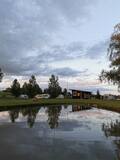 |
Lakeside Sigulda is a quiet camping and recreation area on the territory of Lake Matinu. Offers relaxation, overnight stays near nature and picnic options in a quiet environment. Travelers with campers, caravans, as well as those staying in tents can stay overnight in the camping area. In addition, a well-equipped glamping tent for 2 people has also been created. Showers, toilets, outdoor kitchen, picnic areas, grills, internet and electricity connection are available for camping guests. SUP boards are available for active recreation. |
|
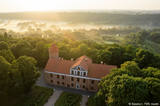 |
Das Schloss (mitunter auch Burg) Raudondvaris steht am rechten Ufer des Nevėžis in Raudondvaris. Das Schloss bildet zusammen mit dem 3,8 ha großen Park, den beiden Gesindehäusern, dem Marstall und dem Eiskeller ein einheitliches architektonisches Ensemble. Neben dem Schloss wurde 1834 der Schlosspark angelegt, rekonstruiert im 20. Jh. Auf dem Gelände des Parks wurden die Grünanlagen und die Blumenrabatten erneuert. Besonders ragen die in den Park zurückgeführten alten Rosensorten hervor. Der nördliche Rand des Parks geht allmählich in Wald über. Hier wachsen Rotahorn, Weymouthskiefer, Krim-Linde und im Frühling erblüht Edelweiß. Einige Pfade des Parks führen zum Landschaftsschutzgebiet Nevėžis. |
|
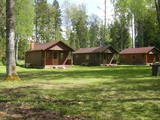 |
The campsite is located on the 139th kilometer of the Riga-Ventspils highway, on the shore of Lake Tīrukšezers. Offers 3 comfortable cottages with WC and shower. TV and fireplace in common areas. Bar, tent places, boat rental, fishing opportunities, swimming place, picnic places. Children's playground and sports field. Possibility to order meals. Rooms for celebrations (20 persons). Table setting for celebrations, business events throughout the year. |
|
 |
В давние времена проспект Курмаяс был главной дорогой, ведущей на пляж. Вдоль проспекта стоят роскошные дома и виллы рубежа XIX – XX века, принадлежащие аристократам – обожателям моря и побережья. Здесь установлены отлитые в бронзе скульптуры из гимна Лиепаи «Город, в котором рождается ветер» - «Лодочник», «Янтарные латыши», «Ворона» и др. В конце проспекта возвышается памятник погибшим морякам и рыбакам (установлен в 1977 г.). Он символизирует женщину, которая ждет возвращения домой своего мужчины. На проспекте Курмаяс 16/18 находится Лиепайский историко-художественный музей. Музейный фонд (всего более 100 000 экспонатов)разместился в построенном в 1901 году в стиле эклектизма (с элементами готики) доме, который строился по эскизам берлинского архитектора Эрнеста фон Ине и проекту П. М. Берчи. В экспозиции представлена каменная стела – единственная подобного рода находка в странах Балтии с могильника под Гробиней (могильник Скандинавов). |
|
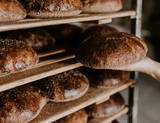 |
Die Bäckerei von N. Bomis SIA „Lielezers" ist ein Unternehmen des Einzelinhabers Normunds Bomis, gegründet im Jahr 1991, 3 km von Limbaži entfernt. In der Bäckerei wird gesüßtes Roggenbrot von Hand gebacken, das gebrühte Mehr wird 24 Stunden in Backtrogen aus Espenholz mit Sauerteig reifen gelassen. Das gesüßte Roggenbrot ist im EU–Lebensmittelqualitätssystem als Produkt mit garantierten traditionellen Spezialitäten registriert. Das Brotbacken wird von den erfahrenen Bäckern Lāsma Bome und Valters Kanopa geleitet. |
|


