Nature objects in Lithuania
Was ist das Besondere an der Natur in Litauen?
Die Kurische Nehrung - ein sandiger, wüstenartiger Landstrich zwischen dem Ostseesee und dem Kurischen Einlass, die hügeligen Landschaften der Region Samogitia, die blauen Spiegellabyrinthe der Seen in der Region Aukštaitija, die Kiefernwälder in der Region Dzukija, Die Kurven des Nemuna-Flusstals und die vielen regionalen Naturparks, die nicht nur zum Schutz der Natur, sondern auch zur Erholung und zum Interesse der Menschen geschaffen wurden - dies sind die Naturwerte, die Gäste Litauens anziehen.
Handle verantwortungsbewusst - folge dem Grünen Rat!
| Overview | Details |
|---|---|
 |
Lithuania
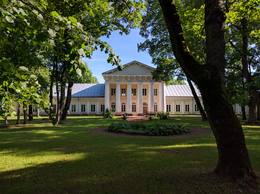
The Salu Estate parkLocated on an island in Lake Dviragio, the Salu Estate and its park, when viewed from above, are reminiscent of the boundaries of Lithuania. The park to the east of the estate is a mixed-type park and is one of the oldest ones in Lithuania. Back in the day, it was a forest park where trees were never cut down. The park featured maple, linden, elm, aspen and other local trees, and they are now around 200 years old. A winding path links the alley to a park trail by the lake. The various plants and fragments of alleys have survived to the present day.  1-12 


Services
1-12 Active season monthsServices - other
Accepts tourist groups
Accepts individual travellers
This destination has specific opening hours which you must determine in advance
Must register in advance |
 |
Lithuania
The Kursiu Dune (Kursių nerija)In terms of territory, it is the most impressive dune range in the Baltics. This is the only place in the Baltics, where one can enjoy open dune sands that are still active and, under the influence of wind, form the so-called eolian relief forms. There are trails, wooded trails and a paved bikeway for the conveniences of visitors. In order to protect the dune, The Dunes of Curonian spit National Park has been established .  340 Services
340km - Distance from countries capital city |
 |
Lithuania
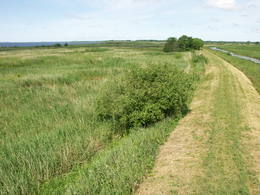
The Nemuna Delta Regional ParkThe Nemuna River divides up into two large streams at its estuary at Kuršių Marios, and this has established the Rusnė Island. This is a unique environmental territory with wetlands, streams, ancient rivers, lagoon lakes and flood plains which are important places for birds to nest and rest during migration season. Vast tracts of this territory are flooded each spring. The park includes the territory to the N and W of Rusne (lagoons, swamps, fishing ponds, Kuršių Marios).
Services
330km - Distance from countries capital cityServices - recreational
Bicycle trailBike the route Rusne-Pakalne-Uostadvaris-Rusne (20 km). 
Nature trailHike the Aukštumalos swamp information trail (1.7 km). 
Nature watchingBird watching on Rusnė Island, as well as at Ventės ragas (Cape Venta), where there is a bird ringing station. There is a viewing tower on the NW end of Rusnė Island, with a visitors centre in the village of Rusne. For more information: www.nemunodelta.lt (available in English). |
.JPG?size=260) |
Lithuania
The Trakai Historical National ParkThis park was established mostly to protect a wide range of cultural and historical objects such as the Trakai lake castle, the ancient Trakai cloister, the Užutrakai castle, the Bražole castle hill, the heritage of ancient local tribes, etc.
Services
28km - Distance from countries capital cityServices - recreational
Boat tourTake a one-day boat ride on the Totoriškių, Galvė, Skaistis and Luka lakes.
Bicycle trailBike the route Trakai-Totoriškės-Raudonė I-Kariotiškės-Rubežius-Trakai (25 km).
Nature trailHike the Varnikai information trail (3.5 km).
Nature watchingViews from the northern part of Lake Galvė. There’s a visitor centre in Trakai. For more information: www.seniejitrakai.lt (available in English). |
 |
Lithuania
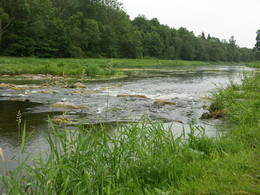
The Dubysa Regional ParkThis park was set up to protect the lovely ancient valley of the Dubysa River. This is one of the most popular rivers for water tourism in Lithuania, because it has a significant drop with rapids and beautiful shorelines.
ServicesServices - recreational
Boat tourA one-day boat trip from the Raseiniai-Baisogala road bridge to the Ariogala bridge. For more information: www.dubysa.info (very little information available in English). |
 |
Lithuania
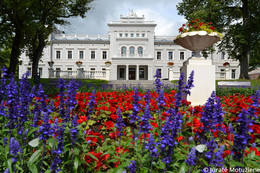
The Plunge Estate parkThe Plunge Estate is famous because its park, which is a mixed-type park that was established during the 18th and 19th century at a holy forest that used to be a sacrificial place. The pride and joy of the park is the Thunder oak tree, a legendary weeping linden tree and an elm tree with five trunks. The lord of the state ordered the digging of seven ponds with cascades. These are linked by rock bridge sluices. The Babrungo River, which flows alongside the estate offers an outstanding landscape for the park. 1-12
Services
1-12 Active season monthsServices - other
Accepts individual travellers
Accepts tourist groups
This destination has specific opening hours which you must determine in advance |
 |
Lithuania
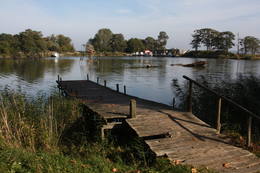
Bernsteinhaff1855, als einen Schiffahrtsweg getieft wurde, wurde im Haff unerwartet eine Bernsteinablagerung gefundet. In der Zeit zwischen 1860 und 1890 wurde dort 2250 Tonen Bernstein gewonnen, einbezogen einzigartige Bernsteingegenstände aus der Jungsteinzeit und der Bronsezeit. 319
Services
319km - Distance from countries capital city |
 |
Lithuania
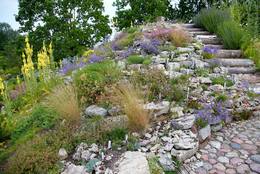
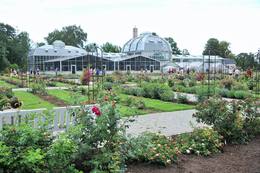
Vilnius University Siauliai Academy Botanical GardenThe botanic garden is part of the Siauliai University and is the newest and smallest botanical garden in Lithuania, covering 6.54 ha of land.  3-10 Services
3-10 Active season monthsServices - other
Accepts tourist groups
Accepts individual travellers
This destination has specific opening hours which you must determine in advance
Must register in advance |
 |
Lithuania
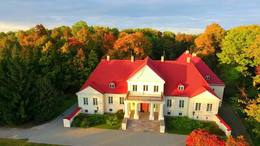
The Joniskelis Estate parkThe Jakiškiu Estate was first mentioned in documents in the late 16th century. The estate had elements of Classicism in terms of its architecture. Among the buildings, the only ones that have survived are the mansion, an ice cellar and a steam-driven windmill. The estate has not been restored, so it is still authentic. Its artistic soul is preserved by various objects that remain from the time when people lived at the estate and from the Soviet era. Alongside the estate are a few fragments of a park, which covers approximately 2 ha. There is an ancient alley of linden trees that are on both sides of the entrance road, as well as several other valuable types of trees and a small pond. 1-12
Services
1-12 Active season monthsServices - other
Accepts tourist groups
Accepts individual travellers
This destination has specific opening hours which you must determine in advance |
 |
Lithuania
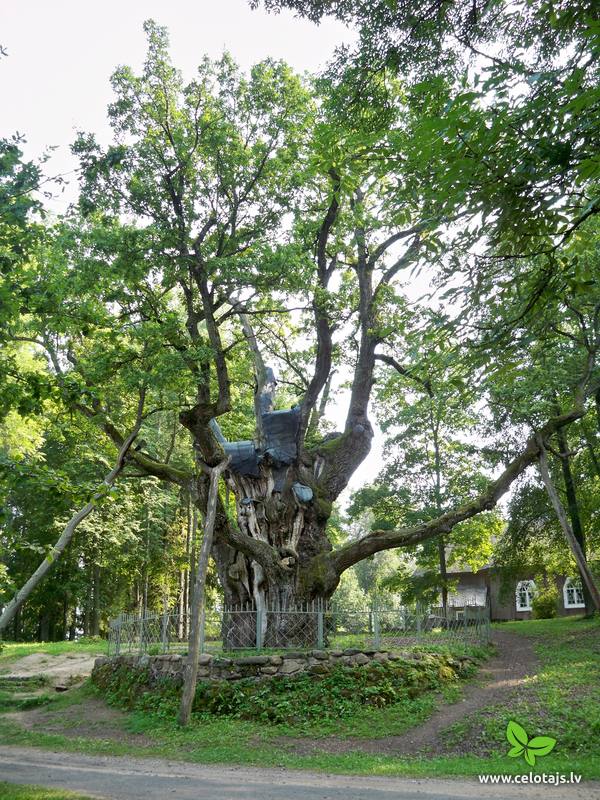
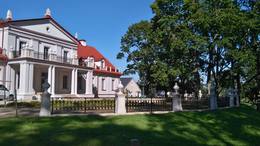
The Ilzenbergo Estate parkThis mixed-type park dates back to the latter half of the 19th century and has remained all but unchanged. It is in a lovely place between two lakes, and its spatial structure was preserved when it was restored. The park covers 10 ha and has two parts. One is a fairly precisely rectangular territory alongside the state, surrounded by a stand of linden trees and introduced trees. The other part has a natural forest. The largest oak tree in the park has been declared to be a protected element of natural heritage. The mighty trunk of the tree is 6.3 m around, has a 2m diameter and stands 30.5 m high. 1-12


Services
1-12 Active season monthsServices - amenities
Accommodation availableServices - other
Accepts tourist groups
Accepts individual travellers
This destination has specific opening hours which you must determine in advance
Optional meals |
 |
Lithuania
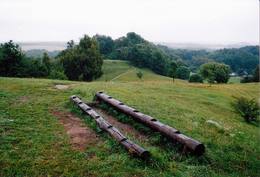
The Vytautas the Great University's Kaunas Botanical GardenThis botanical garden was opened in 1923 as a scholarly centre. The garden covers more than 60 hectares, and approximately 30 ha are open to the public.
4-10

Services
4-10 Active season monthsServices - amenities
No pets allowedServices - other
Accepts tourist groups
Accepts individual travellers
This destination has specific opening hours which you must determine in advance
Must register in advance |
 |
Lithuania
The Varniai Regional ParkIn the central part of the Žemaitija Highland, this park was established to protect local landscapes. Lithuania’s highest hillocks are found here – Mėdvegalis (235 m above sea level) and Šatrija (229 m). There are also other hillocks which offer a great view of the area – make up your own tour here.
ServicesServices - recreational
Nature trailHike the Debesnos botany trail (2 km).
Nature watchingViews from the Mėdvegalis, Šatrija, Moteraitis and Bilioniai castle hills. There’s a visitor centre at Varniai. For more information: www.varniai.lt (only in Lithuanian). |
 |
Lithuania
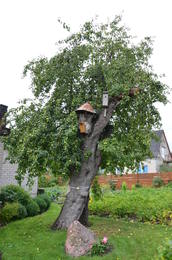
Oldest apple tree in LithuaniaThe oldest apple tree in Lithuania is a forest apple tree and is part of the country's botanical heritage and the only protected apple tree in Lithuania.
|
 |
Lithuania
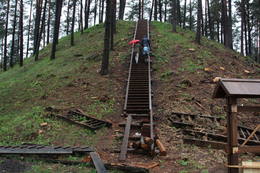
Ginucu pilskalns (Ginucių piliakalnis)Viens no lielākajiem Augštaitijas pilskalniem, kas 2011. g. pēc vērienīgiem rekonstrukcijas darbiem ir izzināms jaunā kvalitātē - gan no infrastruktūras, gan arī ainaviskā viedokļa, jo iepriekš biezais pamežs (tagad retināts) traucēja uztvert iespaidīgo objektu. Arī no pilskalna plakuma paveras labs skats uz diviem blakus esošajiem ezeriem. Tā virsotnē apskatāms piemiņas akmens, kas vēsta par pirmā Lietuvas valsts prezidenta Antana Smetona (Antanas Smetona) apmeklējumu 1934. g. viņa 60 gadu jubilejā. Pilskalns it ticis apdzīvots jau I tūkstošgadē pirms Kristus. Uzskata, ka 14. – 15. gs. te atradusies hronikās aprakstītā Linkmenu pils. Jaunizveidotā taka pilskalnu savieno ar vēl vienu populāru apskates objektu – Ladakalni. 122
Services
122km - Distance from countries capital city |
 |
Lithuania
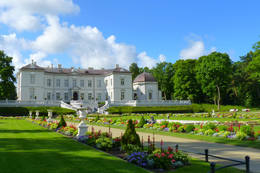
The Palanga Botanical GardenThe Palanga Botanical Garden surrounds the Palanga Amber Museum and is one of Lithuania's most beautiful and well-kept parks. It is in the area of the St Birute Forest, and it is familiarly known as the Birute Park. The park covers 101.3 ha of land, and offers a wide variety of landscapes, carefully organised trails, flowerbeds, two ponds and small architectural elements. 1-12
Services
1-12 Active season monthsServices - other
Accepts individual travellers
Accepts tourist groups
This destination has specific opening hours which you must determine in advance |
 |
Lithuania
The Aukstadvaris Regional ParkThis territory in the northern part of the Dzūkija Highlands with lots of hillocks and lakes. The most interesting tourist destination is Velnio duobė (Devil’s Flowerbed) – a funnel-shaped hole that is up to 40 m deep and 200 m wide and is thought to have originated during the Ice Age.
Services
56km - Distance from countries capital cityServices - recreational
Nature trailVelnio duobė is the most interesting geological formation of its type in the Baltic States – hike to it.
Nature watchingViews from the Aukštadvaris castle hill. For more information: www.aukstadvaris.lt/parkas.htm (only in Lithuanian). |
 |
Lithuania
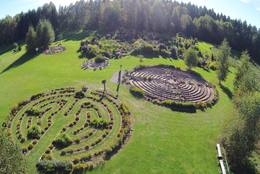
The Energetic Labyrinth and Geometric Figure ParkThis park has five labyrinths with decorative plants, flowers and various kinds of medicinal plants. The longest path in the labyrinth is 1.7 km long. The total distance of the paths is 4.5 km. The park has three geometric figures -- a cupola, a mandala and a Merkabah. 1-12

Services
1-12 Active season monthsServices - other
Accepts individual travellers
Accepts tourist groups
This destination has specific opening hours which you must determine in advance
Pre-order required
Optional meals |
 |
Lithuania
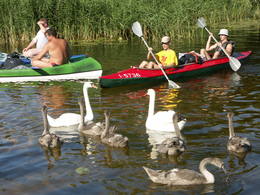
The Venta Regional ParkThe park was established to protect the Venta River valley and the landscapes that are around its tributaries. On the west bank of the Venta, at Papilė, there is a cliff from the Jurassic period which is unique in the Baltic States, has been known since 1925, and has layers in which more than 300 forms of life have been identified over the course of time.
ServicesServices - recreational
Boat tourTake a 1-2 day boat ride down the Venta, from Papilė to Mažeikiai.
Nature trailHike to the cliff.
Nature watchingViews form the Papilė castle hill and a viewing tower. For more information: www.ventosparkas.lt (available in English). |
 |
Lithuania
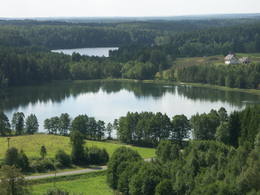
The Aukstaitija National ParkThis was the first national park in Lithuania, and it is in the northern part of the Aukštaitija Higland, where hillocks interweave with lots of little lakes and ethnographic villages. Many of the lakes are connected with streams, forming long chains of lakes that are perfect for water tourists.
Services
124km - Distance from countries capital cityServices - recreational
Boat tourSpend one or two days boating along the lakes of the national park (Palūšė-Ginunčiai, Palūšė-Kaltanėnai, etc.).
Bicycle trailBike the route Ignalina-Palūšė-Antalksnė-Ginučiai-Stripeikiai-Trainiškis-Ignalina (45 km).
Nature trailHike the Palūšė botany trail (3.5 km).
Nature watchingA bird-watching tower at Reškutėnai, views from Ladakalnis Hill. There’s a visitor centre at Palūšė. For more information: www.anp.lt (available in English). |
 |
Lithuania
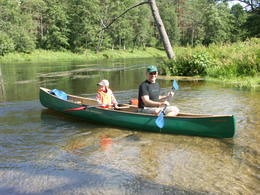
The Labanoras Regional ParkThis territory is rich with forestland and lakes (some 285 in all). There are extensive opportunities for active recreation or calm leisure.
Services
82km - Distance from countries capital cityServices - recreational
Boat tourTake a one or two-day boat ride through the park’s lakes and streams.
Nature trailHike the Peršokšnai information trail (4 km).
Nature watchingThere’s a viewing tower at the Ethno-Cosmology Museum. A visitor centre is found in the village of Labanora. For more information: www.labanoroparkas.lt (only in Lithuanian). |
 |
Lithuania
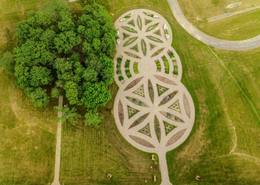
Ula (Ula) un Merke (Merkys)Ūla ir viena no skaistākajām un likumsakarīgi – arī populārākajām Lietuvas ūdenstūristu upēm. Tās galvenā pievilcība ir skaistā ainava ar augstajiem upes krastiem, kuros slejas iespaidīgas smilšu kraujas līdzīgi kā Irbes krastos Latvijā. Laivošanu var sākt no Mančagires (Mančiagirė) vai Zervinos ciemiem un turpināt līdz Ūlas ietekai Merķē un tālāk pa Merķi līdz pat Merķinei un Nemunai. Ūla nav plata, taču posmā no Zervinos ciema tajā nav neviena koku aizgāzuma vai cita šķēršļa, kuram laiva būtu jānes apkārt. Ašā straume, asie līkumi, dzidrais ūdens un tajā redzamā zemūdens pasaule rada patiesi patīkamu sajūtu! Upes krastos atrodas gan publiskas (apsaimnieko Lietuvas valsts meži), gan privātas ūdenstūristu apmetnes un atpūtas vietas. Šī ir vienīgā Baltijas upe, kur ūdenstūristiem ir jāpērk licence. Ūlas krastos atrodas divi interesanti apskates objekti – Ūlas atsegums (Ūlos atodanga) un spēcīgs avots – Ūlas acs (Ūlos akis). Savukārt, Merķe jau ir jau krietni platāka upe, taču ar acīm redzamu straumi un dažviet pat jaukām straujtecēm. Kaut arī Merķes krasti ir mazapdzīvoti, tajos atradīsim piemērotas nakšņošanas vietas. Pa Ūlu un Merķi no Zervinos līdz Merķinei sanāk „mierīgs” pusotras - divas dienas ilgs brauciens. |
 |
Lithuania
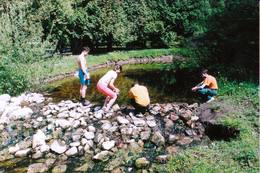
The Baltu Plant MuseumThis museum was established in 2014 in partnership with the Siauliai University botanical garden. The museum is 85 m long and 40 m wide on a territory that covers 0.34 ha.
5-9
Services
5-9 Active season monthsServices - other
Accepts individual travellers
Accepts tourist groups
This destination has specific opening hours which you must determine in advance
Must register in advance |
 |
Lithuania
The Birzai Regional ParkThis is one of the most outstanding areas in the entire Baltic States with active underground waterways which still, to this very day, dissolve local gypsum rock. Parts of the area collapse regularly, and there are legends about all of this. Underwater rivers, streams, the so-called Karvės (Cow) cave, etc., can be seen in the area.
ServicesServices - recreational
Nature trailHike along the Smardones šaltiniai stream, with a walking bridge across Lake Širvėnos (500 m). Hike other trails around the little lakes in the area. There’s a visitor centre in Biržai. For more information: www.birzuparkas.lt (available in English). |
 |
Lithuania
The Dzukija National ParkThis territory is Lithuania’s most forested area, and people here have always lived in accordance with nature. Local treasures include berries, mushrooms, honey, clean water from streams and rivers, etc. People here have engaged in various crafts, as well as in beekeeping.
Services
110km - Distance from countries capital cityServices - recreational
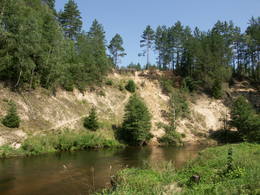
Boat tourTake a one or two-day boat ride down the Ūla River (you will need a permit, which can be obtained at the visitor centre in Marcinkonys). Boat to the Merkys River and then down the Merkys River to Merkinė.
Bicycle trailBike the route Marcinkonys-Puvočiai-Mardasavas-Mančiagirė (or Zerviynos)-Marcinkonys (up to 40 km).
Nature watchingViews in the Džukija forests. Views from the Ūla cliff and the Liškiava and Merkinė castle hills. There are visitor centres in Marcinkonys and Merkinė. For more information: www.dzukijosparkas.lt (available in English). |
 |
Lithuania
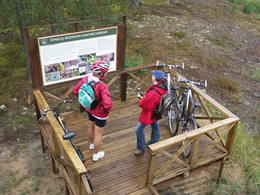
The Cepkelių Nature ParkThis is Lithuania’s largest mossy swamp, and the Čepkeliu Nature Reserve was established to protect it. Before visiting the swamp, you must register at the Dzūkijos National Park’s visitor centre (Marcinkonys, Šilagėlių gatve 11). PakalpojumiPakalpojumi - atpūta
Dabas takaNo Marcinkonys (apmeklējams rezervāta muzejs) pa smilšainu meža ceļu (~ 5 km) var nokļūt līdz purva R malai, kur augstas kāpas galā uzcelts skatu tornis , no kura pārskatāma plaša teritorija. Turpat izejama 1,5 km gara taka ar skatu platformu purvā. Informācija: www.cepkeliai.lt. |
 |
Lietuva
Žagares muižas parksŽagares muižas parks – viens no krāšņākajiem un arhitektūras ziņā interesantākajiem parkiem Lietuvā. Muižas parks 1898. – 1900. gadā rekonstruēts un paplašināts pēc ievērojamā dendrologa G.F.Kuphalda projekta. Parkā iestādīti vairāk kā 200 šķirņu stādu. Vairāk kā 100 no tiem aug vēl joprojām. Parkā līdz šim saglabājušies dažādi ceļi, takas, par kurām staigājot var izjust parka varenību un skaistumu. Parkā izveidota dendroloģiska taka, kurā atzīmēta un piedāvāta informācija par 15 retiem kokiem. 1-12
Pakalpojumi
1-12 Aktīvie sezonas mēnešiPakalpojumi - citi
Pieņem individuālus apmeklētājus
Pieņem tūristu grupas
Vieta ar konkrētu darba laiku, kas jānoskaidro iepriekš |
 |
Lietuva
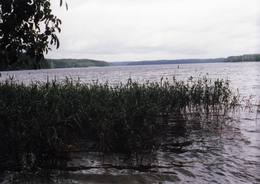
Tauragns (Tauragnas)Ap 9,5 km garais un līdz kilometru platais ezers atrodas subglaciālā – t.i. ledāja veidotā vagā, tādēļ tas ir ne tikai Lietuvas, bet arī otrs Baltijas dziļākais ezers (pēc dažādiem avotiem 60,5 m vai 62,5 m). Tauragna dienvidu krastā paceļas Taurapils pilskalns (Taurapilio piliakalnis). Saglabājušies nostāsti gan par pagānu priesteri, kas te dzīvojis, gan nogrimušu baznīcu, gan laikiem, kad pilskalnu no visām pusēm apņēmis ūdens. No pilskalna plakuma paveras visaptverošs skats uz Tauragnu. 117
Pakalpojumi
117km - Attālums no valsts galvaspilsētas |
 |
Lietuva
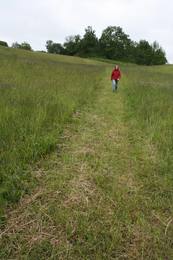
Šarneles (Zviedru) pilskalns (Šarnelės (Švedų) piliakalnis)Viens no iespaidīgākajiem nacionālā parka pilskalniem, kura piekājē atradusies senpilsēta. Arheoloģisko izrakumu gaitā te atrastas kuršu senlietas. Tiesa, mežs un biezais augājs traucē uztvert šī nozīmīgā arheoloģijas pieminekļa patiesos apjomus un formu. Uz pilskalnu vasarās ved izpļauta taka. Ja esat Žemaišu Kalvarijas pusē un atliek brīvs brīdis, tad savā maršrutā var iekļaut arī šo apskates objektu. 317
Pakalpojumi
317km - Attālums no valsts galvaspilsētas |
 |
Lietuva
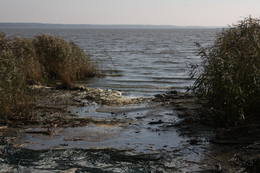
Kuršu joma (Kuršių marios) jeb Kuršu līcisNepilnus 100 km garš un līdz 36 km plats saldūdens līcis, kas ziemeļos (starp Klaipēdas ostu un Kopgali) ir savienots ar Baltijas jūru. No Baltijas jūras to atdala iespaidīgā Kuršu kāpu strēle. Kuršu jomā ietek lielākā Lietuvas upe – Nemuna. Kuršu jomas krasti ir g.k. apauguši ar niedrēm, daudzviet purvaini un pat grūti pieejami. Jau kopš seniem laikiem Kuršu joma ir bijusi ļoti nozīmīga vietējo cilvēku ikdienas nodarbes – zivju zvejas vieta. Kuršu joma un tās skaistās ainavas ir daudzviet vērojamas gan no Kuršu kāpu ciemiem, gan arī augstāko kāpu virsotnēm. Kuršu jomu ar prāmi šķērso ikviens, kas no Lietuvas (Krievijas pusē Kuršu strēle ir savienota ar Kaļiņingradas (kādreiz – Sembijas) pussalu) dodas uz Kuršu kāpām. 310
Pakalpojumi
310km - Attālums no valsts galvaspilsētas |
 |
Lietuva
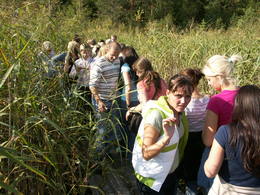
Botānikas takaKaut arī Augštaitijas nacionālo parku uzskata par floristiskā ziņā ļoti bagātu teritoriju, šī ir vienīgā vieta, kur varam iepazīt augu valsts bagātību. To īstenot palīdz takas malās izvietotie informācijas stendi. 3,8 km garās lokveida takas sākums ir meklējams Palūšē, Lūšu (Lūšiai) ezera galējā austrumu punktā. Taka ved gar ezera krastu, mežainām kāpām, nelielu strautu ielejām un pa purvāju. Nenomaldīties palīdz krāsu marķējums uz koku stumbriem. 113
Pakalpojumi
113km - Attālums no valsts galvaspilsētas |