
| Нo | Название | Описание |
|---|---|---|
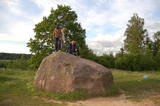 |
The rock is not too big (2.1 m high, 15 m in circumference), but since the early 20th century it has been a popular tourist destination. There is a lovely view of the
|
|
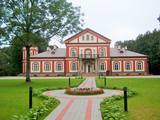 |
Усадебный комплекс Аланта находится в деревне Науясодис: здесь стоит дворец в стиле неоклассицизма, парк XIX в. (вязы, липы, березы, дубы, черемуха), надворные постройки. В парке вокруг дворца, напоминающего итальянскую виллу своими неороманскими чертами, проложены аллеи, вырыты три пруда неправильной формы. Деревья по краям аллей высаживались таким образом, чтобы со временем их стволы соединились и сформировали целостный величественный букет. Кроме местных деревьев, здесь произрастает и немало экзотических растений. На окраине парка построены ажурные беседки, высится белый, чуть сужающийся кверху обелиск, чуть ближе к зданию дворца стоят скульптуры Венеры и Юпитера из белого мрамора. |
|
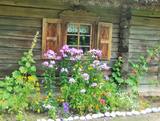 |
Музей основан в 1974 г. Это один из самых крупных (194 га) европейских этнографических музеев под открытым небом с самым большим числом экспонатов (91420). Экспозиция состоит из отдельных хуторов, усадеб, деревень и поселка, где демонстрируется древняя архитектура, культура, быт, садовые, огородные и цветочные культуры различных этнографических регионов Литвы. |
|
 |
Кафе Roomassaare находится неподалеку от Курессааре ‒ отсюда открывается живописный вид на яхтенную пристань Roomassaare. В летний сезон в кафе преимущественно готовят блюда из местных продуктов, предлагая и жителям острова, и туристам простое и чистое сочетание местных вкусов. Без рыбы не обойтись! |
|
 1 день
|
This section of the Baltic Coastal Hiking Route is a comparatively short hike across a beautiful sandy beach, the coastal side of which is bounded by brightly colored pine forests with spectacular dunes and dams of dunes. To get from the beach to Carnikava, the Baltic Coastal Hiking Route will take you through a forest via a promenade. Then it takes a stroll around the Old Gauja River via a levee and reaches the pedestrian bridge over the Gauja River. Both as you start and end the hike, it is nice to sit in one of the pubs and summer cafés located on Vecāķi beach and in Carnikava. |
|
 |
The farm on the banks of the River Navesti is Estonia's largest company engaged in the cultivation and processing of organic medicinal herbs. The farm has an education and health path of medicinal herbs, open from May to September. The Energy Eco-Spa offers holiday, conference and accommodation services with a sauna. Spa experience is with local, ecologically grown herbs together with clay, peat and natural plant oils. Baths, wraps and massages help the body to function naturally and holistically. All the products are natural and fresh and are prepared just for you immediately before the treatment. Farm has a tea house completed in 2010 which is suitable for holding seminars, relaxing and in the summertime also for having meals. Herb presentations are held there - first on the field and then in the tea house. There is also a 13-metre viewing tower by the river from which you can get a good overview of the lands of the farm. |
|
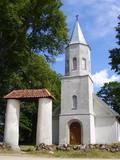 |
Ренда – это древнее населенное место, упомянутое в исторических источниках уже в 1230-м году. В 13-м веке Ренда была одним из центров древнего куршского государства – Ванема. После раздела Курсы в 1235-м году Рендский край стал собственностью немецкого ордена и жители Ренды были вынуждены принимать участие в военных походах ордена. Во времена Курземского герцогства (1562 – 1795) несмотря на войны, чуму и другие ненастья, край процветал, особенно во времена правления герцога Екаба (1642 – 1682). В 17-м веке Ренда стала развитым центром мануфактуры, в котором развивалась деревообработка, действовали известкообжигательные печи, водяная мельница, льнопрядильная фабрика, стекольный завод, селитряный завод и мыловарня. Здесь производили вино, парфюмерные изделия, изготавливали бочки, лили чугун, делали гвозди и многое другое. Кисловатое вино, произведенное в Ренде, с наслаждением пили в Елгавском дворце. Этот дворец был разрушен во время Северной войны (1700 – 1721). На месте сгоревшего в 19-м веке Рендского замка был построен завод по производству химических веществ, действовала одна из самых больших в Курземе кожевенных мануфактур и производство скипидара. Параллельно с этим начала развиваться и культурная жизнь. Жителей Ренды не пощадили обе мировые войны 20-го века и начавшиеся позже репрессии. В результате был образован т.н. батальон «Курелиеши» – лесные братья, которые боролись против советской власти. Сегодня Ренда это маленький и тихий поселок, в котором можно осмотреть поместье Лиелрендас, Рендскую церковь, Рендскуя Чертову лодку у Абавы и водопады на реке Иванде. |
|
 |
Одно из крупнейших в Курземе хозяйств мясо-молочного животноводства (стадо ~ 500 голов). В вольерах выращивают и большую часть из встречающихся в Латвии домашних птиц. Предлагается познавательная экскурсия, можно приобрести мясо животных, молоко и яйца. |
|
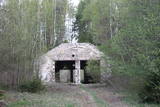 |
В трудно доступном месте в Бартских лесах расположена Планциемская ракетная база – особый военный объект бывшего СССР. Объекты базы снесены с целью получения строительных материалов.
|
|
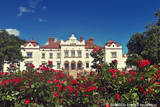 |
Рокишкский краевой музей и усадьба представляют собой один из важнейших культурных центров Аукштайтии. Величественность дворца подчеркивается парком и прудами. |
|
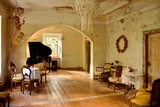 |
Iespējams apskatīt Kroņvircavas muižas kompleksu, kas bija pēdējā Kurzemes un Zemgales hercoga Pētera Bīrona lauku īpašums ar pili. To pēc hercoga pasūtījuma 1776. - 1785. gadā būvēja galma arhitekts Severīns Jensens. No hercoga pils līdz mūsdienām saglabājies vienīgi ziemeļaustrumu korpuss un virtuve kā atsevišķa ēka. Vispilnīgāk no muižas kompleksa ēkām saglabājušās Kavalieru māja, Pārvaldnieka māja, kurā tagad vietu radis projekts “Muižas istabas”, klēts-magazīna, stallis. Kroņvircavas muižas apbūve ir Valsts aizsardzības objekts. Pili ieskāva liels baroka stila parks ar ūdens parteru, kas kā muižas dārzs sākts ierīkot 1693. gadā. Šobrīd “Muižas istabās” saimnieko ģimene, kas vēlas saglabāt autentiskās mājas vērtības, iedzīvināt džezu uz “Muižas istabu” improvizētās skatuves, izstādīt mākslinieku darbus un svinēt svētkus. Aicinām apmeklēt vēsturiskā un kultūras mantojuma interesentus dzīvās mūzikas pavadījumā atklāt Vircavas bagāto vēsturi, ģimenes piedzīvojumus ar 250 gadīgo namu un sajust īpašo atmosfēru, ko novērtējuši daudzi mūsu apmeklētāji. |
|
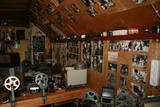 |
Находится в Букупе (Салдусский край, Зирньская волость) в сельской усадьбе «Зики». Можно осмотреть коллекцию кино и фото экспонатов, собранную хозяином усадьбы Андрисом Бушинскисом. Коллекция включает старинные устройства для создания фильмов и предметы, демонстрирующие процесс фотографирования и киносъемки. Экспозиция размещена в бревенчатой постройке в виде пчелиных сот, построенной хозяином. |
|
 1 день
|
The Forest Trail leads through smaller paths, arching around Vangaži Lutheran Church and the Werewolf Pine. On its way to the Hunting Palace, it passes the garden created by opera singer Anna Ludiņa and then follows the Hunting trail. The first side ravines with the pronounced relief of the ancient valley of the River Gauja can be seen here. One of them is located by Inčukalns Velnala (Devil’s Cave), surrounded by small river channels of the old Gauja. From there, the Forest Trail continues through meadows and crosses the Murjāņi–Valmiera motorway, where the recreation park “Rāmkalni” is located. In this park, there is a café, shop and active leisure centre with a sledge track. On this route you will mainly see pine forests of various ages, as well as the botanical plantation with 80 tree and 120 shrub species. By the end of the section, the landscape features sandstone outcrops – Devonian sedimentary rocks and habitats protected in Latvia. |
|
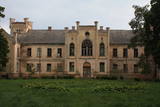 |
A very impressive ensemble that is in terrible shape. The estate dates back to the 18th and 19th century, with the castle being built in the early 19th century. Half a century later it was rebuilt in the Neo-Gothic style with symmetrical towers and bricks in the cornices. The estate belonged to the Manteufel-Stzege dynasty. The vestibule, stairwell and second floor hall still have ornamental ceiling paintings, but visitors are not allowed to enter the building, so they cannot be seen. Valuable interior design elements include a fireplace from the early 19th century that is decorated with marble elements. After the expropriation of the castle in 1920 and until 1951, the building housed a forestry school and then an agricultural crafts school. Opposite the castle was the stable of the state that was built in the style of Classicism with a pediment and mighty columns. Built in the early 19th century, the stable is no longer used and can only be viewed from the outside. A very much overgrown park surrounds the complex, and the hillock is the grave of one of the baron’s dogs.
|
|
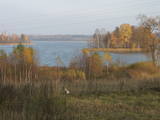 |
Ārkārtīgi ainaviska teritorija Augšzemes augstienes centrālajā daļā ar vairākiem ezeriem - Medumu, Lielo un Mazo Ilgas, Šķirsteņu un dažām mazākām ūdenstilpēm. Medumu ezera salām ir dabas lieguma statuss. Teritoriju šķērso vairāki grantēti ceļi, no kuriem dažviet paveras brīnišķīgas, bet nelabiekārtotas skatu vietas. Teritorijā atrodas Medumu katoļu baznīca. Piemērota teritorija dažādu aktīvā tūrisma veidu attīstībai. Dabas parks ietilpst Augšzemes aizsargājamo ainavu apvidū. |
|
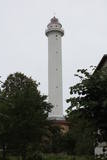 |
Данный маяк (построен в 1957 г.) является самым высоким в Латвии – 58 м. Можно осмотреть только снаружи. |
|
 |
An afforested island in the Gulf of Finland, approximately 14 km to the North of Tallinn. There is a network of small roads and trails on the island. Forests: Mostly 1.1, 1.2 and 4.2. Information: www.aegna.ee. A ferry boat to the island departs from the port at Pirita. Hike around the shore of the island, where you will find all kinds of environments – dunes, sandy areas, rocky areas and places with lots of reeds (~9 km). |
|
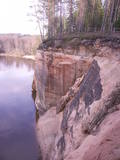 |
These sandstone cliffs were once known as the Pieškalni or Pieškaļi cliffs. They are around 7 km to the North from the centre of Cēsis. These are the most monolithic sandstone cliffs in the Baltic States – around 700 m long (with some 330 m along the Gauja River) and a maximum height of 22 m. There is a viewing area which offers a grand view of the Gauja River valley. Water tourists will boat up to the majestic wall of the cliff and will be surprised at what they see! The name of the cliffs, Ērģeles, is the word for "pipe organ" in Latvian, and the name was supposedly given to the cliffs because of the echoes which can be heard there – they reputedly sound like an organ. Hikers and boaters must be very careful when in this area – please make sure that you are safe! Please note, too, that the infrastructure of the cliff is scheduled to be renovated in 2012. |
|
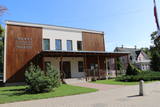 |
Находится на ул. Бривибас, д. 15, Огре (в здании Дома культуры). В музее (учрежден в 1980 г.) представлена постоянная экспозиция «Огре - купальный и воздушный курорт. Отдых и быт в 1920 – 1940 гг.», которая наглядно отображает время цветения Огре, когда город был популярным курортом. Вторая экспозиция «Легендарный Огре» предлагает посетителям нетрадиционный взгляд на события города. |
|
 |
Zemnieku saimniecībā "Rudzīši" iespējams apskatīt dažādus mājputnus - vistas, tītarus, dažādu šķirņu pīles un zosis. Mini zoo mīt arī cūkas, aitas un kazas. Tiek piedāvāta izjāde ar poniju, kā arī iespēja pārnakšņot brīvdienu mājā. |
|


