
| Нo | Название | Описание |
|---|---|---|
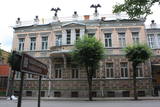 |
Atrodas Rīgas ielā 8 – skaistā, 1883. g. celtā jūgendstila ēkā . Muzejs (viens no Latgales lielākajiem un vecākajiem) tajā darbojas no 1959. g. (pats muzejs dibināts 1938. g.) un tā krājums vēsta par Daugavpils un tās apkārtnes vēsturiskajiem notikumiem. Tajā regulāri tiek rīkotas arī tematiskās izstādes, piedāvātas muzejpedagoģiskas programmas. Te vēl var apskatīt Daugavpilī dzimušā un pasaulē pazīstamā mākslinieka Marka Rotko (1903. – 1970.) gleznu reprodukcijas, kuras no 2013. gada plānots pārcelt uz M. Rotko centru Daugavpils cietoksnī. |
|
 |
Создавал экспозицию ее владелец - Валдис Тумовс, на протяжении долгих лет. В коллекцию входят используемые во время войны оружие и фрагменты боеприпасов, форма, предметы быта, отдельные экспонаты военной техники (мотоцикл) и др.
|
|
 |
Одно из крупнейших в Курземе хозяйств мясо-молочного животноводства (стадо ~ 500 голов). В вольерах выращивают и большую часть из встречающихся в Латвии домашних птиц. Предлагается познавательная экскурсия, можно приобрести мясо животных, молоко и яйца. |
|
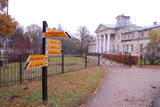 |
Кримулдскую лютеранскую церковь считают одним из старейших храмов Латвии. Первоначально она была построена в начале XIII века, вскоре после завоевания Кубеселе и позднее многократно перестраивалась. Рядом с церковью создан лабиринт медитации «Цветок лилии». Когда в 1217 году при участии в Виландской битве погиб предводитель ливов Каупо, то его прах согласно преданиям захоронили в церкви. Местом могилы Каупо в народе называют небольшой холмик рядом с протекающей поблизости Рунтиньупите (Рунтиньш), на правом берегу которой находится искусственно вырытая пещера Кубеселес или Рунтиньала, глубиной примерно 7 метров. На левом берегу Рунтиньупите - городище Кубеселес. Около церкви начинается Кубеселская природная тропа. По ней можно дойти до Гауи, на берегу которой лежит Большой (Рунтиня) камень. Здесь можно увидеть установленные плотовщиками Гауи якорные колодки. Кримулдский средневековый замок (в 4 км к востоку от Кримулдской церкви) построили во второй половине XIII века в месте, где правый коренной берег древней долины реки Гауя рассекает глубокий Викместский овраг. Замок (хозяйничал Рижский домский капитул – Рижский совет архиепископов) был внушительной постройкой, просторный внутренний двор которого включал защитную стену, толщиной 1,5 м. Кримулдский замок, отступая в 1601 году, взорвал шведский военноначальник Генрих Ливенс. Сейчас на поросшем лесом городище можно осмотреть незначительные развалины замка. Рядом расположена Воздушная канатная дорога, и начинается Кримулдский серпантин. Недалеко стоящая Кримулдская господская усадьба впервые в летописях упоминается в XV столетии.
Наблюдаемый сегодня дворец-усадьба построен в XIX веке в стиле неоклассицизма (владелец - князь Ливен). В 20-х годах XX столетия, после отчуждения, дворец отошел в собственность Латвийского Красного Креста, который создал детский санаторий. В наши дни во дворце расположена реабилитационная больница «Кримулда», а из хозяйственных построек сохранились конюшни господской усадьбы, хлев, дом прислуги, управляющего и т.н. Швейцарский дом, а также парк. Здесь предлагаются тематические экскурсии. Если по Гауе идем на лодке, тогда с близкого расстояния можно рассмотреть 15-метровый утес Велнала (Чёртовая пещера). Это место хорошо просматривается и с противоположного берега – с левого берега Гауи (обустроено место для отдыха). В средней части утеса находится Кримулдская Велнала (Чёртовая пещера), глубиной около 19 м, а высотой - 4,7 м. Если от утеса Чёртовой пещеры по нижней части правого коренного берега Гауи отправимся в направление Турайды, то взору приоткроется Пикенский обрыв с обнажениями песчаника. У подножья создана Пикенская бобровая тропа, протяженностью примерно 1 км. Рядом с тропой находятся Малая Чёртовая пещера (глубина 5 м) с вытекающим родничком Мудрости, и одинаковая по глубине - пещера Аунапиерес. Просматривается и небольшое староречье. |
|
 |
В орденском замке в Пайде на Валлимяэ основан историко-познавательный центр Wittenstein, где роль машины времени исполняет лифт, который перевозит посетителей из одной эпохи в другую. На разных этажах можно познакомиться с доисторической и орденской, королевской и царской, оккупационной и эстонской эпохами и временем восстановления независимости. В историко-познавательном центре много звуковых и световых эффектов, видео и кино-программ. |
|
 |
Хозяйство Lõosilma расположено всего в 10 км от Пярну, здесь занимаются выращиванием и переработкой сельскохозяйственных продуктов. На кухне хозяйства из выращенных овощей готовят разнообразные консервы, многие из которых удостоены титула «продукт национального вкуса». В хозяйстве имеется стоянка для кемперов, работающая от энергии солнца. |
|
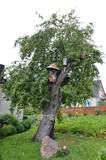 |
Самая старая яблоня в Литве, плодовое дерево, представляющее собой ботанический объект природного наследия. Вид дерева: яблоня лесная. Это единственная яблоня в Литве, которая находится под охраной государства. |
|
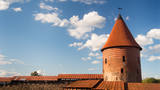 |
Kaunas Castle is the oldest stone castle in Lithuania and interestingly enough, the museum that is inside is also the oldest one in Lithuania. It's possible to take a tour to get know more about Kaunas Castle and also visit the museum where there's not only information about the castle but also about the city of Kaunas itself and much more. |
|
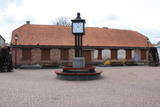 |
Ventspils Vecpilsētas vēsturiskais centrs. Nelielā Rātslaukuma (40 x 60 m) rietumu malā atrodas Starptautiskā rakstnieku un tulkotāju māja, kas ierīkota 18. gs. dzīvojamā ēkā ar baroka un klasicisma iezīmēm (19. gs. vidū te atradās pilsētas Rātsnams), bet austrumu malā – vēlīnā klasicisma stilā celtā evaņģēliski luteriskā Nikolaja baznīca. Iepretim baznīcai atrodas modernā stilā pārbūvētā Ventspils Galvenā bibliotēka un Digitālais centrs, kas ierīkots greznā 19. gs. savrupmājā. |
|
 2 дня
|
Это поездка предназначена для компании друзей или рабочего коллектива, желающих как активно провести выходные, так и узнать о кулинарном наследии Курземе и попробовать экологически чистые продуты. Во время поездки Вы в сопровождении гида и при свете факелов изведаете Северные форты Военного городка Лиепаи, ознакомитесь с разнообразием побережья Балтийского моря и увидите леса Шлитере с высоты птичьего полета с маяка Овишу. На второй день Вы можете пройтись пешком по двум природным тропам, что будет как полезно для здоровья, так и познавательно. |
|
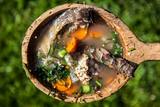 |
Во время эдукационной программы приготовления ухи согласно столетним традициям рыбаков края Восточной Аукштайтии гостей знакомят с древними обычаями питания жителей Восточной Аукштайтии, с образом жизни и традициями с XIII в. В усадьбе также можно ловить рыбу, собирать грибы, ягоды. |
|
 |
Хозяин свое пчеловодческое хозяйство основал на красивом берегу озера, на месте старинного жилья, расположив пчелиные улья в двух местах – на приозерном холме и на красивом лесном лугу, который хозяин преобразовал сам. Рядом с пасекой находится красивый яблоневый сад, в котором осенью хозяин рад видеть помощников. С 1996 года хозяин понемногу обновлял и ухаживал за этим хозяйстом, в котором уже красивое широкое озеро, домик у озера, клеть с отремонтированным помещением над клетью и балконом, пасека и яблоневый сад. |
|
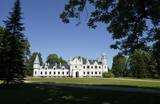 |
В отреставрированном замке Алатскиви можно познакомиться с жизнью и историей одной помещичьей семьи в экспозиции, которая проходит через три этажа. Гиды замка расскажут различные истории и легенды, можно изготовить свой личный замковый сувенир. Сказочный замок у восточной границы Эстонии ждет своих гостей! |
|
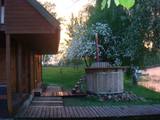 |
Хозяева усадьбы в теплое время года приглашают попробовать блюда, приготавливаемые на летней кухне (плов, яичницу, пироги). Для приготовления блюд используются различные овощи, выращиваемые на огороде, расположенном здесь же.
|
|
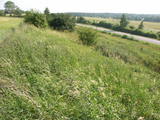 |
This territory protects the shore of the onetime Baltic lake of ice, which most significant part stretches for 10 kilometres on the eastern side of the Grobiņa-Ventspils highway from Kapsēde till Vērgale bus stop. From the top of this ancient shoreline there is a lovely view of the Piejūra lowlands, but no specific viewing areas or information stands have been installed. There are protected species and habitats in the territory. |
|
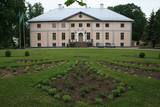 |
Замок поместья Вилце возводили в середине 18 века (родовое имущество баронов Медемов) как охотничьий замок. Позже – в начале 19 века – его перестроили, построив второй этаж. В сводчатых погребах поместья находится кухня, где готовили еду и доставляли в верхние этажи на лифте. Входной портал в замок (позднее барокко) и мраморный рельеф над ним с гербами альянса Медемов и Кейзерлингов – это один из наиболее ценных памятников искусства такого типа в 18 веке. Сохранились также многочисленные хозяйственные постройки – овин, амбар и кузница, а также парк. Перед замком растет дуб, посаженный, возможно, К.Улманисом. В замке поместья с 1837 года расположилась начальная школа Вилцес. |
|
 |
Atrodas Riekstusalas pussalas galā. No tā labi pārskatāma aizaugušā Kaņiera ezera ziemeļu un austrumu daļa. Izcila putnu vērošanas vieta. Pie torņa atrodas viena no retajām Latvijas kadiķu audzēm. Turpat meklējams Kaņiera ezera niedru laipas (uz pontoniem) sākums. |
|
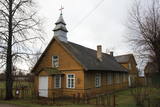 |
Atrodas Rucavas galvenās ielas malā, netālu no centra.Rucavas draudzi dibināja 1871. gadā, bet izmēros nelielo dievnamu uzcēla 1888. gadā. |
|
 1 день
|
Guided wilderness experience day-trip combines bog shoeing and canoeing. First is walking through the forest and reaching the largest peat-bog in Estonia – Kuresoo. Wear bogshoes and walk on the wild landscape, followed by wilderness lunch. The trip ends with a relaxing canoe trip along Soomaa meandering rivers. |
|
 |
Sprižu ģimenes bioloģiskā saimniecība "Dabas Gardumi" atrodas Mārupes novadā un tā apsaimnieko ogulājus 23 ha platībā. Audzē avenes, upenes, jāņogas, ērkšķogas, sausseržus, piparmētras, ābolus, plūmes u.c. Visas ogas svaigā veidā tiek piedāvātas sezonas laikā, kā arī tiek pārstrādātas, no kurām ražo dažādus augļu - ogu gardumus: augļu-ogu bumbiņas, salmiņus, sulas, marmelādes un tējas. Saražotā produkcija ir dabiska, garšīga, veselīga, šķiedrvielām un vitamīniem bagāta, jo pārstrādes procesā augļiem, ogām un garšaugiem tiek saglabāts pēc iespējas lielāks tā dabiskais sastāvs. Pārsvarā gardumi top no pašu izaudzētiem un savāktiem dabas izejmateriāliem (augļi, ogas, garšaugi), ražotajiem produktiem netiek pievienots cukurs, līdz ar to augļu-ogu gardumi ir lieliska gan ikdienas, gan svētku uzkoda kā maziem, tā arī lieliem baudītājiem. |
|


