
| Нo | Название | Описание |
|---|---|---|
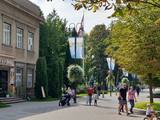 |
Материал археологических раскопок свидетельствует о том, что берега реки Огре были заселены ливами. Огре как крупное поселение и известный курорт образовался после строительства в 1861 году железной дороги Рига – Даугавпилс. До Первой мировой войны в Орге свои услуги предлагали примерно 300 дач, которые во время войны были почти полностью уничтожены. Следующее крупномасштабное событие произошло в 1965 году, когда в Огре построили один из крупнейших в Европе трикотажный комбинат, на котором трудились рабочие из Вьетнама и других стран. Современный город Огре прежнюю славу курорта пока еще не приобрел, но стал в известной мере местом застройки эксклюзивных, главным образом, малоэтажных частных домов. |
|
 |
В хозяйстве Suhka соблюдают старинные традиции и подают блюда местной кухни. Также предлагаются места для ночлега, расположенные в живописном месте. Кроме того, здесь Вы можете узнать маршруты походов по таким местам, которые самостоятельно найти очень трудно. |
|
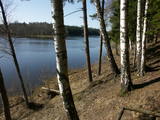 |
Озеро Валгума – протяженностью до 3
км в длину и глубиной 27 м озеро
образовалось в субгляциальной рытвине
(ледниковое).
|
|
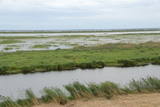 |
Dabas liegums atrodas dienvidaustrumos no Lubāna ezera un tas veidots purva un meža biotopu un tajos esošo sugu aizsardzībai. Gar teritorijas ziemeļu robežu iet Nagļu - Degumnieku ceļš (iekļaujas kopējā Lubāna dambju sistēmā), pa kuru apkārt Lubāna ezeram izveidots velomaršruts. Tas nozīmē, ka teritoriju var aplūkot arī "no malas", netraucējot tās dabiskās norises. Teritorija ietilpst arī Lubāna mitrāja kompleksā.
|
|
 |
Latviskais pirts rituāls ozola ieskautā lauku pirtiņā. Pirts procedūrās tiek izmantoti dabīgi un pašgatavoti materiāli (augu un zaru slotiņas, skrubīši, lāvas paklājiņi, tējas u.tml.), skaņu instrumenti (sajūtu bunga, zvanga, lietus koki, zvaniņi u.c.), klūgu slotiņas, latviešu tautas dziesmas, labi un stipri vārdi. |
|
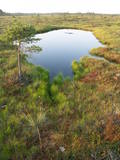 |
This territory was established to protect the rare tree specie in Latvia - common hornbeam, which covers approximately 4% of the territory, but the most visually interesting part of the area is the Tīrspurvs swamp, also known as the Dunika heath. This is where the visitor will find Latvia’s longest and most impressive swamp footpaths, which crosses the area from the North to the South. Visitors will be fascinated by the unique landscape of the central part of the swamp, where in some places there are not even small swamp pine trees. Various habitats will be found – small swamp lakes, mineral islands, marsh pools, etc., and that is to say nothing of all the birds in the area. |
|
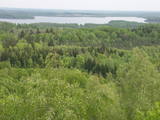 |
This territory is meant to protect the large hillocks and lakes of the Augšzeme highlands – Lake Svente, Lake Medums, Lake Ilga and others, with their islands, landscapes and species. The nature park which has been established around Lake Svente and Lake Medums is part of this territory, and there are several areas that are restricted for environmental reasons – Lake Bardinskis, Lake Skujine, and the islands of Lake Medums and Lake Svente. There is a viewing tower on Egļukalns Hill, along with downhill ski routes. |
|
 |
Предприятие по разведению породистых овец ООО «Мукайтас» – семейное предприятие, основанное в 2005 году. Миссия предприятия – предлагать мясопроизводственным стадам племенной материал, который дает быстрорастущих ягнят с отличными мясными качествами. В хозяйстве разводят овец породы Oxforddown. В хозяйстве можно приобрести породистых ярочек разного возраста, племенных овец и баранов, пряжу, изделия из шерсти, обработанные шкуры овец, овец для стравливания травы, баранину и разные мясные изделия. |
|
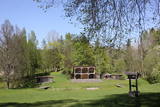 |
До Силмачи нужно ехать через бор в Перлисе и через малонаселенные места. Здесь в 80-х годах 20 века построена эстрада под открытым небом для одного спектакля Рудольфа Блауманя „Дни портных в Силмачи”, который ставился в Латвийском национальном театре в 1986 году на праздник Лиго . Рядом с эстрадой также в 1986 году создан музей, посвященный данной тематике, в котором, наряду с другими экспонатами, можно увидеть также рукопись пьесы сохранившись с 1902-го года. |
|
 |
Saimniecība nodarbojas ar kaņepju audzēšanu un produktu izstrādāšanu vecajā Aizputes Pilsmuižas krogā, kas atrodas blakus Aizputes Livonijas ordeņa pilsdrupām. |
|
 |
Ботанический сад является подразделением Шяуляйского университета. Это самый молодой и самый небольшой по площади ботанический сад в Литве. Сад был заложен в 1958 г. Его общая площадь составляет 6,54 га. |
|
 |
Ap 1,6 km garā un labiekārtotā Adamovas dabas taka iepazīstina ar Adamovas krauju un tās apkaimē esošajām dabas vērtībām. Takas sākums meklējams pie autostāvlaukuma, no kura paveras plašs skats uz Krāslavu un Daugavas senieleju. Adamovas krauja (aizsargājams ģeoloģisks piemineklis) ir viena no garākajām (ap 1,7 km) un augstākajām (25 - 35 m) Daugavas kraujām. Tā veidojusies sānu erozijas rezultātā, Daugavas ūdeņiem noskalojot Daugavas pamatkrastu Adamovas loka ziemeļdaļā. |
|
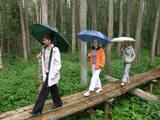 |
This trail of pathways dates back to 2005 and it passes from the Dunte Estate (which has an exhibition about Munchhausen) along damp shoreline forests and on to the sea. There are rest stops along the trail with wooden sculptures related to the famous Baron Munchhausen, as well as other attractions. The trails are in the Northern Vidzeme Biosphere Reserve.
|
|
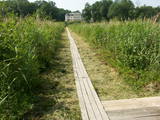 |
The best place to look at the restricted area of the Vīķi swamp and the Lielauce lake which is in the middle of that swamp is the Lielauce castle, where a wooden pathway stars. The pathway will lead visitors across the swampy shores of Lake Lielauce and deliver them at a boating area on the open part of the lake. The swamp itself is to the South-east of the lake. The restricted area is there to protect biotopes and species in the area. |
|
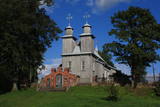 |
Одна из самых красивых деревянных церквей Южной Латгалии. Построенный из бревен и обшитый досками храм строился в период с 1750 по 1751 гг. Сохранился алтарь работы XVIII века (резьба по дереву, барокко) и проспект органа, а также более 30 предметов, имеющих художественную ценность. Во дворе церкви в XIX веке построена колокольня. В направлении озера Рушонс построен деревянный пасторат. |
|
 |
Кафе, где можно быстро и вкусно поесть, расположено в Сабиле. Банкеты до 30 человек. |
|
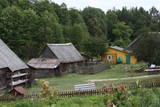 |
Grūti iedomāties, ka vēl joprojām Eiropā ir apdzīvotas vietas, kuru sasniegšanai ir labu laika sprīdi jābrauc pa neapdzīvotu mežu ieskautu smilšainu ceļu, kur tikai paretam var redzēt kādu sēņotāju vai ogotāju! Tāpat kā Zervinos ciemam, arī šim ir piešķirts kultūras mantojuma pieminekļa statuss, jo Linežeris ir viens no dažiem nacionālā parka etnogrāfiskajiem ciemiem. Linežerī ir aplūkojamas 19. – 20. gs. mijā celtās ēkas un apskatāms tā laika ciema plānojums. Šejieniešu tāpat kā citu dzūku galvenā nodarbošanās bija mežistrāde un meža velšu vākšana. Nelielā mērā – arī lauksaimniecība. Apceļojot nacionālā parka etnogrāfiskos ciemus, rodas pamatots jautājums: „Ar ko mūsdienās te nodarbojas cilvēki. Kā viņi spēj dzīvot tik nomaļā vietā”? Jāatzīst, ka lielākā daļa te ierodas tikai vasaras laikā. Neskatoties uz to, etnogrāfiskie ciemi ir ļoti sakopti un joprojām „dzīvi”! |
|
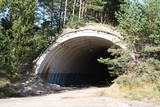 |
Когда-то зенитноракетная бригада в Цирпстене была значимым военным объектом береговой охраны. Визуально интересная и впечатляющая территория вблизи морского побережья, к сожалению, по причине недостаточного ухода загрязнена и необустроена.
|
|
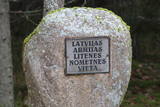 |
Название Литене связано с одной из трагических страниц истории Латвии. В 20 - 30 года XX века недалеко от Литене находился летний лагерь латвийской армии, где летом 1941 года против латышских офицеров был направлен террор коммунистического режима: почти полтысячи офицеров латвийской армии были высланы в Норильск, Сибирь, часть была расстреляна и тайно похоронена в ближайшем лесу. В конце лета 1941 г. армия гитлеровской Германии расстреляла здесь около 300 гражданских жителей, главным образом евреев. В наши дни в честь памяти погибших увековечены места памяти. |
|
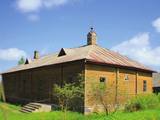 |
Остронский (Устронский) Римско-католический костёл
Св. Алоиза был построен в 1935 году первым деканом прихода
Б. Валпитром на участке, подаренном приходу Я. Пушмуцовым.
|
|


