
| Нo | Название | Описание |
|---|---|---|
 |
Находится на ул. Бривибас, 125а. Идя по центру города, стоит обратить внимание на старейшее здание города, которое находится недалеко от Екабпилсской лютеранской церкви Святого Микеля (собственность прихода, строительство начато в 1769 году). Деревянное здание построено в 1808 году. |
|
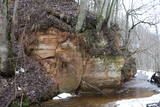 |
It is worth hiking this road where in crosses the Šlītere Blue Hills. This part of the road is approximately one kilometre long, and it goes down to the valley of the stream which crosses the hills. The place has been given a peculiar name – the Kušperlankgrāvis ravine (or the Zeltiņi ravine, as is claimed in other sources). If you're driving, be careful, because there is no bridge here, just a ford. During the early spring or the winter, you will appreciate the ravines and the impressive Blue Hills themselves. Impressive sandstone cliffs which are several metres high and have been vandalised by human hands are on both sides of the road. There is a small niche in one of the cliffs. To the right (East) from the road at the terrace of the Blue Hills is a side road which leads to the Mežlīdumi homestead. Please be gentle with the cliffs! |
|
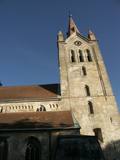 |
The tower of St John’s Lutheran Church in Cēsis, which is one of the oldest stone buildings in Vidzeme, offers a view of the historical centre of Cēsis, and a wide area all the way to Zilaiskalns Hill. There is also the western tower of the ruins of the Cēsis castle, one of the strongest fortresses of the Livonian Order in the Baltic region, and it offers a grand view of the castle’s park.
|
|
 |
В хозяйстве выращивают яблоки, клубнику, черную и красную смородину и другие ягоды и плоды. Представлен широкий выбор продуктов переработки - натуральные соки, нектары и сиропы. Предлагают приобрести саженцы яблонь, клубники, смородины, крыжовника, облепихи и черноплодной рябины, предоставляют консультации по обустройству и уходу за коммерческим садом. Экскурсии по коммерческим посадкам. |
|
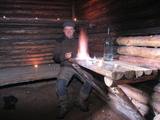 |
На хуторе лесных братьев на границе Эстонии и Латвии вы можете во время похода лесных братьев разыскать места, в которых они прятались, побывать в бункере, послушать реальные истории военного времени, послушать шум леса и спеть вместе с хозяином песни лесных братьев. Тем, кто ищет приключений, предлагается возможность переночевать в бункере. В зимнее время хутор лесных братьев предлагает покататься на санках и на санях. |
|
 |
В Англа Вас ждет единственная сохранившая свой облик Гора ветряков, четыре из пяти мельниц которой- типичные для Саарема ветряки, а одна- ветряная мельница голландского типа. Все ветряки открыты для посетителей. Одной из частей комплекса является Центр традиционной культуры, где можно получить навыки Эстонских национальных ремесел, принять участие в мероприятиях, посвященных представлению народной культуры, и попробовать ржаной хлеб Англа. |
|
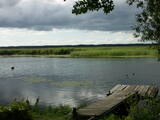 |
This is a large set of coastal meadows, ancient rivers and areas of reeds. It is found at a location where the Daugava River used to flow – between Vecmīlgrāvis and Vecāķi. There are inland dune meadows here, complete with the very rare silver grass. Vecdaugava is an important location for nesting birds and several uncommon plant species. On the southern end of the Vecdaugava peninsula, at a place called Skanstnieki, one can find remnants of medieval Swedish fortifications. The Vecdaugava Regional Research and Fishing Museum is here, as well.
|
|
 |
В самом центре Лахемааского национального парка есть своеобразное место- ремесленный хутор Яаниоя. Окантованная камнями дорога ведет к семейному дому желтого цвета, рядом место для костра и палаток, уникальная открытая кухня, старое большое бревенчатое здание, баня и кузница. На хуторе проводятся творческие лагеря, курсы рукоделия, сказочные игры, знаменательные дни Эстонского народного календаря и мастерские для всей семьи. В продаже ясноглазые тряпичные куклы, лоскутные изделия мадам Яаники и своеобразная ручная работа. |
|
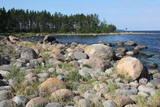 |
This is the first national park in Estonia and the Baltic States. Perfect for a day trip out from Tallinn for a hiking trip and nature watching. It was established in 1971 to protect the area that is along the Bay of Finland – the shoreline, forests, swamps, meadow biotopes, species, natural monuments, rocks, waterfalls, cliffs and cultural monuments such as ancient cemeteries, castle hills, baronial estates, fishing villages, etc. |
|
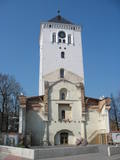 |
Наиболее значимый для города период связан с периодом с1561 по 1795 гг., когда Елгавский край входил в состав Курземского и Земгальского герцогства. Как только Елгава получила статус резиденции герцога (1567 г.) и столицы герцогства (1616 г.), началось быстрое развитие города, которое достигло наивысшей точки во времена правления герцога Екаба. Во время правления двух последних Курземских герцогов – Эрнста Иоганна Бирона и его сына Петра учреждается (1775 г.) Академия Петра (Academia Petrina) - первый Латвийский университет, в 1816 году создается Курземское Литературное и художественное общество, в 1822 г. выходит в свет первая газета на латышском языке «Латвиешу Авизес» («Латышские Газеты»), в 1802 г. строится первое здание театра в Латвии, а в 1898 г. – первое предусмотренное для музея здание. В 1937 г. в Елгавском замке размещается Латвийская Сельскохозяйственная камера, а через два года открывается Елгавская Сельскохозяйственная академия. Летом 1944 года погибает почти вся историческая застройка города и художественные ценности. По окончании Второй мировой войны Елгаву восстановили. Не так давно восстановлена башня церкви Святой Троицы, в которой в настоящее время создан один из лучших интерактивных музеев Латвии (очень дружественный по отношению к семьям с детьми). |
|
 |
A well-kept farm and garden, rabbits and various poultry - chickens, chicks - can be viewed. |
|
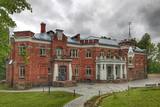 |
Господская усадьба Лузнавас с парком. Поместье построено (1905 – 1911) в стиле модерн и эклектичном стиле. Дом красного кирпича с многочисленными архитектурными художественными украшениями. Парк площадью в 23,7 га, из которых 2,6 га занимают пруды. В 1991 году в парке установлена статуя Л. Вроневской „Мадонна”. |
|
 |
Хозяйство «Страути» находится в восточной части Эмбутской холмистой местности. С юга его окружают широкие лесные массивы, в которых обитают многие животные Латвии, встречающиеся в дикой природе. Рядом с хозяйством расположены корпуса бывшей птицефермы. В хозяйстве разводят племенных кроликов, овец, домашнюю птицу разных видов, а также две дошади и пони. На полях хозяйства пасется стадо коров, в котором кроме разных пород коров можно увидеть также и Латвийскую Синюю корову. Хозяйка предлагает экскурсии для групп школьников и другим желающим. Заранее договорившись, можно приобрести мясо кролика, овечью шерсть, а также овощи, выращенные в хозяйстве. Биологическое хозяйство. |
|
 7 дней
|
Маршрут поведет вас через Латвию, используя ее основные вкусы. На выезде из Риги вы посетите ферму, которая специализируется на выращивании зерновых культур и где пекут исключительные крекеры и готовят типичные для региона блюда, используя цельнозерновые культуры. Далее по плану – посещение Баусского замка, расположенного между двух рек, и посещение Баусской пивоварни, предметом гордости которой является их продукция без консервантов. Затем вы посетите этнографический музей на мельнице Аусекли, где сможете сами попробовать испечь традиционные пирожки с беконом – piragi. Далее маршрут пересечет реку Даугаву, и вас ждет остановка в кафе, где подают домашнее мороженое, и где вы сможете попробовать пикантные салаты из мороженого. Следующая остановка – поездка на корабле викингов вокруг легендарных руин Кокнесского замка и посещение Цесвайнского замка. Затем посещение козьей фермы и дегустация сыров, а позже и дегустация коровьего сыра на близлежащем производстве. Ночь проведете в поместье Вецгулбене с его спа процедурами. На следующий день у вас будет возможность собственноручно испечь ржаной хлеб под инструкции и юмористические рассказы женщины - пекаря. Пока хлеб будет печься, вас ждет еще одна дегустация сыров и посещение произодителя в Трикате. Затем посещение пивоварни Валмиермуйжа, которая производит высококачественное пиво и продвигает латвийское пиво и традиции пивоварения как компонент любого торжества. Очаровательный провинциальный город Цесис с его величественными руинами средневекового замка, узкими старинными улочками и месте, где находится знаменитая Цесиская пивоварня – следующая остановка на маршруте. Историческое здание пивоварни – сейчас только туристический объект, а производство переведено в большое, современное здание. В настоящее время это второй наибольший по размеру производитель пива в Латвии. Вслед за посещением пивоварни вас ждет экскурсия на мельницу Арайши и дегустация традиционной каши, сваренной там же. А перед возвращением в Ригу – экскурсия по Турайдскому замку. |
|
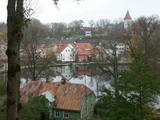 |
Талси называют городом на девяти холмах. Историческая застройка города вокруг Базницкалнса, Талси и Вилкмуйжских озер образовалась, главным образом, в 19 столетии. Одна из наикрасивейших – улица Лиела с малоэтажной (два - три этажа) застройкой (двускатные крыши). Красивые пейзажи открываются с окрестностей озера Талси и Кенинькалнса. |
|
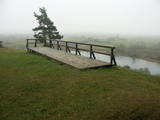 |
In Dagda, on the side of Daugavpils Street, there is a forested hillock that is the Lubāne castle hill. On the upper part of its southern side, there’s a viewing area which offers a view of the small Lake Lubenenis, the eastern part of Dagda, and the white tower of the local Catholic church. Legend has it that treasure is buried here.
|
|
 |
Кафе со свободной атмосферой в Адажи. С террасы открывается вид на берега реки Вейупе и красивые закаты. В предложении современная мировая кухня: салаты, закуски, супы, сытные основные блюда, бургеры и освежающие напитки. |
|
 |
Памятник родителям А.Бертхольда – место захоронения родителей капитана
А.Бертхольда со своеобразным памятником.
|
|
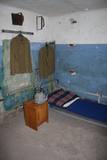 |
Viens no parka neparastākajiem vēstures objektiem, kas apvīts ar daudzām leģendām un noslēpumiem, par kuriem vēl joprojām nelabprāt izsakās ar to saistītie cilvēki. Zināms, ka bāzi laikā no 1960. – 1962. g. ļoti stingrā slepenībā cēla ~ 10 000 kareivji no citām padomju republikām. Pazemes ejas bija būvētas tā, lai pa tām varētu pārvietoties tikai maza auguma cilvēki. Zem zemes atradās 4 šahtas, no kurām varēja palaist vidējā rādiusa ballistiskās raķetes R – 12 U ar kodolgalviņām. Blakus atradās apkalpojošā personāla telpas, elektrības ģenerators, sakaru centrs u.c. Līdz 2010. g. bāzi varēja apskatīt vietējā gida pavadībā. Tagad to rekonstruē un 2012. g. plāno atklāt Aukstā kara muzeju. Bāze atrodas austrumos no Plateļu ezera, liela meža masīva vidū. |
|
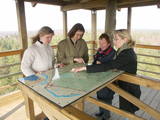 |
Ложметейкалнс в Тирельпурве является историческим памятником государственного значения – единственный культурно-исторический заказник в Латвии (парк памяти Рождественских боев). Стоит подняться на восстановленную смотровую башню, откуда открывается вид на Мазтирельское болото с бывшей старой узкоколейкой, пересекающей болото в северо-южном направлении (в природе обозначенную как самый большой деревянный ряд в болоте). В окрестностях домов Ложметейкалнса, Тирельпурва и Мангали сохранились уникальные свидетельства Балтийского масштаба о фортификационных сооружениях Первой мировой войны и проходивших в этих местах Рождественских боях. В Мангали можно осмотреть посвященную боям экспозицию, так называемые немецкие валы и др. С территорией знакомят опытные гиды. Кроме того, в парке проходят тематические и познавательные мероприятия.
|
|


