
| Нo | Название | Описание |
|---|---|---|
 |
Кафе «Колумбине» находится при въезде в город Талси, примерно в 1,5 км от центра. |
|
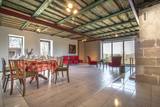 |
Located by the old Daugava bed ravine, Sērene parish, Jaunjelgava region, the house "Lazdāres". The holiday home has three apartments, each with its own kitchen, bathroom and everything you need for a great stay in the countryside. As well as a party hall for up to 20 people. Located 3 km from Aizkraukle and one kilometer from the newly built highway P76, which connects Riga with Jēkabpils. Waiting for guests who want to enjoy the silence and summer in the countryside. Families with children. Reservations for a week and longer with discounts. |
|
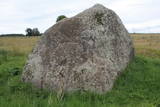 |
Atrodas 4,5 km ziemeļos no Rīgas – Daugavpils šosejas (A 6), klajā laukā (ap 3 m augsts, ainavisks). Viens no izcilākajiem Latvijas muldakmeņiem, tādēļ ir vērts izmest kādu loku. Akmens augšdaļā ir iekalts gandrīz 2 m garš un ~ 20 cm dziļš muldveida iedobums. Atrodamas ziņas, ka vēl 19. gs. vidū pie akmens ir ziedots ēdiens, monētas u.c. priekšmeti. Pie tā dedzināti ugunskuri un svinēti svētki. Teikas vēsta, ka velns muldā lējis ūdeni un gribējis mīcīt mīklu, kā arī parāvis zem akmens tuvējo māju saimnieku. |
|
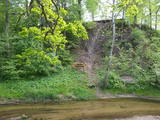 |
No Vilces muižas pa pastaigu taku var aiziet līdz pilskalnam (12 m virs apkārtnes, labiekārtots), kas atrodas Vilces un Rukūzes upīšu satekā. Atradumi liecina, ka cilvēku apmetne šeit ir pastāvējusi jau vidējā dzelzs laikmetā. Pilskalna piekājē atrodas atpūtai labiekārtotā Zaķu pļava. Nostāsti vēsta, ka Vilces grava bijusi laupītāja Kaupēna slēpšanās vieta. |
|
 |
Деревня расположена в устье реки Ирбе (Dižirve, Īra), на обоих ее берегах (на «морской» стороне и на стороне «суши»). Ирбе впервые упоминается в 1310 году в пограничном договоре между Курземским епископом и Рижским домкапитулом, а название Лиелирбе (Irvemünde) впервые было внесено в арбитражный документ в 1387 году. В конце 19-го века малый порт Лиелирбе был активным центром торговли и транспорта древесины. В конце 19-го и начале 20-го века здесь было построено самое большое количество парусников среди всех поселений западного берега Курземе. В 1939 году в селе проживало около 300 жителей, насчитывалось более 70 домов и баптистская церковь (сейчас находится в Вентспилсском музее под открытым небом). Через поселок проходил узкоколейный паровоз, работало почтовое отделение и телеграф, имелись два продуктовых магазина, начальная школа 1-го класса, хор и духовой оркестр. Лиелирбе был одним из крупнейших поселений, исчезнувших после Второй мировой войны. В Лиелирбе родилась историк культуры Валда Мария Шувцане (1923 - 2007), работу которой продолжила ее дочь Байба Шувцане, создавая важные произведения о жизни ливского берега. До 2019 года планируется восстановить тросовый мост через реку Ирбе. |
|
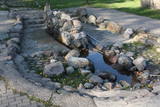 |
Atrodas 0,1 km austrumos no katoļu bazilikas. Jau no 1825. g. Svētavota ūdeni izmantoja dziednieciskiem mērķiem. Līdz 19. gs. 40. gadiem avota ūdens īpašības bija izslavētas tāpat kā Aglonas Dievmātes svētbildes brīnumdarītājas spējas. Tās savulaikapstiprinājusi Viļņas ārstu komisija un Pēterpils akadēmija, taču ap 1840. g. avots savas īpašības esot zaudējis. Tomēr arī mūsdienās svētceļnieki joprojām tic avota spēkam. |
|
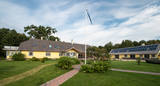 |
Nurka Farm is located in Luitemaa Nature Protection Area in Pärnu County. The farm complex that is over 100 years old has been renovated into a contemporary holiday farm with all modern conveniences. |
|
 |
Saimniecība audzē dažādus dārzeņus, lapu salātus, gurķus, dilles, ķiplokus, brokoļus, ziedkāpostus, sīpolus, ķirbjus, bietes utml. Vasarā un rudenī pieejamas avenes. Pārdošanā svaigi dārzeņi un augļi. |
|
 |
Находятся в центре Лудзы. Предлагает многообразное меню и комплексный обед. «Изюминка» повара – пресноводная рыба из озер Латгалии. Латышская кухня: Блюда, в приготовлении которых используют щуку, линя, карпа и судака. Во время зимнего солнцестояния по заказу готовят кровяную колбасу, купаты и свиной пятачок. Особое блюдо: «Рыбный сыр» – холодная закуска из молотой рыбы с гарниром. |
|
 |
Страна бань-своеобразная деревня бань, которая предлагает насладиться различными банями со своими особенностями и очарованием. Есть возможность оценить банный пар и узнать их историю. Страна бань предлагает земляную баню, сауну, индийскую баню, эстонскую баню, пластиковую баню. |
|
 |
Jaanihanso Cider House makes cider from natural Estonian apples. Here there is a special technique applied to making the cider – the cider clears and matures as same as the best champagne in the world does. Here it’s possible to try different ciders and for additional fee, snacks to with it, as well as take a tour around the Cider House. In this case, registering one week in advance is necessary. |
|
 |
Трапезная «Даугава» расположена в центре города Краслава у шоссе А6. По предварительной записи предлагаются латгальские блюда в глиняной посуде. Работает пекарня и кондитерский цех. Особое блюдо: Мясо в горшочке чёрной керамики, бульбешники. |
|
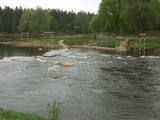 |
This is a territory that is unique at the Latvian and the Baltic level, one which stretches from Valmiera to the Gulbene District. Here we find the irregular Gauja River valley with a dense system of ancient rivers. The meadows on the banks of these rivers are important in terms of biological diversity. There are stands of oak and broad-leaf trees. Many rare and protected birds live and next here – the corn-crake, the woodpecker, etc. The territory is excellent for bird watching, nature studies, ecological tourism and various kinds of active tourism. |
|
 |
Биологическое семейное хозяйство в Вырумаа, расположенное в Национальном парке Хаанья (Haanja rahvuspark). Хозяйство занимается разведением коз и производством козьего сыра. Здесь проводятся дегустации и экскурсии, во время которых Вы сможете увидеть, как молоко, принесенное из хлева, превращается в головку сыра. |
|
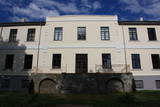 |
Atrodas stāvā Tebras (Dzirnavdīķa) ziemeļu krasta augšdaļā (Skolas ielā 1). Ēka celta 19. – 20. gs. mijā kā Aizputes muižas jaunā kungu māja. Tajā atrodas Aizputes novadpētniecības muzejs (no 1999. g.) un Aizputes TIC. Ekspozīcija par Aizputes pilsētas un apkārtnes vēsturi tiek pasniegts saistošā veidā, ļaujot apmeklētājiem iejusties vairāku gadu desmitu seno notikumu atmosfērā. |
|
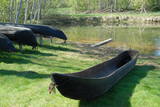 |
В парке «Виенкочу» можно увидеть созданные мастером предметы из деревянных колод, осмотреть макеты Нурмижского замка и других зданий, дом Песка, а также поучаствовать в тематических мероприятиях. Мужчины могут изготовить желобки для березового сока, а женщины – украшения из натуральных материалов. Предметы из колод древние люди изготавливали еще в мезолите, а челночные лодки (в парке их несколько) начали широко использовать с IX столетия. |
|
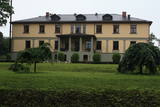 |
The origins of the castle that was built in the style of Classicism date back to 1784. Later it was rebuilt into a two-story building with a portico with four columns at its centre. A new period in the development of the state began in 1993, when restoration of the buildings began. The estate currently houses a children’s village, while the mansion is now a hotel.
|
|
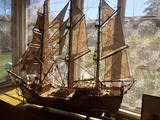 |
Еще 20-30 лет назад в Рое жили Лаймонис и Илга Вейдеманы, которые были глухими людьми и с большой любовью создавали модели парусников различного размера. В основе создания моделей парусников лежала нереализованная мечта о больших кораблях предков и морских просторах, по которым не будет суждено плыть. Модели парусников были сделаны с высокой точностью, тщательно и с большой любовью, без изучения секретов изготовления моделей парусников. Коллекцию парусников теперь унаследовала внучка Лаймониса Вейдемана, которая хочет показать широкой публике чудесную коллекцию и старательный труд своего дедушки. Хозяйка дома встретит посетителей и расскажет о создании парусников. (Источник: Ройский ТИЦ) |
|
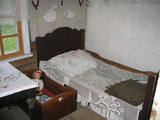 |
Построенная в начале 19-го века жилая рига с земляным полом - старейшее здание музея. Жилое помещение с комнатами пристроено во второй половине 19-го века. Во дворе есть еще баня по-черному, летняя кухня, амбар, подвал, каретный сарай и столовая (бывший хуторской хлев). Во всех этих помещениях экспонируются старинные орудия труда и предметы обихода. По предварительному заказу предлагаются традиционные деревенские блюда, можно принять участие в работе мастерских. |
|
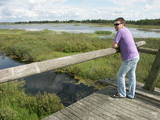 |
The tower is at the western end of the Seda swamp, accessed from the side of Jērcēni. Transport is limited here. The tower is in the area of the swamp where peat moss is extracted. It offers a broad view of the ponds of Seda and a boat rental facility that is nearby. It is an appropriate location for bird-watching during the season of migration. There is another bird-watching platform near the town of Seda. This is part of the ZBR. |
|


