
| Нo | Название | Описание |
|---|---|---|
 |
Находится на главной пешеходной улице города. Выпекают свадебные пирожные по бабушкиным рецептам, а также готовят всевозможные кондитерские изделия. Сотрудничают с местными производителями. Латышская кухня: Холодный суп, суп с фрикадельками, орехово - брусничные, клубнично - рабарбаровые свадебные пирожные, пирожки, открытые пирога и др. лакомства. |
|
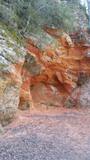 |
Sarkanās klintis savu vārdu ieguvušas pateicoties sarkanajiem iežiem. Tieši sarkanā ir mīlestības krāsa, tāpēc sarkanās klintis ir romatiska pastaigas vieta mīlniekiem. Smilšakmens klintīs redzamas plaisas, kas sašķeļ sarkanīgos iežus, radot neparastu dabas mākslas darbu. To virsma ir diezgan izrobota, kas veido klintīs nelielas alas un nišas. Sarkanajās klintīs ir arī daudz dažādu avotiņu. Pazīstamākais no tiem ir Rūcamavots. Tam ir šāds nosaukums, jo tas, nākot ārā no zemes, izdod nelielu rūkoņu. |
|
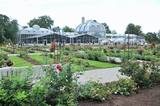 |
Ботанический сад был основан в 1923 г. в качестве ботанического научного центра республиканского значения. Сад занимает более 60 га, а для свободного посещения открыты экспозиции общей площадью около 30 га. |
|
 |
Находится в центре Салдус. Латышская кухня: Суп из кислой капусты, с фрикадельками, свекольный, щавелевый и холодный суп на кефире, картофельные блины, тонкие блинчики, маринованные свиные ребрышки, домашние котлеты, крестьянское угощение, крем из овсяных хлопьев, слойка из овсяных хлопьев или из черного хлеба. |
|
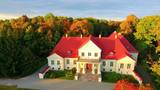 |
Парк усадьбы Йонишкелис, заложенный во второй половине XVIII в., отличается ландшафтной планировкой. В начале XIX в. парк был переоборудован и расширен. Через парк протекает река Мажупе. От усадьбы в сторону поселка ведет пешеходная липовая аллея. Напротив дворца разбита большая площадь. В парке растет более 20 пород местных деревьев и кустарников и более 30 пород интродуцированных растений. Внимания заслуживают две впечатляющие и ценные ели, своеобразная ель гнездовой формы, группа довольно редких для Литвы западных золотистых туй, дуб обыкновенный разнолистный, двуствольный серебристый клен, серый орех. Также в парке находятся три пруда. |
|
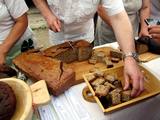 |
Если Вы находитесь в старой части Цесиса и Вам вдруг захотелось горячего хлеба, то найти его можно не только следуя указателям путеводителя, но и по соблазнительному аромату хлеба ‒ и пройдя через арку, Вы окажетесь прямо у пекарни. Хлеб здесь пекут из латвийского, выращенного биологическим способом зерна, а тесто готовят, используя натуральную закваску. Дегустация различных сортов хлеба, рассказ о полезных для здоровья ингредиентах, о натуральной закваске и выпекании хлеба. |
|
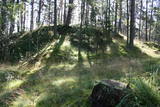 |
Недалеко от впадения речки Килминьупе находится овитое преданиями городище Троммеля – средневековое место укрепления. Оно находится в 100 м от хутора «Крауяс». Найденные здесь в 1977-м году во время археологических раскопок куски кирпича и черепки печных горшков свидетельствуют о том, что укрепление использовалось в Средневековье. Место связано с преданиями о пирате Троммеле, который здесь зарыл награбленное богатство, поэтому на дюне видно много ям, вырытых черными археологами. В предании говорится о пирате Троммеле, который со своими людьми грабил корабли в Рижском заливе от Курземского побережья до острова Роню. В древности на этом побережье стояли на якоре многие корабли, ожидавшие более благоприятного попутного ветра, чтобы обойти мыс Колка, но пират использовал его для своих корыстных целей. Он также собирал добро с погибших кораблей. Замок Троммеля был каменным. (Источник: Ройский ТИЦ) |
|
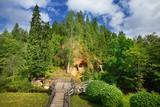 |
Klinšu smilšakmens ieži veidojušies, ūdens straumēm sanesot smilšainas, mālainas iežu daļiņas. Tās lēnām nogulsnējās un sablīvējās, topot par vareniem dabas veidojumiem! Līgatnes pagrabu alas savām rokām radījuši senie iedzīvotāji. Šī neparastā vieta ļāvusi daudzām paaudzēm izdzīvot, jo alās bija iespēja uzglabāt nepieciešamās pārtikas rezerves. Alām ir nemainīga temperatūra, kas padara tās par drošu pārtikas produktu un dzērienu glabātuvi. |
|
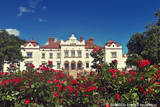 |
Рокишкский краевой музей и усадьба представляют собой один из важнейших культурных центров Аукштайтии. Величественность дворца подчеркивается парком и прудами. |
|
 2 дня
|
Viens no labākajiem veidiem, kā iepazīties ar sidru, ir paviesoties kādā no sidra darītavām, kur klātienē var redzēt, kā sidrs tiek gatavots. Vairākas sidra darītavas piedāvā apmeklējumus, kuros sidrdari parādīs ražošanas procesu, ļaus nodegustēt savu produkciju un pastāstīs par to. Sidrdari pieņem apmeklētājus pēc iepriekšējas pieteikšanās. Rezervējiet savu apmeklējumu laikus, lai mazajās saimniecībās, kur bieži vien strādā tikai pati ģimene vai pāris darbinieku, sidrdari var paspēt apvienot tūristu uzņemšanu ar savu ikdienas darbu. Parasti sidra darītavas uzņem viesus visu cauru gadu, dažos gadalaikos ir iespējams vērot arī ražošanas procesu, tādēļ sidra darītavas apmeklējumam ieplānojiet apmēram 2 stundas. |
|
 |
Z/S “Paldaži” ir 19. gadsimta Vidzemes lauku sēta un bioloģiskā saimniecība Limbažu novadā, kas apzināti kopj un saglabā Latvijas vēsturisko un kultūras mantojumu, tai skaitā lībisko. Saimniecību vada Andrejs Kovaļovs, kurš attīsta aitkopību, biškopību, kokamatniecību un pieredzes tūrismu, radot iespēju viesiem iepazīt gan tradicionālo lauku dzīvi, gan mūsdienīgu bioloģisko saimniekošanu. Apmeklētājiem tiek piedāvāta īsa ekskursija, kuras laikā iespējams iepazīt Paldažu apkārtnes vēsturi, saimniecības stāstu, Paldažu dižosi un bišu dzīvi. Savukārt izvērstā ekskursijā iekļauts arī dravas apmeklējums, neliela vaska sveču liešanas darbnīca un atpūta ar karstiem vai aukstiem dzērieniem. No maija līdz oktobrim saimniecībā noteiktos datumos tiek piedāvātas vakariņas un pusdienas ar jēra gaļas ēdieniem. Maltītes iespējams baudīt tikai pēc iepriekšēja pieraksta. “Paldaži” piedāvā autentisku lauku pieredzi, kas apvieno dabas tuvumu, senās sētas vidi un mierīgu gaisotni. Šī ir vieta, kur iespējams sajust Vidzemes lauku raksturu, iepazīt bioloģiskās saimniekošanas principus un uzzināt vairāk par Paldažu vēsturisko mantojumu. |
|
 |
В мастерской рождаются красивые работы - пояса, сумки, подушки с характерными для Латгалии гаммами красок и комбинациями. Посетителей знакомят с техникой ткачества и готовыми работами. Каждый сам может соткать свой пояс, приобрести и заказать работы. |
|
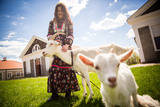 |
Посетителей фермы поместья Пакруойиса приглашают ознакомиться с работами фермы поместья XIX в.: попробовать древнейшее в мире ремесло – гончарство, стрижку овец, выделку самых красивых и теплых вещей из только что состриженной шерсти, ковку гвоздей и подков на счастье. Организуемые здесь эдукационные программы интересны как любителям истории, так и желающим хорошо провести время. |
|
 |
Saimniecības laukos ganās ap 300 aitu kupls ganāmpulks, no kura iegūst gaļu un vilnu. Piedāvā ekskursiju, kurā stāsta par aitu audzēšanu, cep maizi, auž un uz ugunskura vāra zupu. Apmeklētāji var iegādāties adītas zeķes, cimdus, segas, lakatus, galdautus un citas saimniecībā noderīgas lietas. Stāsta par atjaunotās mājas vēsturi un kopj latviskās tradīcijas. |
|
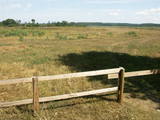 |
Periodically flooded flood-land meadows on the eastern and southern shores of Lake Burtnieks are an important nesting location for the rarely seen corncrake. A nature and information trail has been established at Vīsrags with directions, information stands and a viewing tower.
|
|
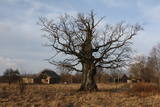 |
Небольшое населенное место со школой, библиотекой и магазином. К северу от Видале видны остатки ветряной мельницы. Направляясь в сторону Рижского морского залива, дорога пересекает обрыв Шлитерских Синих гор, откуда в безлиственный период открываются восхитительные виды и обнажения песчаника. Слева виден источник Синих гор - благоустроенное место для забора воды. Дорогу, ведущую из Видале в сторону Мелнсила, местные жители называют Клипелдамбой. Она, как будто бы была построена немецкой армией во время Первой мировой войны, устанавливая на дороге кругляки и засыпая их гравием. |
|
 |
Мельница графа Борха.Неподалеку от вараклянского дворца граф
Борх в конце 18 века построил мельницу. На мельнице можно ознако-
миться с оборудованием минувших столетий для размола зерна.
|
|
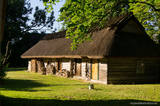 |
Third biggest island in Estonia. Full of beautiful grown junipers, little dolomite outcrop on the coast of the sea and fishermen villages on the coastline. |
|
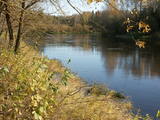 |
Teritorija, kas aptuveni 20 km garumā „piekļāvusies” abiem Aiviekstes upes krastiem. Dabas parka galvenā vērtība ir palieņu pļavas (un citi pļavu biotopi), kas ir ļoti nozīmīga daudzu augu un dzīvnieku (īpaši – putnu) sugu dzīves vieta. Ūdenstūristiem, kas laivo pa Aivieksti, nakšņošana ir jāplāno tikai šim mērķim paredzētās vietās!
|
|
 2 дня
|
Šis ir viens no 6 ceļojuma maršrutiem sērijā "Baudi laukus!", un tas aicina apmeklēt Lauku Labumus – visdažādāko veidu un nozaru saimniecības un uzņēmumus, kas atvērti apmeklētājiem, piedāvā ekskursijas, nogaršot, apskatīt un iegādāties savus ražojumus. Tur apskatāmi mājdzīvnieki, mūsdienīgas lauku saimniecības, amatnieku darbnīcas, iegādājami lauku produkti – maize, medus, mājas vīns un alus, siers, ogas, augļi, zivis, gaļa, dārzeņi, tējas un citi laukos audzēti labumi. Pa ceļam iespējams ieturēt pusdienaslauku krodziņos. |
|


