
| Нo | Название | Описание |
|---|---|---|
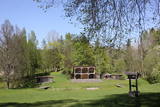 |
До Силмачи нужно ехать через бор в Перлисе и через малонаселенные места. Здесь в 80-х годах 20 века построена эстрада под открытым небом для одного спектакля Рудольфа Блауманя „Дни портных в Силмачи”, который ставился в Латвийском национальном театре в 1986 году на праздник Лиго . Рядом с эстрадой также в 1986 году создан музей, посвященный данной тематике, в котором, наряду с другими экспонатами, можно увидеть также рукопись пьесы сохранившись с 1902-го года. |
|
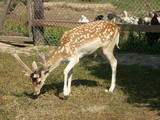 |
Хозяйка проводит экскурсию с осмотром африканского страуса, ланей, овец породы Soay и экзотических и домашних птиц. Посетителям предлагается знакомство с животными и приобретение сувениров. |
|
 |
Находится в центре города, около Рыночной площади, в гостинице «Кандава». Латышская кухня: Селедка с картошкой и творогом, каша из овсяных хлопьев, домашние котлеты, блины с начинкой, сырники с вареньем. |
|
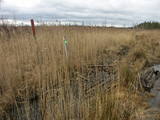 |
The part of the swamp which has mosses, not peat, is important for plover-type birds during nesting season, and goose-type birds during migration.
|
|
 3 дня
|
The tour starts at Jaunmokas Castle estate, where you will also find the Forest Museum. The pride of the castle is its unique painted tile stove (beginning of the 20th century) made of 130 painted tiles featuring 50 different views of the cities Rīga and Jūrmala. The Forest Trails runs along smaller tracks through the Austrumkursa Uplands, the valley of the river Slocene, along Lake Sekļa and Lake Jumprava to finally reach the town of Tukums. Well, the town takes pride in its pots, planters and flower beds with blooming roses along its streets. Next, the route meanders through forests to the demanding hillock of Milzkalns and Lake Valguma, where you will find the barefoot trail and a secluded art space within the woods. The Forest Trail continues to make a stopover at the Ķemeri National Park. The park is dedicated to protection of wetlands, since it is home to one of the largest marshlands of Latvia – the Great Ķemeri bog. As to the town – Ķemeri – it is the former balneological and sulphur springs resort. The tour ends in the village of Bigauņciems, where the Forest Trail joins with the Baltic Coastal Hiking Route (E9 European long distance path). Optionally, one can take a detour along the Lake Sloka trail with its bird-watching tower or pay a visit to the “Forest House” – the visitor’s centre of the Ķemeri National Park. |
|
 |
Находится в историческом центре Добеле - на Рыночной площади. Предлагает латышскую национальную кухню и пиво «Терветес», в производстве которого используется выращенное в Латвии сырье. Летом работает открытая терраса. Латышская кухня: Холодный суп, серый горох с салом, «Терветские котлеты», нога терветской хрюшки. Особое блюдо: «Терветское сырное пирожное». |
|
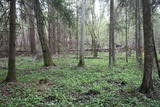 |
One of the rare places (see also Rucavas ivju audze) in Latvia where two rare and protected wild tree species grow - yew-tree and Baltic ivy. Territory is not marked on site with information signs or stands therefore it is hard for visitors to find. Not usable as tourism object.
|
|
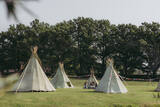 |
Glamping "Kadiķi" is located in Auce region - it will open in July 2021. It is a unique recreation area with a private area where you can find new feelings, spend the night in wigwam, merge with nature, enjoy the peace and quiet far from the city, see flocks of deer and deer, surround the surrounding waters, go hiking on forest trails, archery, enjoy the beauty of the natural landscape and gain an unforgettable rural adventure. The company's values are nature, private space and atmosphere, ecologically responsible attitude towards the environment. The wigwam has amenities worthy of a glamping tent - bed, interior items, outdoor terrace. Guests will also have breakfast. Nomadic Homes also offers to buy or rent wigwams for private events, recreation or starting your own business. |
|
 |
No 28 m augstā torņa, kas atrodas uz apdzīvotas „salas” – Siksalas Teiču purva vidū, paveras ļoti plaša augstā purva ainava ar Siksalas ezeru, citām minerālzemes salām un Siksalas mazciemu. Tā kā tornis atrodas Teiču dabas rezervātā, to var apmeklēt tikai Dabas aizsardzības pārvaldes inspektora pavadībā, iepriekš piesakot vizīti T: + 371 28333415. |
|
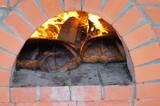 |
В хозяйстве по старинным бабушкиным рецептам, на листьях клена пекут душистый «Кисло-сладкий кузнечный» и Кузнечный ржаной» хлеб, хрустящую корочку которого смазывают льняным маслом. Предлагается поучаствовать в процессе выпечки хлеба, дегустация и приобретение. |
|
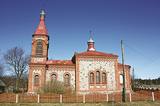 |
Впервые в письменных источниках упомянута в 1387 году под названием Домеснес, и под этим именем известна до начала 20-го века. В церковной книге Ирбе - Гипки есть сведения, что в 1770 году в Колке было 4 двора - Кроги, Уши, Вецвагари и Кабрики. В 1844 году в Колке обустроили церковную школу, в которой учителем работал Ника Полманис, а первое здание школы в Колке было построено в 1881 году. Почти полвека учителем в ней проработал лив Карлис Бернштейнс (1881 - 1951). Предводителем Дундагского бунта, начавшегося в 1859 году, считается сын хозяина Колкских Сарнастов - ливонец Ника Шубергс (1833 - 1884). В конце 19-го века в Колке было 392 жителя, а в 1935 году из 343 жителей 145 были ливами. В середине 80-х годов 20-го века на ливском языке в Колке свободно говорили 13 ливов. Колка - единственная прибрежная ливская деревня, которая продолжала развиваться в условиях советского пограничного режима, поскольку она стала центром рыболовного колхоза. В 50-60-е годы население быстро росло, были построены новые дома, школа и народный дом, детский сад, рыбообрабатывающие заводы. Сейчас Колка с 700 жителями - самый большой поселок на побережье ливов. Здесь работает цех рыбообрабатывающей фабрики «Лицис-93», местные рыбаки и коптильщики рыбы, действует центр ливов «Kуолка» („Kūolka”) и ансамбль ливов «Лаула» (“Laula”), а в Ушах можно попробовать ливские блюда. |
|
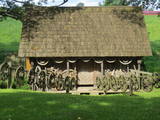 |
Saimnieks Valentīns Kuklis savā viensētā izveidojis no koka un citiem materiāliem un vēsturiskiem priekšmetiem veidotu brīvdabas kolekciju, kas savākta g.k. no Latgales lauku sētām. Daļa no vēsturiskajiem priekšmetiem ir izvietota saimnieka veidotā muzejā. Piedāvā ekskursiju un stāstījumu par savāktajiem darbarīkiem un sadzīves priekšmetiem. |
|
 |
Находится в северной части Валмиеры. Господский дом поместья Валмиермуйжа (в стиле необарокко) в период времени с 1764-й по 1771-й год построил герцог Петер Август Шлезвиг-Гольштейн-Зондербург-Бекский. В последующие годы поместье принадлежало другим многочисленных хозяевам. По нынешним свидетельствам можем судить, что господский дом поместья в начале 20-го века представлял собой одноэтажное здание с барокальной башенкой и двухэтажным корпусом, находившемся рядом. Здание служило летним и охотничьим домом. В 1918-м году здание сгорело. Два года спустя в поместье разместился лагерь военнопленных. Позже пристройку к господскому дому восстановили и организовали в ней основную школу. В 1936-м году в здании была создана тюрьма, которая во время Второй мировой войны становится местом заключения военнопленных. Позже здание сгорает и руины сносятся. До наших дней сохранилась башня поместья, потолочная роспись помещений которой, а также парк являются памятниками культуры. В наше время рядом с историческим местом была создана пивоварня Валмиермуйжас и поместье обрело второе дыхание! |
|
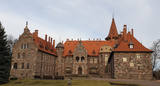 |
Один из красивейших замков Латвии (стиль эклектизма), который хозяин замка Адольф фон Вульф подарил своей жене. По проекту архитектора Х. Гризенбаха он возводился в период с 1893 по 1896 гг. Рядом с замком на берегах речушки Сула раскинулся Цесвайнский парк, в котором находится поросшее лесом Цесвайнское городище. Завершены работы по реконструкции крыши Цесвайского замка! Замок открыт для посетителей с гидом из туристического центра. Звоните по телефону +371 26172637. Весной 2020 года строительные работы в замке будут продолжены, и замок может быть временно недоступен для посетителей. Информация об изменениях- www.cesvaine.lv |
|
 |
The restaurant is located half an hour's drive from Madona. Every time dinner "Evening on the Lake" is chosen by other chefs. |
|
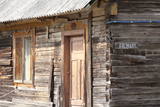 |
«Валдамо» (Vāldamō) - жилое здание желтого цвета и естественным кровельным материалом, построенное в начале прошлого столетия как новое хозяйство. «Вирго» - следующее (к северу) хозяйство за «Валдамо» (Vāldamō). Построено как новое хозяйство в двадцатых годах прошлого столетия. Жилой дом (1930 г.) отличается интересной резьбой по дереву. «Филмани» - следующее (к северу) за «Вирго». Постройка старинного вида возведена в начале ХХ века, как небольшая комната. Увидим «Силкални», если на перекрестке дороги повернем направо, в направлении Питрагса. Это здание желтого цвета, построенное примерно в 1906 г. как небольшая комната. «Норпиедаги» - находится на юге за «Силкални». Коричневого цвета и большего размера, чем предыдущее. Жилое здание примерно в 1906 году, как клеть небольшой комнаты строил активный ливский общественный работник и строитель лодок Дидрикис Волганский(1884 - 1968). 1912 г. здесь родился его сын Эдгарс Валгама, который также был работником ливской культуры и работал священником в Финляндии. «Андули» находятся около ранее упомянутого перекрестка дорог. Одно из крупнейших старых хозяйств поселка и старейший двор, история которого известна с 1680 года, когда он именовался «Кукини». Двор вмещал жилой дом(~ 1909 г.), ригу (1905 г.), клеть (середина XIX в.) и коптильню, построенную из перепиленной лодки. Под частью риги «Андули», которая построена на склоне дюны, находится средневековое, т.н. Чумовое кладбище. «Жоки» - напротив «Андулей» и с другой стороны дороги. Наблюдаемое сегодня здание построено на фундаменте исторического старого хозяйства. В середине XIX в. в «Жоки» находилась первая школа по чтению для ливских детей тогдашних прибрежных поселков Дундаги. Учителем работал лив Ника Полманис (1823 - 1903). «Тилмачи» - следующее (на севере) хозяйство за «Жоки». Сохранилось несколько зданий, которые строились на рубеже XIX – XX столетия: жилой дом коричневого цвета, конюшня и часть клети. Проводя реставрацию жилого здания, хозяин нашел доску с надписью «1825. Курляндская губерния». Упомянутые ранее семь исторических хозяйств и здания в свое время были кандидатами в список мирового культурного наследия ЮНЕСКО. |
|
 |
Kuģinieku drošībai 1875. g. celtā bāka stipri cieta 1. pasaules kara laikā. Savu tagadējo izskatu tā ieguva pēc atjaunošanas 1922. g. Bākas uguns atrodas 21,3 m v.j.l. un tās detaļas savulaik vestas no Francijas. Pie bākas ieejas 1975. g. uzstādīta piemiņas plāksne par godu bākas simtgadei. Pie bākas atrodas bijušās padomju armijas militārās bāzes atliekas. |
|
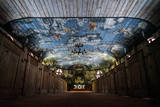 |
Один из старших европейских музеев под открытым небом. Здесь размещено 118 старинных построек со всех культурно-исторических краев Латвии. Представлены дворы латышского крестьянина, ремесленника и рыбака (также ливов) и хозяйство латгальских русских старообрядцев. Посетители приглашаются на празднование праздников года по латышским обычаям и с образовательными программами. Работают ремесленники и кабачок «Приедес». |
|
 3 дня
|
The first half of this section leads through magnificent coniferous forests, especially in the Järvevälja landscape reserve, where the trail is surrounded by beautiful dunes in the north and a raised bog in the south. It is well worth visiting the kiosk at Rannapungerja to buy smoked fish – the Lake Peipus vendace (rääbis) and some local farm produce. In the second part, the Forest Trail winds along the coast of the beautiful Lake Peipus. During the summer, when the water level in the lake is lower, beautiful, sandy beaches with wide shallows appear. Past Alajõe, the highest dunes of Lake Peipus (up to 20 m) rise on the landscape, providing a distant view of Lake Peipus, one of the largest lakes in Europe. |
|
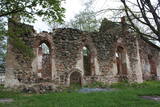 |
Lullemē atrodas blakus parka robežai, bet arī šo vietu ir vērts pieminēt kā vienu no apskates objektiem. Lullemē uzmanību piesaista viena otrai blakus stāvošās baznīcas. Mūsdienās redzamās 15. gs. celtās Sv. Marijas baznīcas drupas ir liecinieks 2. pasaules kara notikumiem, kad 1944. g. baznīcu sagrāva. Jaunā baznīca ir celta 1997. gadā. Ciema rietumdaļā uzstādīts piemineklis, kas veltīts brīvības cīņās (1919. – 1920.) kritušajiem. |
|


