
| Нo | Название | Описание |
|---|---|---|
 |
Кафе в Баложи – в 11 км от Риги. Широкий ассортимент блюд на любой вкус: от завтраков и закусок до разнообразных основных блюд как местной, так и европейской кухни. Особенно дружелюбное место для семей с малышами. |
|
 |
Хозяйка «Русского подворья» (Vene talu) готовит вкусные блюда русской национальной кухни по рецептам своей прабабушки. Гостей знакомят с традициями и предлагают обильный стол для дегустации. Также есть чайный салон, проводятся мастер-классы по приготовлению блюд русской кухни. |
|
 |
Моленная Речинской старообрядческой общиныпостроена в 1912 году. Четырехугольное здание
одного холла с каменным фундаментом и невысокой башенкой. Главный вход в боковой стороне
фасада.
|
|
 |
Находится в Авеньмуйже при въезде в Бауску, напротив Музея машин. Народно - исторический интерьер, что позволяет посетителям удобно отделиться от остальных. Латышская кухня: Овсяная каша, молочный суп, тыквенный суп, холодный свекольный суп, домашние котлеты, картофельные и тонкие блины, хлебный суп. |
|
 |
GiLine ir ģimenes uzņēmums, kurš ražo konfektes Konfelāde un sīrupus. Konfelāde ir sulas konfektes, kas ražotas no Latvijā iegūtām augļu un ogu 100 % sulām, neizmantojot konservantus un garšas pastiprinātājus. Ražošanas procesā tiek izmantots roku darbs. Arī sīrupā izmantotas tikai dabīgas izejvielas. Piedāvā radošās ekskursijas ražotnē. |
|
 11 дней
|
Этот тур предлагает вниманию путешестенников самые изысканные объекты культурного и исторического наследия, оставленного на протяжении нескольких веков — средневековые замки, различные поместья и восхитительные дворцы. Маршрут частично проходит через Национальный парк Гауя с отличными видами на луга и старинный лес, где фермерские хозяйства живут по своим неизменным устоям. Живописная дорога соединяет три замка — Сигулду, Турайду и Кримулду, расположенных на высоких берегах долины реки Гауя. Далее маршрут идет через одну из старейших церквей в Латвии и направляется в сторону двух примечательных поместий 19 века — Бирини и Игате. На следующий день отдохните с шиком в поместье — гостинице Дикли. Маршрут следует дальше, через очаровательный средневековый город Цесис с величественными руинами замка и новым замком вблизи. Вторая часть тура охватывает кольцо примечательных замков и дворцов в Земгале. Она включает в себя Яунпилский Замок, который незначительно изменился со времен средневековья, руины замка в Добеле и старинное городище в Тервете. Недалеко друг от друга находятся Баусский замок 15 века, стратегически расположенный между двух рек, Дворец Межотне в классическом стиле и самая знаменитая жемчужина Балтии - великолепный Рундальский Дворец в стиле барокко и рококо, окруженный французским парком. |
|
|
|
Hauptstadt von Hiiumaa. |
|
 |
Regīna Kalniņa is one of the best known craftswomen in Kurzeme. She weaves blankets and shawls and knits colourful mittens. She also sews Rucava and Nīca folk costumes. The process of weaving and knitting can be viewed. Regīna’s products are widely demanded in Latvia and in other European countries. |
|
 |
Viengadīgo krāšņumaugu, ēdamaugu dēstu audzēšana. Dažādu krāsu un formu tomātu audzēšana segtajās platībās. Ar 2021. gadu tomātu pārstrāde - sulas un pulvera ražošana. |
|
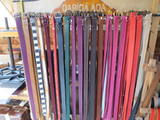 |
В мастерской мастера по обработке кожи делают пояса, сумки, украшения (подвески, пряжки, браслеты), крышки, переплетают книги и делают сувениры. Предлагаются экскурсии (для групп до 50 человек), разрешается работать самим, угощают чаем и варят суп на костре. |
|
|
|
Найденные в Диевукалнсе (Гора богов) свидетельства, вещают о том, что 3000 лет назад на этом месте была стоянка племени балтов, а в VII – IX вв. около Даугавы уже осело племя ливов. На скалистом берегу Даугавы (впервые упомянута в 1229 г.) Рижский епископ из валунов построил замок, развалины которого можно увидеть и сегодня. Лиелварде даволо вдохновение таким работникам культуры времен атмоды (пробуждения), как Андрею Пумпурсу (1841-1902) и Аусеклису (1850-1879). Во время Первой мировой войны (Даугава почти три года служит линией фронта) Лиелварде полностью разрушен. После Второй мировой войны, как и на другой территории Латвии, здесь приступают к созданию колхозов. В это время Лиелварде приобретает известность еще из-за одного символа – пива «Лачплесис». Сегодня Лиелварде является полюбившимся местом для тех путешественников, кто выбирает свой маршрут по правому берегу Даугавы. |
|
|
|
Нижняя дорога – пустынная, опоясывающая лес и давнишняя дорога между
Кошрагом и Думели, с которой связаны многие интересные факты: с мельницами
Питрагупе, которые так ни разу и не мололи (еще заметны остатки насыпи), с
паровым котлом какого-то аварийного корабля, используемым местным бароном
для выгонки смолы, с бывшей дорогой для лошадей, пересекающей болото Бажу,
с внушительным Думельским величавым камнем.
|
|
 |
В хозяйстве уже на протяжении 20 лет занимаются производством сыра из молока коров, выращенных в хозяйстве. Произведенный здесь сыр можно приобрести на крупнейших латвийских базарах и ярмарках. |
|
|
|
Pamatīgs trīsstāvu koka tornis, no kura atklājas viens no labākajiem Matsalu līča un tā apkaimes palieņu pļavu skatiem, kuras apsaimnieko mājlopi, veidodami piemērotu vidi dažādām putnu un augu sugām. Laba migrējošo zosveidīgo putnu vērošanas vieta. Tā kā tornis ietilpst Tūlingu (Tuulingu) saimniecības teritorijā – spēkrats ir jāatstāj netālu esošajā autostāvlaukumā, bet suņi jāved piesieti kakla siksnā. |
|
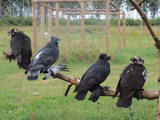 |
В сопровождении гида или индивидуально можно увидеть 16 пород голубей, вьетнамскую карликовую свинью, нутрий, кроликов, шиншилл, коз, попугаев, смеющуюся горлицу, уток, гусей, кур, фазанов и других птиц. Дети могут покормить и найти непосредственный контакт с животными. |
|
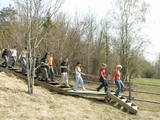 |
Тропа создана на склоне основного берега древней долины реки Абава, где можно осмотреть рассредоточенное выклинивание подземных вод, различные типы лугов, можжевельниковые поляны и др. На береговом склоне весь год „хозяйничают” дикие коровы. 200 ступеней приведут вас к вершине берега древней долины, с которой открывается великолепный вид. Тропу рекомендуется посещать в сопровождении местного гида. |
|
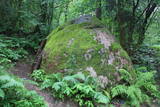 |
200 m attālumā no Gulbenes – Madonas ceļa mežainā nogāzē iegūlis 2,4 m augstais akmens. Tā lēzenajā virsmā iekalta ap metru gara, 0,3 m plata un ap 4 cm dziļa iedobe, bet akmens šķautnē - pakāpieni. Uzskata, ka šis ir sens kultakmens, pie kura ziedots. Lai nokļūtu līdz akmenim, vasaras otrajā pusē var nākties brist pa garu zāli. |
|
|
|
Ресторан «Барон Бумбиерс» находится в торговом центре «Курземе», в самом центре Лиепаи, рядом с местом, которое считается сердцем Лиепаи - Площадью роз. Ресторан предлагает сытную и традиционную латышскую кухню. Меню составлено таким образом, чтобы каждый гурман мог бы ознакомиться и оценить лакомства традиционной латышской кухни, которые приготовлены искусными мастерами и поражают своим разнообразием. Латышская кухня: Овощной суп, холодный свекольный суп, кусок свинины, клубничный суп. |
|
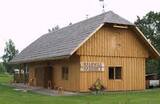 |
В мастерской плотника предлагают особые экскурсии и мероприятия для взрослых и детей, разработаны тематические программы. Под руководством мастеров можно опробовать в работе традиционные деревообрабатывающие инструменты и освоить старинные игры, в заключение угоститься чаем, придающим силы, и устроить пикник в романтическом Доме костра. Можно купить деревянные сувениры и сделать заказы. |
|
 2 дня
|
Here you will learn about home-based manufacturers, farms, companies and others in Latgale that produce various dairy products such as milk, yogurt, cottage cheese, cheese, ice cream, etc. Start in Preiļi, which is known as Latvia’s cheese capital. The route passes along the Teiči nature reserve, with a viewing tower at the side of the road, also crossing Lubāna wetlands, which are of European importance for environmental protection. Drive on to Rēzekne (churches, a monument to Māra of Latgale, “Gors,” “Zeimuļš”, etc.). Nature lovers will love the Rāzna National Park with Lake Rāzna, Mākoņkalns hill and the master ceramicist Evalds Vasiļevskis. From Dagda, head to Aglona, which is a centre for Roman Catholic worshippers, and Lake Rušons before returning to your starting point. |
|


