
| Nr | Name | Beschreibung |
|---|---|---|
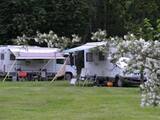 |
The "Jurmala" campsite is located in the park territory of the "Rīgas Līcis" sanatorium and offers facilitated tent, camper and caravan sites, as well as holiday homes for rent. The campsite is located next to the beach and is suitable for recreation with family and friends, as well as for organizing a variety of thematic and recreational events. The proximity to the "Dubulti" and "Jaundubulti" railway stations makes it easy to move around Jurmala or get to Riga. The campsite is also suitable for families with pets. |
|
 12 Tagen
|
This tour offers seeing the capital cities and most attractive towns of Lithuania, Latvia and Estonia through the freedom of independent travel and using public train and bus services. Getting around in cities and towns is easy, either by walking, or by using local public transport or taxis. The Old Town of Vilnius is in the UNESCO World's Cultural Heritage list. Daugavpils Fortress and the museum of Mark Rothko, the world famous abstractionist, are two highlights of Daugavpils city, Rēzekne city is known as the heart of Latgale region. Riga, the capital city of Latvia, offers a variety of cultural experiences and entertainment. Sigulda is famous for its landscapes and medieval castles. Cēsis is one of the most charming towns in Latvia with many attractions ranging from medieval heritage to nice restaurants, exhibitions and festivals. Valmiera offers art galleries, museums, nature trails and Valmiermuža beer from the famous local brewery. Tartu in Estonia is a university town, with some very popular tourist attractions such as the interactive AHHAA science centre, the largest in Baltic countries. Narva is a border town overlooking the Ivangorod fortress in Russia across the river Narva. Finish the tour in Tallinn – the capital city of Estonia. Tourist information centres in cities and towns will help you with maps, information on sights, attractions and guided tours, food, shopping and public transport. |
|
 1 Tag
|
Dieser Abschnitt des Baltischen Küstenwanderweges ist eine verhältnismäßig kurze Wanderung entlang eines bezaubernden Sandstrandes. Von der Festlandseite ist er durch lichterfüllte Kiefernwälder mit eindrucksvollen Dünen und Dünenwallen abgegrenzt. Vom Strand bis Carnikava führt der Pfad durch eine Waldpromenade. Über einen Schutzdamm verläuft der Pfad um den Fluss Vecgauja herum und erreicht die Fußgängerbrücke über die Gauja. Vor Beginn oder zum Abschluss der Wanderung lohnt es sich, die Atmosphäre Kneipen oder Sommercafés am Strand Vecāķi oder in Carnikava gemütlich zu genießen. |
|
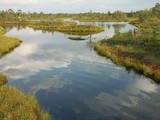 |
Der Ķemeri Nationalpark wurde 1997 gegründet und umfaßt vor allem Feuchtgebiete – die flachen Küsten der Rigaer Bucht, einen überwucherten Küstensee, riesige Sümpfe, feuchte Wälder, Moore und überschwemmte Wiesen. Der Nationalpark ist enorm wichtig für den Schutz der Pflanzen (25% der in Lettlands Roter Liste erfaßten Pflanzen findet man hier) und Tiere, besonders Nist- und Zugvögel. Das Große Ķemeri Moor ist eins der größten Moore in Lettland. Es gibt auch andere, wie das Zaļais und das Raganu Moor. Die gewaltigen Moore sind auch wichtig wegen der Schwefelquellen und dem Heilschlamm. Für das einst berühmte Ķemeri Kurbad war das die Grundlage. Die meisten der kulturellen und historischen Objekte im Ķemeri Nationalpark stehen in Verbindung mit der Meeresküste als Ort für Freizeit und Erholung. Es gibt Naturlehrpfade, Fahrradrouten, Wanderwege, Vogelbeobachtungstürme und andere Einrichtungen. Das Besucherzentrum befindet sich im kürzlich renovierten „Meža mājā” (Waldhaus) in Ķemeri.
|
|
 |
The spacious cafe in Gulbene with comfortable chairs and a tasty meal of the day menu. It is also possible to taste various types of pizza and dishes typical for the Gulbene district. Working hours: Monday-Thursday: 10:00 - 22:00, Friday-Saturday10:00 - 03:00, Sunday 11:00 - 22:00 |
|
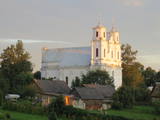 |
Die größte Ortschaft im Südosten Lettlands, die vom Süden vom Fluss Daugava umgeströmt wird. Der Fluss ist gleichzeitig die Grenze zwischen Lettland und Weißrussland. Die Mitte des Flusses ist die Grenze zwischen zwei Ländern. Piedruja besteht aus zwei Teilen – Piedruja und Aleksandrova, die von der Zentralstraße (Straße V 631 ) getrennt sind. Piedruja hat sich als ein gegenüberliegendes Territorium der Stadt Druja entwickelt, die sich am linken Daugava-Ufer befindet. Zwei Teile gehörten im 17. Jahrhundert dem Hochadelgeschlecht Sapieha des Großfürstentums Litauens. Die Häuser mit wenig Stockwerken von Druja und eine zerstörte Kirche sind gut vom Piedruja-Ufer zu sehen. Es lohnt sich, Piedruja und die Umgebung, zu Fuß zu gehen, weil die Holzhäuser mit wenig Stockwerken stellenweise an die Häuser in den Freilichtmuseen erinnern. Piedruja sieht gepflegt aus, zwischen zwei Kirchen ist ein malerischer Garten angelegt. Mit bedeutenden Objekten – mit zwei Kirchen und Daugava-Stein macht der Piedruja-Pfad bekannt. Im Teil Aleksandrova befindet sich das Hotel „Piedruja”, das ein besonderes touristisches Produkt anbietet – eine Abendunterhaltung im lettgallischen, russischen und weißrussischen Stil. Vor der Reise nach Piedruja muss man die Aufenthaltserlaubnis fürs Grenzgebiet erhalten. Eine Grenzkontrollstelle befindet sich in Piedruja am Daugava-Ufer, wo noch relativ vor nicht langer Zeit eine der Überfahrten über den Fluss Daugava in Betrieb war. |
|
 |
Atrodas sporta un atpūtas kompleksā „Trīssaliņas”. No torņa paveras pievilcīga apkaimes ainava, kas īpaši skaista ir pieneņu ziedēšanas laikā. |
|
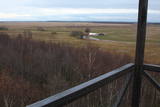 |
Suitsu tornis celts 1979. g. kā pirmais Matsalu rezervāta metāla tornis. To atjaunoja 1998. g. Torņa augstums ir 21 m, tādēļ no tā paveras izcila dabas un kultūrainava uz Kazari deltas niedrājiem un blakus esošo Suitsu upi (Suitsu jõgi), kuras krastā ir uzceltas vairākas zvejnieku laivu būdas. |
|
 |
Die Exposition ist die langjährige Arbeit des Besitzers – Valdis Tumovs. Die Kollektion enthält die in der Kriegszeit angewendeten Waffen und Munitionsfragmente, Uniformen, Haushaltsgegenstände, einzelne Exponaten der Militärtechnik (Motorrad) u.a.
|
|
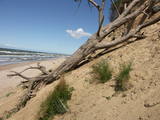 |
Der frühere Name von Jūrkalne war Felixberg, der übersetzt den glücklichen Berg bedeutet. Den heutigen Namen hat die Ortschaft im Jahr 1925 bekommen. Heute ist Jūrkalne nicht nur ein beliebter Ort von Touristen (die Steilküste von Jūrkalne), aber auch einer der seltenen Orte der Welt, wo man die Blauen Kühe besichtigen kann. |
|
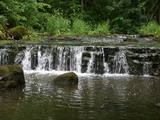 |
Das Urstromtal Abava zwischen Kandava und der Stelle, wo die Abava in die Venta fließt, ist das ausgeprägteste Flusstal in Kurzeme in Hinblick auf Landschaft und Terrain. Das Tal ist 30 bis 40 m tief und etwa 300 m breit. Das Territorium ist durch seine große Vielfalt an biologischer Natur (mehr als 800 Pflanzenarten) bekannt. Es hat viele verschiedene Biotope und natürliche Denkmäler wie z.B. Flüsse, Wasserfälle, Klippen, riesige Felsen und viele Kulturdenkmäler wie z.B. Burgberge, Kirchen, alte Gräberfelder und kleine Orte wie Kandava und Sabile. In beiden Fällen ist die historische Altstadt nationales Denkmal. Ein beliebtes Touristenziel ist der Berg Vīnakalns in Sabile, wo Wein angebaut wird sowie das Freilichtmuseum in Pedvāle. Um die kulturellen Schätze zu bewahren, wurde das kulturgeschichtliche “Abava-Tal” gegründet. Wildbestand gibt es in Drubaza und Tēvkalni, um die Landschaft zu “erhalten”. Dort gibt es Naturpfade für Touristen. Außerdem ist die Abava der beliebteste Fluß für Wassertouristen in Kurzeme. Informationen gibt es im Touristenzentrum in Kandava und Sabile.
|
|
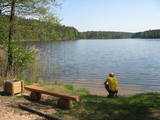 |
Das Ziel dieses Territoriums besteht im Schutz der natürlichen und kulturellen Landschaften im Gebiet des Oberen Flusstals der Daugava, wo es eine große biologische Vielfalt gibt. Naturpfade und Fahrradrouten wurden im Naturpark eingerichtet. Der Fluss ist auch für Bootstouren geeignet. Die Flusswindungen im Daugava – Naturpark sind Teil dieses Territoriums (siehe “Naturparks”).
|
|
 |
Atrodas Liepājā, E. Tisē un Lauku ielas krustojuma galā. Pa Ezera laipu (Liepājas ezera palieņu pļavas) var nokļūt līdz putnu vērošanas tornim, no kura labi pārlūkojama ezera ziemeļdaļa. Laba putnu vērošanas vieta. Ietilpst Liepājas ezera dabas lieguma teritorijā. |
|
 |
“Saules veltes” ir mājas vīna darītava Salaspilī, kas nodarbojas ar mājas vīnu, liķieru un degvīnu gatavošanu. Alkoholiskie dzērieni tiek ražoti no dabīgiem dārza augļiem un ogām, tostarp upenēm, avenēm, cidonijām, pīlādžiem un pat mārrutkiem. Apmeklētājiem ir iespēja aplūkot saimniecību (uzņem arī 15-20 lielas tūristu grupas), kā arī degustēt konkrētos dzērienus, kurus arī turpat ir iespējams iegādāties; piedāvājumā lieli un mazi tilpumi, dāvanu un suvenīru komplekti.
|
|
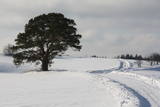 |
This is an unusually shaped pine which, according to legend, was planted by the king of Sweden during the Great Northern War.
|
|
 |
Atrodas Baznīcas ielā 10. Skaistā ēka ir viena no nedaudzajām 17. gs. celtnēm, kas būvēta koka pildrežģa tehnikā (restaurēta 1986. g.). Kurzemes hercogistes laikā tajā atradās pirmā zāļu tirgotava. Apskatāma no ārpuses. |
|
 |
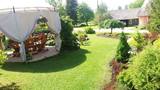
This farm is in a lovely location that offers a view of Lake Sauka. He breeds cattle which spend all year long on the sides of nearby hillocks. The owner will offer you a tour, show you the animals, and offer sweet cherries and apples from his garden. |
|
 |
This farm welcomes groups and individual travellers for a smoke sauna, lunch, and a chance to taste Suiti bread, buns and special seed pastries that are based on ancient recipes. |
|
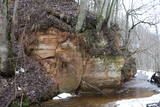 |
It is worth hiking this road where in crosses the Šlītere Blue Hills. This part of the road is approximately one kilometre long, and it goes down to the valley of the stream which crosses the hills. The place has been given a peculiar name – the Kušperlankgrāvis ravine (or the Zeltiņi ravine, as is claimed in other sources). If you're driving, be careful, because there is no bridge here, just a ford. During the early spring or the winter, you will appreciate the ravines and the impressive Blue Hills themselves. Impressive sandstone cliffs which are several metres high and have been vandalised by human hands are on both sides of the road. There is a small niche in one of the cliffs. To the right (East) from the road at the terrace of the Blue Hills is a side road which leads to the Mežlīdumi homestead. Please be gentle with the cliffs! |
|
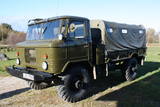 |
Edgars Kārklevalks, operator of a guesthouse Pūpoli, has a restored Soviet military GAZ-66 truck in which he offers historical and informational tours of Northern Kurzeme. The route includes former military territories.
|
|


