
| Нo | Название | Описание |
|---|---|---|
 |
Tītuvēnu reģionālais parks (Tytuvėnų regioninis parkas) dibināts 1992. gadā. Parkam raksturīga ainavu daudzveidība – te ir sastopami lieli mežu masīvi, purvi, ezeri, upītes. Šejienes reljefa veidotājs tāpat kā citur Baltijas valstīs ir bijis ledājs, kas atnesis un atstājis aiz sevis garas laukakmeņu grēdas. Kopumā parkā ir konstatētas 603 augu un 787 dzīvnieku sugas. Parkā aug veci un dabiski boreālie (ziemeļu) meži, veci un jaukti platlapju meži ar ozoliem, liepām, kļavām, ošiem un gobām, sugām bagāti egļu meži, staignāju meži, nogāžu un gravu meži, purvaini meži un aluviālie (pārplūstošie) meži. Parkā esošās pļavas un tīrumi ir nozīmīga dzērvju atpūtas vieta migrāciju laikā, kad te pulcējās tūkstošiem putnu. Šiluvas baznīca un Tītuvēnu klosteris ir svētceļnieku galamērķis vairāk nekā 500 gadu garumā. |
|
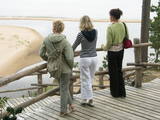 |
At the estuary of the Inčupe River, there is the White Dune, which is around 18 metres high and is the most lovely element of the Vidzeme shoreline among those that have been created by the wind, sand and sea. There is a wooden footpath (the Saulriets trail) which is meant to view, but also protect the dune. It has a viewing area, too. The territory to the south of the river is in the Piejūra Nature Park.
|
|
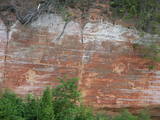 |
One of the most popular areas of uncovered sandstone in Latvia, known for its unusually smooth and sound-reflecting cliff wall (around 12m in height). Located on the right bank of the Salaca river, there is a place for tenting. A fun experiment is to stand in various closes opposite the cliff and to speak quietly. The echo will be heard either by the speaker or by people who are standing elsewhere. Located in the Salaca valley nature park and the Skaņaiskalns park.
|
|
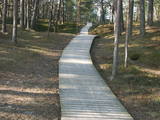 |
The nature reserve “Plieņciema kāpa” is founded in 1987 and covers 60.6 hectares of land. Since 2005 it is a Natura2000 site. The nature reserve protects a 150-200m wide and 3.5km long part of a distinct, continuous dune rampart. The dunes shelter Plieņciems village protecting from sea winds. The key natural values here are rare and protected biotopes of national and European significance: “Wooded dunes of the coast 2180” in the area of 61.8 ha, “Fixed dunes with herbaceous vegetation, 2130 (grey dunes)” in the area of 8.27 ha, “Shifting dunes along the shoreline with Ammophila arenaria (white dunes) 2120 in the area of 3.20 ha”, “Black alder swamp forests 9080”, ) in the area of 2,68 ha, as well as rare and protected species of Latvian and European significance including eastern pasqueflower (pulsatilla patens), Rolling Hen-and-chicks(Jovibarba sobolifera), Nothorhina muricata, Wryneck (Jynx torquilla), Woodlark (Lullula arborea). In the nature reserve, there is a “Vabu square” – a deflation in the dune where for centuries local fishermen have been drying nets. In the 18th and 19th centuries ships were built here. Nine ships have been built here in 1882 - 1925. The four-masted gaff-rigged schooner with hoisting engine “Eurasia” was completed in 1925, the largest ship built by the Kurzeme fishermen. It was one of the works of Martin Morgenstern (1866-1945), a famous shipbuilding master. Thanks to dunes, Plieņciems village was a popular holiday resort and has been mentioned in written sources already in 1738. Clergymen and landlords with their families used to stay here. In 1808, a merchant from Riga bought the local pub and replaced it with a massive two-storey building with a large ball-room and dining hall. On July 15, 1810, a sea bathing facility was opened for health treatment. For arrival of the empress Elisabeth Alexeievna, the wife of emperor Alexander I of Russia, who was a grandson of Catherine the Great, the road from Tukums town was repaired, the two highest hills were levelled, a road passage was dug across the Plieņciems dune, and a lime-tree alley was planted to facilitate access to the beach and bathing spot. Later, in 1920ies, the resort circles consisted mainly of the Kurzeme region landlords. There was a dance-floor in the park of Plieņciems village, and a special orchestra played music for resort guests three times a day. |
|
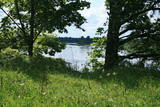 |
Важное место для истории Латвии, так как в 12 - 13 веке здесь находился административный и духовный центр древней Латгальской земли – Ерсика. Замок правителя Ерсики Висвалдиса возвышался на крутом берегу Даугавы высотой 18 метров. Площадку городища (100 × 75 м) окружал вал и деревянная защитная стена. Внутрь можно было попасть через охраняемые ворота, за которыми располагались жилые и хозяйственные постройки и даже небольшая церковь. В городище проводились археологические раскопки, во время которых были обнаружены остатки срубов, а также многие другие артефакты 10 - 13 века, свидетельствующие об активных торговых отношениях, в том числе с Древней Русью. В 1209 году войско епископа Альберта обманом заняло замок и древний город Ерсика. Семью правителя Висвалдиса берут в плен, поэтому латгальский король вынужден стать вассалом епископа. Территория городища находится в частной собственности, поэтому его посещение необходимо согласовать с собственником. |
|
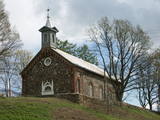 |
На западном берегу озера Цирма возвышается построенная из валунов в 1830 г. церковь. Известность ей принесла картина с изображением Девы Марии, которой приписываются чудотворные способности. Поэтому это - популярная конечная цель паломников. |
|
 |
В мастерской рождаются красивые работы - пояса, сумки, подушки с характерными для Латгалии гаммами красок и комбинациями. Посетителей знакомят с техникой ткачества и готовыми работами. Каждый сам может соткать свой пояс, приобрести и заказать работы. |
|
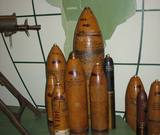 |
Музей располагается в Пороховой башне, которая в средние века в Риге была существенной составной частью городской системы фортификации. Основная тема музея – военно-политическая история Латвии и с этим связанные экспонаты.
|
|
 |
The “Lamb Club” is a farm in Mazsalaca, and it is special because the sheep live in a real club! The owners offer the atmosphere of a farm at which the sheep play major roles. Enjoy mutton and sheep milk foods and beverages, feel how comfortable it is to read your favourite while sitting on a fluffy sheepskin, and, in order not to get cold by the campfire in the evening, you can purchase warm woollen socks and woven woollen cloaks. The owners hope that people from Latvia and all around the world will spend more time at the farm, because accommodations involve a new glamping tent that is as close as possible to nature and the healthy rural environment. Don’t lose a lick of the comfort that you are used to in your everyday life! The owners, Ilze and Valters, will be happy to give you a tour during which they talk about herding sheep. If you contact them in advance, they will prepare a tasty mutton meal for you. The tour can also be supplemented with various activities such as games, quizzes and creative workshops at which sheep wool is utilised. |
|
 |
Находится в живописном месте – в древней долине Абавы между Кандавой и Сабиле. Расположился в историческом здании, имеющим одну из крупнейших в Балтии кухню-очаг-дымоход, каменные стены которой постепенно переходят в трубу. Рядом находится стоянка для водных туристов. Латышская кухня: Холодный свекольный суп, суп с фрикадельками, щавелевый суп, суп из кислой капусты, куриная печенка, домашняя котлета, копченые свиные ребрышки, жареная свинина, приготовленная на гриле свинина, картофельные блины со сметаной, тонкие блины, натуральные чаи. Особое блюдо: Вареники фаршированные копченым мясом, творогом и луком. |
|
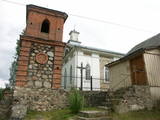 |
Daugavpils – Krāslavas (A 6) ceļa malā redzamais dievnams uzcelts ar Plāteru dzimtas pārstāvju – Vaclava un Kazimira Plātera atbalstu 1811. gadā. Dievnamu ieskauj metālkaluma un no ķieģeļiem mūrēts žogs, kā arī divi zvanu torņi. Labās puses zvanu tornī karājas vecs zvans. No baznīcas iekārtas ir jāpiemin galvenais altāris, ko rotā Dievmātes skulptūra, trīs biktskrēsli, četras evaņģēlistu sienas freskas un Lurdas Dievmātes glezna. Ikdienā apskatāma no ārpuses. |
|
|
|
Guest house “Hilda Villa” is located in Estonia, in Viljandi town center. Guest house has special family room for 4 person and smaller families also. On the first floor there are Hilda's room and the Tenant's room, bathroom, living room, and kitchen. On the second floor there are 3 bedrooms for accommodation, 2 showers, and 2 toilets. |
|
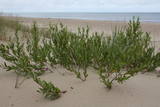 |
The territory is established in order to protect the dunes and the seashore habitats. There are beautiful beaches and wooded dunes, and the paved Klaipēda–Palanga bikeway trails through the park, which is worth travelling at full length. |
|
 |
Saimniecība "Baltiņi" atrodas Auces novadā un nodarbojas ar lopkopību un lauksaimniecību. Viesiem ir iespēja redzēt un izzināt piena ražošanas procesu, kā arī iepazīt saimniecības dzīvniekus. Saimnieki piedāvā apskatīt padomju laiku auto kolekciju, pieejama arī suvenīru un trauku kolekcija ar govs motīviem. |
|
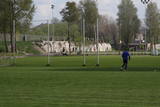 |
Небольшая часть от впечатляющей системы фортификации, опоясывающей периметр и побережье города. Находится у стадиона «Олимпия». См. также объекты № 30077, 30078, 30079, 30080, 30098.
|
|
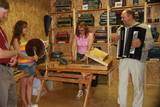 |
Представлена обширная коллекция старинных музыкальных инструментов. Посетителям предлагают послушать рассказы об истории и процессе изготовления инструментов. Гости могут включиться в музицирование, а также заказать и приобрести самодельные инструменты. По предварительной договоренности можно послушать концертную программу капеллы семьи Игаунисов. |
|
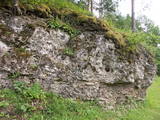 |
This is a segment of the Gauja River which is full of rapids in some places. It stretches from Vidaga and the place where the Vecpalsa River flows into the Gauja. Along the Gauja and its tributaries, dolomite outcrops can be seen on the shores, and the largest of these are the Randati cliffs. The restricted area was established mostly to protect various kinds of forests, meadows, outcrops and their habitats. This is an interesting part of the central section of the Gauja for people who enjoy beautiful landscapes and for those who are water tourists.
|
|
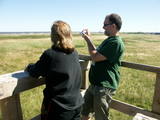 |
The key treasure in this park is that it has a lake that is one of the most intensive sites for birdwatchers in all of Latvia. It also features outstanding flora and the shallow waters of the Bay of Rīga. Recommended: Hike along the seashore from Mērsrags to Engure (20 km). See wild domestic animals (horses and cows) on the eastern shore of Lake Engure. There’s a bird-watching tower on the NW shore of the lake (approach from Kūļciems, where you can see domestic animals adapted to life in the wild, including the Blue Cows of Latvia). A bird-watching tower can be found at a place called Jomiņa near Mērsrags, where the seashore meadow is an uncommon biotope
|
|
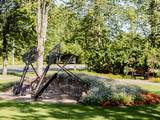 |
Parkā blakus pusloka tiltiņam ir novietotas trīs milzīgas dzelzs atslēgas, kuras balsta akmens mūris un metāla arkas. Tās simbolizē trīs vēsturiskos centrus un to vienotību – Siguldu, Turaidu, Krimuldu. Dobēs pie šī objekta sezonāli zied dažādi kultūraugi. |
|
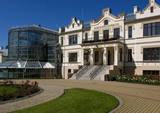 |
Парк усадьбы Кретинга — один из старейших усадебных парков Литвы, сохранившихся с XVI–XVIII вв. Это парк смешанного стиля площадью 23 га. В южной части усадебного парка на месте бывшего фруктового сада установлен Астрономический календарь с солнечными часами, сформирована живая изгородь, проложены аллеи, разбиты клумбы, альпинарии, выращиваются коллекции георгинов, пионов, тюльпанов, восстанавливаются фрагменты розария, оборудованы пешеходные дорожки, места для отдыха. Отреставрированный фонтан усадьбы стал излюбленным местом для отдыха посетителей. |
|


