
| Нo | Название | Описание |
|---|---|---|
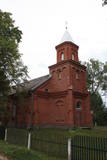 |
Atrodas iepretim bākai. Saukta arī par Pizes (Miķeļtorņa lībiskais nosaukums) baznīcu. To uzcēla 1893. g. Padomju laikā ēkā bija izvietots pionieru nometnes klubs. Tagad tā atkal kalpo savam pamatmērķim. |
|
 |
Это место в Валмиере ‒ в самом сердце города, напротив Ратушной площади ‒ пришлось по душе гурманам. Здесь каждый гость может стать гурманом и насладиться самыми разными вкусовыми «букетами» и соответствующими времени года продуктами, доставленными из местных хозяйств. Летний сад ресторана сделан так, чтобы подчеркнуть значение Валмиеры как Ганзейского города ‒ средневекового союза торговцев. Латышская кухня: Ассорти латвийских сыров, Валмиерский салат, картофель в мундире с творогом, холодный суп на кефире, суп из баранины, судак из озера Буртниеку, жареное филе сома, стейк из бараньей ножки, жареные свиные ребрышки. Особое блюдо: Испеченный в меде ржаной хлеб. |
|
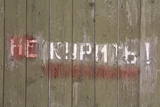 |
На обширной территории к югу от Павилосты когда-то располагались объединенные склады и нефтебаза. В настоящее время территория используется для получения строительных материалов и в качестве деревообрабатывающей мастерской. Рядом с территорией расположены предупреждающие знаки «Опасно для жизни».
|
|
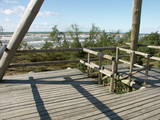 |
The Grey Dune of Pāvilosta nature reserve covers 42 hectares of land and has been designated to protect Latvia’s widest dune (1.5 km parallel the seacoast, and 812m in the direction from the sea to inland) and the biotopes and species found there. A two-storied watching platform is built to savour the scenery. In Soviet time, local fishermen used to dry seaweed in dunes for production of agar, and thus rich vegetation developed in the dune. The Gray Dune is part of a unique landscape with the sea view, the traditional architecture of Pāvilosta fishing town, and biotopes, including protected, which border the nature reserve: pine forest, embryonic dunes, white dunes, and wet beech where once can find springs. Biotope 2130, “Fixed dunes with herbaceous vegetation (grey dunes)” is found here. At present, pines are taking over the biotope, therefore some maintenance activities are required. The Grey Dune is most beautiful in the second half of July and in August when the blossoming Breckland Thyme (Thymus serpyllum) and Narrowleaf Hawkweed (Hieracium umbellatum) colour the dune in shades of yellow and violet. The most typical species here are Pasqueflower (Pulsatilla pretense), Grey Hair-grass(Corynephorus canescens), Blue Hair Grass (Koeleria glauca), Sand Pink (Dianthus arenarius). The Gray Dune earned wide recognition when a group of enthusiasts actively campaigned for six years to achieve the status of the nature reserve. Guna Grimsta, a group representative remembers that they organised events and activities throughout Latvia involving large part of the society, prominent personalities, church parishes, NGOs, school youth and university students. The activists were writing letters, making videos, doing research articles, composing music, collecting signatures and submitting proposals to achieve official status of the Grey Dune as an especially protected nature site. They organised seminars, concerts, art plenaires and exhibitions, educational excursions, joint-work, musical church services, meetings with high officials and their on-site visits to the Gray Dune. In 2006 the group received the title „Proudness of Latvia” awarded by the national TV3 broadcasting company and daily paper „Diena”. |
|
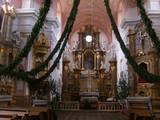 |
Одна из выдающихся католических церквей Латвии. Осматриваемый сегодня каменный храм построен в 1761 году в стиле польского барокко. Сохранился оригинальный и очень роскошный интерьер (XVIII в.). Ежегодно здесь проводятся мероприятия духовной музыки и дни польской культуры. В сопровождении гида можно осмотреть церковь и другие туристические объекты приграничного района ЕС (необходимо наличие паспорта!) |
|
 |
In 2006, a wooden pathway was installed across the Planči swamp – 500m long, which means that the visitor will spend around 20 minutes there. This is probably the only nature trail in Latvia for which there are plans to post information in Braille for people with impaired vision.
|
|
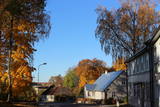 |
Дурбе - самый маленький город в Латвии со знаменитой историей, а также самый маленький город Латвии по численности населения (около 500 жителей). Дурбе упоминался уже в договоре 1230 года между куршами и Балдуином Альнским. В окрестностях Дурбе в 1260 году произошла знаменитая битва при Дурбе между объединенными силами Ливонского и Германского орденов и жемайшами, на сторону которых перешли курши, призванные в войско ордена. В Дурбе жил и работал один из первых садоводов Латвии Симанис Клевер (1834-1922). Благодаря ему в окрестных садах встречается много редких сортов яблонь. На гербе Дурбе, утвержденном в 1925 году, изображена серебряная яблоня. В окрестностях находится много хозяйств, специализирующихся на выращивании фруктов, и много активных садовников. Каждый сентябрь проводится праздник яблок. |
|
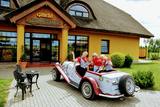 |
Местность, где расположена усадьба, местными называется Центром деревни Домантай. Усадьба состоит из 4-ёх отдельных зданий, сохранивших традиции этнической архитектуры: карчама, житница, баня, традиционная изба. |
|
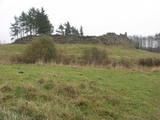 |
This area was established to protect the cultural and lake-related landscapes of the central section of the Vidzeme highlands, with Lake Alauksts, Lake Inesis, Lake Tauns, etc., with their species and biotopes. There are many important cultural objects in this territory – the Vecpiebalga Lutheran Church, the Vecpiebalga castle ruins, the Vecpiebalga baronial estate, as well as locations where several distinguished figures from the Latvian world of culture have lived and worked. Memorial museums have been established to commemorate them. The lakes are great for fishing, and cross-country competitions are traditionally held in the area of Lake Alauksts during the winter. The Sproģi nature reserve has been established on the islands and peninsula of Lake Inesis.
|
|
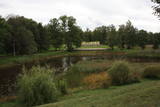 |
Dundagas pili ieskauj parks, kura pirmsākumi ir meklējami jau 17. gs. Tam cauri tek Pāces upīte, kuras uzdambējums veido Dundagas dīķi. Tajā atrodas senatnē (vēl pirms pils būvniecības) mākslīgi veidota sala - Kalnadārza pilskalns. Tam iepretim (dīķa austrumu krastā) atrodas Dundagas pilskalns. Parkā joprojām zaļo (daži lielākie zari ir nolūzuši) t.s. “Rubļa ozols”, kura attēls bija uz 1919. g. izdotās Latvijas simts rubļu naudaszīmes. Parkā uzcelta estrāde. |
|
 |
Ресторан - кафе «Мокка» расположен в Эстонии, в городе Тарту, недалеко от Тартуского университета, и предлагает обширное меню. |
|
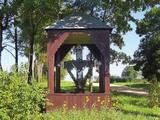 |
Распятие Ружини является одним из характерных для
Латгалии. При строительстве использовано дерево, как это
традиционно делалось в прежние времена.
|
|
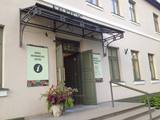 |
Находится в Науене, на обочине шоссе Даугавпилс - Краслава (А 6). В коллекции этнографического музея представлена экспозиция «Комната богатого латвийского крестьянина» с предметами быта 19-20 в.в. Самым маленьким посетителям будет интересна уникальная диорама «Подводный мир», где можно увидеть подводных жителей Даугавы. Природная экспозиция «Сирдс Даугава» знакомит с природными и культурно-историческими ценностями особо охраняемых природных территорий - природного парка «Даугавас Локи» и охраняемой ландшафтной зоны «Аугшдаугава». Музей предлагает творческие мастерские и музейно-педагогические программы. На востоке от музея есть яблоневый сад. На другой стороне дороги расположился благоустроенный парк Юзефова, в котором находился построенный графом Богданом Шахно усадебный замок, до наших дней не сохранившийся. В парке Юзефова проложены пешеходные дорожки, оборудованы места отдыха, информационные стенды, которые повествуют об истории парка и самых интересных видах деревьев. Прогулка по парку займет не менее часа. |
|
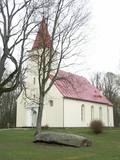 |
Located in the
|
|
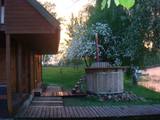 |
Хозяева усадьбы в теплое время года приглашают попробовать блюда, приготавливаемые на летней кухне (плов, яичницу, пироги). Для приготовления блюд используются различные овощи, выращиваемые на огороде, расположенном здесь же.
|
|
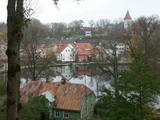 |
Талси называют городом на девяти холмах. Историческая застройка города вокруг Базницкалнса, Талси и Вилкмуйжских озер образовалась, главным образом, в 19 столетии. Одна из наикрасивейших – улица Лиела с малоэтажной (два - три этажа) застройкой (двускатные крыши). Красивые пейзажи открываются с окрестностей озера Талси и Кенинькалнса. |
|
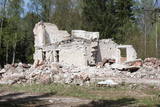 |
Часть связи в Книпупьи в Бартских лесах брошена и является бесхозной. Деградирующий объект, здания демонтированы с целью получения строительных материалов.
|
|
 |
Piemājas saimniecība "Rudā lapsa", kas atrodas Ludzas novadā, interesentiem piedāvā iespēju iepazīt laukus, apskatīt mājdzīvniekus, saklausīt dabu, ļauties mierīgai atpūtai. Tiek piedāvātas telšu un piknika/ugunskura vietas. Ciemos tiek gaidīts katrs, kas vēlas atpūsties un izrauties no ikdienas skrējiena. |
|
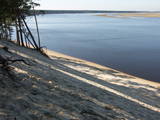 |
An important complex of the coastline and its sand dunes along with the mouths of three major rivers – the Lielupe, the Daugava and the Gauja. This area has ancient traditions of recreation and spa services. The territory has lovely shoreline landscapes and features one of the few coastline meadows in Latvia. The nature park includes several restricted areas – the meadows of the Lielupe estuary, Vakarbuļļi, Daugavgrīva, Vecdaugava and Ummis (see the section on “Restricted Natural Areas”). Interesting elements of nature in this area include the amphitheatre of the Garciems dunes, along with individual dunes such as the Legzdiņi dune and the so-called ski mountain dune. Visitors will be attracted by various cultural and historical monuments – fortifications on the Mangaļi peninsula, military buildings from the period of the Russian tsars all the way through the late period of the Soviet occupation, the fortress of Daugavgrīva, the Vecāķi spa with its old shoreline buildings, and the beaches at Daugavgrīva and Vecāķi. The proximity of the city of Rīga and various important recreational resources are the reason for the massive anthropogenic burden that is placed on this territory. The nature park is appropriate for active tourism (hiking, bicycling, boating, driving), distance skiing, nature and bird-watching, cultural tourism, passive leisure and educational tourism. There are nature trails at Daugavgrīva and the Rožu dunes, along with other elements of infrastructure. |
|
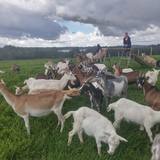 |
В приусадебном хозяйстве недалеко от озера Юмурдас производят сыр из молока 40 дойных коз. Всего в хозяйстве 60 коз. Продукцию можно приобрести на месте, а также на рынках товаров и продуктов домашнего изготовления. Доставка продукции по заказу. В хозяйстве проходят экскурсии – знакомство с козочкой Бонни, ее подружками и дегустация сыра. |
|


