
| Нo | Название | Описание |
|---|---|---|
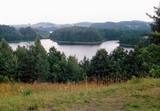 |
Vermutlich ein heidnischer Hügel. Schöner Blick auf die 6 Seenlandschaften. Ein Symbol vom Nationalpark. |
|
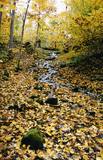 |
The lime gully that emerged as the Baltic ice lake receded is crossed by the powerful streams of Mežmuiža, and the water from these streams contains a high concentration of lime salts. The water from the streams flows into a mill pond that has a very interesting colour. The sculptor Teodors Zaļkalns once lived in the travertine mill that is alongside the pond. Wood pathways have been installed for those who wish to visit the streams.
|
|
 |
Ближайший к берегу ливов город, в котором действует Вентспилсское отделение Сообщества ливов, ансамбль ливов «Рандалист» («Rāndalist»), а в соседнем Таргале – ансамбли ливов «Кандла» («Kāndla») и «Пишки кандла» («Piški kāndla»). |
|
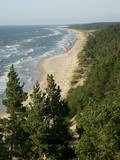 |
Construction on the lighthouse was initially completed in 1879. The structure suffered damage during both world wars and was restored several times. The structure is 19 metres high and stands 46.5 metres above the wavy sea. Here you will find one of the loveliest views of the shores of the Baltic Sea.
|
|
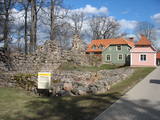 |
Впервые в исторических летописях Валмиера упоминается в 1323 году. До XIII века это место входило в состав латгальского государства Талава. Строительство средневекового Валмиерского замка началось в начале XIII века, а в 1283 году между Гауей и Ратсупите поднимается церковь. Экономическому развитию населенного места способствовало нахождение рядом с Псковом и торговыми путями Тербатас - Новгород. В XIV - XVI вв. Валмиера входит в Ганзейский союз. От войн, эпидемий и пожаров XVI – XVIII вв. город существенно изменился. Во второй половине XIX века начинается экономический расцвет города. Этому способствовал и построенный в 1866 году деревянный мост через Гаую и открытая в 1899 г. железная дорога Рига – Псков. В 1944 году исторический центр города был разрушен. В послевоенные годы в городе функционируют большие промышленные предприятия, например, Валмиерский завод (также и в наши дни) стекловолокна. Современная Валмиера – это экономический, образовательный и спортивный центр Видземе. |
|
 7 дней
|
The most spectacular autumn events are the Crane shows which can be observed at the bogs and fields. The tour will pass several of these places. We have included different biotops in the tour- seacost, different forests, bogs and fish ponds- in order to see various bird species. |
|
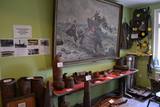 |
Музей открыли в 2007-ом году, в его небольшой экспозиции 180-мм пушка, реконструкция прибрежной полосы, убежище гражданской обороны, бронетранспортеры, пограничные катера, морские мины. В главном здании на своем первоначальном месте морской радар, экспонируются различные предметы, связанные с военной историей, обустроена часть казармы, красный уголок и оружейная комната. |
|
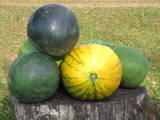 |
Выращиванием арбузов хозяева занялись в 1997 г., используя сорта, которые подходят для климатических условий Латвии. «Ягодка» хозяйства - арбузы с желтой мяготью. Самый больший выращенный арбуз весил 11 кг. Во время сезона - покупка арбузов и советы хозяина. |
|
 |
Место, где можно познакомиться с историей и культурным наследием видземских ливов, как осматривая запасы музея, так и пробуя когда-то характерные для края блюда и напитки - букстиньбиезпутру и шкалик – крепкий алкогольный напиток, изготовленный по старинным рецептам. Интересующиеся группы в настоящей деревенской печи могут испечь черный хлеб. |
|
 |
Karulas nacionālā parka lielākais ezers - 2,8 km garš, līdz 1 km plats. Ezera ziemeļaustrumu krastā atrodas parka apmeklētāju centrs. 5,5 m dziļais ezers ir gan zivīm, gan nostāstiem bagāta vieta. Ezera un tuvākās apkārtnes iepazīšanas nolūkā ir izveidota 3,5 km garā Ehijerva taka (Ähijärve teerada). Tās sākums atrodas pie iepriekš minētā apmeklētāju centra, kur izveidota atpūtas vieta un atraktīvs bērnu spēļu laukums. Taka sākumā ved gar ezera krastu, nelieliem mitrājiem un meža ceļiem, kas izmantoti iepriekšējos gadsimtos. |
|
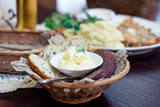 |
Находится в 0,3 км от Юркалнского обрыва. Расположено в историческом восстановленном деревянном здании. Латышская кухня: Суп-пюре из серого гороха, коча (перловая каша) с боровиками, купиняс (простокваша, кефир, творог, картофель, тмин), селедка с творогом, серый горох с салом, блюда из морской рыбы, бигузис (десерт из черного хлеба). Особое блюдо: Десерт с облепихой и медом. |
|
 |
Latviskais pirts rituāls ozola ieskautā lauku pirtiņā. Pirts procedūrās tiek izmantoti dabīgi un pašgatavoti materiāli (augu un zaru slotiņas, skrubīši, lāvas paklājiņi, tējas u.tml.), skaņu instrumenti (sajūtu bunga, zvanga, lietus koki, zvaniņi u.c.), klūgu slotiņas, latviešu tautas dziesmas, labi un stipri vārdi. |
|
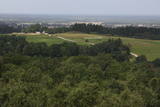 |
The wooden tower was built and stands 28 metres high. It is at the top of the highest hillock of the Northern Courlandian Highlands – Kamparkalns Hill (175 metres above sea level). The tower offers one of the loveliest views in the region of the hillocks of Talsi. On a clear day, you can see all the way to the Bay of Rīga and Talsi. |
|
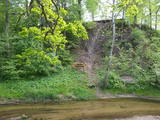 |
No Vilces muižas pa pastaigu taku var aiziet līdz pilskalnam (12 m virs apkārtnes, labiekārtots), kas atrodas Vilces un Rukūzes upīšu satekā. Atradumi liecina, ka cilvēku apmetne šeit ir pastāvējusi jau vidējā dzelzs laikmetā. Pilskalna piekājē atrodas atpūtai labiekārtotā Zaķu pļava. Nostāsti vēsta, ka Vilces grava bijusi laupītāja Kaupēna slēpšanās vieta. |
|
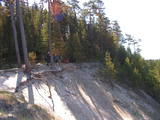 |
This nature park covers an area of the Baltic Sea coast and part of newly established sea protected area "Nida - Pērkone" with sand dunes which once used to move around but have now settled. These are the highest dunes in Latvia. Visitors will enjoy the coastal landscape, sandy beaches and small fishing villages of the area. A nature trail has been established on Pūsēni Hill (one of the highest dunes in Latvia) for those who wish to tour the nature park. |
|
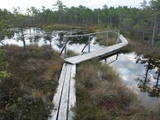 |
The Teiči Nature Reserve was established in 1982 and is one of the largest areas of moss swamps in the Baltic region. It consists of the Teiči and the Pelečāre swamps, with a variety of plants and animals, as well as adjacent territories which are under protection. The Teiči swamp is the largest nesting ground for a number of bird species, including the common crane, the whimbrel, the golden plover and the wood sandpiper. During migratory seasons, thousands of geese of various kinds are found in the area. The reserve can be toured only in the company of a guide from reserve headquarters, and one must apply in advance for such a tour. Visitors will see the pathway of footbridges on Lake Silda, as well as Siksala island, which offers a magnificent view of Latvian swampland from a viewing tower. |
|
.JPG?size=160) |
Находится в Этнографическом музее Латвии под открытым небом. Обустроена висторической корчме, которая из Вецумниеки перевезена в музей, сохранив сквозной вертикальный дымоход над очагом (апвалкдуменис), печь для выпечки хлеба и др. Питание можно объединить с участием в коллективе народной музыки и ремесленничества. Организуют «Латышскую свадьбу». Латышская кухня: Бутерброды с килькой, минога, фаршированная щука, луковый клопс, бычьи яйца в сметанном соусе, приготовленный на гриле поросенок, деревенский хлеб, испеченный самими деревенский хлеб, на костре сваренный суп, блины. Особое блюдо: Жаркое в брусничном соусе от корчмы «Приедес крогс». |
|
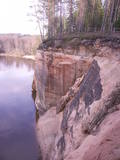 |
These sandstone cliffs were once known as the Pieškalni or Pieškaļi cliffs. They are around 7 km to the North from the centre of Cēsis. These are the most monolithic sandstone cliffs in the Baltic States – around 700 m long (with some 330 m along the Gauja River) and a maximum height of 22 m. There is a viewing area which offers a grand view of the Gauja River valley. Water tourists will boat up to the majestic wall of the cliff and will be surprised at what they see! The name of the cliffs, Ērģeles, is the word for "pipe organ" in Latvian, and the name was supposedly given to the cliffs because of the echoes which can be heard there – they reputedly sound like an organ. Hikers and boaters must be very careful when in this area – please make sure that you are safe! Please note, too, that the infrastructure of the cliff is scheduled to be renovated in 2012. |
|
 |
Формирование самого большого в Европе Японского сада (16 га) было начато в 2007 г. Сад был разбит японским мастером Хаджиме Ватанабе и врачом Шарунасом Касмаускасом, которые объединили в своем творении религию, искусство и почтительное отношение к природе. |
|
 |
В хозяйстве зеленеет богатейший яблоневый сад, а в поле растет картофель и клубника. Можно купить яблоки и попробовать клубнику. |
|


