
| Нo | Название | Описание |
|---|---|---|
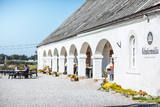 |
Находится в северной части Валмиеры. Господский дом поместья Валмиермуйжа (в стиле необарокко) в период времени с 1764-й по 1771-й год построил герцог Петер Август Шлезвиг-Гольштейн-Зондербург-Бекский. В последующие годы поместье принадлежало другим многочисленных хозяевам. По нынешним свидетельствам можем судить, что господский дом поместья в начале 20-го века представлял собой одноэтажное здание с барокальной башенкой и двухэтажным корпусом, находившемся рядом. Здание служило летним и охотничьим домом. В 1918-м году здание сгорело. Два года спустя в поместье разместился лагерь военнопленных. Позже пристройку к господскому дому восстановили и организовали в ней основную школу. В 1936-м году в здании была создана тюрьма, которая во время Второй мировой войны становится местом заключения военнопленных. Позже здание сгорает и руины сносятся. До наших дней сохранилась башня поместья, потолочная роспись помещений которой, а также парк являются памятниками культуры. В наше время рядом с историческим местом была создана пивоварня Валмиермуйжас и поместье обрело второе дыхание! |
|
 4 дня
|
Профессиональный сельскохозяйственный тур, в ходе которого будет возможность ознакомиться с животноводческими хозяйствами, в которых разводят коров, овец, коз и свиней. День знакомства, в течение которого запланирован осмотр Риги – столицы Латвии (наследие ЮНЕСКО), организована встреча со специалистами Министерства земледелия Латвийской Республики, представителями негосударственных организаций сельхозпроизводителей. В первой половине следующего дня отправляемся в Курземе. Посещение крестьянского хозяйства, которое специализируется на мясном животноводстве. Специализация второго хозяйства – различные отрасли: разведение чистокровного и гибридного крупного рогатого скота на племя, откорм и производство мяса, продажа молочных поросят и производство свинины, выращивание зерновых и пищевого картофеля, а также пчеловодство. Вечером – посещение старого города Кулдиги и самого широкого водопада в Европе – Вентас румба. На следующий день отправляемся в Видземе. Первое хозяйство ведет интенсивное сельское хозяйство и специализируется на разведении крупного рогатого скота. Специализация второго сельского хозяйства – молочное животноводство, зерноводство и выращивание трав. Осмотр развалин Кокнесского замка, который находится на берегу Даугавы – судьбоносной реки латышского народа. Вечером – посещение одного из крупнейших козоводческих хозяйств Латвии. В хозяйстве разводят около 160 чистопородных коз (Альпийская, Англо, Немецкая белая благородная) и кабанчиков домашней свиньи (на племя). Экскурсия и дегустация разных сортов сыра. Утром следующего дня посетим одно из крупнейших овцеводческих хозяйств Латвии, которое одновременно является биологическим хозяйством. Здесь разводят около 250 овец Латвийской темноголовой породы. Второе хозяйство работает в двух направлениях – выращивает зерновые и семена трав и занимается молочным животноводством и разведением молодняка. Осмотр Цесисского замка. Цесисский замок был резиденцией магистров Ливонского ордена и одной из сильнейших крепостей ордена на сегодняшней территории Балтии. В завершении дня – поместье Унгурмуйжа – один из выдающихся образцов деревянного барокального строительства в Латвии 18-го века. |
|
 |
Lapsu Mājas sieri tiek gatavoti Ogrē. Godinot latviskās tradīcijas, tos 2013. gadā kā mazais mājražotājs sāka siet Jānis Lapsa savā mājas virtuvē. Lapsu Mājas sieru gatavošanas process ir 101% roku darbs - sākot no sieru masas gatavošanas līdz pat iepakošanai. SieriMājas siers ar samazinātu sāls daudzumu no govs piena (pieejami ar 27 dažādām garšām). Šiem sieriem ir piešķirta kvalitātes zīme "Zaļā karotīte". Bezlaktozes mājas siers ar samazinātu sāls daudzumu no bezlaktozes govs piena. 2021. gadā kā pirmie Latvijā sāka ražot bezlaktozes mājas sierus no govs piena. Jāņu siers ar sviestu vai ar saldo krējumu. Kā top siersTā kā siers tiek ražots pilsētas teritorijā, piena produkcija tiek iepirkta. Sieriem ar samazinātu sāls daudzumu un Jāņu sieram produkcija tiek iepirkta no piena pārstrādes uzņēmuma “Straupe”. Bezlaktozes sieriem produkcija tiek iepirkta no AS “Jaunpils pienotava”. Savukārt olas tiek iegādātas no Ropažu zemnieku saimniecības “Rasas”. Apmeklētājiem
Kur iegādāties sierus
|
|
 |
Количество разновидностей молочноцветковых пионов в этом саду приближается к 400, и коллекционер Дагния Войка гордится одной из самых больших коллекций в Латвии. Коллекция древовидных пионов состоит из 30 сортов. В «Зиедони» растут также крупные бородатые ирисы, Сибирские ирисы, коллекция лилейников, а также менее известные декоративные растения юкка и эремуруc. Гостей принимают во время цветения пионов - в июне, организуют Праздник цветов пионов, проводят экскурсии. Из ценного корня пиона производится целая коллекция природной косметики серии «PEO». Имеется возможность приобрести саженцы. |
|
 |
Соленое и сладкое печенье ручной работы. В летний сезон предлагаем блюда домашней кухни, приготовленные из выращенных в ближайших хозяйствах овощей и выловленной неподалеку рыбы. |
|
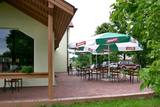 |
Расположено в центре Дундаги – в гостевом доме «Крузини». Латышская кухня: Суп из кислой капусты, серый горох с простоквашей, жареная камбала или треска, суп из кислой капусты с картошкой. Особое блюдо: «Творожная башенка» или крем из продуктов Дундагского молокозавода. |
|
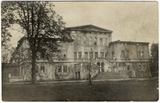 |
Muižas ansamblis veidots 19.gadsimtā, tās arhitektūrā atspoguļojās vairāku eklektisma formāli stilistisku virzienu uzslāņojumi, taču dominējošais bija baroka stils. Tā bija grāfa Kazimira Plātera-Zīberga (1808-1876), vēlāk grāfa Fēliksa Konstantina Plātera-Zīberga (1847-1928) rezidence. Pils un daļa saimniecības ēku tika iznīcinātas pirmā pasaules kara laikā, krievu armijas lielkalibra artilērijas apšaudes gaitā. Pārpalikušās drupas laika gaitā tika nojauktas. Līdz mūsdienām saglabājušies vārtu stabi, kas ir apmierinošā tehniskā stāvoklī. Muižā bijusi arī grāfa Zīberga 1697. gadā celta mūra kapela ar altāri un skaistām gleznām. Dievkalpojumus esot noturējis Ilūkstes prāvests. Bijušie īpašnieki: 18. gadsimtā barons A. Plāters-Zībergs, Kazimirs Plāters-Zībergs (1808-1876).
|
|
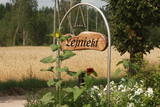 |
Новое хозяйство, которое производит сыр и ждет группы посетителей. Экскурсанты могут принять участие в процессе приготовления сыра, продегустировать и приобрести сыр. Хозяйство «Лейниеки» было признано самым ухоженным производственным крестьянским хозяйством Валкского края. |
|
 1 день
|
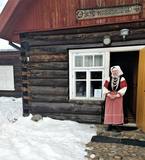
Setomaa has been inhabited for about 8,400 years, which makes it one of the oldest human settlements in Estonia. It is located on the border of Eastern and Western civilisations, bordering Russia, Latvia and Estonia. Setomaa is famous for its well-preserved traditions and culture. For centuries the local handicraft skills have been passed down within families. Seto polyphonic singing (Seto leelo) is inscribed on the UNESCO List of the Intangible Cultural Heritage of Humanity. Setos have distinctive national costumes, rich in detail and unique to each family. Perhaps most impressive is the distinctive array of Seto jewellery. These visually striking pieces not only reflect the social standing of the wearer but are also worn as a safeguard from misfortune. To this day, the Seto lifestyle remains closely tied to nature. It is common practice for the Seto not only to enjoy the natural beauty of the forest but to also use its gifts. Berries and mushrooms are picked freely in their seasons. It is best to start the tour from Võru and finish in Tartu. |
|
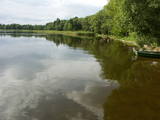 |
Ar mežiem, purviem un ezeriem (Riču, Sila u.c.) bagāta teritorija Latvijas - Baltkrievijas pierobežā. Galvenās aizsargājamās dabas vērtības - dažāda veida purvu, mežu un ezeru biotopi un tajos mītošās augu un dzīvnieku sugas. Ezeru krastos, kurus iecienījuši vietējie atpūtnieki, atrodas vairākas naktsmītnes. Ilgas muiža (celta 19. gs. kā medību pils) ir Daugavpils Universitātes studentu prakses vieta. Silenes dabas parkā ietilpst arī Glušonkas purva un Ilgas dabas liegumi.
|
|
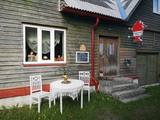 |
The Samovar House is a small samovar museum located in the Old Believers’ village near Lake Peipus, which has a private collection with more than 100 different and very special samovars and objects related to samovars.
|
|
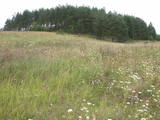 |
This partly forested hillock stands 40 metres above the surrounding area and offers impressive views. The fact that this was once a castle hill is attested by the presence of a moat and remnants of defensive fortifications. It is thought that Lettigalian tribes settled here in the 10th century AD. You can climb the hillock to take a look at the surrounding landscapes. |
|
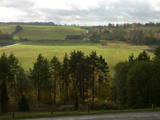 |
As you travel from Kandava to Sabile, you will find a parking lot on the right side of the road. From there, there are steps to a viewing area on the highest hill in the Abava Ancient River Valley – Greiļi Hill. This offers a wonderful view of the ancient river valley and the local mosaic of meadows and forests. The landscape is enriched by the Imula and Amula valleys that are on the other side of the ancient river valley.
|
|
 1 день
|
Dodieties ekskursijā, lai gūtu ieskatu lauku profesijā un dzīvesveidā, kā arī iegūtu jaunus iespaidus un labu atpūtu visai klasei. Ekskursijas laikā apmeklējiet maizes ceptuvi, kurā pielieto no seniem laikiem izkoptās meistaru zināšanas un prasmes. Te var doties ekskursijā, veidot un cept maizes kukulīti. Pēc tam apmeklējiet atpūtas kompleksu, kur iespējams gan ieturēt maltīti, gan izstaigāt baskāju taku. Ekskursijas noslēgumā dodieties uz kazu saimniecību, lai noklausītos saimnieka atraktīvo stāstījumu par kazu audzēšanu un piena produktu (piens, siers, kefīrs) ražošanu. |
|
 10 дней
|
Во время этого путешествия вы посетите как мастерские ремесленников, так и хозяйства по разведению лошадей, а также различные производства деревенских продуктов, где старинным навыкам нашлось современное применение. Первая остановка - Икшкиле, где уже в самом начале путешествия вы посетите погреб вина из березового сока и попробуете игристое вино из березового сока. В Скривери позвольте удивить себя превращениям молока - здесь, в уютном кафе на главной улице города, готовят великолепное домашнее мороженое как со вкусом клубники, так и со вкусом анчоусов и хрена. В Кокнесе вы сможете пополнить свой гардероб новым кожаным ремнем, сумкой или стильным украшением из кожи. В хозяйстве по выращиванию конопли пройдет небольшая экскурсия и дегустация деликатесов из конопли. Работы мастеров латгальской черной керамики хорошо впишутся и в современные интерьеры. В Аглонском музее хлеба посетителям будет предложена возможность самим испечь буханку хлеба, а во время посещения следующего хозяйства его можно будет дополнить вкусным сыром, который сделан из молока пасущейся на воле Латвийской бурой коровы. Последняя остановка на латвийской стороне - Даугавпилс, с Арт-центром имени всемирно известного абстракциониста Марка Ротко и Даугавпилсской крепостью 19-го века - впечатляющей военной постройкой - как наиболее популярными достопримечательностями. Затем дорога ведет в Литву, где запланировано посещение нескольких традиционных сельских хозяйств. В усадьбе Ильзенберга (Ilzenbergo Dvaras) обустроено биодинамическое хозяйство. Вы сможете попробовать национальное литовское кондитерское изделие – торт шакотис, осмотрите литовский город Аникщяй (Anyksciai), который предлагает прогулочную тропу над верхушками деревьев. В Музее лошадей представлены старинные орудия труда и техника. В продолжении предусмотрено посещение хозяйств, которые знакомят с традиционной литовской кухней и гончарным ремеслом. В коневодческом хозяйстве в Дубингяе (Dubingiai) можно прокатиться верхом на лошади по манежу. В завершении путешествия вы осмотрите уникальный Тракайский замок (14-15 век) и Вильнюс. |
|
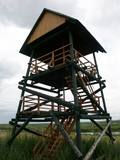 |
The tower is on the western shore of the lake, next to the dam and the Zvidze canal. From here you will see the overgrowth north-western part of the lake, Akmeņsala Island, and a wide area of open water. The third is on the southern shore of the lake, by the dam and the Īdeņa canal. Here you will find typical views of wetlands – areas of reeds, shrubbery, wet meadows and the overgrown lake. |
|
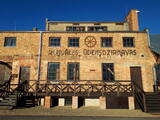 |
18. gadsimta beigās celtās Rundāles muižas ūdensdzirnavas atrodas Pilsrundāles centrā. Ūdensdzirnavas savas pastāvēšanas laikā piedzīvojušas divus postošus ugunsgrēkus, taču laika gaitā to darbība tika atjaunota. Tolaik dzirnavas darbojušās ar ūdens spēku un papildus tam bijusi uzstādīta arī tvaika mašīna. 20. gadsimta trīsdesmitajos gados, kad par īpašnieku kļuva Voldemārs Bergmanis, ūdensdzirnavu ēku atjaunoja un pilnībā nokomplektēja ar tolaik vismodernākajām firmas “O. J. Keller” dzirnavu graudu pārstrādes mašīnām, kā arī tika izvērsta plaša saimnieciskā darbība: labības pārstrāde, galdniecība, vilnas apstrāde un augļu pārstrādāšana. Mūsdienās ūdensdzirnavu ēkā ir izveidots muzejs piecos stāvos, kurā var iepazīties ar dzirnavu darbību. Iespējams sekot līdzi grauda ceļam pa koka šahtām līdz samaltam miltu maisam. Piedāvājumā arī inventāra noma Rundāles ūdensdzirnavu tilpnē. Pieejami SUP dēļi, airu laiva, ūdens velosipēds un kanoe laiva. 2021. gadā tika izveidota neliela alus darītava un uzsākta alus ražošana. Tiek ražots gaišais un tumšais alus, kura visas sastāvdaļas tiek iepirktas Latvijā, bet graudi no vietējiem zemniekiem. Videi draudzīgā iekārta atbilst jaunākajiem ES standartiem un prasībām. Viesiem tiek parādīts alus gatavošanas process, piedāvā degustācijas, kā arī telpas pasākumiem un svinībām. |
|
 |
Ферма «Балляс» - это крестьянское хозяйство с более чем 20-летним опытом производства и продажи продуктов пчеловодства. Здесь туристическим группам предлагаются экскурсии по пчелиной пасеке в сопровождении опытного гида, творческие мастерские для детей, развлечения для комманд, дегустации, места для пикников и обед – суп, приготовленный на костре, медовый хлеб. |
|
 |
Pilsētas rajons dienvidos no Ventas grīvas, kura mūsdienās redzamā mazstāvu koka apbūve sāka veidoties 19. gs. vidū. Ostgala pirmsākumi meklējami 1836. g., kad Krievijas valdība, solot priekšrocības, aicināja apkārtnes zvejniekus apdzīvot smilšaino un kustīgo kāpu pārņemto piekrastes daļu. Ostgals ir atzīts par valsts nozīmes pilsētbūvniecības pieminekli. |
|
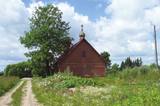 |
Моленная Римшской старообрядческой общины.
Церковь была построена в начале 20 века
|
|


