
| Nr | Name | Beschreibung |
|---|---|---|
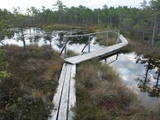 |
Das Naturreservat Teiči wurde 1982 eingerichtet und ist eins der größten Hochmoore in der baltischen Region. Es besteht aus dem Teiči und dem Pelečāre Moor, mit einer Vielfalt an Pflanzen und Tieren sowie den angrenzenden Territorien, die unter Schutz stehen. Das Teiči - Moor ist das größte Nistgebiet für eine Reihe von Vogelarten einschließlich dem Kranich, dem Regenbrachvogel, dem Goldregenpfeifer und dem Strandläufer. Während des Vogelzugs gibt es hier Tausende von Gänsen verschiedener Art. Das Reservat kann nur gemeinsam mit einem Führer der Reservatsverwaltung durchquert werden. Man muß sich für so eine Tour vorher anmelden. Besucher begehen den Pfad auf Holzplankenwegen entlang dem See Silda sowie auf der Siksala Insel, wo man von einem Aussichtsturm einen phantastischen Blick auf das lettische Moorland hat.
|
|
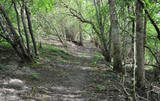 |
4 km garā un marķētā taka iepazīstina ar dziļo Imulas ieleju – Abavas kreisā krasta pieteku. Īpaši iespaidīga ieleja izskatās bezlapu periodā, kad ir apjaušami tās izmēri un formas. Vēstures cienītāji var upes gultnē uzmeklēt Langsēdes Velna pēdas akmeni. Atrodas dabas parkā „Abavas senleja”. |
|
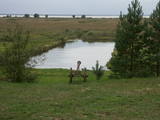 |
Mit den Teichen von Nagļu sind das Lettlands größte Fischteiche. Sie wurden 1970 in den Auenwiesen des Sees Lubāns eingerichtet, als zuerst das Wasserkraftwerksystem des Sees geschaffen wurde. Die Straße Lubāna-Gaigalava teilt die Kvāpāni-Īdeņa-Teiche. Es gibt auf den Teichdämmen drei Vogelbeobachtungstürme. Diese Teiche sind ein wichtigster Nistraum für Wasservögel sowie Rastplätze während des Vogelzugs. Hier gibt es viele Vogelbeobachtungsmöglichkeiten.
|
|
 |
Ein gastfreundliches Café und eine Konditorei im Zentrum von Sigulda. Angeboten werden Salate, Suppen und andere warme Gerichte, Gebäck und Kuchen. |
|
 16 Tagen
|
Diese Tour ist ein Roadtrip von Rīga nach Vilnius. Unterwegs werden Sie kleine Abschnitte des baltischen Diese Tour eignet sich für Reisende, die die Natur, sowie die urbane Landschaft besichtigen möchten, die aber nicht auf längere Wanderungen mit Rucksäcken, Zeltengehen u.ä. bereit sind. Ein Auto bringt Sie von einer kurzen Wanderung zur nächsten. Ein weiterer Transfer ist von der Insel Rusnė in das Dubysa-Flusstal geplant, wodurch die litauischen Abschnitte des baltischen Küstenwanderweges und des Wald-Wanderweges miteinander verbunden werden. Die Tour umfasst die lettischen und litauischen Naturwerte – die Nationalparks Ķemeri und Slītere, das Kap Kolka, den Naturpark Pape, die Kurische Nehrung, die Insel Rusnė, den Fluss Nemunas, den Regionalpark des Dubysa-Flusstals mit seinem hügeligen Gelände, sowie das waldreiche und menschenleere Gebiet Litauens – den Nationalpark Dzūkija. Neben den Hauptstädten beider Länder führt Sie die Route zu anderen großen Städten – Ventspils, Liepāja, dem beliebten Kurort der Kurischen Nehrung – Nida, sowie zu historischen Badeorten: Ķemeri, Birštonas und Druskininkai. Sie werden auch die Stadt Kaunas und die wunderschönen Flusslandschaften des Flusses Nemunas (dt. Memel) sehen. |
|
 |
Alūksnes novada saimniecībā "Pauguri" kokamatnieks Jānis Vīksne izgatavo koka virpojumus - cibiņas, pulksteņus, pildspalvas, spēles, šūpoles un citas saimniecībā noderīgas lietas. Iespējams iegādāties kokamatniecības suvenīrus - dekoratīvus un praktiskus virpojumus no koka. Senlietu muzeja apskate - seni galdniecības darba galdi, ēveles, āmuri, sirpji, grābekļi, sējmašīna, pulksteņi, trauki u.c. Saimniecībā ir izveidota skatu platforma, no kuras paveras skats uz Hānjas augstienes ainavām Igaunijā, kā arī atpūtas vieta vasaras piknikam ar galdu, uguskura vietu un skulptūrām. |
|
 |
The large farm is to the South of the centre of Lone, producing apples, pears, plums, cherries, strawberries and black currants. It stores apples during the whole winter. You can help to pick the fruit and berries and purchase them for yourself. |
|
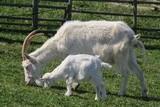 |
Eine Herde mit ungefähr 200 Ziegen. Der Wirt erzählt mit ein wenig Humor über das Leben mit Ziegen in Lettland und in Europa, über Herstellung des Ziegenkäses und über Geschmacksgeheimnisse, sowie bietet eine Käseverkostung an, nach der man Käse kaufen kann. Die auf diesem Hof hergestellten Käse sind nicht nur gesund, sondern auch sehr köstlich. |
|
 |
Ķesteri – das Haus, wo der Kulturaktivist und Orgelspieler Kārlis Stalte
(1870–1974) geboren wurde.
|
|
 |
Dieser Bauernhof züchtet Milchvieh und Legehennen. Die Milch und Eier werden in der Molkerei des Bauernhofs verarbeitet. Im Bauernhof kann man verschiedene Milchprodukte, darunter auch Eiscreme verkosten und alle Produktionsprozesse ansehen. Man kann auch das Essen für ein Picknick bestellen und sich für Meisterklassen zur Zubereitung von Milchprodukten anmelden. |
|
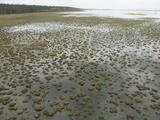 |
The tower on the eastern shore of Lake Engure (next to the meadow for wild cattle, accessible from the side of Bērzciems) offers a view of the reeds, small islands, Great Island, cows and horses of the north-eastern part of the lake. The tower on the northern shore of the lake (accessible from the side of Mērsrags) offers a look at the boating facility and the very overgrown northern part of the lake. The tower at the north-western shore of the lake (accessible from the side of Ķūļciems) shows the Apaļrova island (a footpath), stands of juniper, the boating facility, and the mosaic-like landscape of the lake itself.
|
|
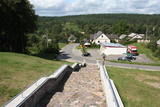 |
Eine alte Ortschaft am linken Ufer des Flusses Nemunas. Liškiava-Kirche und Kloster, heiliger Berg und Burgberg mit den Ruinen der am Ende des 14. Jh unter Leitung von Vytautas der Großen gebauten Burg. Ein Kultstein mit einem Kühstapfen.
|
|
 |
The Līgatne Paper Factory is located at Pilsoņu Street 1 in Līgatne. The factory was first built in place of an old paper windmill by two tradesman from Rīga who also built dormitories for residents. These structures are an important component in the urban environment of Līgatne. The rapid flow of the Līgatne River allowed the factory to produce writing paper, stationary and wrapping paper. In 1858, the factory was brought by a local nobleman who brought in new equipment from Scotland. If some 100 people worked at the factory during the first half of the 19th century, then that number rose to 600 by the end of the century and 800 at the beginning of the 20th century. Writing paper was the primary product from the factory, although there were sometimes special orders. During World War I, for instance, the factory produced paper on which the Russian military printed its maps. This allowed the factory to hold an important role in the Russian market. During the Soviet era, the factory at Līgatne produced notebooks and other products that were sent all over the USSR. Today the factory mostly produces wrapping paper of various kinds from waste paper. The Līgatne Paper Factory is the only functioning entity of its kind in Latvia, and there are guides available to give you a tour. The historical centre of the campus on which the factory sits is a cultural monument. The Līgatne Tourism Information Centre (_371-6415-3313) offers tours of the centre during which you will learn about the lives of the factory's workers and administrators in the late 19th and early 20th century. Back then there was major construction work at the factory to build residences for workers, a school, a childbirth facility, a hospital, a club, a guesthouse and other buildings which have survived to the present day. |
|
 |
На восстановленной в 20-е годы ХХ столетия (возобновила работу в 1992 г.) водяной мельнице можно осмотреть исторические механизмы и понаблюдать за процессом помола, а в кафе побаловать себя блинчиками, испеченными из намолотой муки. Латышская кухня: Селедка с творогом и вареным картофелем. Блины с грибами, сыром, овощами, мясом, медом, сметаной, творогом, мороженым и карамелью. |
|
 |
Atrodas Valmieras Drāmas teātra ēkas rietumu spārnā. Piedāvā latviešu un pasaules virtuvi, svētdienās - brančus. Sadarbojas ar vietējām zemnieku saimniecībām. |
|
 7 дней
|
Если вы любите активный образ жизни, этот тур является идеальным способом насладиться кулинарным наследием, скрытым в национальном парке Гауя. Велосипедный маршрут начинается от Стренчи и сначала проходит через два местных пивоваренных завода в Бренгуйи и Валмиермуйже с хорошими кафе и хорошим пивом. По дороге в Валмиеру вы также остановитесь в деревне Триката, чтобы попробовать шоколад местного производства. Из Валмиеры маршрут пролегает по красивому лесу в Цесис с его очаровательным средневековым старым городом. В Цесисе вы посетите местную пекарню и винокурню, чтобы попробовать их продукцию. Также вы увидите, как выглядел сад с травами и видами в средневековые времена. Вы совершите поездку на каноэ из Цесиса в Лигатне, одну из самых красивых частей на реке Гауя с ее берегами из песчаника, отдаленными усадьбами и старомодным паромом на воде. Исторический центр города Лигатне связан с развитием его бумажной фабрики. Здесь вы также можете посетить местных производителей вина и ремесленных изделий в одной из искусственных пещер, типичных для этого района. На велосипеде по холмистым извилистым дорогам Сигулды вы увидите средневековые замки Турайда и Сигулда, пещеру Гутмангала и другие живописные виды. В Сигулде вы насладитесь традиционными латышскими блюдами в ресторанах «Bucefāls», «Aparjods» и отведаете 80 видов варенья в гостевом доме Mauriņi. |
|
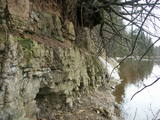 |
This is a unique geological object of paleontological importance. Up to four metres high, the cliff has yielded up fossils of ancient invertebrates and fish.
|
|
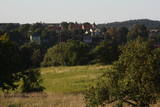 |
The hill is the highest point on the shores of the little Slocene River valley, and it is located in Tukums, at the side of Jelgavas Street. It opens up a broad view of the Slocene River valley and the town of Tukums with its historical centre on the opposite side of the valley. The view is particularly interesting in the evening, when the town is lit up. There is a monument to the liberators of Tukums.
|
|
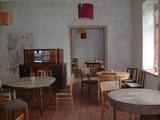 |
История мызы началась в 19-ом веке. Сегодня мыза Пыхьяка - место питания, которое использует местные продукты и следует основам национальной кухни, здесь Вам предложат доступные простые и вкусные блюда. Меню каждого дня всегда есть на сайте. Мы рады видеть как проезжающих, так и группы. |
|
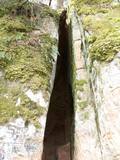 |
Овраг Вейупите предназначен для тех, кого не пугают духи и крутые ступеньки деревянной лестницы, ведущие по высоким склонам оврага Вейупите. Если за гостевым домом «Ливкалнс» спустимся вниз, то подойдем к неглубокой (3,6 м), но высокой (6,1 м) пещере Петера, напоминающей щелеобразную нишу. Примерно через 10 минут ходьбы вниз по реке (в направлении Гауи) левый берег реки раскалывается глубоким оврагом Сов (Пучу), где течет Краукльупите. В месте соприкосновения обоих оврагов реки возвышается Сатезелское городище (площадка 90 x 75 м), где в начале XIII века находился дубовый замок феодала Дарбелиса с главным входом в западной части городища. До городища из глубин оврага Сов ведет деревянная лестница. Для того, чтобы осмотреть ущелье Воронов (Крауклю), необходимо снова спуститься вниз по той же лестнице и продолжить движение в направлении Гауи. Ущелье Воронов – это боковой овраг левого берега Вейупите с внушительными стенами из песчаника высотой до 11 м, где образовалась пещера Воронов, глубиной в 5,2 м. Приблизительно через 10 - 15 минут ходьбы (пересекать Вейупите приходится по деревянным мостикам) подойдем к лестнице, которая ведет на Райскую гору (см.описание к № 7). |
|


