
| Нo | Название | Описание |
|---|---|---|
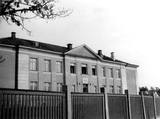 |
The roots of Saulkrasti Secondary School reach back to Pabaži, to 1912, when a young teacher – Olga Veicmane (after marriage: Cīrule) arrived from Riga to teach the sea captain Reisons’ daughter. Soon many other tutor-seekers joined her and in autumn of 1912 a school was established in Pabaži. The school had a good reputation, and pupils came from the entire surrounding area. In January of 1913, the school was moved to more spacious premises at 20 Rīgas Street. |
|
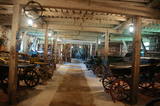 |
Музей гужевых повозок расположен на скотоводческой мызе Пилькусе. Экспонатами являются телеги, одноколки, сани, а также их снаряжение (дуги, оглобли, бубенцы, санные одеяла и специальные болотоступы для лошадей). Среди экспонатов есть также тачанка, карета скорой помощи и пожарная карета.Самыми яркими экспонатами являются карета и коляска, еще имеется большое количество сельскохозяйственных орудий труда. Есть что посмотреть, интересных экспонатов с избытком. |
|
 |
Кафе находится в центре Тукумса. Латышская кухня: Вареный язык, салат из языков, домашний рассол, салат из тресковой печени, супы (с фрикадельками, фасолевый, щавелевый), тушеные грибы, домашние котлеты, тонкие блинчики, хрустящие овсяные хлопья, клубничный суп. |
|
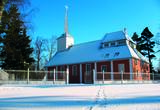 |
19 апреля 1998 года Римско-католическая церковь Милости Божией – в т.н. “Белое воскресенье” или день Милости Божией – была освящена Римско-католическая церковь Милости Божией в Саулкрасты. Длина здания –24 метра, высота башни – 16 метров. Церковь проектировал архитектор Янис Шредерс. Церковь рассчитана на 300 мест. Образ Христа на алтарной картине изображен таким, каким его в своем видении 22 февраля 1931 года узрела святая монахиня польского монастыря Фаустина, и создан художником Эриком Пудзенсом. В 14 картинах на стенах церкви изображен путь страданий – крестный путь Христа от суда до момента воскрешения. Алтарь сделан из благородного дерева ясеня. 2 августа 1998 года около Римско-католической церкви Милости Божией в Саулкрасты был освящен крест высотой 7,38 метра. Ночью этот крест освещен подсветкой. Этот крест является копией креста на Голгофе в Иерусалиме, на котором был распят Иисус Христос. |
|
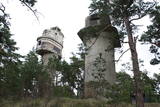 |
Эту батарею проще всего найти, идя вдоль берега моря, так как одна из четырех позиций батареи находится на пляже – подмытая морскими волнами. Остальные позиции, телеметрическая вышка и другие элементы расположены недалеко от морского берега – в сосновом лесу. Батарея была построена в сороковых годах прошлого столетия. Отсюда уже видны Северные форты.
|
|
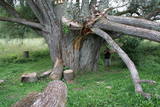 |
This is certainly the thickest White Willow (Salix alba) in Latvia and perhaps the thickest one in the Baltic States. Many of its mighty branches are resting on the ground, and the enormous monolithic trunk has been split. There’s a small information stand alongside the tree. A pathway which starts at the Raganu cliffs can be taken to the tree.
|
|
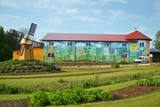 |
Сельское хозяйство "Чай Рукишу" является одним из крупнейших производителей лекарственных растений в Латвии. Предприятие обеспечивает качество продукции путем выращивания и сбора растений в своем хозяйстве, а также путем тщательной сушки, хранения и упаковки. В процессе производства не используются какие-либо ароматизаторы, красители или загустители. Туристическим группам также предлагают дегустацию вкусного чая и советы по выбору чая. Желающие имеют возможность приобрести продукцию по привлекательным ценам в магазинчике производства. В хозяйстве выращивают большое количество самых разнообразных растений, из которых изготавливают чаи - зверобой, валериану, эхинацею, котовник кошачий, календулу, ромашку, тимьян, мелиссу, мяту, пустырник, васильки, полынь и т. д. Сюда особенно стоит заглянуть во время цветения растений, когда каждый кусочек поля окрашивается в свой, характерный только для него, тон. |
|
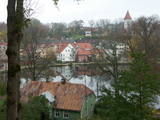 |
The town of Talsi is known as the “town of the nine hillocks,” and it is worth touring the location on foot. You’ll find the best views from the Talsi castle hill (views of Lake Talsi and Ķēniņkalns Hill), Sauleskalns (Lake Talsi, the castle hill, Ķēniņkalns Hill), and the hiking trails of Ķēniņkalns (Lake Talsi, the castle hill, the historical town centre).
|
|
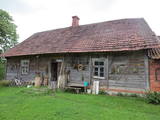 |
Мастер художественного промысла делает из дерева ложки (из липы, березы) и банные веники (с яблоками). Наблюдение за работой, возможность самим сделать ложку, приобретение готовой продукции и осмотр коллекции ложек. Осмотреть можно и старые хозяйственные постройки. |
|
 |
The tower offers a look at the historical centre of Limbaži , the castle ruins, and the landscape all the way to Lake Dūņezers. The Limbaži castle was part of Latvia’s earliest fortifications, and its unique gates survive to this very day. Keys to the tower can be found at the museum. This is part of the ZBR. |
|
 2 дня
|
This tour will give you an impression of the eastern part of Latvia, which is less populated and also less popular among tourists. You will first arrive in Aluksne and explore the town, which is located at Alūksne highland, on the shore of Lake Alūksne. It is worth visiting Temple Hill – an old Latgalian castle mound and the place of the old town, Sun bridge, and the Castle manor park, Alūksne Lutheran Church and the Bible Museum. After staying there overnight you will go by bus to the start point of the hike in Ape. This Forest Trail section winds through a hilly farmland landscape, then enters a large dark forest, occasionally interrupted by the blue surfaces of lakes. After Peļļi, it crosses the Latvian/Estonian border and winds along the shores of the lakes Smilšājs, Sūneklis and Ilgājs for 2 km on the Estonian side, known as Paganamaa (translation: Devil's Land). There it descends and enters the Korneti-Peļļi subglacial depression, one of the most impressive ravines in Latvia. The Forest Trail returns to Latvia at Lake Ilgājs and, after a steep climb, takes you through a hilly area to the Drusku castle mound. Here you can enjoy a beautiful view. At the end of this tour, you will reach Korneti. The section is located in the protected landscape area “Veclaicene”. |
|
 8 дней
|
The tour from Rīga to Tallinn combines natural and cultural heritage and includes lovely landscapes and 15 nature trails which cross marshlands, meadows and forests along the shores of the Baltic Sea, including several protected nature reserves. Many trails are equipped with viewing towers for birdwatching. Randu meadows near Ainaži contains one third of Latvia’s entire plant species. A boardwalk leads through reeds to a viewing platform with views over the meadow and the sea. Saaremaa island is interesting with very different natural attractions to the mainland - dolomite cliffs, juniper heaths, a meteorite lake and rocky sea shore. The tour passes rural farms and traditional villages typical of the coastal areas. Hiiumaa island is a laid back place and retains a very Estonian atmosphere with an important bird reserve at Käina Bay, unusual Sääre Tirp as well as several small islets off its south-eastern coast. Back on the mainland, Paldiski peninsula gives a glimpse of the recent history with its former Soviet military base |
|
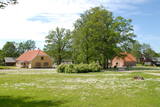 |
В месте, где правый основной берег древней долины Гауи раскалывают несколько глубоких оврагов с маленькими ручьями, расположился Турайдский музей-заповедник с выдающимися в масштабе Балтии памятниками, история которых уходит в 1000-летнее далекое прошлое. Среди них необходимо упомянуть Турайдскую господскую усадьбу (21 здание), могилу Турайдской Розы, Турайдскую лютеранскую церковь (одна из старейших (1750 г.) деревянных церквей Латвии) и Турайдский замок. Рядом на горе Дайн организуются всевозможные тематические мероприятия. |
|
 |
The ship "Baltā Kaza" transports tourists along the Daugava and also acts as a ferry from Jaunjelgava to Skriveri. In the summer season it runs at regular times. Excursions and trips to the Love Island, Aizkraukle castle ruins, Ķegums HPP, etc. are also possible. Other routes are possible. 25 passenger seats. During the trips you can get acquainted with the narration of cultural-historical, historical and biological objects on both banks of the Daugava. The owner organizes events and concerts both on the Daugava and on the bank of the Daugava. Possibility to rent SUP boards, rowing and canoe boats, catamarans at the berth. |
|
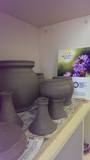 |
Алсунгская гончарная мастерская расположена в здании музея и действует уже с 2009 года, показывая, как создаются различные керамические изделия из глины. Здесь вы можете поработать с глиной сами или понаблюдать за процессом создания керамических изделий – начиная с гончарного круга и до перехода к заключительной стадии – покрытию глазурью. |
|
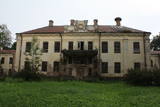 |
Šī vairāk ir uzskatāma par vēsturisku vietu, nekā tūrisma objektu, jo muižas pils atrodas avārijas stāvoklī un apskatāma no ārpuses! Mūsdienās redzamais muižas komplekss ir veidojies 19. - 20. gs. mijā, bet muižas pils (vēlīnais klasicisms) - 19. gs. pirmajā pusē. Vēlāk tai piebūvēja neobarokālus torņus abos ēkas galos. Vienā no tiem atradās kapela, otrā – bibliotēka. 19. gs. tika uzsākta ainavu parka un dendrārija izveide. 19. gs. beigās pilī norisinājās plaši remontdarbi, un tās īpašnieki – Kerbedzu dzimta ēku līdz pat 1. pasaules karam atvēlēja māksliniekiem. No 1920. - 1975. g. muižā darbojās pamatskola, tad ēkas kā noliktavu izmantoja kolhozs. |
|
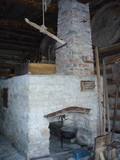 |
In Metsanurme Village Centre you can see restored old threshing barn, limestone barn oven and few tools that were used ages ago. You could be also interested in seeing an outdoor exhibition which focuses on historical agricultural tools. All of this is made to look interesting to not only locals but also visitors. |
|
 |
На восстановленной в 20-е годы ХХ столетия (возобновила работу в 1992 г.) водяной мельнице можно осмотреть исторические механизмы и понаблюдать за процессом помола, а в кафе побаловать себя блинчиками, испеченными из намолотой муки. Латышская кухня: Селедка с творогом и вареным картофелем. Блины с грибами, сыром, овощами, мясом, медом, сметаной, творогом, мороженым и карамелью. |
|
 |
Piemājas zoodārzs "Brieži" atrodas netālu no Rīgas. Šeit sastopami daudzi un dažādi dekoratīvie putni, tītari, pīles, fazāni, pāvi un žagata, starp tiem dzīvo jūrascūciņas un truši. No četrkājainajiem draugiem te var sastapt Holandes pundurkaziņas, Haidšnukes aitas, Šetlandes ponijus, ēzeļu ģimeni, vāverēnus un jenotpuiku Bārniju. Zoodārzu palīdz sargāt zosu bariņš un Peruāņu pundursivēns - Pigis. No 2015. gada Briežos dzīvo arī dambrieži un briedis Munžaks. Pēc pastaigas zoodārzā, iepriekš piesakot, iespējams izmantot piknika vietas un bērnu rotaļu laukumus. |
|
 |
Pilsētas rajons dienvidos no Ventas grīvas, kura mūsdienās redzamā mazstāvu koka apbūve sāka veidoties 19. gs. vidū. Ostgala pirmsākumi meklējami 1836. g., kad Krievijas valdība, solot priekšrocības, aicināja apkārtnes zvejniekus apdzīvot smilšaino un kustīgo kāpu pārņemto piekrastes daļu. Ostgals ir atzīts par valsts nozīmes pilsētbūvniecības pieminekli. |
|


