
| Нo | Название | Описание |
|---|---|---|
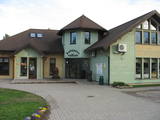 |
В Стукмани, у шоссе Рига – Даугавпилс (A6) находятся булочная «Лиепкални», в которой может покушать и купить только что испеченный хлеб и кондитерские изделия. Несколько десятков видов хлеба, печенье, торты, пирожные и сдобные булочки. Здесь можно покататься на корабле викингов. Рядом с булочной находится Туристический информационный центр Плявиньского края и центр туристических услуг «Латвью спикерис». По берегу Даугавы проложена прогулочная тропа. Латышская кухня: Суп с фрикадельками и щавелевый суп, крестьянский завтрак, глазунья, свиные ребрышки, серый горох, картофельные блины с лососем, тонкие блины, крем из ежевики. Особое блюдо: Лиепкалнский черный хлеб, хлебный квас. |
|
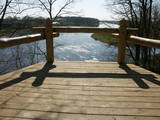 |
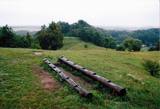
Находится на левом берегу Лиелупе, напротив Межотненского замка. Одно из крупнейших укрепленных городищ земгалов 9 - 13 вв., рядом с которым на площади в 13 га располагался древний город. Благоустроено. Через Лиелупе построен понтонный мост, по которому пешеходы и велосипедисты (май - октябрь) могут пройти к Межотненскому замку. Примерно в 0,5 км к югу от городища находится Винная гора, до которой ведут деревянные мостки. |
|
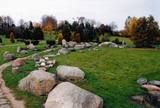 |
The terrain in this territory was created during the Ice Age. There are the ancient river valleys of the Minija, Salantas and Erla rivers, along with groups of rocks.
|
|
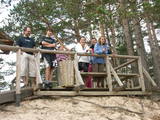 |
The trail climbs up and down along the bluffs of lower River Pilsupe and reveals a fascinating sight of three white dune exposures (the largest is called the White Dune). The dune range has formed in the period of the Littorina Sea several thousands of years ago. The time required to walk the trail is ~0.3 h. Evidence of Stone Age settlements have been found in the vicinity. |
|
 |
In the central part of the Žemaitija Highland, this park was established to protect local landscapes. Lithuania’s highest hillocks are found here – Mėdvegalis (235 m above sea level) and Šatrija (229 m). There are also other hillocks which offer a great view of the area – make up your own tour here.
|
|
 16 дней
|
This long-distance tour follows the Baltic Coastal Hiking Route from the Lithuanian coast, starting on the island of Rusnė and continuing to the Curonian Spit, running along the Baltic Sea coast to Cape Kolka and finally reaching Rīga. On this route you will hike some sections of the Baltic Coastal Hiking Route and experience the diversity of coastal landscapes: rocky beaches, steep shores, overgrown beaches, bird migration sites, vast sandy beaches. You will walk on solitary beaches with no-one in sight for several kilometres just to suddenly find yourself in lively resort towns. There are both sections of hiking and bus transfers along the route. Initially you will visit the peculiar island of Rusnė with its bird migration sites, observation towers and the delta Crossing the Lithuanian/Latvian border on foot you will stop over at the Pape Nature Park and enjoy its lighthouse, wild horses, the authentic fishermen village and local museum. The walk on lone beaches takes you to the top of the highest dune in Latvia – the Pūsēnu dune – and afterwards continues to reach the village of Bernāti. Next on the route is the windy seaside city of Liepāja, also known as the Latvian capital of rock music. Karosta is another distinctive site in Liepāja – it is the former military town and nearly every street of this part of the city has some footprints of its military heritage. Heading further, your feet will take you through the solitary beaches of Ziemupe to the village of Pāvilosta. If you are lucky, you might find some ambers washed ashore. Pāvilosta is a small charming village with a marina and some notes of smoked fish lingering in the air. Moving on, from Ventspils through Slītere National Park, through the Livonian fishermen villages to finally reach the Kolka Cape – the meeting point of the Baltic Sea and the Gulf of Riga. Also, a top site for bird watching. At the end of the tour, the Baltic Coastal Hiking Route leads to Engure Nature Park, meandering through reed trails running between the villages of Mērsrags and Engure. The tour ends in Jūrmala with its wide sandy Beaches, the bustling urban life of a resort town, impressive villas and summer cottages, and the Ragakāpa Nature Park in the resort’s neighborhood Lielupe. |
|
 |
В своих работах воплощает традиционные гончарные традиции. Делает подсвечники и двухрожковые светильники. В ходе творения работ использует даже молоко! Предлагается экскурсия, покупка работ, приглашение на открытие печи. |
|
 3 дня
|
The tour starts at Jaunmokas Castle estate, where you will also find the Forest Museum. The pride of the castle is its unique painted tile stove (beginning of the 20th century) made of 130 painted tiles featuring 50 different views of the cities Rīga and Jūrmala. The Forest Trails runs along smaller tracks through the Austrumkursa Uplands, the valley of the river Slocene, along Lake Sekļa and Lake Jumprava to finally reach the town of Tukums. Well, the town takes pride in its pots, planters and flower beds with blooming roses along its streets. Next, the route meanders through forests to the demanding hillock of Milzkalns and Lake Valguma, where you will find the barefoot trail and a secluded art space within the woods. The Forest Trail continues to make a stopover at the Ķemeri National Park. The park is dedicated to protection of wetlands, since it is home to one of the largest marshlands of Latvia – the Great Ķemeri bog. As to the town – Ķemeri – it is the former balneological and sulphur springs resort. The tour ends in the village of Bigauņciems, where the Forest Trail joins with the Baltic Coastal Hiking Route (E9 European long distance path). Optionally, one can take a detour along the Lake Sloka trail with its bird-watching tower or pay a visit to the “Forest House” – the visitor’s centre of the Ķemeri National Park. |
|
 5 дней
|
Знаменитый курземский герцог Екаб правил в Курземе и Земгале ровно 40 лет (1642 – 1682). Во время его правления происходят большие изменения – быстрыми темпами развивается кораблестроение, появляются первые мануфактуры и повышаются объемы сельскохозяйственного производства. |
|
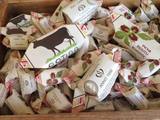 |
Это первое предприятие в Латвии, которое в 1957 году начало производство любимых всеми конфет «Коровка». Здесь можно приобрести вкусные конфеты и отправиться на экскурсию. Сам хозяин предприятия является главным конфетным мастером. |
|
 |
Один из старейших городов Латвии, сведения о котором относятся к 1378 году. Как поселение он образовался на берегах Тебры (обочина дороги Рига – Прусия), где в свое время находился укрепленный деревянный замок земли куршей Бандава Бейда. В средневековье Айзпуте был центром Курземского епископства. В 1795 году после присоединения Курземе к России в Айзпуте осели еврейские поселенцы. Сегодня больше всего привлекает путешественников в Айзпуте сохранившаяся старинная городская среда, исторический центр города и развалины замка. |
|
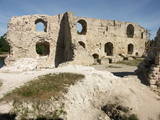 |
Подтоплены и находятся в месте слияния Даугавы и Персе. Возводился в 1209 году для нужд Рижского епископства на месте бывшей деревянной крепости древних латышей. В XIV веке во дворе замка были построены деревянные здания, приспособленные для постоянного проживания. В XVI веке построили пристройки и возвели две круглые башни. В 1701 году кажущийся несокрушимый замок взорвало войско саксонцев. Рядом с руинами замка работает центр для посетителей, в котором можно выковать монету средневековья и взять напрокат лодку для прогулки по Даугаве. Стоит прогуляться по Кокнескому парку (создан в 1900 г.), где установлены шведские пушкиXVII века, надгробные памятники средневековья и восстановлен фонтан «Голова фавна», который в 20 - 30 годах располагался неподалеку от водопада Персе (сейчас под водой). |
|
 |
Ziemciešu audzētava „Puķu lauki” ir ģimenes uzņēmums, kurā audzē un piedāvā dekoratīvos stādus. Saimniecība ir specializējusies konkrētu augu grupu audzēšanā. Tās laukos bagātīgi zeļ ziemcietes, graudzāles (zāļveida ziemcietes) un dažādas cirpto bukšu formas. Turklāt, šejienes augu šķirnes ir pielāgotas mūsu klimatiskajiem apstākļiem. Apmeklētāji var izstaigāt skaisti iekopto un ainavisko paraugdārzu, kā arī iegādāties stādus plastmasas konteineros visas sezonas garumā. |
|
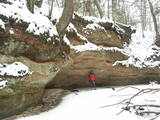 |
The Kaļķupe River valley was established as the Pilsupe River (formed by Kaļķupe River and Mazupe River) crossed the Blue hills of Šlītere to the South of Vīdale and Kaļķi. The distinct river valley has a branched network of gullies in which Devonian sandstone has been uncovered and can be seen in some locations. Puiškalns Hill (located at confluence of Kaļķupe River and Mazupe River), which was used as a castle hill and as a sacred location long in the past, is one of the most distinctive parts of the area. It is a popular tourist destination in the Talsi District. Hillside forests, various kinds of meadows and a wide range of plants are also of value in the local environment. |
|
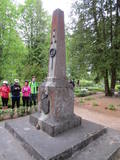 |
Находится на кладбище Бертуля. Создан по проекту Л. Швалбе. На лицевой стороне памятника помещена бронзовая плита с надписью «С глубокой благодарностью за Латвию павшим народным героям. 10-ое Руйиенское отделение Даугавас ванаги». На тыльной стороне памятника находится надпись «Бог, Отечество, Народ». Памятник был восстановлен в 1989-м году. |
|
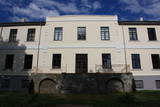 |
Atrodas stāvā Tebras (Dzirnavdīķa) ziemeļu krasta augšdaļā (Skolas ielā 1). Ēka celta 19. – 20. gs. mijā kā Aizputes muižas jaunā kungu māja. Tajā atrodas Aizputes novadpētniecības muzejs (no 1999. g.) un Aizputes TIC. Ekspozīcija par Aizputes pilsētas un apkārtnes vēsturi tiek pasniegts saistošā veidā, ļaujot apmeklētājiem iejusties vairāku gadu desmitu seno notikumu atmosfērā. |
|
 12 дней
|
The route leads mostly through the Gauja National Park where you will see the most beautiful river valley in the Baltic States. It is the ancient Gauja River valley with gorgeous flora and fauna and the mightiest Devonian-period sandstone cliffs, in the region. While riding the route, you can study Latvia's most brilliant medieval city, Cēsis. You can visit medieval castles and castle ruins there and in Sigulda. A guide will take through underground bunkers in Līgatne which were secret in soviet times and have no analogue in North-eastern Europe. You will then pass through the beautiful Otepaa highlands and the Lahemaa National Park in Estonia. The old town of Tallinn is on the UNESCO list of world cultural heritage. |
|
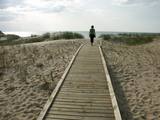 |
The trail tells about the protected nature area which is found in Riga city and has been established to protect the seashore habitats (forests, meadows, reeds, dunes) and the birds, populating the daugavgrīva meadows. There is a bird watching tower with facilities for people with special needs.
|
|
 |
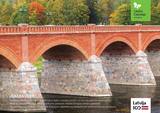
Interesantā būve, kurai Baltijas valstīs grūti atrast līdzinieku, ir meklējama 2 km ziemeļaustrumos no Kirblas (Kirbla). 307,8 m garo arkveida tiltu pāri Kazari upei (Kasari jõgi) uzcēla 1904. g. deviņu mēnešu laikā. Tajā brīdī to uzskatīja par Eiropas garāko šāda tipa dzelzsbetona tiltu. Tagad to var šķērsot tikai ar kājām vai ar divriteni. Tumšajā diennakts laikā tilts ir skaisti izgaismots! Tā ievērojamais garums ir skaidrojams ar apstākli, ka pavasara palos Kazari palienes applūst lielās platībā. |
|
 |
Находится в гостевом доме «Вилла Элизабет». Во время сезона работает летняя терраса, а в холодное время можно покушать в каминном зале – библиотеке. Латышская кухня: Маринованная балтийская селедка с творогом, крем-суп из боровиков, приготовленный на гриле свиной карбонад, стейк из говядины, приготовленный нa гриле линь. Особое блюдо: Сырное пирожное от Капитана Гранта. |
|


