
| Nr | Name | Beschreibung |
|---|---|---|
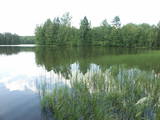 |
Viens no dažiem Latvijas dzidrūdens ezeriem. Apskatāms no Lubānas - Ļaudonas ceļa malas pie Visagala. Lai saudzētu šo ezeru, tajā esošos aizsargājamos biotopus un sugas, ūdenstilpē nevajadzētu peldēties lielām cilvēku masām un pieļaut cilvēka darbības produktu nonākšanu ezerā.
|
|
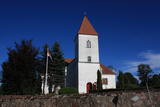 |
Built around 1625. For several centuries it was the main worship place for the Suiti community, supporting the community's spirituality and identity. In 1882 the church was expanded into the form of a cross that is seen today. Inside the church you can see work done by the Dutch wood carver Johann Mertens around 1715. The organ was built by F. Weisenborn in Jēkabpils in 1893, and the altar painting dates back to 1910. The bricked graveyard of the Schwerin dynasty is under the church. Contact it in advance if you wish to see its interior. |
|
 |
The cafe is situated in the southern part of Vecpiebalga. The interior decorations are made of oak and boast Latvian symbols, as well as stained glass. Working hours: Monday- Thu 8:00 - 22:00, Fri, Sat 8:00 - 01:00, Sun. 8:00 - 22:00 |
|
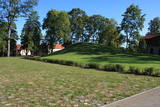 |
An dieser Stelle hatte der Deutsche Ritterorden 1242 eine Steinburg erbaut, von der bis heute nur einzelne Mauerfragmente erhalten sind und ein Kellergewölbe, in dem man nach vorheriger Anmeldung örtliche Weine probieren kann. Später befand sich hier das Schloss des Herzogs von Kurland, das im Nordischen Krieg zerstört worden war (1701). Dank eines umfangreichen Rekonstruktionsprojektes wurden im Park hölzerne Stege, kleine Brücken und Informationstafeln errichtet, eine Laube und ein Springbrunnen erbaut. Im Park wurden 22 Skulpturen und Skulpturengruppen der Bildhauerin Līvija Razevska aufgestellt. |
|
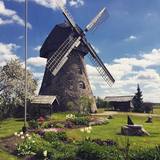 |
Diese Windmühle befindet sich an einem schönen Ort auf der höchsten Erhebung der Umgebung. Sie ist eine der seltenen holländischen Windmühlen in Lettland (1852), die noch funktionsfähig ist. Hier kann man den Mahlprozess ausprobieren. Jedes Jahr wird am letzten Juliwochenende der Tag von Jacob – Festtag des Brotes aus den neuen Roggen – gefeiert. Lettische Küche: Mittagessen des Müllers: Grütze aus Gerstenmehl mit Fleischsoße, dünne Pfannkuchen, Kefir, Kräutertees. |
|
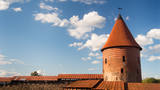 |
Kaunas Castle is the oldest stone castle in Lithuania and interestingly enough, the museum that is inside is also the oldest one in Lithuania. It's possible to take a tour to get know more about Kaunas Castle and also visit the museum where there's not only information about the castle but also about the city of Kaunas itself and much more. |
|
 |
An afforested island in the Gulf of Finland, approximately 14 km to the North of Tallinn. There is a network of small roads and trails on the island. Forests: Mostly 1.1, 1.2 and 4.2. Information: www.aegna.ee. A ferry boat to the island departs from the port at Pirita. Hike around the shore of the island, where you will find all kinds of environments – dunes, sandy areas, rocky areas and places with lots of reeds (~9 km). |
|
|
|
Opekalns (arī Apukalns, Opekols) ir paugurs Alūksnes augstienē, 235 metrus virs jūras līmeņa, Veclaicenes pauguraines viena no augstākajām virsotnēm. Tā virsotnē uzcelta Opekalna luterāņu baznīca (1774—1779), kas ir visaugstāk virs jūras līmeņa novietotais dievnams Latvijā. Opekalna ciemā dzimis leģendārais Dziesmu svētku virsdiriģents Haralds Mednis. |
|
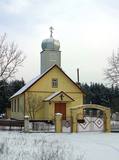 |
Malta (Borovaja, Borovska) Old-Believers Prayer House. The construction
of the church was started in 1931 by A. Gruncevičs. The Church is an architectural
monument of local importance.
|
|
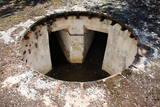 |
In einer kleinen Ortschaft Olmaņi, wo heute nur ein einziges Einzelhof liegt, waren zwei bedeutende Küstenbatterien aufgestellt. Die Benennung „Krasnoflotskaja” war für beide Batterien vereint. Bis zum Jahr 1955 waren in der Batterie südlich von Olmaņi vier 152 mm Geschütze des Typs ,,Kane,, aufgestellt. Die Geschütze solcher Art wurden in der Zeit des Ersten Weltkrieges hergestellt, als auch für den Schutz des Küstenterritoriums der UdSSR am baltischen Meer in Lettland und Estland oft angewendet. Heutzutage sind an diesem Ort kleine konzentrische Erdwälle zu sehen. Nach dem Jahr 1955 wurde nördlich von Olmaņi eine neue Batterie, als auch vier 152 mm Geschütze des Typs MY – 2 aufgestellt. Diese Geschütze könnten ihre Schüsse 25 km weit schießen. In der Zeit der Bauarbeiten diese Batterie war die modernste von allen Küstenbatterien. Die Aufstellungsarbeiten begannen im Jahr 1952. Die Batterie war kampfbereit und sie funktionierte bis zum Jahr 1975. Im Jahr 1975 sie wurde „einkonserviert” und in Reserve gehalten. Die Unwissenden können nur schwierig diese Batterien finden, doch der Fundstück ist es wert. Es sind betonierte Aufstellungsplatformen der Geschütze, als auch unterirdische Bunker erhalten geblieben. Sie ist wirklich eine von der beeindrucksvollsten Küstenbatterien am baltischen Meer!
|
|
 3 dienas
|
The tour starts at Jaunmokas Castle estate, where you will also find the Forest Museum. The pride of the castle is its unique painted tile stove (beginning of the 20th century) made of 130 painted tiles featuring 50 different views of the cities Rīga and Jūrmala. The Forest Trails runs along smaller tracks through the Austrumkursa Uplands, the valley of the river Slocene, along Lake Sekļa and Lake Jumprava to finally reach the town of Tukums. Well, the town takes pride in its pots, planters and flower beds with blooming roses along its streets. Next, the route meanders through forests to the demanding hillock of Milzkalns and Lake Valguma, where you will find the barefoot trail and a secluded art space within the woods. The Forest Trail continues to make a stopover at the Ķemeri National Park. The park is dedicated to protection of wetlands, since it is home to one of the largest marshlands of Latvia – the Great Ķemeri bog. As to the town – Ķemeri – it is the former balneological and sulphur springs resort. The tour ends in the village of Bigauņciems, where the Forest Trail joins with the Baltic Coastal Hiking Route (E9 European long distance path). Optionally, one can take a detour along the Lake Sloka trail with its bird-watching tower or pay a visit to the “Forest House” – the visitor’s centre of the Ķemeri National Park. |
|
 |
Dzirnavu restorāns Saaremaa ir sāremiešu iecienīto garšu restorāns, kur piedāvā visu to labāko un svaigāko. Ēdienkartē atrodama medījumu gaļa no Saaremaa mežiem, vasarā arī kūpinātas zivis, našķi no ogām, vietējo ābolu vīns, kā arī labākie Saaremaa salas vīni. |
|
 |
Kafejnīca "Kristīne" atrodas Ludzas vēsturiskajā centrā, kurā paveras skaists skats uz pilsētas dievnamiem un pilskalnu. Gatavo Latgales ēdienus no vietējiem produktiem. Latviešu virtuve: pelēkie zirņi ar speķi, dažādi pagatavota cūkgaļa. Īpašais ēdiens: „Saimnieka cienasts” – vistas un liellopa gaļas filejas ar sieru un medus mērci. |
|
 |
Baltijas valstīs lielākais zinātnes centrs ar iespējām līdzdarboties pašiem un eksperimentēt. Radošās darbnīcas. Planetārijs. |
|
 1 diena
|
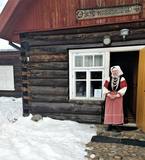
Setomaa has been inhabited for about 8,400 years, which makes it one of the oldest human settlements in Estonia. It is located on the border of Eastern and Western civilisations, bordering Russia, Latvia and Estonia. Setomaa is famous for its well-preserved traditions and culture. For centuries the local handicraft skills have been passed down within families. Seto polyphonic singing (Seto leelo) is inscribed on the UNESCO List of the Intangible Cultural Heritage of Humanity. Setos have distinctive national costumes, rich in detail and unique to each family. Perhaps most impressive is the distinctive array of Seto jewellery. These visually striking pieces not only reflect the social standing of the wearer but are also worn as a safeguard from misfortune. To this day, the Seto lifestyle remains closely tied to nature. It is common practice for the Seto not only to enjoy the natural beauty of the forest but to also use its gifts. Berries and mushrooms are picked freely in their seasons. It is best to start the tour from Võru and finish in Tartu. |
|
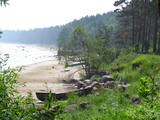 |
Rojā var apmeklēt smilšaino pludmali ar labiekārtotu infrastruktūru un Rojas akmeņaino jūrmalu. Akmeņainajā jūrmalā atrodas Rojas jūras dižakmens – aptuveni 2 m augsts un 12,5 m apkārtmērā. Jūras krastam piemīt savdabīga burvība ar izkaisītajiem akmeņiem un nesteidzīgo laika ritumu. Pie Silupītes iztekas jūrā vēl tagad var redzēt senas liellaivas koka un tā laika dzelzs naglu atliekas. Sākot no 1939. g. Roja bija “sākuma” punkts tā saucamajai “slēgtajai zonai”, kur līdz pat 1993. g. atradās Padomju armijas un flotes dislokācijas zona. Kāpās pie Krasta ielas iespējams vēl apskatīt padomju laika mantojumu. Te atrodas liels betona cilnis, no kura savulaik robežsargi novēroja jūru un ķēra robežpārkāpejus. Aiz kāpām atradās robežsargu poligons ar visu tam nepieciešamo. Rojā atradās gan robežsargu postenis, gan arī pretgaisa aizsardzības radiolokators. (Avots: Rojas TIC) |
|
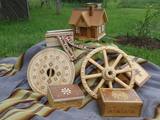 |
Amatnieka darbnīcā (izstāžu zāle „Sapņu namiņš) apskatāmi no koka virpotie izstrādājumi – svečturi, servīzes, alus kausi, puķu vāzes, glāzītes, piestas, cibiņas, koka gleznas u.c. izstrādājumi. Darbu iegāde, pasūtīšana un koka virpošanas mākslas demonstrējumi. |
|
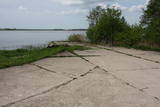 |
Hidroaviācijas lidlauku, kas atradās Durbes ezera A krastā netālu no Līgutiem, būvēja laikā no 1939. g. – 1941. g. Padomju laikā te atradās 43. aviācijas eskadriļa ar 13 hidroplāniem MBR – 2. Mūsdienās par bijušo objektu liecina tikai betona plāksnes ezera krastā. Lidostas vietas un pamestās estrādes apskate.
|
|
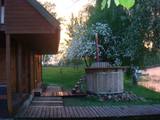 |
Lauku māja pie Sartų ezera netālu no Sartų zirgu audzētavas, Dusetų hipodroma, kur katru gadu pirmajā februāra sestdienā notiek pie zirgu skriešanās sacīkstes. Trīs sešvietīgi namiņi ar terasi, tualeti, dušu un virtuvīti. Lielākai ģimenei vai draugu kompānijai moderna, bet autentiska Vecā māja ar 5 numuriem aprīkotiem ar dušu un tualeti, virtuvi. Basketbola, volejbola un bērnu rotaļu laukumi. Tradicionālā dūmu pirts, kubls. Atpūtnieki var izmantot laivas un ūdens velosipēdus, kajakus un velosipēdus. Maršruti pa Sartų ezeru, Šventosios un Kriaunos upēm. Izjādes, riteņbraukšana pa Sartai Reģionālo parku. Makšķerēšana. Viesu nama saimnieki siltajā laikā aicina viesus nogaršot āra virtuvē gatavotos ēdienus (plovu, omleti, pīrāgus). Ēdienu gatavošanai tiek izmantoti pašu dārzā izaudzētie dārzeņi. |
|
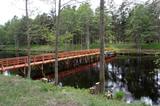 |
Izbraucot no Kolkas Melnsila virzienā, pa ceļam var piestāt pie Zēņu dīķa. Tā ir 1,3 ha liela mākslīga ūdenskrātuve, ko 20.gs. 60.gados izraka, lai iegūtu ledu Kolkas zivju fabrikas vajadzībām. Makšķerēšana un pastaigas. Apsaimnieko biedrība “Kolkas makšķernieku klubs”. |
|


