
| Нo | Название | Описание |
|---|---|---|
 1 день
|
The Baltic Coastal Hiking Route leads around the Pakri Peninsula, from whose rocky shores you will discover the most beautiful coastal landscapes in northwest Estonia. It goes through the centre of Paldiski and, after having reached the fortress bastions of Peter I, it turns towards the Pakri Lighthouse going across the upper part of the impressive Pakri Cliffs. Further on up to Kersalu, there are both ups in the shape of rocks and downs where the Baltic Coastal Hiking Route meanders along a sandy and rocky seacoast and a beautiful pine forest. |
|
 |
В садах хозяйства выращивают яблоки, груши и лечебные растения (мяту, ноготки и др.). Собирают и дикорастущие лечебные растения. Проведут интересную экскурсию. Продукцию можно купить на месте или приобрести в магазине латвийских эко-продуктов на улице Барона 45 – 47, в Риге. |
|
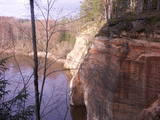 |
The viewing area on the Ērgļi (Ērģeles) cliffs offers an impressive view of Latvia’s most monolith sandstone cliffs (up to 22 metres high) – this is the highest location in the Gauja River valley. Please be very careful and don’t go anywhere near the edge of the cliff!
|
|
 |
Atrodas pilsētas centrā – Tukuma ledus halles ēkas otrajā stāvā. Piedāvā maltītes visām ēdienreizēm, klāj galdus pasākumiem, īrē telpas dažādiem pasākumiem. |
|
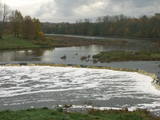 |
The recently renovated old brick bridge and the viewing area that is on the left bank of the Venta beyond the castle guard’s hut offers a lovely view of the widest and most impressive waterfall in Latvia – the Venta falls. It is worth visiting during the spring floods, when fish are migrating.
|
|
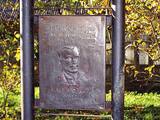 |
Музей Декшарской волости. В музее собраны материалы об
истории волости, школы и бывшего колхоза „Виениба”. Экспо-
зиции о жизни значимых людей, работавших или родившихся в
Декшарской волости. Богатая коллекция латгальской литературы.
Время работы: 10.00 – 14.00, Сб.,Воскр.: выходные |
|
 |
The mouth of the most beautiful river of Vidzeme. On the seashore between the mouths of River Gauja and River Daugava, one of the largest dune ranges in Latvia with distinctive parabolic dunes overgrown with forest (wooded dunes) is situated. The Mouth of River Gauja is unique as it is one of the few major rivers in Latvia and in EU countries to flow into the sea naturally. There is no harbour or other hydro-engineering construction. It is a popular recreation area in the vicinity of Riga and Saulkrasti while, unfortunately, the lack of infrastructure makes it suffer from anthropogenic load. Not far from the rivermouth, hidden in dunes, there are pillboxes which were built in 1920 or 30ies as anti-airborne barriers. There was a whole range of them along the coastline from the mouth of the River Lielupe to the mouth of the River Gauja forming a part of the Daugavgrīva Fortress fortifications. The pillbox is made of concrete, ca 1.5m thick. Every year, on the 3rd Sunday in August, a lamprey festival takes place in Carnikava town by the Gauja rivermouth. Carnikava is called the Lamprey Capital as it is famous for its lamprey fishing tradition and generous catches. The Mouth of the River Gauja is a good bird-watching area, especially in spring and autumn when one can observe the highest variety of species. Just few of the many bird species that can be observed near the Gauja rivermouth |
|
 |
This wooden pathway will introduce the visitor to a high-type swamp and a unique habitat – a place where sulphur streams flow into the Raganu swamp. The little lakes in the swamp are unique – they are the result of sulphur bacteria, and there is a special range of species in those lakes. The landscape is interesting, and the smell of sulphur pervades, mostly from sulphur ponds. The trail is 800m long and will require 20 minutes to an hour to traverse. The object is on the border of the Zemgale and Vidzeme regions.
|
|
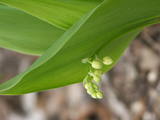 |
This is an uncommon trail. The visitor will learn all about quite “ordinary” trees such as the oak, the linden, the hazelnut, the fir and the pine. The information is quite interesting, however, making use of the heritage of Latvian folklore. The site is located near the Zvārte rock. Visitors will spend around one hour on the trail.
|
|
 |
Находится в начале главной улицы Кулдиги для пешеходов и велосипедистов - улицы Лиепаяс. Размещен в архитектурно интересном двухэтажном деревянном здании, где когда-то был амбар. Латышская кухня: Крестьянский завтрак, овсяная каша, холодный суп на кефире, суп из щавеля, огурцов и фасоли, говядина в луковом соусе, охотничьи колбаски, картофельные блины, сладкие блинчики с брусничным соусом. |
|
 3 дня
|
Трехдневный маршрут позволит Вам познакомиться не только с одним из красивейших творений балтийской природы – Куршской косой, но также посетить некоторые интересные сельские хозяйства в Латвии. Вы сможете осмотреть пасеку, понаблюдать за работой гончара, посетить хозяйсто экзотических животных . Незабываемые впечатления оставит посещение двух своеобразных человеческих творений - «Каменного города» и парка инсталляций «Город абсурда», которые не имеют аналогов не только в странах Балтии, но и в более широком масштабе. |
|
|
|
The craftsmen's association unites 65 craftsmen from Rūjiena and its surroundings. Offers baking, jam cooking, cheese tying, jewelry making, leather goods, crochet and culinary master classes. Also offers "Made in Rūjiena" tastings (bread, smoked products, culinary products, jams, fresh juices, pumpkin products, seasonal berries and fruits, other dishes in each season) and shopping. |
|
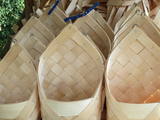 |
В мастерской производят все, что необходимо в хозяйстве - скамьи, столы, вешалки, кухонные принадлежности, ушаты, бочки, замечательные сувениры из дерева и др. Изделия можно купить, а также сделать свой заказ. Экскурсии. |
|
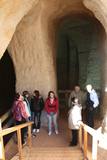 |
The area of the ancient Piusa River valley that is between the villages of Vana-Vastseliina and Ignasõ is around 15 km long, features some substantial rapids, and offers a view of beautiful Devonian period cliffs. The largest, Härma müür, is 43 metres high and is the highest sandstone cliff in Estonia. There are caves from old mines in the village of Piusa. A small part of the mines, which have tunnels that are more than 10 km long in all, has been tured into a local museum.
|
|
 |
Meklējams pie Pāvilostas tilta pār Saku (Meža iela). Te apskatāms 2005. g. restaurētais un uz postamentiem novietotais Pāvilostas zvejnieku kuģis, ar kādu tie zvejoja pagājušā gadsimta 50. – 60. gados. Šāda tipa kuģus būvēja Vācijas Demokrātiskajā republikā. |
|
 |
Pajumäe ‒ это маленькое симпатичное биологическое хозяйство, которое находится в зеленом регионе Мульгимаа и производит различные молочные продукты. Здесь Вы сможете увидеть все этапы производства молока ‒ от выпаса коров на пастбище до обработки сырья на молочном заводе. |
|
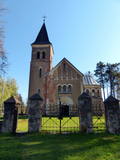 |
Теперешнюю, третью по счету церковь, построили в 1906 году по инициативе и выделенному финансированию Готтхарда фон Будберга. Храм строился в честь его умершей жены Гертруды Ворс. В церкви установлен орган фирмы Walker, который в 1906 г. был построен в Людвигсбурге (Южная Германия). В 1992 году здесь открыта мемориальная доска памяти репрессированных жителей Гарсене. В 100 м к востоку от церкви, на кладбище стоит окутанный легендами фамильный склеп баронов Будбергов.Здесь же находится родовое кладбище баронов.Церковь можно осмотреть изнутри. |
|
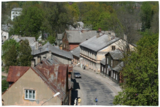 |
Маленький и тихий городок, расположенный на берегу длинного озера Сасмакас. Уже в начале 17-го века на земле имения Сасмакас образовалось поселение ремесленников и торговцев. В середине 19-го века в городке жило много еврейских торговцев и ремесленников, поэтому Сасмаку в то время называли еврейской столицей. В 1926-м году город переименовали в Валдемарпилс. Исторический центр города с застройкой 19-го века является градостроительным памятником. В Валдемарпилсе можно осмотреть лютеранскую и православную церкви, бывшую синагогу, памятник К. Валдемару, а также величественную липу Элку. |
|
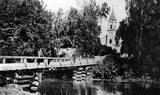 |
On the right bank of the River Pēterupe is one of the historical areas of Saulkrasti – Pēterupe Village. It is believed that the village began to form around a chapel during the so-called Swedish or Catholic times. The chapel was named after the Apostle St. Peter, and therefore the river and the village also carries his name. Pēterupe Village can be considered the oldest village in the Saulkrasti region. The oldest witnesses of the origin of Pēterupe Village are: Rectory, Pēterupe Evangelical Lutheran Church, Outpatient Clinic and the wooden buildings in the old village centre. |
|
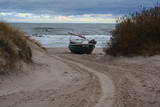 |
Ceļa, kas ved uz jūru – galā, redzami Latvijas piekrastei samērā reti skati. Ja palaimējas, šeit var novērot vietējos zvejniekus darbībā, kas joprojām iet zvejā. Krasta kāpās aplūkojamas vecas, pamestas un arī sagrieztas zvejas liellaivas un dažādi mūsdienu zvejniecībā izmantojami „darba rīki”. |
|


