
| Nr | Name | Beschreibung |
|---|---|---|
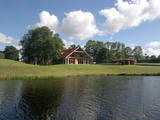 |
Ebenso kann man den Stolz des Hofe besichtigen, den Keller mit einer großen Kollektion im Hof erzeugter Weine. Im Hof kann man neben Wein auch diverse Obstweine aus Apfel, Kirsche, Schwarzer Johannisbeere, Moosbeeren, Rhabarber oder Stachelbeeren kaufen. |
|
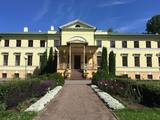 |
Наукшенский Музей человека. Место, где мы рассказываем думающим людям, как родившиеся, пришедшие и оставшиеся в земле «НАУКШЕНСКОГО ДИСКО» говорят, поют, думают и любят. |
|
 |
Выполняет работы (практические и полезные в хозяйстве вещи) в латышском этнографическом стиле и продолжает старые латышские традиции кузнечного искусства. Посетители могут выковать гвоздь или подкову. |
|
 |
Новое кафе, расположенное на территории природного парка «Излучины Даугавы» в Науене. |
|
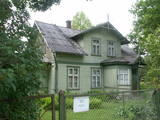 |
Mузей Миервалдиса Кемерса –
известному работнику культуры Латвии (1902
1980) – священнику и художнику посвящен
мемориальный музей на улице Дубрес 21.
|
|
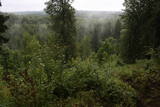 |
At the highest point of Krievkalni (149 metres above sea level), there is a good location for relaxation which offers an impressive view toward the East.
|
|
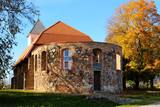 |
Dievnama mūri kā svētvieta glabā ne tikai svētuma starojumu, mierinājumu, bet arī smagus, rūgtus un iznīcinošus notikumus. Vairākkārt pārbūvēta, sagrauta, dedzināta, un tomēr atjaunota. |
|
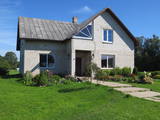 |
Творчество хозяйки проявляется в приготовлении различных даров села – сыроварении, выпекании сырных палочек и др. Биологически сертифицированное хозяйство, в котором используют самовыращенные продукты. Предлагают дегустации и приобретение продукции, а также экскурсии для групп от 10 человек. |
|
 |
Находится недалеко от железнодорожной станции. В подвальном этаже размещен цех кулинарии, на первом - магазин и кафе. Выпекают одноэтажные, многоэтажные торты, пирожные (слоеное пирожное, яблочное пирожное, «Вецрига», медовый пирог, эклеры, рулеты), булочки (с корицей, маком, ватрушки), пирожки (сырные рожки и рауши, рауши с салом, «Рижские рауши») и крендели, готовят мясные тарелки и соленые закуски. |
|
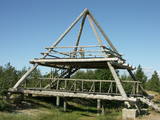 |
This is the only viewing platform of its kind. It is north of Pāvilosta, between the sea and Latvia’s largest gray dune. The second level of the platform offers a good view of the habitats which surround the dune, as well as the seashore and the largest seashore rock on the shores of the Baltic Sea – the Pāvilosta sea rock. You can also see the northern part of Pāvilosta. When it is windy outside, you’ll see kiteboard riders showing their tricks.
|
|
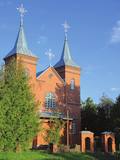 |
Столеровский Римско-католический костёл Пресвятой Троицы.
В 1999 году под руководством декана Бутанса вместо сгоревшей была
построена новая церковь из красного кирпича. Сейчас – новейшая церковь
в Резекненском крае. Из часовни Розенмуйжи в церковь передана картина
Девы Марии.
|
|
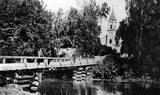 |
On the right bank of the River Pēterupe is one of the historical areas of Saulkrasti – Pēterupe Village. It is believed that the village began to form around a chapel during the so-called Swedish or Catholic times. The chapel was named after the Apostle St. Peter, and therefore the river and the village also carries his name. Pēterupe Village can be considered the oldest village in the Saulkrasti region. The oldest witnesses of the origin of Pēterupe Village are: Rectory, Pēterupe Evangelical Lutheran Church, Outpatient Clinic and the wooden buildings in the old village centre. |
|
 |
Biškopības produktu ražošana - medus, ziedputekšņi, bišu maize, propoliss, bišu māšu peru pieniņš. Bišu māšu selekcija, bišu saimes. |
|
 |
Atrodas Rīgas – Ventspils autoceļa (A 10) 92. kilometrā. Piedāvā ēdināšanas pakalpojumus, klāj galdus un organizē citus pasākumus. |
|
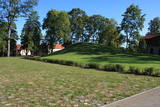 |
В 1242 году на этом месте немецкий орден построил каменный замок, от которого до сегодняшнего времени сохранились только отдельные фрагменты стен и свод подвала, в котором по предварительной договоренности можно заказать дегустацию вина местного производства. В более поздние времена здесь находился замок герцога Курземе, который был разрушен во время Северной войны (1701 год). В результате проекта реконструкции парка созданы деревянные мостки, информационные стенды, построена беседка и фонтан. В парке возведены отдельные скульптуры и их группы (22 скульптуры, автор Ливия Разевска). |
|
 1 день
|
Dodieties ekskursijā, lai gūtu ieskatu lauku profesijā un dzīvesveidā, kā arī iegūtu jaunus iespaidus un labu atpūtu visai klasei. Ekskursijas laikā apmeklējiet kokapstrādes darbnīcu, kurā ražo visu saimniecībā nepieciešamo – solus, galdus, pakaramos, virtuves piederumus, pirts baļļas, mucas, lieliskus suvenīrus no koka u.c. Pēc tam apmeklējiet zemnieku saimniecību, kura ir viena no lielākajām un modernākajām zemnieku saimniecībām Zemgalē. Izbaudiet pusdienu pikniku Tērvetes dabas parkā. Ekskursijas noslēgumā dodieties uz maizes ceptuvi, lai izzinātu maizes cepšanas arodu, degustētu un iegādātos maiznīcas izstrādājumus. |
|
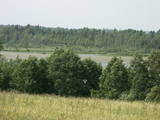 |
Dabas liegumā ietilpst divi aizauguši ezeri ar grūti pieejamiem krastiem - Lielais un Mazais Asūnes ezers, kas atrodas dienvidos no Asūnes ciema. Abus ezerus var vērot, atrodoties ārpus lieguma teritorijas - no blakus esošo pauguru augstākajām daļām, kas atrodas austrumos no abiem ezeriem. Ja līdzi būs paņemts tālskatis, iespējams, izdosies iztālēm novērot šeit esošās aizsargājamās putnu sugas, piemēram, melno zīriņu. |
|
 7 дней
|
This tour leads to the popular seaside resort towns in Lithuania and Latvia, from Nida on the Curonian Spit to Jūrmala on the Gulf of Riga. The first stage of the route runs through the Curonian Spit to the city of Klaipėda with its symbol – the wooden sailing ship – and its old town resembling German towns in terms of architecture. You will then visit the Lithuanian summer beach capital Palanga with some of its top sights being the Botanical Park, the Amber Museum, the pedestrian street of J. Basanavičius and the Sea Pier. Next, the route will take you to the former fishermen village of Šventoji, now a resort town, near which the Žemaičių alkas (Samogitian Sanctuary) is located – an ancient pagan sanctuary. After crossing the border of Lithuania/Latvia you will reach Liepāja – known as the windiest city in Latvia. Should you be interested in military heritage, you will find that in the former military port of Karosta. The tour continues to reach Ventspils, another seaside city. Here, you can go on a voyage on a small vessel on the river Venta river and out to the sea, walk along the riverside, go for a ride on the narrow-gauge train called “Mazbānītis”, marvel at greenery in the form of clocks made of flowers, spot the iconic cows of Ventspils – multiple sculptures scattered around the city streets. At the end of the tour, you will drive to Jūrmala and walk on the Baltic Coastal Hiking Route through the longest Latvian resort cities boasting with its widest sandy beaches. |
|
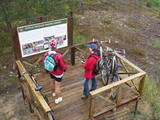 |
Lietuvas lielākais sūnu purvs, kura aizsardzības nolūkā ir izveidots Čepkeļu dabas rezervāts (Čepeklių gmatinis rezervatas). Tas izvietojies starp Dzūkijas nacionālā parka dienvidaustrumu daļu un Baltkrieviju. No Marcinkones pa smilšainu meža ceļu (~ 9 km turp - atpakaļ) ar kājām vai divriteni (arī nelielu tūrisma autobusu līdz 20 vietām) var nokļūt līdz purva malai, kur mežainās kāpās un purvā izveidota 1,5 km gara dabas taka un skatu tornis, no kura labi pārredzama purva rietumdaļa. Pirms došanās uz Čepkeļu purvu, ir jāreģistrējas Dzūkijas nacionālā parka apmeklētāju centrā (Šilagėlių gatve 11), kas meklējams aiz dzelzceļa pārbrauktuves. Te apskatāma neliela nacionālajam parkam un rezervātam veltīta ekspozīcija. |
|
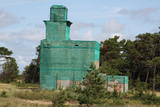 |
Закрытая и охраняемая территория на берегу озера Бушниеку в Сталдзене. Бывшее здание прожекторов находится на крутом берегу Сталдзене.
|
|


