
| Нo | Название | Описание |
|---|---|---|
 |
В исторических источниках упоминается уже в 1582 году. В Дундагской ваковой книге 1736 года в Вайде упоминаются два двора - Лекши и Жонаки. Согласно данным переписи весной 1935 года в Вайде проживало 106 человек, в том числе 40 ливов, 60 латышей, несколько эстонцев и немцев. В 1939 году в деревне Вайде был 21 двор. В Лажах Вайде родился Ника Полманис (1823 - 1903) - первый образованный лив, и всю жизнь прожил ливский поэт Альфонс Бертольдс (1910 - 1993), который посвятил стихотворение растущему рядом со двором вековому дубу. С Жонаками связан богатый род Бертольдов: ливская сказительница Мария Шалтьяре, капитан морских яхт Андрейс Бертольдс (США), его сын, ученый - библиотекарь Артурс Бенедиктс Бертольдс (США), ливский поэт Альфонс Берольдс, знатоки ливского языка Паулина Клявиня и Викторс Бертольдс, швейцарский врач Марселс Бертольдс, всемирно известный пианист Артурс Озолиньш (Канада) и Гризельда Кристиня (1910-2013) – сказительница ливского языка и поэтэсса, которая была последним носителем ливского языка, для которого это был родной язык. Озолниеки также связаны с родом Бертольдов – знатоком ливских традиций и языка Паулиной Клявиней (1918 - 2001) и ее матерью – ливской сказительницей Катриной Зебергой. Коллекцию ливских этнографических предметов, собранную Паулиной, можно осмотреть в Латвийском этнографическом музее под открытым небом – в амбаре ливского двора «Делини». В Пурвзиеды Вайде можно осмотреть коллекцию рогов лесных животных, собранную лесником Эдгарсом Хаусманисом. |
|
 |
Netālu no augstākā Latgales augstienes paugura – Lielā Liepukalna atrodas zemnieku saimniecība, kuras darbnīcā amatnieks Jānis Kuzminskis taisa mūsdienīgas ģitāras u.c. mūzikas instrumentus. Apmeklētāji var iepazīt Jāņa veidoto ekspozīciju, vērot amatnieka darbošanos, pasūtīt sev jaunu instrumentu, kā arī muzicēt pie bagātīgajā kolekcijā savāktajiem instrumentiem. Saimniece stāsta par Latgales kulinārā mantojuma ēdieniem un rāda, kā gatavo gulbešnīkus. |
|
 |
Mācību drava "Kāre" piedāvā iepazīties ar bišu valstības noslēpumiem. Interesanta iepazīšanās ar brīnumiem un noslēpumiem bišu saimes dzīvē. Apmeklētājiem ir iespēja ietērpties speciālos aizsargtērpos un bitenieka vadībā iepazīties ar dzīvas bišu saimes smaržu. Veselībai un dzīvespriekam iespējams iegādāties - medu, bišu maizi, bet romantiskai noskaņai - smaržīgas bišu vaska svecītes. |
|
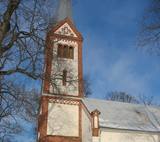 |
The Krimulda Lutheran church is seen as one of the oldest in Latvia. It was built in the early 13th century, soon after the territory of Kubasele was conquered. Over the subsequent centuries, it has been rebuilt many times. Alongside the church is a meditation maze called "Lily Blossom." When the Liv warrior Kaupo fell in battle near Vīlande in 1217, his remains were supposedly interred at the church. Local residents, true, describe a small hillock that is near the church as the grave of Kaupo. The site is located alongside the little Runtiņupīte (Runtiņš) river, on the right bank of which is a manmade cave that is approximately seven metres deep. It is the Kubesele Cave or the Runtiņala Cave. The Kubesele castle hill is on the left bank of the Runtiņupīte. The Kubesele Nature Trail starts at the church. If you hike down the trail, you'll see all of the aforementioned objects and others. The trail leads to the Gauja River where, on the right bank, is the Great (Runtiņš) Rock. Nearby you'll find anchor blocks installed by rafters on the river. |
|
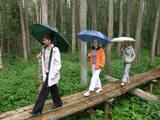 |
This trail of pathways dates back to 2005 and it passes from the Dunte Estate (which has an exhibition about Munchhausen) along damp shoreline forests and on to the sea. There are rest stops along the trail with wooden sculptures related to the famous Baron Munchhausen, as well as other attractions. The trails are in the Northern Vidzeme Biosphere Reserve.
|
|
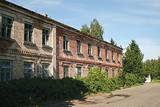 |
Здание бывшей Морской школы – образование в Морской школе (1894 – 1914
гг.) получили более 1000 студентов. В советское время здесь размещался пункт пог-
ранохраны Советской армии. Сохранилась пограничная вышка. По дороге к морской
школе видны лесистые приморские дюны с небольшими строениями, создающими
интересный прибрежный пейзаж. Дорогу, соединяющую Морскую школу с морем,
когда-то называли Аллеей капитанов или Дорогой капитанов.
|
|
 |
Pirts noma, izmitināšana, ēdināšana, banketu zāles noma, internets, makšķerēšana, volejbola laukums. |
|
 |
Z / S "Kaņepītes" is a family company founded in 1992. The farm takes its name from the name of the house given to it in 1924. Organic farm where cereals are grown and processed into food. The production of the products is small, but the technique has an ancient atmosphere, a stone, wooden mill that gives a special taste and aroma to flour and oatmeal. Now the assortment already has 30 different product types. |
|
 7 дней
|
This tour leads to the popular seaside resort towns in Lithuania and Latvia, from Nida on the Curonian Spit to Jūrmala on the Gulf of Riga. The first stage of the route runs through the Curonian Spit to the city of Klaipėda with its symbol – the wooden sailing ship – and its old town resembling German towns in terms of architecture. You will then visit the Lithuanian summer beach capital Palanga with some of its top sights being the Botanical Park, the Amber Museum, the pedestrian street of J. Basanavičius and the Sea Pier. Next, the route will take you to the former fishermen village of Šventoji, now a resort town, near which the Žemaičių alkas (Samogitian Sanctuary) is located – an ancient pagan sanctuary. After crossing the border of Lithuania/Latvia you will reach Liepāja – known as the windiest city in Latvia. Should you be interested in military heritage, you will find that in the former military port of Karosta. The tour continues to reach Ventspils, another seaside city. Here, you can go on a voyage on a small vessel on the river Venta river and out to the sea, walk along the riverside, go for a ride on the narrow-gauge train called “Mazbānītis”, marvel at greenery in the form of clocks made of flowers, spot the iconic cows of Ventspils – multiple sculptures scattered around the city streets. At the end of the tour, you will drive to Jūrmala and walk on the Baltic Coastal Hiking Route through the longest Latvian resort cities boasting with its widest sandy beaches. |
|
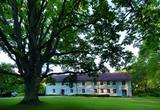 |
The first mention of Pēterupe Rectory goes back to the late 17th century. The Manor Park and the buildings have partially survived to the present day, including a linden alley at the end of Smilšu Street, planted by the pastor Jānis Neilands in 1879 and the grand oak planted by Johann Wilhelm Knierim in 1869. After the fire of 1908, the Rectory was restored and partially rebuilt. In Soviet times, the property was removed from the parish and the house was named “Līgotnes”. During German times the Rectory was occupied by legionnaires. After the war, the building of the Rectory was turned into a hospital, then into a secondary school and later it was transformed into a block of flats for teachers. Now the building again belongs to the parish and it is inhabited by a priest of the parish and his family. |
|
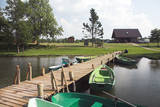 |
Владельцы базы отдыха «Эзермали» предлагают прекрасную возможность для дневного отдыха на берегу живописного и прозрачного озера Звиргзду без ночлега. Сюда можно приехать на благоустроенный пляж поплавать, покататься на лодке и порыбачить. Дети смогут прокатиться на водном велосипеде. Активный отдых. Деревенская баня. В гостевом доме есть 2 комнаты на 8 человек. 6 кемпинговых домиков, 18 палаточных мест, прокат лодок. |
|
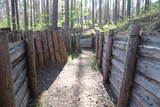 |
Ar Kara muzeja informatīvo atbalstu Garā kāpā pie Antiņiem ir rekonstruēta daļa latviešu strēlnieku nocietinājumu sistēmas. Aspkatāmas ierakumu pozīcijas un vairākas zemnīcas. Netālu atrodas bijusī un no dzelzsbetona veidotā medikamentu glabātuve. |
|
 |
Находится на обочине шоссе Цесис – Валмиера. Размещена в срубе, в латышском стиле. Овощи и ягоды покупают у местных крестьян. Латышская кухня: Тонкие и картофельные блины, холодный суп, суп из лесных грибов, щавелевый суп по бабушкиному рецепту, букстиньпутра, серый горох, жареная салака, филе трески, маринованная в Бренгульском пиве говядина, маринованный кролик, слойка из черного хлеба. Особое блюдо: «Гленделока». |
|
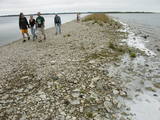 |
The Kassari Island is the fifth largest Estonian island, and it is found to the South of the Hiiumaa Island. There are two dams between the two islands, and a road for motor vehicles has been installed atop them.
|
|
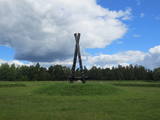 |
Недалеко от Рижской окружной дороги на правом берегу Даугавы находится памятник-памятный знак скульптора Г. Бурвиса, открытый в 1994-м году. Он посвящен Даугавским ливам и их предводителю Ако, который в 1206-м году возглавил борьбу против крестоносцев. В окрестностях памятника вдоль берега Даугавы создано место для отдыха и прогулок. Это одно их живописнейших мест по берегам низовья Даугавы. Немного дальше на берегу реки установлены информационные стенды, отражающие историю берегов Даугавы до строительства Рижской ГЭС. |
|
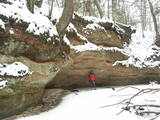 |
The Kaļķupe River valley was established as the Pilsupe River (formed by Kaļķupe River and Mazupe River) crossed the Blue hills of Šlītere to the South of Vīdale and Kaļķi. The distinct river valley has a branched network of gullies in which Devonian sandstone has been uncovered and can be seen in some locations. Puiškalns Hill (located at confluence of Kaļķupe River and Mazupe River), which was used as a castle hill and as a sacred location long in the past, is one of the most distinctive parts of the area. It is a popular tourist destination in the Talsi District. Hillside forests, various kinds of meadows and a wide range of plants are also of value in the local environment. |
|
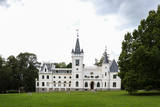 |
Построен в первой половине 19 века, в стиле неоготики Тюдоров. Первым владельцем замка стал барон Иоанн Готлиб фон Вольф. В 70 – 80 годах того же века его перестроили в стиле французского неоренессанса. Во время революции 1905-го годa замок сожгли, однако восстановили, введя в его облик формы модерна. Замок можно осмотреть изнутри, предлагаются экскурсии. |
|
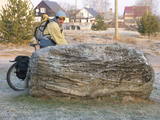 |
Поселение расположено между улицей Пиладжу и левым берегом Силиньупе. В III–II тысячелетии до нашей эры здесь находилось поселение рыбаков и охотников, на месте которого установлен информационный памятный камень (скульпт. О. Скарайнис). Силиньупское поселение – наиболее известное место поселения древнего человека на территории Кемерского национального парка. Здесь найдены многие старинные предметы: осколки глиняной посуды, наконечники стрел, кусочки кремня и янтаря и др. Возможно, что на территории соседних частных домов находился могильник поселения. Небольшую часть находок можно увидеть в Лапмежциемском музее, остальные находятся в Латвийском Национальном историческом музее. |
|
 |
Rīgas HES komplekss ir savienots ar Doles salas austrumdaļu. Rīgas HES ir pēdējā no elektrostacijām Daugavas HES kaskādē. Tās celtniecību uzsāka 1966. g., bet pirmo hidroagregātu iedarbināja 1974. gadā, tā projektēto jaudu sasniedzot divus gadus vēlāk. Rīgas HES uzstādīti seši hidroagregāti, kuru kopējā jauda ir 402 000 kW. No Rīgas – Daugavpils šosejas (A 6) labi redzamas Rīgas HES dambis. Rīgas HES dzelmē palika daudzi kultūras un vēstures pieminekļi, t.sk. Laukskolas apmetne, kas ir vecākā zināmā cilvēku apmešanās vieta tagadējā Latvijas teritorijā. |
|
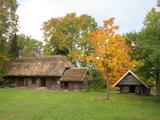 |
Место работы и жизни латышского новелиста и основателя современной драматургии Рудольфа Блауманиса (1863 -1908). На хуторе «Браки» восстановлен типичный для Видземе сельский двор крестьянина-арендатора с 8 деревянными постройками. Посетители могут поучаствовать в образовательных мероприятиях и экскурсиях (честь семей, проделки чертиков, работы в сельском дворе) и отведать латышскую бракскую кашу, блины Силмачей, чай и вино «Из сладковатой бутылки». |
|


