
| Нo | Название | Описание |
|---|---|---|
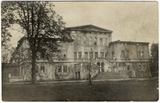 |
Muižas ansamblis veidots 19.gadsimtā, tās arhitektūrā atspoguļojās vairāku eklektisma formāli stilistisku virzienu uzslāņojumi, taču dominējošais bija baroka stils. Tā bija grāfa Kazimira Plātera-Zīberga (1808-1876), vēlāk grāfa Fēliksa Konstantina Plātera-Zīberga (1847-1928) rezidence. Pils un daļa saimniecības ēku tika iznīcinātas pirmā pasaules kara laikā, krievu armijas lielkalibra artilērijas apšaudes gaitā. Pārpalikušās drupas laika gaitā tika nojauktas. Līdz mūsdienām saglabājušies vārtu stabi, kas ir apmierinošā tehniskā stāvoklī. Muižā bijusi arī grāfa Zīberga 1697. gadā celta mūra kapela ar altāri un skaistām gleznām. Dievkalpojumus esot noturējis Ilūkstes prāvests. Bijušie īpašnieki: 18. gadsimtā barons A. Plāters-Zībergs, Kazimirs Plāters-Zībergs (1808-1876).
|
|
 |
Хозяин свое пчеловодческое хозяйство основал на красивом берегу озера, на месте старинного жилья, расположив пчелиные улья в двух местах – на приозерном холме и на красивом лесном лугу, который хозяин преобразовал сам. Рядом с пасекой находится красивый яблоневый сад, в котором осенью хозяин рад видеть помощников. С 1996 года хозяин понемногу обновлял и ухаживал за этим хозяйстом, в котором уже красивое широкое озеро, домик у озера, клеть с отремонтированным помещением над клетью и балконом, пасека и яблоневый сад. |
|
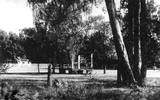 |
Это здание - одно из пяти зданий комплекса „Kurhaus”. Это небольшое здание во времена курорта Нейбаде было домом с ваннами с подогретой морской водой. Сюда в бочках на лошадях привозили с моря воду, чтобы гости курорта в штормовую погоду могли освежиться в морской воде. |
|
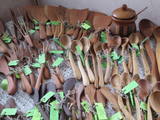 |
В ложкарной мастерской рождаются полезные вещи - деревянные ложки, кухонные дощечки, ножи для масла, лопатки для сковороды и др. Интересующиеся из специальной заготовки могут сделать свою деревянную ложку, а также осмотреть уже готовые ложки более чем из 17 пород деревьев, растущих в Латвии. Летом предлагаются «Блинные экскурсии» с вкусным вареньем. Покупка ложек и домашнего вина. |
|
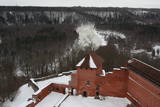 |
Строительство замка в Сигулде было начато орденом Меченосцев в 1207 году, а в 1236 году его переоборудовали для нужд Ливонского ордена. Замок в Сигулде сильно пострадал в войнах второй половины 16 и началa 17 века. Во время Северной войны его сжигают и более не восстанавливают. На сегодняшний день для осмотра доступно здание конвента юго-западного корпуса замка и башня главных ворот, за которой находится внутренний форбург с эстрадой под открытым небом, открывающей великолепный вид на долину реки Гауя. Строительство Нового замка Сигулды, находящегося на юге (владелец - князь Кропоткин), проводилось в период с 1878 - 1881 годa. B 1923 - 1940 годы в здании располагался Дом писателя, а во время СССР - кардиологический санаторий. С 2003 года здесь находится Сигулдская краевая дума. В комплексе имения сохранилось деревянное жилое здание (середина 19 века), в котором находился дом семьи Кропоткина, амбар (конец 18 – начало 19 века), дом садовника (19 век) и каменная ограда (19 век). Если от Нового замка мы поедем в северо-восточном направлении, менее чем через 2 км мы подъедем к оврагу Вейупите (речка Ветров). Здесь находится неглубокая (3,6 м), но высокая (6,1 м) пещера Святого Петра и глубокий Совий овраг с Крауклюпите (речка Ворона). На месте соприкосновения двух оврагов возвышается городище Сатезеле (площадка 90 × 75 м), где в начале 13 века находился дубовый замок вождя земли ливов - Дабреля. Недалеко находится ущелье Воронов - боковая ложбина левого берега Вейупите со стенами из песчаника высотой 11 метров и пещера Ворона глубиной 5,2 метра. На месте соприкосновения оврага Вейупите и русла реки Гауя возвышается Райская гора (Художников) – очень живописный ландшафт, вдохновлявший художников еще с древних времен. В западной части Сигулды можно посетить Колесо обозрения (работает в летнее время) и канатную дорогу (трамвай) - единственное транспортное средство подобного типа в странах Балтии (построена в 1969 году). Несущий трос канатной дороги тянется без поддержек 1060 метров и соединяет берега долины реки Гауя между Сигулдой и Кримулдой на высоте около 40 м над рекой. В юго-западной части Сигулды можно посетить утес Бейте, пересеченный глубоким оврагом ручья. На западной стороне оврага находится Государев вид, который находится на высоте 67 метров над уровнем реки Гауя с великолепным видом на Кримулду и Турайдский замок. Смотровую площадку здесь обустроили в 1862 году, когда Сигулду посетил российский царь Александр II. На восточной стороне оврага расположен выполненный из дерева Трон государя. На месте, где правый берег русла реки Гауя пересекает множество глубоких оврагов небольших ручейков, расположился Турайдский музей-заповедник с имеющими большую ценность для всей Балтии памятниками, история которых тянется на 1000 лет назад. Среди них следует упомянуть Турайдское имение (21 здание), могила Турайдской Розы, Турайдская Лютеранская церковь (одна из старейших деревянных церквей Латвии (1750 год)) и Турайдский замок. На располагающейся рядом горе Дайн организуются различные тематические мероприятия. |
|
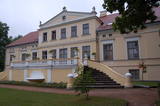 |
Господский дом усадьбы построен в XIX веке. В свое время запущенную усадьбу в 1932 г. купил король Латвийской прессы А. Беньяминьш. В наши дни поместье опять принадлежит роду Беньяминьшей, и здесь обустроена фотоэкспозиция частной жизни и путешествий А. Беньяминьша. |
|
 |
Asares muižas romantiskā stila dendroloģiskais ainavu parks veidots 18. gs. un papildināts 19. gs. 2. pusē. Muižas parka teritoriju ieskauj laukakmeņu mūris. Bet parkā sastopamas daudz interesantas krūmu un koku sugas: Sibīrijas baltegles, Eiropas lapegles, duglāzijas, šķeltlapainie baltalkšņi, Švedlera kļavas, košumkrūmi, dažādi lakstaugi. Liepu alejā - 2 dižkoki. Tempļa kalna atjaunotajā lapenē - muižnieku tējas dzeršanas vieta ar skatu uz pili. |
|
 5 days
|
The "Baltic Way" route is in honour of a unique demonstration on August 23, 1989, when residents of the three Baltic States joined hands in a chain of participants that stretched along a nearly 600 km distance to link the three capital cities of Vilnius, Rīga and Tallinn. In historical terms, this route was used from the 14th or 15th century or even earlier than that. Grain-based foods in this region have a long history. Tasty and yeasty rye bread is common, and in Vidzeme, try it with some hemp butter. Barley is used to bake buns and for porridges. Wheat is used to bake water pretzels with caraway seeds. Visit farms and restored windmills to track the route of grain. A special cheese is part of Summer Solstice celebrations, and on a daily basis you can enjoy other tasty cheeses made of cow and goat milk. Various river and lake fishes are popular, as are local meat and fowl dishes and wild game with tasty sauces. A roast or a pot of soup cooked on a live campfire will have a lovely aroma, and it will be served with vegetables, greens, beans, peas and mushrooms. Wild plants such as sorrel, dandelion or young nettle leaves are added to soups and salads. Treat yourself with fresh honey, bacon pies, sheet cakes, pastries, rye bread desserts, honey cakes and gingerbread. You will find simple and traditional dishes, romantic meals in castles and estates, as well as a special knighthood repast with spices typical in the age of the Livonian Order. Slake your thirst with herbal teas, birch juice, berry beverages, tasty beer or wine or a glass of something stronger. |
|
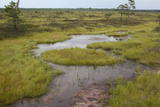 |
Very wide territory for a nature restricted area where extensive forests and several bogs can be found. The territory is important living space for many bird species. Vasenieku bog path with observation tower is the most attractive sites of the restricted area and offers unique landscape of the bog for its visitors. Waterproof shoes are recommended for visitors as the first 500 m of the path is molded turf rampart. Information stands are significant source of information along the path. It is suggested to visit also Stikli (Glass) village where glass factory used to be. Chandelier of Stende church has been made in this factory (by memory of Inese Roze).
|
|
 |
Kloostrimetsa is a cider brand with centuries-old traditions. They specialize in crafting high-quality cider using traditional methods, where the cider is made from their own carefully grown apples, allowing the juice to naturally ferment to preserve its authentic flavor. In addition to cider, they also produce jams, juices, and syrups in their home kitchen. Their gardens and fields are home to various fruits and berries, including chokeberries, sea buckthorn, and blackcurrants. In spring, birch and maple sap is harvested for seasonal products. The farm practices sustainable methods, utilizing solar energy and gentle land management. |
|
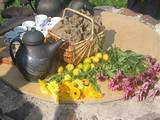 |
The Kurmīši farm grows medicinal plants in an ecologically pure and lovely nature park, "Curves of Daugava," which is part of the protected landscape area "Augšdaugava." Since 1994, the farm has produced approximately 40 types of medicinal plants so as to ensure the preservation of the farm. Enthusiasts and tourists can learn all about medicinal plants and how they are prepared. After the tour, you can taste and purchase Kurmīši herbal teas, which taste the best if you add honey from local beekeeping operations. Candles made of beeswax offer a special atmosphere. The farm has areas for relaxation and a facility where the candles are made. You can purchase a wide range of wax souvenirs and tour the beekeeping facility. The owner also offers guided tours of the arm. |
|
 |
Pusceļā starp Madonu un Cesvaini, Sarkaņu pagasta Biksēres “Jaundilmaņos” dzimis Latvijas Bērnu ķirurģijas pamatlicējs, traumatalogs un ortopēds, izcils bērnu ārsts Aleksandrs Bieziņš (1897.-1975.). Tagad viņa dzimtajās mājās ierīkots muzejs, Paula Stradiņa Medicīnas vēstures muzeja filiāle. |
|
 2 days
|
The Forest Trail follows small roads and trails through the woods. Along the route you will see the Ērģeļu Cliffs, where the observation terrace provides a great view of the impressive 700 m wide sandstone cliff and the beautiful natural landscape in the ancient River Gauja valley. One of the most beautiful places on the banks of the River Gauja is at “Caunītes” tourist lodging, where you will end the first day of the route. Further on the trail leads through pine forests and wetlands, across and around hills and slopes. One of the most beautiful views of the River Gauja opens from Sietiņiezis Rock, a 15 m high sandstone cliff where a circular 1.5 km trail has been constructed. Coming to Valmiera, you will reach the so-called “Dzelzītis” bridge (a narrow-gauge railway bridge) and continue walking along the River Gauja to Valmiera Centre. Sites of interest in Valmiera: St. Simon’s Church, ruins of the Livonian Castle and Valmiera Museum. There is also an adventure park “Sajūtu Parks” (“Park of Senses”), where you can walk on the barefoot trail, the tree-top trail and enjoy other activities. |
|
 |
Kalevipoeg is a hero from the Estonian national epic, most of his stories come from Jõgeva County, where you can find his sword in the Kääpa River, there are his places of rest, stones he’s thrown, springs and bogs, ploughing furrows, etc. The museum has 12 themed rooms presenting Kalevipoeg´s legends as well as Estonian heritage. 17 wooden statues of the epic’s characters stand in the museum grounds. |
|
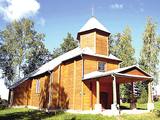 |
St. Anthony Roman Catholic Church of Pilcene (Piļcine) is the oldest wooden church in Latgale, built
in 1670. It is prominent because of its half columns, hexagonal tower, semicircular windows, and a dome
with a cross and antique interior.
|
|
 |
Construction on the lighthouse was initially completed in 1879. The structure suffered damage during both world wars and was restored several times. The structure is 19 metres high and stands 46.5 metres above the wavy sea. Here you will find one of the loveliest views of the shores of the Baltic Sea.
|
|
 |
The viewing tower is on the western part of the Blue Hills of Ogre, not far from the Dubkalni quarry. Paths lead to the tower, as does a wooden staircase. The viewing platform offers a very broad view of the Ķegums hydroelectric power plant reservoir and the towers of
|
|
 |
This is another so-called hill left behind by the Ice Age – five kilometres long with a height of between 15 and 30 metres and with high hillocks and steep hillsides. Te most distinct part of the hill can be found between Lake Pinti and Lake Šeški. The pine forests on the hillocks are a habitat with many rare and protected species. A trail has been established to tour Grebļa Hill, as well as Āža Hill and Kausu Hill, but it is recommended that visitors travel the trail in the company of a guide. The biological diversity of the area is made clear if one knows, for instance, that more than 500 kinds of butterflies have been found in the restricted territory.
|
|
 |
Mini zooloģiskais dārzs Brocēnu novadā, kur iespējams gan apskatīt, gan samīļot dažādus dzīvniekus lauku vidē. Sētā ir arī ugunskura vieta un nojume, kur patverties lietus laikā.
|
|
 |
Mežvidi (SIA Latgale Vegetable Logistics) began operations in 2007 and sells tasty and healthy red tomatoes. The owners plan to grow and deliver tomatoes during the winter, when people have the greatest need for healthy and vitamin-rich vegetables. The farm helps to facilitate co-operation among people who farm vegetables, and it informs the public about how tomatoes are grown. |
|


