
| Nr | Name | Beschreibung |
|---|---|---|
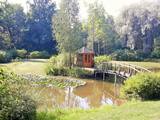 |
Einer der ältesten botanischen Parks in Litauen. 1928 begann I. Navidanskas, der zu dem Zeitpunkt erst 16 war, mit der Gestaltung des Parks. 1965 wurde der Park als Niederlitauischer Botanischer Park benannt. Izidorius Navidanskas entwickelte den Park zusammen mit seinem Sohn Rapolas Navidanskas, der gegenwärtig Besitzer des Parks ist, weiter. |
|
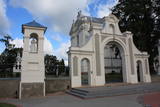 |
Das beindruckende Denkmal des lettgalischen Barocks. Gebaut in der Periode von 1755 bis 1767 nach dem Projekt des italienischen Architekten A. Parako. Eine Kapelle mit der Reliquie vom St. Donatus, dem Beschützer von Krāslava. |
|
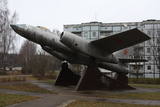 |
Im Dorf von Skulte ist ein seltenes Denkmal erhalten geblieben – Düsenflugzeug (Bombenflugzeug) aus der Zeit der Sowjetunion IL-28), das möglicherweise auch die geflügelten Raketen tragen könnte. Das Flugzeug ist auf drei betonierten Postamenten aufgestellt.
|
|
 |
Meža māja (Das Waldhaus) – wurde 1933
gebaut und ist eins der leuchtendsten Beispiele
für den nationalen Romantizismus in Lettland.
Anfangs war es ein in weiter Umgebung
bekanntes Restaurant „Jautrais ods” (die Heitere
Mücke). Nach dem Zweiten Weltkrieg wurde in
dem Gebäude ein Sanatorium für Kinder
eingerichtet – „Das Waldhaus“. 1997 zusammen
mit der Gründung vom Nationalpark Ķemeri
wurde es zum Haus der Administration vom Park
mit einem modernen Besucherzentrum und Platz
für verschiedene naturbezogene Ausbildungs
veranstaltungen.
|
|
 |
Atrodas vēsturiskā rātslaukuma dienvidu malā. Jaunā rātsnama celtniecība (itāļu renesanses stilā, arhitekts O. Dīce) tika pabeigta 1860. gadā. Iespaidīgo celtni, kas nulle kā atjaunota, ir vērts apskatīt gan no āra, gan iekšpuses. Ir restaurēts rātsnama pulkstenis, ārējā fasāde, iekšējie interjeri un Lielā zāle. |
|
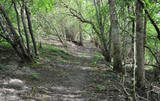 |
4 km garā un marķētā taka iepazīstina ar dziļo Imulas ieleju – Abavas kreisā krasta pieteku. Īpaši iespaidīga ieleja izskatās bezlapu periodā, kad ir apjaušami tās izmēri un formas. Vēstures cienītāji var upes gultnē uzmeklēt Langsēdes Velna pēdas akmeni. Atrodas dabas parkā „Abavas senleja”. |
|
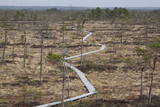 |
Taka iesākumā ved pa mežu ieskautu bijušo šaursliežu dzelzceļa līniju, pa kuru pagājušā gadsimta vidū izveda kokmateriālus. Tās tālākā daļa izmet nelielu loku pa Suistna purvu (Suistna raba), kur uzcelts skatu tornis ar izcilu sūnu purva ainavu ar nelieliem ezeriņiem. Takas garums vienā virzienā ir 4,5 km. |
|
 |
Lauku mājā "Celmiņi" iespējams dzirdēt farmaceites Valentīnas Dāboliņas stāstus par veselību stiprinošiem ārstniecības augiem. Tiek piedāvāta augu atpazīšana un tēju vākšana, kā arī tēju degustācija un iegāde. |
|
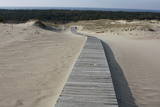 |
Gegründet für den Schutz der Kurischnen Nehrung (die größte Dünenformation im Baltikum), Küstenbiotopen, des kulturhistorischen Erben und der kultorologischen Ressourcen. |
|
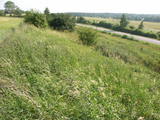 |
Dieses Territorium schützt die Küste des ehemaligen Baltischen Eismeeres, das sich über mehrere Kilometer auf der östlichen Seite der Straße Grobiņa-Ventspils erstreckt. Von einem hohen Punkt der alten Küste hat man einen schönen Blick auf die Piejūra – Tiefebene, leider gibt es keinen speziellen Aussichtturm. Geschützte Arten und Biotope sind in diesem Territorium vorhanden.
|
|
 |
Das Wirtshaus befindet sich am Rande der Straße Murjani – Valka (A3) und man kann es dank dem Gebäude und den Märchenfiguren leicht erkennen, die sich auf dem Hof des Wirtshauses aufgestellt sind. Lettische Küche: Suppen (kalte Rote-Beete-Suppe, Bohnen-, Sauerkraut-, Ampfersuppe), gebratener Schweineschenkel, Blutwürste, Schweinrippen, Beerenkompott mit gerösteten Haferflocken, geschichtetes Roggenbrot-Dessert. Das besondere Gericht: Die feurige Suppe von Raganas ķēķis (Übers.: Hexenküche). |
|
 |
Die Mikaitas GmbH ist ein Familienunternehmen, das Zuchtschafe züchtet und im Jahr 2005 gegründet wurde. Das Unternehmen bietet Zuchtmaterial an Herden, die Fleisch herstellen, und dieses Zuchtmaterial gibt frühreifende Lämmer mit ausgezeichnetem Fleisch. In der Wirtschaft wird die Schafsorte Oxforddown gezüchtet. Hier kann man Zuchtlämmer im unterschiedlichen Alter, Zuchtschafe, Zuchtböcke, Garne, Waren aus Wolle, bearbeitete Schaffelle, Schafe für Weide, Lammfleisch und verschiedene Fleischerzeugnisse kaufen. |
|
 |
The organic farm Zemturi is a 30 min drive from Kuldiga. The farm is mainly engaged in breeding rabbits and is designed as a place for children to see, learn about rabbits, birds and other pets. The hosts have created two thematic trails, one for pets and poultry and the other for trees and flowers. Sauna lovers have access to the sauna, also fishing opportunities can be used. Overnight stays with family or a small group of friends are also offered. Excursions for big and small. |
|
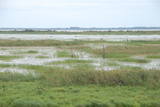 |
The Lake Lubāns, wetland of Lubāns. Lubāns (80.7 km2) is the largest lake in Latvia and the most popular
lake and wetland in Europe. The lake and the wetland has biodiversity; a unique place not only in Latvia,
but also internationally. Nature Reserve is included in the European Union network of protected areas and
NATURA 2000 under the Ramsar Convention criteria as the wetland of international importance. Lubāns wetland,
called marshy meadows, includes bogs, wet meadows and wet forests. In autumn and spring the lake
attracts thousands of migratory waterfowl which is easily to wach from the bird observation towers or the terrace
of water tourism development center.
|
|
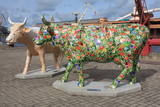 |
The largest city near the Liv Coastline, where visitors will find the Ventspils branch of the Liv Association and the Liv ensemble "Rāndalist." In nearby Tārgale are the Liv ensembles "Kāndla" and "Piški kāndla." |
|
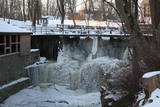 |
Atrodas pie Kuldīgas pils dzirnavām, kur straujā Alekšupīte pirms ietekas Ventā izgrauzusi dziļu „kanjonu” dolomītā. Šo dēvē par vienu no augstākajiem Latvijas ūdenskritumiem (4,15 m). 17. gs. ūdenskritumu ievērojami pārveidoja – paaugstināja un nostiprināja, lai Alekšupītes straumi izmantotu dzirnavu darbināšanai. Upītes kreisais krasts ir labiekārtots. |
|
 |
Jelgavas pils dienvidaustrumu spārna cokolstāvā ir iepazīstamas Kurzemes un Zemgales valdnieku - Ketleru un Bīronu dzimtas kapenes (laika posms no 1569. – 1791. g.), kur apskatāmi 18 restaurētie sarkofāgi. Šī ir Baltijas mērogā nozīmīga vieta, kas noteikti jāapmeklē ikvienam vēstures interesentam. |
|
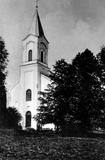 |
The first building of the church was built in 1641. The fourth building of the church was only built in 1856 – during the times of Pastor Johann Wilhelm Knierim. Its altar painting – The Crucified Christ (Golgotha) was painted in 1856 by Jozeps Millers, who was influenced by the altar piece in Munich Louis Church created by his teacher Peter Cornelius. An epitaph of Baroness Auguste Amalija von Pistohlkros, the sister of the owner of Bīriņi Manor and the patroness of the church, was immured in the memorial wall. Construction of the tower was completed on 11 June 1856, as evidenced by a memorial plaque on the wall of the church with an inscription “Erbaut von August Pistolkors 1856”. The church was consecrated in 1864. And a year later an organ by Martin Company with 8 registers, which was extended to 14 registers in 1903, was installed in the church. Unfortunately, the organ was destroyed in WW2. Saulkrasti (Pēterupe) Evangelical Lutheran Church survived both World War 2 and the Soviet period. The Soviet era was one of the most difficult times for the church, because many churches in the area were destroyed, pastors were discharged and the congregation fell apart. The Pēterupe congregation remained. As an architectural monument the church was lucky enough to undergo roof repairs of the tower even during Soviet times. Funds were granted by the Chairlady of the Executive Committee Ņina Manzūrova. |
|
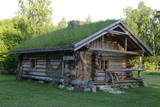 |
The ancient sauna house is a great place for rest and relaxation in Hiiumaa. The house is built of thick logs and has a sod roof. The house has a sauna. |
|
 |
The saloon is in the centre of Jelgava alongside the bridge over the Driksa River, where there is a new shoreline promenade. Wood has been used for interior design, and the saloon regularly organises musical evenings. Latvian cuisine: Cold soup, roast filet of plaice or cod farmer’s breakfast, potato pancakes, crepes. |
|


