
| Нo | Название | Описание |
|---|---|---|
 |
Усадьба расположена в красивом спокойном месте у пруда, который обрадует каждого рыбака изобилием рыб. Гостей располагают на ночлег в клети, насчитывающей 120 лет, вмещающей в себя спальные, кухню и баню. |
|
 |
Усадьба сельского туризма расположена в живописном месте Жямайтии рядом с рекой Вирвите. Гостям предлагаются следующие развлечения: плавание на байдарках, катание на велосипедах, ловля форели в старом русле реки Вирвите, экскурсии по историческим местам Жямайтии. В усадьбе основан музей старинных мотоциклов. |
|
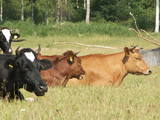 |
В хозяйстве выращивается горох, крупяные культуры, бобовые и скот. Посетителям предлагают экскурсию, во время которой рассказывается о методах биодинамического земледелия. |
|
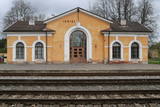 |
Ramocku stacija atklāta 1889. gadā reizē ar dzelzceļa Pleskava-Rīga atklāšanu. 1916.gadā pēc jauna dzelzceļa izbūves līdz Gulbenei, šīs stacijas nozīme ievērojami pieauga. 1918.gadā tā kļuva par divu dažādu sliežu platumu dzelzceļa iecirkņu saskares staciju. Intensīva vilcienu kustība caur šo staciju tika izvērsta Brīvības cīņu laikā. Sadursmes pie Ieriķu stacijas notika jau 1918.gada decembrī. 1919.gadā jūnijā te sākās Cēsu kaujas. Starp Cēsīm un Ieriķiem vācieši uzbruka igauņu bruņuvilcienam. Par dažādiem nopelniem Brīvības cīņu laikā Ieriķu apkaimē, vairāki karavīri saņēma apbalvojumus, arī Lācplēša kara ordeņus.1919. gadā stacija nodēvēta par Ieriķiem. Otrā pasaules kara laikā te atradās lokomotīvju depo.1953.gadā depo vietā izveidoja stratēģiskās rezerves tvaika lokomotīvju bāzi. Pēdējā tvaika lokomotīve L-3599 Ieriķu bāzi pameta 2002.gadā un tagad ir redzama kinopilsētā Cinevilla.Ieriķu stacija vairākkārt pārbūvēta.Otrā pasaules kara laikā nodedzināta pavisam. 1956.gadā uzbūvē pašreizējo ēku. |
|
 6 дней
|
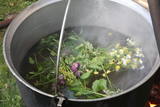
Латыши живут в тесной связи с природой и ее годичными циклами. Старинные знания о том, как использовть дары природы, до сих пор живы. Сбор диких грибов и ягод очень популярен,так же, как и сбор трав и цветов для чаев и настоек. Этот маршрут пытается показать вам различные пути использования природных ресурсов. Маршрут ведет в Национальный парк Кемери, богатый флорой, и интересный своими серными источниками, чья вода используется для улучшения проблем, связанных со здоровьем. Затем вы сможете посетить ферму, которая специализируется на травах и чаях, и чья владелица с готовностью поделится своими знаниями о растениях и как они могут быть использованы. А далее вас ждет осмотр достопримечательностей в живописной Кулдиге и уха на костре на побережье в Павилосте. На следующий день по плану – небольшая поездка по реке в традиционной рыбацкой лодке и поездка, где научитесь готовить блюда, используя природные дары. Экскурсия по Лиепае с ее пляжем из белого песка и исключительным военным наследием. Ночь в Природном заповеднике Папе. Возможность половить рыбу в озере и узнать о традиционных методах копчения рыбы. Посетите традиционный дом в Руцаве, где сможете ощутить и увидеть старинную культуру, а также отведать традиционные блюда. Затем отправляйтесь к производителю грибов шитаки и попробуйте их на вкус. Затем визит к произоводителям травяных чаев. Экскурсия к воспроизведенному семигальскому замку. На следующий день вас ждет поход в лес за грибами и их приготовление. Днем – визит к производителю продуктов из березового сока, где вы можете научиться собирать сок с берез и попробовать как сок, так и искристое вино. Затем возвращение в Ригу. |
|
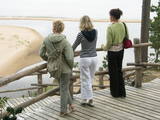 |
At the estuary of the Inčupe River, there is the White Dune, which is around 18 metres high and is the most lovely element of the Vidzeme shoreline among those that have been created by the wind, sand and sea. There is a wooden footpath (the Saulriets trail) which is meant to view, but also protect the dune. It has a viewing area, too. The territory to the south of the river is in the Piejūra Nature Park.
|
|
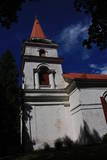 |
Проезжая по северному берегу Саукского озера (где перекресток на Клауци), сквозь деревья просматривается Саукская лютеранская церковь. Это третий храм на этом месте. Открытие состоялось в 1827 году, осмотру подлежит г.о. извне. Церковный алтарь украшен скульптурами апостола Петра и Павла и алтарной иконой Й.Деринга «Иисус у креста с Марией и Иосифом». Орган - работа елгавских ремесленников, но трубы органа - из Саукас.
|
|
 |
«Ильзенберг» - это первая самая крупная в странах Балтии ферма в поместье. На ферме, существующей в гармонии с природой, можно увидеть и приобрести разные сорта хлеба на натуральной закваске, домашних птиц и их яйца, мясо, молоко и молочные продукты скота, выращенного на экологически чистых пастбищах, выращенную в прудах рыбу, дары сада, охраняемого традициями, разные овощи, пчелиный мёд, собранный в максимально экологических окрестностях поместья, также разные сушеные, квашеные и копченые продукты. |
|
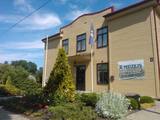 |
Один из главных остановочных пунктов на Северокурземском побережье, где можно получить обширную информацию и представление об истории края и побережья, культурно-исторических ценностях, строительстве парусников, традициях рыболовства, людях этого края, их труде и заслугах. Музей в Рое был основан в 1968-м году. В настоящее время можно осмотреть постоянные экспозиции о Кришьяне Валдемаре, мореходной школе в Рое и строительстве парусников в 19-м веке. Создана также экспозиция об истории рыбообработки с 19-го века до наших дней, Ливском береге, о советском вкладе в развитие побережья. Кроме осмотра основной экспозиции еще можно «познакомиться» с тремя жительницами Курземе, представляющих различные исторические периоды: Милдочка – простая жена рыбака c побережья, госпожа Паулиня со времен парусников и Анна Петровна с советского времени. Они увлекательно знакомят с предметами, не представленными в музее и со «скверным» юмором жителей Курземе. (Источник: Ройский ТИЦ) |
|
 |
Starp steķiem un Tūjas ķieģeļu fabriku bija
izveidots sliežu ceļš, pa kuru transportēja labākās kvalitātes ķieģeļus.
Pēckara gados „Dzeņu” krastā uzcēla zivju pārstrādes rūpnīcu, bet pāri
steķiem – cauruli, pa kuru ar ventilatora palīdzību sūknēja zivis no kuģiem,
kas bija piestājuši steķu galā.
|
|
|
| ||
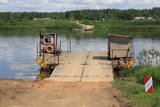 |
Одна из двух переправ такого типа через Даугаву (вторая – у Ливан), которая до сих пор работает как своего рода экзотическое транспортное средство, переправляющее пешеходов, велосипедистов, и даже легковые автомобили. Переправу вперед двигает мотор и натянутый через реку (ширина – 0,2 км) металлический трос. Паром состоит из понтонов Советской армии, которые предусматривались для строительства понтонных мостов для танков. Переправу построили ее владельцы. На левом берегу Даугавы возвышается Дунавская католическая церковь. Недалеко от переправы на берегу Даугавы установлен памятник, посвященный сплавщикам, работавшим на Даугаве. В 20-х годах 19 века в Ливанах было три переправы через Даугаву. |
|
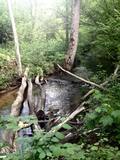 |
Длина тропы составляет около 1,2 км. Уникальной тропу делает холмистый рельеф леса (глубина оврагов местами достигает 15 м), разнообразие видов растений и живописные изгибы Каулиньупите, пересекающие тропу в двух местах. Тропа Жибгравас была создана в конце 90-х годов. |
|
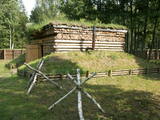 |
Место, где во время Второй мировой войны в 1916 году прошли так называемые Рождественские бои между войсками Германии и России, после которых слава о мужестве и героизме латышских стрелков прозвучала далеко за пределами страны. На Пулеметной горке создано мемориальное место латышским стрелкам и восстановлена смотровая вышка. С нее хорошо просматривается болото Мазтиреля с линией бывшей немецкой узкоколейной железной дороги, которая пересекает его в северо-южном направлении. Здесь можно прогуляться как в сопровождении гида, так и без него, посетить дом Мангали музея Рождественских боев, рядом с которым был создан особый познавательный маршрут, поучаствовать в тематических образовательных мероприятиях и в постановках боев. Можно осмотреть памятники, захоронения воинов, траншеи, фортификации, землянки и многое другое. Также можно осмотреть так называемый «Немецкий вал» - реконструированный участок оборонной системы – блиндаж и часть передовой линии немецкой обороны. |
|
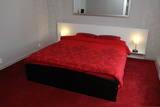 |
Guest house AMRAI is located in Ventspils, in a quiet, tidy area, 6 km from the central beach and 2 km from the wild beach. For accommodation we offer a well-equipped two-storey holiday house with two separate rooms, as well as well-equipped 1-room and 3-room apartments in a private house with separate entrances from the yard. The one-room apartment has a shower, toilet, kitchen, TV - local, internet. The three-room apartment has a jacuzzi bath, toilet, kitchen, TV-spot, internet. Both apartments have a washing machine. In the garden there is a place for games, trampolines, grills. Offers board games and outdoor games - free of charge. Possibility to order meals, talk to a babysitter, rent bicycles. |
|
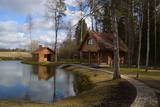 |
Банька на берегу реки Югла для семейного отдыха. Не предназначена для шумных мероприятий. Максимальное число гостей - 6 человек. Предлагаем разнообразные развлечение как для взрослых (русская баня, рыбалка в пруду, новейшие издание прессы), так и для детей - батут, новус, велосипеды, кормление кроликов. Банька только после ремонта, благоустроенна, можно заказать ужин и завтрак. |
|
 |
В музее можно послушать рассказ об истории шоколада, ознакомиться с процессом от получения до готовой продукции, а также в творческой мастерской самим приготовить и попробовать горьковато- сладкое лакомство. В магазинчике по соседству можно купить готовую продукцию. |
|
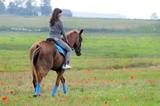 |
Учащимся до 6 класса предлагаются экскурсии, во время которых проводится ознакомление с животными, разрешается их покормить или покататься на них верхом. Для более старших учеников рассказывают об эволюции и биологии лошадей, о работе с ними. Также предлагаются турпоходы по окрестностям по несложным маршрутам. |
|
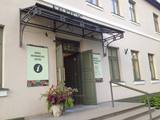 |
Находится в Науене, на обочине шоссе Даугавпилс - Краслава (А 6). В коллекции этнографического музея представлена экспозиция «Комната богатого латвийского крестьянина» с предметами быта 19-20 в.в. Самым маленьким посетителям будет интересна уникальная диорама «Подводный мир», где можно увидеть подводных жителей Даугавы. Природная экспозиция «Сирдс Даугава» знакомит с природными и культурно-историческими ценностями особо охраняемых природных территорий - природного парка «Даугавас Локи» и охраняемой ландшафтной зоны «Аугшдаугава». Музей предлагает творческие мастерские и музейно-педагогические программы. На востоке от музея есть яблоневый сад. На другой стороне дороги расположился благоустроенный парк Юзефова, в котором находился построенный графом Богданом Шахно усадебный замок, до наших дней не сохранившийся. В парке Юзефова проложены пешеходные дорожки, оборудованы места отдыха, информационные стенды, которые повествуют об истории парка и самых интересных видах деревьев. Прогулка по парку займет не менее часа. |
|
 |
В самом сердце Мульгимаа расположена семейная пивоварня, хозяева которой с уважением относятся к местным традициям приготовления еды и напитков. Посетители могут понаблюдать за процессом варки пива, а также попробовать разные сорта пива Mulgi. |
|


