
| Nr | Name | Beschreibung |
|---|---|---|
 |
Das Restaurant befindet sich im achten Stockwerk der heiligen Dreieinigkeitskirche von Jelgava mit einer wunderbaren Aussicht auf die wichtigsten kulturhistorischen Denkmälern. Hier werden feine französische Küche popularisiert und Speisen für einfache und geschäftliche Mittagessen angeboten. Lettische Küche: Heringsfilet mit hausgemachtem Quark, Kartoffeln und Zwiebeln. Das besondere Gericht: Kuchen der Marie. |
|
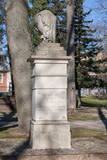 |
In 1877, Baron August von Pistohlkors, celebrating the merits of his ancestors in the foundation and development of Neibāde, ordered a monument to be erected in the park. After World War I, in the early 1930s, the monument was accidentally found during the cleaning of the bed of the River Ķīšupe. The monument was renovated by the Neibāde Aid and Improvement Society and officially reopened in 1933. The monument also suffered damage after World War II. Now the monument is restored and located in the park of the open-air stage. |
|
 |
Z/s "Kaupēni" ir ieguvusi bioloģiskās saimniecības statusu. Kaupēnu saimnieks Valdis Apalups ir pievērsies kazu audzēšanai, gaļai - saimniecībā uz vietas notiek arī gaļas pārstrāde. |
|
 |
Starp cilvēku un zirgu valda īpaša saikne, ne velti zirgs cilvēkam spēj būt gan draugs, gan palīgs, gan sabiedrotais dažādās dzīves situācijās. Saimniecība “Imanti” piedāvā braucienus zirga kamanās ziemā un ratos – vasaras sezonā. |
|
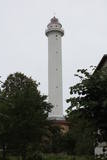 |
The Miķeļbāka lighthouse was built in 1957 and is the highest one in Latvia. Standing 58 m tall, it can only be viewed from the outside. |
|
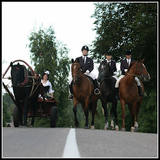 |
Kalnbundas offer possibilities for active rest – horse-back riding and horse riding. |
|
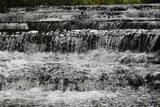 |
Krāčains Lobu upes (Loobu jõgi) posms pie Joaveski ciema, kur ~ 160 m garumā upes gultnē, tai šķērsojot Ziemeļigaunijas glintu, izveidojušās izmēros nelielas, tomēr ļoti ainaviskas un skaistas 0,5 – 1 m augstas ūdenskritumu kaskādes. 1898. g. šeit uzcēla hidroelektrostaciju, kuras atliekas ir redzamas upes labajā krastā. Iecienīta pavasara laivotāju treniņu vieta. |
|
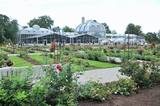 |
Der Botanische Garten wurde etwa 1923 begründet, als Zentrum der Botanik in Litauen. Der Garten hat eine Fläche von über 60 ha, wovon etwa 30 ha von der öffentlich zugänglichen Ausstellung eingenommen werden. |
|
 |
The beautiful, tidy and artfully laid out farmstead is situated in Jaunpiebalga district. The farmstead is naturally encorporated into the landscape, the old barn is renovated and its top floor is a place for the owner’s workshop and exhibition (she is a softwares artist). The old log house has also been renovated, and the sauna has been rebuilt. A small river flows through the farmstead, and there is also a Tuleja mound on the territory, which is a natural landmark protected by the state. |
|
 6 Tagen
|
Die Route beginnt in dem bekanntesten Kurort Lettlands – in Jurmala, der für Fußgänger geeignet ist, denen es gefällt, sich am Strand zu spazieren, wo man die einzigartigen und reizvollen ehemaligen Fischerdörfer, sowie wenig berührte und einsame Strände besuchen kann. An vielen Orten arbeiten in den Dörfern kleine ländliche Räuchereien, wo Reisende geräucherte Fische kaufen können. Das Ziel dieser Route ist das Kap von Kolka, das der bekannte Gründer der Seeschulen in Lettland Krišjānis Valdemārs als Zentrum von Europa angesehen hat. Das Kap von Kolka ist schon seit dem Zeitalter der Wikinger als einer der gefährlichsten Orte für Schiffe in der Ostsee bekannt. Das Kap von Kolka ist auch als einer der Top-Orte für Vogelbeobachtung bekannt. Route information from Latvijas Lauku forums |
|
 |
Hiiu Gourmet ir mazs uzņēmums, kura mērķis ir piedāvāt produktus no vietējām izejvielām Hījumā. Izstrādājumi tiek izgatavoti ar rokām mazos daudzumos. Produktu klāstā ir mājās gatavoti sīrupi, piedevas, sinepes utt. No augiem un ogām, kas novāktas Hījumā mežos. Saimniece Heli padāvā Hījumā tradicionālā ēdiena gatavošanas meistarklases. |
|
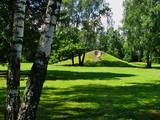 |
Ein von der Bildhauerin Solveiga Vasiļeva 2003 errichtetes Gedenkzeichen „Gottesohr” für Staburags befindet sich im Park von Vīgante am Platz, wo nach der Errichtung des Stausees des Wasserkraftwerkes von Pļaviņi eins der interessantesten geologischen Naturdenkmäler Lettlands unter Wasser gesetzt wurde. Staburags war ein von Sagen, Legenden und Erzählungen der Flößer umwobener 18,5 m hoher Kalksteinfelsen am linken Ufer des Daugava-Kanjons, das nach der letzten Eisperiode gebildet wurde. Aus dem Felsen floss die Quelle Liepavots, die auch unter Wasser gesetzt wurde. Der Felsen Staburags und das versunkene Daugava-Kanjon waren einige der populärsten touristischen Objekte Lettlands. |
|
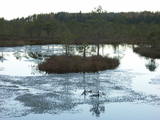 |
Das Naturreservat ist eine der größten Moorflächen des Baltikums. Es wurde in das Verzeichnis bedeutender Feuchtgebiete gemäß der Ramsar Konvention aufgenommen. Im Moor von Teiči wurde der etwa 3 km langer Lehrpfad Sildi angelegt, der nur in Begleitung von Reservatsführern nach Anmeldung besucht werden darf. Es können verschiedene Moortypen (über Stege), Moorseen (Sildi und Isliena), Wasserlöcher und Kleingewässer und moortypische Arten sowie die Moorinsel besichtigt werden. Vom Aussichtsturm in Siksala kann man den größten Teil des Moores überblicken. The trail can be visited only with the Nature Conservation Agency employee's escort from June 1 until October 31. |
|
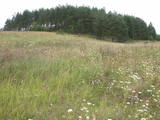 |
This partly forested hillock stands 40 metres above the surrounding area and offers impressive views. The fact that this was once a castle hill is attested by the presence of a moat and remnants of defensive fortifications. It is thought that Lettigalian tribes settled here in the 10th century AD. You can climb the hillock to take a look at the surrounding landscapes. |
|
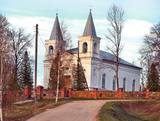 |
Sts. Simon and Judas Roman Catholic Church of Dricāni was
built in 1859 on the top of the hill. There is the wooden altar of the Holy Spirit, decorated with woodcarvings, wooden statuettes and the icon of Simon and Jude.
|
|
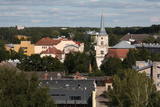 |
The tower of St Catharine’s Church in Valka opens up a view of the “twin towns” of Valka in Latvia and Valga in Estonia. You can see the former border crossing, the St John’s Lutheran Church of Valga, and a shop in Valga which is visited by many Latvian residents. This is part of the ZBR.
|
|
 |
Eine Hafenstadt. In der Altstadt ist das älteste Straßennetz erhalten. Holzbebauung des 19. Jh. im Stadtbezirk Ostgals. Die Promenade der Ostas Straße mit der Burg des Livländischen Ordens, dem Ausflugsschiff „Hercogs Jēkabs”, dem Denkmal für Kr. Valdemars und den kleinen architektonischen Formen. |
|
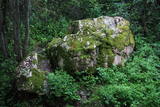 |
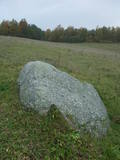
Līdz akmenim aizved (ir norādes) skaista taka, kas līkumo pa Rogāļu strauta izrauto gravu. Strauta kreisā krasta nogāzē, ~ 0,1 km pirms tā ietekas Daugavā, iegūlis 6,5 m garais, 4,6 m platais un līdz 3,7 m augstais Rogāļu akmens, kura tilpums ir novērtēts ap 40 m³. Blakus tam atrodas liela atlūza. |
|
 |
Latvijai neparastā izskata tornis tika uzcelts līdz ar Ziemeļblāzmas kultūras pils un parka atjaunošanas procesu. No torņa paveras plašs apkārtskats uz jau minēto parku, pili, Daugavu, Pārdaugavu un Daugavas vārtiem (Daugavas ieteka jūrā). Darbojas lifts. Tornis atvērts sezonas laikā. |
|
 |
Dieser Naturpark ist der schönste und ausgeprägteste Teil der Nanema-Hügel in Nordkurzeme. Das Ziel ist, die Hügel von Talsi zu schützen. Es ist eine der reizvollsten Gegenden von Kurzeme mit kleinen, aber ausgeprägten Hügeln und Schluchten dazwischen. Es gibt kleine, aber ziehmlich tiefe Seen in diesem Gebiet – die Seen Ābeļi, Čumals, Sirdsezers usw. Einige von ihnen erinnern an tiefe Krater. Das Terrotorium eignet sich sehr gut für aktive Touristen – Wanderer (es gibt Naturpfade), Radfahrer usw.
|
|


