
| Нo | Название | Описание |
|---|---|---|
 |
Баня и место для отдыха «Раудини» - это место, где можно отдохнуть в уютной и тихой атмосфере между морем и лесом. Сможете получить максимальное удовольствие от настоящей дровяной бани, попариться вениками, насладиться полным банным ритуалом с травяным чаем. После парки освежитесь в пруду с кувшинками, и после бани, для полной релаксации, предлагаем шоколадный или медовый массаж. Здесь можно отдохнуть с семьей и в небольшой компании друзьей, приготовить вкусную еду на террасе в настоящей дровяной печи или в камине. Вечером понаблюдать за отблесками заходящего солнца на верхушках деревьев. Для ночлега можно воспользоваться палаточными местами и встретить у моря восход солнца. Тишина, умиротворение и природная свежесть. |
|
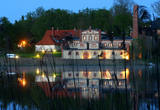 |
The renovated historic distillery at Mooste Manor (1909) is home to the Estonian Photo Tourism Centre. The guesthouse on the second floor of Mooste Distillery offers cosy rooms with all modern conveniences. |
|
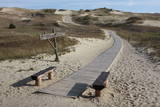 |
Die Dünen nördlich Pervalka über dem ehemaligen Dorf Negeln. Eine 9 km lange Strecke mit den wüstenartigen Landschaften. Stegpfade. |
|
 |
The loveliest views of the local cultural and historical treasures (the Āraiši lake castle, the Lutheran church, the parsonage, Medieval castle ruins – all of these cultural monuments). The hillocks of the area which offers this view can be found in the immediate proximity of the Āraiši windmill and the Drabeši-Āraiši road.
|
|
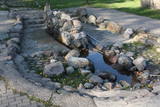 |
Atrodas 0,1 km austrumos no katoļu bazilikas. Jau no 1825. g. Svētavota ūdeni izmantoja dziednieciskiem mērķiem. Līdz 19. gs. 40. gadiem avota ūdens īpašības bija izslavētas tāpat kā Aglonas Dievmātes svētbildes brīnumdarītājas spējas. Tās savulaikapstiprinājusi Viļņas ārstu komisija un Pēterpils akadēmija, taču ap 1840. g. avots savas īpašības esot zaudējis. Tomēr arī mūsdienās svētceļnieki joprojām tic avota spēkam. |
|
 |
Здание корчмы в Вийтна - одно из старейших подобных сохранившихся зданий в Эстонии. В левом крыле здания располагались две т. н. барские горницы и конюшня, сегодня здесь столовая и сувенирный магазин. С правой стороны располагалась предназначенная для крестьян «мужицкая половина» и крестьянская конюшня; сегодня здесь корчма, в меню которой есть и Эстонские национальные блюда. |
|
 |
Семейное предприятие в центре Трикаты делает разнообразные шоколадные лакомства ‒ трюфели, шоколадные фигурки, а летом предлагает мороженое из молока и сливок от местных производителей. |
|
 |
This is Latvia’s largest lake island and is found in the middle of Lake Usma. The island is restricted to protect old stands of pine, as well as various plants and birds. |
|
 |
Apmeklētāju centrā var iegūt noderīgu informāciju un iepazīt ekspozīciju par Karulas augstienes veidošanās vēsturi, ezeru iemītniekiem un šejienes novada kultūrvēsturiskajām tradīcijām. Apmeklētāju grupas semināru zālē var noskatīties izzinošu prezentāciju. |
|
 |
Auces novads miniatūrā izveidots ar Auces novada nozīmīgākajiem un atpazīstamākajiem objektiem miniatūrā, kuri apdzīvoti ar mājdzīvniekiem. Iespēja Auces novada iedzīvotājiem un viesiem izveidot saikni ar dabu un vienlaicīgi iepazīt Auces novadu. Mazajiem apmeklētājiem izglītojoša saikne ar dzīvniekiem, iespēja tos pabarot ar saimnieku sarūpētajām veltēm. Veicināta Auces novada atpazīstamība caur miniatūriem objektiem. Tiek piedāvāta ekskursija, kuras laikā iespējams apskatīt 4 saimniecības: Zemnieku saimniecību ‘’Skabargas”, Lauku sētu ‘’Krastiņos’’, saimniecību ‘’Andulaiši’ un Lauku sētu ‘’Baltiņi’’. Ekskursija notiek gida pavadībā. Tiek gaidīti viesi, grupās no 10 cilvēkiem, ar iepriekšēju pieteikšanos. |
|
 |
В хозяйстве «ЛИЕЛКАЛНИ» на 2 га земли с 2006 года разбит нетрадиционный ягодный сад: золотая смородина, калина, фундук, облепиха, черная бузина, лимонник китайский, актинидия, жимолость съедобная и др. С 2008 года - сертифицированное биологическое сельское хозяйство. В 2009 году был получен сертификат Министерства продовольствия и ветеринарного контроля, и хозяева начали готовить и продавать укрепляющие здоровье сиропы, желе, джемы и чаи. Туристам предлагают продегустировать и купить чаи, сезонные ягоды, сиропы, желе и другие деликатесы.
|
|
 |
The organic farm Zemturi is a 30 min drive from Kuldiga. The farm is mainly engaged in breeding rabbits and is designed as a place for children to see, learn about rabbits, birds and other pets. The hosts have created two thematic trails, one for pets and poultry and the other for trees and flowers. Sauna lovers have access to the sauna, also fishing opportunities can be used. Overnight stays with family or a small group of friends are also offered. Excursions for big and small. |
|
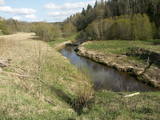 |
Riežupes dabas parks veidots g.k. Riežupes izteksmīgās ielejas, tai raksturīgo dabas vērtību – nogāžu un gravu mežu, dažādu ģeoloģisku dabas pieminekļu - smilšakmens atsegumu, alu, ūdenkritumu, upes straujteču posmu, dažādu sugu, mežu masīvu un ainavas aizsardzībai. Parka atrodas viens no Kurzemes populārākajiem tūrisma objektiem – Riežupes alas - garākais mākslīgo alu labirints Latvijā, kura eju kopgarums ir 460 m. Sākotnēji dabas veidotās alas 19. gs. vidū mākslīgi paplašināja baltās smilts ieguves nolūkos, kuras izmantoja stikla ražošanai. Parkā izveidots velotūrisma maršruts. |
|
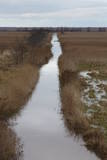 |
Lai nokļūtu līdz šim tornim, ir jāveic apmēram 20 – 30 min ilgs pārgājiens pa dabas taku no Penijē muižas gar Penijegi (Penijõgi) kreiso krastu. Te redzami bebru darbi un to celtās zaru mājas. No torņa paveras skats uz Kazari deltu, kas dabā izpaužas kā monolīts un nepārskatāms niedrājs. To vairākās daļās sadala Kazari un mazāka izmēra upītes. Katrai deltas daļai ir savs vēsturiskais nosaukums: no torņa pa kreisi no Penijegi redzama Lihula meri (Lihulas „jūra”), bet tās labajā pusē - Kloostri meri (Klostri „jūra”). Putnu vērotāji var iziet garāku (7 km) dabas takas loku, kas ved pa palieņu pļavām. Jārēķinās, ka pavasaros būs nepieciešami piemēroti apavi! Pļavas ierobežotās platībās apsaimnieko mājdzīvnieki, tādēļ neaizmirstiet aizvērt vārtiņus aiz sevis un netraucējiet to ikdienas gaitas! No maršruta nav atļauts novirzīties, lai netraucētu putnus. |
|
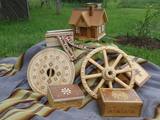 |
В мастерской ремесленника (выставочный зал «Домик мечты») выставлены выточенные из дерева изделия: подсвечники, сервизы, пивные кубки, цветочные вазы, стаканчики, ступки,тапки, деревянные картины и др. изделия. Покупка работ, заказ и демонстрация искусства выточки по дереву. |
|
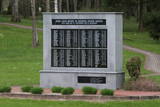 |
Во время Второй мировой войны, в конце сентября 1944 года в Море завершилось одно из кровопролитных и жестоких сражений на территории Латвии, безжалостнее которого была только ликвидация Курземского котла. В битве при Море сражавшиеся на немецкой стороне латышские легионеры задержали прорыв Красной армии к Риге и предотвратили окружение военных сил 18 немецкой армии. Исход битвы был важен для гражданских жителей (> 100 000), которые могли и успели в качестве беженцев спастись от последующих репрессий. Ежегодно в сентябре месяце в парке проходят мероприятия, посвященные памяти сражений, которые собирают очевидцев и сочувствующих тех событий. Здесь открыта мемориальная плита с высеченными известными именами павших в сражении при Море легионеров и установлен высеченный в камне крест – в знак памяти павшим неизвестным бойцам. В 2 км на восток от парка создан музей, где установлен танк Советской армии.
|
|
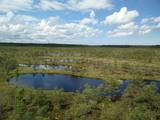 |
This is one of the largest high-type swamps (6,192 ha) in Latvia, with very distinct landscapes of little lakes and hillocks. The Great Ķemeri Heath is of importance as an extensive hydrological system and preserver of the local microclimate. It is also of international importance as a site for birds, as well as a major source of sulphurous water. Along the Kalnciems-Kūdra road, which is on the eastern edge of the swamp (3.4 km from the Rīga-Ventspils highway), there is an information stand with information about the management of the heath and about the role of swamps in nature and in the lives of people. Great Ķemeri Heath wooden pathway trail is now restored and opened for visitors in 2013. |
|
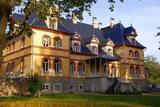 |
На берегу озера Моосте расположена мыза Моосте. Рядом с красивым главным зданием находится гордость мызы Моосте - величественный приусадебный комплекс, выполненный в стиле историзма. Особое настроение придает мызе парк в английском стиле. В главном здании мызы работает школа, в реновированной бывшей деревообрабатывающей мастерской мызы открыт Гостевой дом усадьбы Моосте, в бывшей конюшне работает мастерская реставраторов, в барском доме - Центр художественной и социальной практики и из бывшего хлева получился концертный зал. |
|
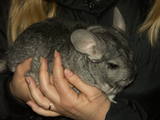 |
Хозяева выращивают шиншилл (родина шиншилл – горы Анды Южной Америки). Предлагают экскурсию и рассказ о жизни и выращивании шиншилл, приобретение животных и шкурок. Хозяйка пишет картины. |
|
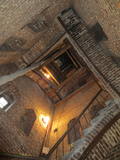 |
Уникальный объект индустриального наследия – единственный открытый завод по производству амуниции в странах Балтии, на территории которого находится самая старая дроболитейная башня в Европе, которая до сих пор используется по назначению. Группы туристов по предварительной договоренности в сопровождении гида могут осмотреть производство, дроболитейную башню и музей. Сейчас на дроболитейном заводе производят пули девяти видов для гладкоствольного оружия, а также пули для пневматического оружия. Продукция экспортируется в соседние страны, Германию и другие страны. |
|


