
| Нo | Название | Описание |
|---|---|---|
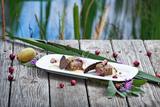 |
Находится в центре Дикли. В построенном в 1896 г. замке, обновленном в 2003 г., обустроена 4-звездная superior гостиница. В замке Диклю можно осмотреть старинную мебель, камин и предметы роскоши, а также выставку картин художников Латвии. В двух ресторанах (летний, зимний) предлагают утонченное меню и индивидуальный подход. Сотрудничают с крестьянскими хозяйствами. Латышская кухня: Говяжий стейк, приготовленная на гриле форель, копченое сало кабана, филе судака из озера Буртниеку. Сезонно предлагаются собранные в местных лесах грибы и ягоды. Особое блюдо: Карбонад из оленины в сиропе из цукатов и луковом мармеладе. |
|
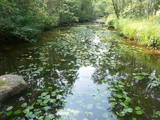 |
This territory protects a lime outcrop found on the shores of the lower reaches of the Zaņa River. There is a path for active hikers which begins at the Zaņa mill (1864, rebuilt 1890, shut down 1960). The path weaves its way along the steep shores of the little river, heading toward its mouth.
|
|
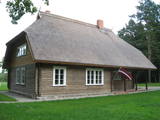 |
«Айритес» находится на том месте, где первый главнокомандующий Латвийскими вооруженными силами полковник Оскарс Калпакс и другие латышские воины (в том числе три офицера) погибли 6-го марта 1919-го года в бою возле Айритес. В 1920-м году на пожертвованные средства в Айритес начали возводить памятник, который открыли 3-го сентября 1922-го года. В 1935-м году по инициативе объединения «Батальон полковника Балодиса» началось строительство здания, в котором планировалось разместить музей, посвященный борьбе батальона Калпака. Его открыли годом позже. В советское время памятный ансамбль был уничтожен, а в здании разместили почту и оборудовали квартиры. Во времена Атмоды (1988 – 1989) памятное место было восстановлено, а 11-го ноября 1990-го года заново был открыт музей О. Калпака. В 2007-м году во время ремонтных работ сгорел второй этаж здания. Музей и экспозицию восстановили в 2013-м году. Экспонаты рассказывают о жизненном пути и об участии О. Калпака в Борьбе за независимость Латвии и боях Первой мировой войны. Работники музея регулярно организуют мероприятия памяти О. Калпака и празднования дня Лачплесиса. |
|
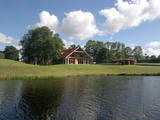 |
В усадьбе есть возможность осмотреть гордость усадьбы – погреб с накопленной в нем большой коллекцией вин, изготовленных на ферме. На ферме можно приобрести вино из яблок, винограда, вишни, черной смородины, клюквы, крыжовника, ревеня. |
|
 |
10 km garais pārgājienu maršruts iepazīstina ar vienu no vēl retajiem, cilvēka mazāk ietekmētajiem Daugavas senlejas posmiem. Tā sākums – Aizkraukle, finišs – Skrīveri. Gar upes krastu izvietotas atpūtas vietas. Maršrutu var braukt arī ar velosipēdu. |
|
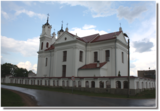 |
Находится в центре небольшого Двиете.Белый образ костела виден издалека. Первую деревянную церковь здесь построили в 1775 году под руководством владельца местной господской усадьбы графа И.К.Вишлинга. Позднее церковь снесли и перевезли на Заринкское кладбище. Строительство современного Двиетского Римско-католического костела (в стиле необарокко) с двумя башнями в 1864 году осуществлялось при помощи финансирования, предоставленного графом Казимиром Платером – Зибергом. Храм был разрушен во время Первой мировой войны, поэтому до его восстановления и освящения в 1929 г. в качестве моленной использовался магазинный амбар (двускатная гонтина) господской усадьбы «Двиете», который находится со стороны дороги Двиете – Бебрене и теперь восстановлен. В 1940 году вокруг церкви построили каменный забор, покрытый черепицей, а в 70-х годах 20 столетия построили приходской дом. В храме особенный роскошный интерьер сакрального барокко, который считается самым роскошным в бывшем Даугавпилсском районе.
|
|
 12 дней
|
The tour combines the most beautiful southern parts of the Forest Trail in Lithuania and Latvia. The route starts in Druskininkai, Lithuania, and for the next day you will walk through forests of the Dzūkija National Park. After getting to Vilnius and Kurtuvėnai Regional Park, two sections of the Forest Trail will take you from Dengtiltis to Šaukėnai. Since it is among the most forested areas of Central Lithuania, the Kurtuvėnai Regional Park with its glaciated valleys is a wonderland of forests, waters and wetlands. The Forest Trail will run along small forest paths, tourist trails, beautiful tree alleys and wetlands. Next you will take public transportation to reach the Žemaitija National Park, where you will taketwo sections of the Forest Trail from the pilgrimage town of Žemaičių Kalvarija along the lakes of Plateliai, Ilgis and Beržoras to the town of Plateliai. It is one of the most beautiful towns of Samogitia taking pride in its manor park and the viewing platform on Lake Plateliai. Žemaitija National Park takes pride in its old pine and fir forests, as well as mixed forests. From there on the Forest Trail takes you along the riverside promenade in Kuldīga, continues through the nature park “Abavas senleja” from Renda to the wine and cider town Sabile and Kandava. The section along the Abava River Valley Nature Park is the most diverse river valley in Kurzeme in terms of landscapes and terrain. The final section of the tour takes you to the Ķemeri National Park, which is an important place for the protection of wetlands. As to the town – Ķemeri – it is the former balneological and sulphur springs resort. The tour ends on the seaside – the village of Bigauņciems, from where you can easily get to Rīga. Optionally, one can take a detour along the Lake Sloka trail with its bird-watching tower or pay a visit to the “Forest House” – the visitor’s centre of the Ķemeri National Park. |
|
 |
Находится рядом с Резекненским городищем, Центром творческих услуг Восточной Латвии «Зиемульс» (построен 01.09.2012 г.). Красивый интерьер и вид на исторические объекты Резекне. Название кафе происходит от названия крепости Rositten, которую построил здесь в ХIII веке магистр Ливонского ордена. Предлагаются блюда на все случаи жизни, а также кулинарные и кондитерские изделия. |
|
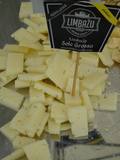 |
Предприятие «Лимбажу сиерс» уже более 90 лет работает в сфере переработки молока. В процессе производства сыра используется только местное молоко – из крестьянских хозяйств Видземе, а технологическое оборудование привезено из Швейцарии. 95 % произведенной продукции идет на экспорт. Рядом с предприятием, напротив развалин Лимбажского замка, находится магазинчик, в котором можно приобрести продукцию. |
|
 |
Vecpiebalgas vecajos kapos (Vecpiebalgas austrumdaļā, pa ceļam uz "Saulrietiem" un "Vēveriem") apskatāms piemineklis, kas veltīts brāļu Kaudzīšu romāna "Mērnieku laiki" personāžam - Lienai. Piemineklis uzstādīts 1987. g. (tēlniece M. Baltiņa). Pirms ceļojuma atkal ir jāpāršķirsta "Mērnieku laiki"! |
|
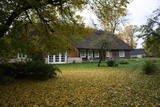 |
Гостевой дом в этнографическом стиле на острове Муху, в историческом поселке Паэнасе.
|
|
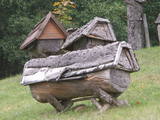 |
Das bekannteste Museum der Geschichte der Bienenzucht Litauens mit den Bienenhäusern verschidener Arte, der Arbeitsmittel der Bienenzüchter, Holzskulpturen und Hönigankauf. |
|
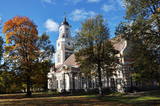 |
Церковь была построена во времена барона Отто Германа фон Фитингофа с 1781-й по 1788-й годы по проекту архитектора К. Хаберланда в стиле классицизма с чертами барокко и цветной мозаикой из каменной крошки на фасаде здания. Орган церкви в 1855-м году изготовил Аугустс Мартинс. Церковный колокол во время Первой мировой войны был вывезен в Россию и на его место был установлен другой, отлитый в 1530-м году. Алтарная картина (автор неизвестен) «Крещение Христа» была восстановлена в 2000-м году. В середине 19-го в Алуксненском приходе было много эстонцев, поэтому богослужения проходили и на эстонском языке. Восстановительные работы были проведены в 1934-м году под руководством архитектора П. Кампе. Теперь фундаментальное здание с башней высотой 55,5 м является одной из доминант города. |
|
 |
Atrodas Ventspils Rātslaukuma rietumu pusē iepretim Nikolaja luterāņu baznīcai. Ēkas pirmsākumi ir meklējami 18. gs. 1850. g. tajā atradās pilsētas Rātsnams, kopš 2006. g. - rakstnieku un tulkotāju māja, kurā patstāvīgi uzturas un strādā Latvijas un ārvalstu literāti. |
|
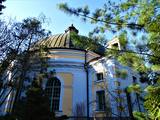 |
Есть сведения, что церковь на этом месте была уже в 17-м веке. Церковь в сегодняшнем виде была построена с 1792-го по 1794-й год. Автор проекта куполообразного строения – главный строительный мастер Риги Кристофер Хаберланд. Форма купола обеспечивает хорошую акустику внутри здания. Алтарь расположен напротив входных дверей. Между колонн зданий находится алтарная картина, изображающая Христа и Св. Петра в бушующем море. К значимым предметам интерьера можно отнести винные чаши 18-го и 19-го века, подсвечники и другие предметы. В 2014-м году здание было реставрировано. К югу от церкви находится Катлакалнское кладбище, на котором похоронен видный лифляндский писатель и публицист немецкого происхождения Гарлиб Меркель (1769 – 1850), который сыграл значимую роль в отмене крепостного права в Балтии. |
|
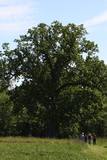 |
The tree is on the side of a hillock, and its visible roots are unusually huge.
|
|
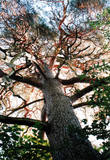 |
This is Latvia’s thickest common pine (Pinus slyvestris)
|
|
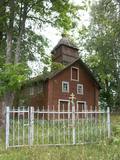 |
This small wooden church with fragments of a metal gate is on the side of the road in the village of Ruduški. It is not open to visitors on a daily basis. |
|
 3 дня
|
На маршруте сможете узнать особую культурную среду Латгалии, людей, которые ее создают, порадоваться красивым ландшафтам, пройтись по природным тропам и искупаться в каком-нибудь из прославленнных озер Латгалии. В Ливаны узнаете о работе стеклодува, в Даугавпилсе побываете в крепосте 19-го века, где теперь расположен центр всемирно известного художника Марка Ротко. Дорога будет виться по живописным излучинам Даугавы. Информация о маршруте от Latvijas Lauku forums |
|
 |
1935. gadā Tūjā darbojās ķieģeļu ceplis, kas
ražošanā izmantoja apkārtnē esošās Devona perioda mālu iegulas.
1936. gadā uzsāka jaunās fabrikas celtniecību. Šeit ražoja arī augstas
kvalitātes ķieģeļus, ar kuriem tika apšūts arī Rīgas Pulvertornis. Tagad
fabrikas vietā ir pamests grausts, kas redzams no Tūjas centra, ejot jūras
virzienā.
|
|


