
| Нo | Название | Описание |
|---|---|---|
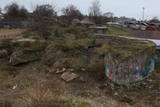 |
В Болдерае, к востоку от улицы Лиелупес и на юго-востоке от улицы Ятниеку, на берегу Даугавы сохранились остатки от четырех взорванных позиций батарей. Эти батареи, на вооружении которых находились 152-мм артсистемы, являются частью от когда-то существовавшей Рижской системы фортификации (см. также Кометфорт, Даугавгривскую крепость, фортификации Мангальсалы), целью которой была защита города от нападавших, которые могли пойти (шли) со стороны моря. С высоты батарей хорошо просматривается Даугава и северная часть насыпного Русского острова (громадная песчаная гора). Состояние этого исторического памятника и окрестностей более чем плачевное…
|
|
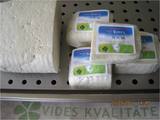 |
Предлагают экскурсию по хозяйству, где можно увидеть коз, лошадей, кроликов, птиц и домашних животных. Интересующиеся могут записаться на сеансы рейттерапии, покататься верхом на лошади, пони и в подводе. Приобретение продукции козоводства – молока, сыра, творога, кефира и йогурта. |
|
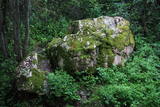 |
Līdz akmenim aizved (ir norādes) skaista taka, kas līkumo pa Rogāļu strauta izrauto gravu. Strauta kreisā krasta nogāzē, ~ 0,1 km pirms tā ietekas Daugavā, iegūlis 6,5 m garais, 4,6 m platais un līdz 3,7 m augstais Rogāļu akmens, kura tilpums ir novērtēts ap 40 m³. Blakus tam atrodas liela atlūza. |
|
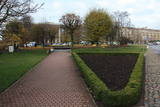 |
Истоки площади Роз уходят в 1911 - 1913 гг., когда на этом месте разбили открытый сад с > 500 кустами роз. В советское время рядом с площадью Роз был установлен памятник Ленину. Восстановленную в 2000 году площадь окружает Лиепайская Педагогическая академия, гостиница «Лива», Центр бизнеса и сделок De Rome (построен в XIX веке, архитектор Пауль Макс Берчи, бывшая гостиница «Рим») и Лиепайский дом латышского общества (камень в основание заложил Карлис Ульманис в 1934 г.). По бордюрам грядок роз размещены памятные знаки городов содружества Лиепаи. К площади Роз подходит улица Зивью (Рыбная), получившая свое название от когда-то существовавшего рыбного рынка. На улице Зивью находится Аллея славы латвийских музыкантов (с 2006 г.), где установлено 35 плит с бронзовым рельефом ладоней музыкантов, 10 плит, посвященные популярным латвийским музыкальным группам, а 5 – ушедшим в мир иной. Здесь же установлена самая большая гитара Латвии. |
|
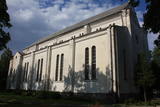 |
Находится в южной части поселка Гудениеки. Храм, который можно видеть сегодня, возводился в период с 1930 по 1947 гг. Составная часть алтаря – созданное на рубеже XVII – XVIII вв. украшение суббатскими мастерами – скульптуры ангелов (единственные такие в декоративной скульптуре барокко Курземских церквей), которые прикреплены к стенам здания по обе стороны алтаря. Возможно, что и фигура Спасителя на кресте с лежащим у ног агнцом является работой этих мастеров. Как церковь приобрела работы суббатских мастеров – неизвестно. Храм можно осмотреть изнутри. |
|
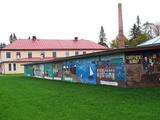 |
Эстонский музей молочного хозяйства знакомит с производством молочных продуктов в домашних условиях, здесь можно посетить выставки, посвященные истории молочного хозяйства. Также в музее организуются мастер-классы по изготовлению сладких сырков, сыра, мороженого и сливочного масла. |
|
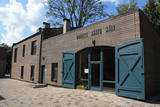 |
Находится к востоку от Рыночной площади, на улице Базницас, 8. Энтузиасты Ремесленного дома стараются восстановить и поддерживать старинные традиции Земгальского края. Мастерские ремесленных навыков проводятся здесь пять дней в неделю. |
|
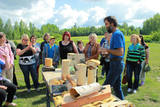 |
Tāšu meistars Jurijs Ivanovs ar lielu centību un degsmi pēc seniem paraugiem cenšas atjaunot labākās Zilupes novada tāšu apstrādes tradīcijas. Top novadam raksturīgi autentiski tāšu trauki ķiploku, putraimu, saldumu, sāls uzglabāšanai, paliktnīši kafijas krūzei vai pannai. Īsts meistarstiķis ir darbarīku rokturu izgatavošana. Darbnīcā varēsiet izgatavot tāšu glezniņu, tāšu tauri, uzrakstīt īpašu vēstuli kādam ļoti mīļam cilvēkam. |
|
 |
Яунциемс и ранее был небольшим поселением – сегодня здесь обжиты всего несколько домов. Рядом с деревней на правом берегу реки Ирбе находятся зоны отдыха. Яунциемс и Сикрагс объединяет «просека» бывшей узкоколейной железной дороги, где через речку Киканс построен пешеходный и велосипедный мост. |
|
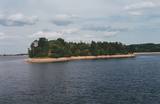 |
Before its flooding, the canyon of the Daugava River between Pļaviņas and Koknese was one of the most outstanding and beautiful parts of the Baltic terrain, and Oliņkalns hill was one of the largest castle hills in Latvia. The Andrejs cliff as up to 20 metres high, and it was part of the Daugava canyon. Before the area was flooded because of the construction of the Pļaviņas hydroelectric power plant, there were rapids near the hill that made it hard for rafters to sail down the river. Today it is a small island in the reservoir of the plant (it can be seen from the side of the Rīga-Daugavpils highway (A6) opposite Stukmaņi). It is separated from the shore by 300 metres of river, under which the Dūņas valley is now resting. A small part of the ramparts of the castle hill can still be seen on the island along with the ruins of an open-air stage and a few metres of the dolomite cliff that have remained above water. It is thought that the Alene castle was on the hill in the 13th century. Latvian mountain climbers installed a memorial stone in 1998 opposite Oliņkalns hill. |
|
 |
Atrodas Valmieras – Ainažu autoceļa (P 16) malā starp Matīšiem un Aloju. Iekārtota vecajā un atjaunotajā dzirnavu ēkā. Nedēļas nogalēs piedāvā izklaides pasākumus, klāj galdus un īrē telpas svinībām. |
|
 |
Black currants are grown on 3 ha of land at Bānīši, and for several years the owner has used the method that is so popular abroad -- allowing people to visit the farm to pick all of the berries that they need. |
|
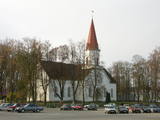 |
Until 13th century, Smiltene region was a part of Talava country, inhabited by Latgalians. After Crusaders invasion it was won by the Archbishop of Riga, and he built a stone castle on the steep river bank of Abuls in 1370. The following wars and epidemics did not spare the development of settlement, nor the people. Present shape of the town began to emerge in 19th century along with the vigorous activities of owner of Smiltene manor first Lieven. Until the World War I, wood working factory, hydroelectric power plant (established in 1901, first in the Baltics), and other companies were operating in Smiltene. In 1944 when the German forces retreated, much of the Smiltene historical buildings were destroyed in the fire. |
|
 |
Daugavas aizsargdambju būvniecību Jēkabpilī uzsāka pēc 1981. gada lielajiem paliem, kad ūdens līmenis pārsniedza kritisko - 6,3 m atzīmi un pakāpās līdz rādījumam „8,7 metri”. Šo plūdu laikā puse pilsētas klāja Daugavas ūdeņi. 2011. gada vasarā notika plašāki dambja atjaunošanas un labiekārtošanas darbi. Pie tā uzstādīja laternas, soliņus, izveidoja pastaigu promenādi un piemiņas zīmi Daugavas kreisajā krastā, kas parāda maksimālo plūdu līmeni. Uz aizsargdambja Daugavas labajā krastā ir izvietoti informatīvie stendi, kur var uzzināt daudz interesantus faktus par pilsētas vēsturi. Dambji ir piemērota vieta, kur fotografēt vai gleznot pilsētas ainavas. |
|
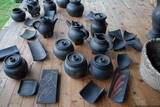 |
The attractive potter is a member of the “Potter School,” and he uses knowledge from his ancestors. The “Malny Wylky” workshop offers a look at traditional pottery work, including a foot-powered potter’s wheel and a firing pit that uses firewood and the smoke technique. You can examine and purchase the finished products. Vēsma, in turn, is an oil painter and will demonstrate her artworks. |
|
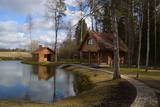 |
Bathhouse on the shore of Jugla river for families (not intended for noisy events). The maximum number of persons - 6 persons. Variety of activities available for parents (Russian bath, fishing in pond, the latest newspapers) and kids (games, trampoline, novus, bicycles, feeding rabbits). Bathhouse is freshly renovated and well-maintained, it is possible to order dinner, breakfast. Bathhouse is located 25 km from Riga, it is reachable by bus. The price depends on the service used and the number of persons. |
|
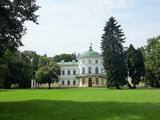 |
The Baisogalo Estate is one of the oldest ones in Lithuania and is known as a royal castle because it once belonged to the local lord. The ornate late-Classicism buildings were built in the mid-19th century and have survived. The 12 ha landscape park dates back to the early part of the 19th century, with an alley of chestnut trees leading to the estate from the local village. The central alley that starts at the gate weaves through two curvy bodies of water with a bridge and statues of lions. Various trees behind the estate are alongside curvy and narrow pathways. On both sides of the alleys are bodies of water, and deep in the park is a pond with an island. |
|
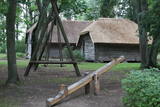 |
The Dole is the largest island in the Daugava River, surrounded to the Northeast by the rapid waters of the Daugava and to the Southwest by calm and gradually overgrown waters from Dry Daugava. The island is a specially protected nature park, established in 1986 to protect the landscape and cultural and historical values of the island in the wake of the construction of the Rīga hydroelectric power plant, as well as rare and protected species of plants and animals. The island is also meant to provide education and leisure for visitors. Best known on the island is the Daugava Museum, which is in the mansion of the old Dole Estate. The museum features some 13,000 exhibits that speak to the history of the island and the river – Baltic and Livonian apparel, tools and household objects. The exhibition also presents the Daugava as an important waterway and the related history of forms of transport and rafters. In the park is an open-air exhibition with reconstructed lamprey eel traps and a barrier to fish salmon, along with a set of fishing tools. A dolomite cliff is alongside the museum on the steep shore of the Dry Daugava. The ruins of the Vecdole castle can be found on the south-eastern end of the island, near Bēči. |
|
 |
The Strauti farm is on the eastern edge of hillocks in Embūte. The southern edge of the farm neighbours large forests with many wild animals. Alongside is a former fowl farm. The farm breeds rabbits, sheep, fowl, two horses and a pony. It has a herd of cows, including Latvian Blue cows. The farm offers tours for schoolchildren and others. Contact the farm in advance to purchase rabbit meat, wool and vegetables. The farm is biological. |
|
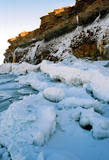 |
At the end of the Pakri peninsula is the most visually impressive shoreline cliff in the Baltic States – the Pakri cliff (Pakri pank), which is as much as 24 metres high. During cold winters, streams which flow from the layers of limestone cliffs form fantastic and unusual shapes of ice.
|
|


