
| Nr | Name | Beschreibung |
|---|---|---|
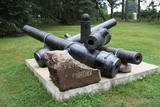 |
Auf der Insel von Dole (die größte Insel auf einem Fluss Lettlands) befindet sich das Wohnhaus des Landgutes von Dole (gebaut im Jahr 1898) – das Besitz der Familie Lēvisi of Menāri. Im Gebäude ist ein Museum eingerichtet mit reichlichen Exponatesammlungen, die über das Leben der Menschen am Ufer von Daugava erzählen. Daneben liegt einen Park (etnographische Gebäude, Fischzäune für Lachse und Neunaugen), wo auch fünf einzigartige Geschütze aufgestellt sind, die in Salaspils beim Bau des neuen Stadions gefunden worden sind. Im Jahr 1910 war an diesem Ort die Niederlassung der Armee der Zar und wurde das Denkmal für Peter I enthüllt. Eins von den hier gefundenen Geschütze ist auf der Exposition des Museums ausgestellt.
|
|
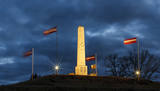 |
Befindet sich auf einer Anhöhe, an einem schönen Ort, am Ufer des Alūksne Sees bei der Pleskavas Straße (P 40). Das Denkmal wurde am 20. Juni 1923 vom Staatspräsident Jānis Čakste eröffnet. Das Denkmal wurde nach einem Entwurf des Bildhauers J. Miesnieks errichtet. Im Zentrum des Denkmals ist ein Schild mit einem gekreuzten Schwert dargestellt. Auf dem Sockel ist die Inschrift angebracht: “Den für Lettland gefallenen Kriegern des 7. Infanterieregiments von Sigulda. 1919 – 1920”. Auf einer anderen Seite ist folgende Inschrift angebracht: “Besser sein Leben geben, als unser Vaterland verlieren”. In der Sowjetzeit (1953) wurde das Denkmal abgerissen. Das Denkmal wurde 2009 erneuert. |
|
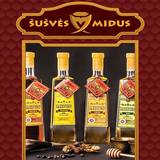 |
Der Hausherr ist Imker und stellt das älteste edle litauische Getränk her: Met. Es gibt Veranstaltungen zur Verkostung von Honig und Met. Und natürlich kann man auch die verschiedensten Bienenprodukte erwerben, darunter auch Kerzen aus echtem Bienenwachs und verschiedene Sorten Met. |
|
 |
Erzählung über die Geschichte der Schokolade. Kennenlernen eines Herstellungsprozesses, Kreativwerkstätte. Ein kleines Geschäft. |
|
 |
The sculptor has established the landscape of his farm, producing artworks of wood and stone. One of his artworks, a spoon that is 6.2 m high, is in the village of Irlava. You can go on a tour and order and purchase various wood products. |
|
 |
The cafe is situated in the guest house Zitari on the first floor, in the town of Roja, alongside the road, 500 m away from the sea. |
|
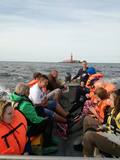 |
Piedāvā izbraucienu ar zvejnieku laivu līdz Kolkas bākai. Iespējama iepazīšanās ar zvejas procesu. Iepriekš saskaņojot, iespējams jūrā sagaidīt saullēktu vai saulrietu. |
|
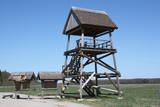 |
This barrow is on the western side of the Dunduri meadows and was built on the parking lot of the former collective farm. From the second level of the tower, you will have an excellent view of the meadows all the way to the Džukste River and the Kauguri canal. There are livestock accustomed to life in the wild, although they will sometimes be quite distant. This is a bird-watching location from the springtime until the second half of the summer. |
|
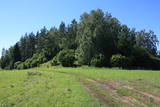 |
Dieser Hügel befindet sich3 km südlich von der Straße Vecumnieki – Ilūkste.Für einen Unkundigen ist es nicht leicht, ihn zu finden, weil es hier keine Hinweise gibt. Auch der weiter erwähnte große Stein von Stupeļi ist während der Vegetationszeit nicht so leicht zu finden. Der ungefähr 30 Meter hohe Hügel von Stupeļi ist einer der größten Burgberge der historischen Region Sēlija. Die Forschungen des Burgberges zeugen davon, dass der Burgberg gleich nach Christus verlassen wurde, aber später wurde er während der späten Eisenzeit bewohnt. Es ist interessant, dass in der Umgebung des Burgberges Eisen gewonnen und bearbeitet wurde. Die Funde lassen glauben, dass sich an diesem Ort eine der früheren Städte dieser Region befand. Am Fuße des westlichen Hangs des Hügels kann man den 6,7 Meter langen, 5,6 Meter breiten und bis zu 2,7 Meter hohen großen Stein vonStupeļi finden, dessen Volumen über der Erde 35 m3 beträgt. Es ist möglich, dass dieser Stein als eine Kultstätte diente. Bei den archäologischen Ausgrabungen (am Ende der 1970er Jahre) wurden in der Nähe des Steines Altertümer aus dem 10. bis 13. Jh. gefunden. |
|
 |
Andrupenes dabas takā var iepazīt sūnas, pārliecināties par sfagnu lielo ūdens uzsūkšanas spēju, gar laipas malām ieraudzīt apaļlapu raseni un purva dzērveni, apskatīt spilves, vaivariņus un purva vārnkāju, kā arī purva pasauli. Takas garums ~ 750m.
|
|
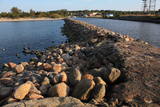 |
Molu (sākotnēji – pāļu rindas ar akmeņu krāvumiem) izbūve pie Sakas ietekas jūrā tika uzsākta 1878. gadā, lai nodrošinātu ostas darbību. 1929. gadā notiek molu pārbūve, pagarinot tos ar masīviem betona blokiem. Pēdējā rekonstrukcija notika 2010. gadā, pārveidojot molus par ērtu pastaigu un makšķerēšanas vietu, no kuras var vērot arī saulrietu. |
|
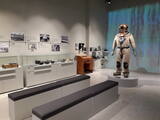 |
This exhibition features the Pļaviņas hydroelectric power plant as a unique architectural building with unique engineering elements. It is the largest producer of electricity in the Baltic States and one of the largest in
|
|
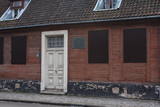 |
Находится на ул. Кунгу, д. 24.Одно из старейших зданий города - деревянный сруб с черепичной крышей, построенный во второй половине XVII века и прозванный в народе гостиницей мадам Хойер. Здесь в 1697 году во время путешествия «Великого посольства» в западную Европу останавливался (инкогнито) русский царь Петр I. Находящееся по соседству здание на ул. Кунгу, д. 26, является вторым старейшим жилым зданием Лиепаи (1699 г.) – жилой дом бургомистра города. Во время Северной войны здесь останавливался король Швеции Карл XII. Оба здания подлежат осмотру только снаружи. |
|
 |
Atrodas Rucavas – Bārtas ceļa malā (pagrieziens uz Bārtas Romas katoļu baznīcu). Veltīts melioratoram Arvīdam Manfeldam – bijušā Liepājas rajona meliorācijas uzņēmuma priekšniekam kā pateicība no vietējiem iedzīvotājiem par ceļiem un tiltiem. |
|
 |
Starp cilvēku un zirgu valda īpaša saikne, ne velti zirgs cilvēkam spēj būt gan draugs, gan palīgs, gan sabiedrotais dažādās dzīves situācijās. Saimniecība “Imanti” piedāvā braucienus zirga kamanās ziemā un ratos – vasaras sezonā. |
|
 13 days
|
This cycling route will take you from Riga along the West coast of the Baltic Sea of Latvia and Lithuania. On the way the route passes the sea resort Jurmala with 19th century wooden archicture, the picturesque Abava river valley, geologicaly interesting steep banks of Jūrkalne, historically exiting city of Liepaja with great ambience and charming Kuldiga with the widest waterfall in Europe. In Lithuania the route goes through Palanga where Amber Museum is located and culminates at the National Park of the Curonian Spit with 60m high sand dune. |
|
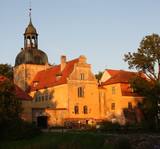 |
The Lielstraupe Castle is the only building in Latvia which contains a Medieval castle and a church. Work on the castle began in 1263. The building suffered great damage during the 17th and 18th centuries, as well as during the riots of 1905. The complex was restored in 1909 by the architect Wilhelm Bockslaff. There are several artistic monuments in the church – the organ loft from the 17th century and the pulpit paintings of the 18th century. In 1944, two stained glass windows produced by the artist Sigismunds Vidbergs were installed at the church – Golgotha and Birth of Christ. The tower contains a clock produced by a local clockmaker, and there is a sun dial on the wall of the church. Visitors to the park of the castle will see the wooden bell tower which dates back to 1744. A memorial plaque to men who fell during World War I and Latvia's liberation battles was installed in the church in 1938. A drugs treatment hospital was installed in the castle in 1963. The church is open during worship services, and the rest of the complex can only be viewed from the outside. |
|
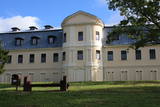 |
There are several buildings from the estate that survive to the present day and were built by the Plater dynasty of noblemen. The old mansion that is on the side of the Count Plater Street was built in 1759 on the banks of the Jāņupīte River. The Baroque building was designed by an architect from Venice, Antonio Parazzo. Later the mansion was rebuilt, and after a new castle was erected, the Plater family spent its summers on the first floor of the old building. The second and third floors had a library with some 20,000 books. The noblemen managed to move most of the contents of the library to safer locations during World War I, when the library as such was destroyed. Work on the new castle of the Krāslava Estate (on the upper part of the Daugava River Valley) began in 1756 (architect Domenico Parazzo). Initially it was in the Baroque style, but reconstruction at the turn of the 18th century involved Classicism. Unique Rococo wall paintings with views of Rome have been discovered in the building. These were based on samples from castles in Poland and were painted during the 1760s and 1770. A high school used the new castle until the 1970s. Then the building was abandoned and gradually turned into a ruin. More recently there has been major renovation of the castle’s façade, and it now has a good appearance. Surrounding the structure is a romantic landscape park that dates back to the mid-18th century. It is on the hillocks of the Daugava River Valley and the valleys that cross it. An artificial grotto has been restored, and a statue of a lion stands guard over the site. The stairway has been placed in its historical location, and the park features pathways and a yard. |
|
 10 days
|
This tour will surprise you with the diversity and unusual products of farms. You will visit several farms that offer ecological produce that can be tasted and purchased. From Vilnius, you will travel to an ecological goat farm that offers 60 types of cheeses made of goat milk. Next you will visit an ethnographic Lithuanian farm that breeds horses and sheep. You will spent a day in Kaunas to visit the Nemuna River valley, as well as the Raudone and Panemune castles. A picnic at a farm with acorn coffee, pancaked baked on a campfire and soup made of locally picked wild mushrooms. The ecological Buivydai farm breeds cattle and grows blackberries. Along the way you will visit the Courlandian Dune, the Sea Museum and Delphinarium and the most popular spa town in the dunes, Nida. From there you will drive to Latvia, where the Pape Nature Park offers a look at wild horses, and the ethnographic Ķoņi village is an old seashore fishermen's village. In Liepāja, it will be worth visiting the local market, which is more than 100 years old and offers seasonal vegetables, fruit, greens and flowers from local farms. Next you will visit an environmentally friendly farm that has 130 different types of apples and a wine operation that prepares wines from local fruits and berries. The farm uses biodynamic farming principles to grow beans and peas, as well as to breed livestock so as to produce tasty sausages. Next you will visit the lovely Medieval town of Kuldīga and its brick bridge across the Venta River. An environmental health farm will allow you to enjoy herbal teas and learn about various ecological cosmetics made of plants from the clean environment. Along the way you will enjoy the landscape of the ancient Abava River Valley and visit the Sabile wine hill where grapes are grown to produce local wines. Next you will visit the charming small town of Talsi, where you will find the Latvian Agriculture Museum. The tour will conclude at a farm which grows fruits and vegetables and offers syrups, jams and canned vegetables. You will complete you tour in Rīga. |
|
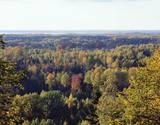 |
This is the highest point in the Latgale highlands (289 metres above sea level), opening up a narrow but lovely view of Lake Rāzna and the massive forests of the highlands. You really should visit this hill when the sun is setting beautifully!
|
|


