
| Nr | Name | Beschreibung |
|---|---|---|
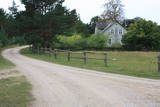 |
Eine alte Ortschaft. In den 30er Jahren des 20. Jh. gab es hier 50 Bauernhöfe, aber im Jahr 1990 nur noch zehn. In Oviši ist der Wissenschaftler livischer Herkunft; der Entomologe Kārlis Princis (1893–1978) geboren, der 1944 nach Schweden ausreiste. Oviši Leuchtturm (1814) ist der älteste immer noch funktionierende Leuchtturm in Lettland mit einer Höhe von 38 m. Von hier oben bietet sich eine herrliche Aussicht. Das Personalgebäude des Leuchtturms wurde 1905 erbaut und war einst der Bahnhof der Schmalspurbahn. Im Nebengebäude wurde das Museum des Oviši Leuchtturms eingerichtet. In der Nähe des Leuchtturms befindet sich das Kunstobjekt Austra-Baum aus Metall. Dem Kap Oviši gegnüber ist ein guter Ort zurVogelbeobachtung. |
|
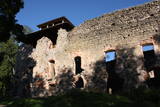 |
The ruins of the Rauna castle (which was built in 1262 and was a main residence of the Livonian archbishop) have a modern viewing tower which offers a view of the impressive castle walls, the place where the former Medieval city was located, and the centre of Rauna. The local government office has the keys to the tower.
|
|
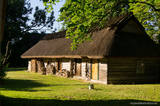 |
Die drittgrößte Insel Estlands. Ist mit schönem Wachholderhain, kleinen Dolomitaufschlüssen und den Fischerdörfern an der Küste bedeckt. |
|
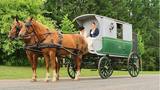 |
Die jahrhunderte alte Poststrasse führt zu Varbuse, wo sich die einzig intakten Poststation (1863) in Estland befindet. Früher gab es hier einen Pferdepoststation, heute ist hier das Estnische Strassenmuseum. Wenn Sie in den einzigartigen Expositsionsraum eintreten, können Sie die Verkehrsschilder sehen, die man auf den heutigen Straßen nicht mehr findet. Die Querschnitte der Straßenbeläge ermöglichen einen Blick in die Geheimnisse des Straßenbaus. Im historischen Straßenraum sind Strassenabschnitte dargestellt, so dass man den Hauch unterschiedlicher Zeitalter erleben kan. |
|
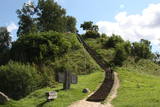 |
Eine der ältesten Ortschaften Litauens. Schon im 14. Jh befand sich hier eine Holzburg. Der 20 m hohe Merķine-Burgberg an der Mündung der Flüsse Merkys und Nemunas. |
|
 |
The wetland meadows that are around the Pededze River are the site of this 200 ha farm with some 350 red deer, other deer and wild boar. There are towers from which you can watch the graceful animals, and there are ponds for commercial fishing. Please contact the owner well in advance for a tour. |
|
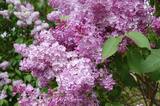 |
Das Gartenbauinstitut ist das führende Forschungszentrum für Obstbau und Gemüsebau in Lettland. Es befasst sich nicht nur mit der Auswahl und Einführung von Pflanzenarten, die für die landwirtschaftlich-klimatischen Bedingungen der baltischen Staaten geeignet sind, sondern stellt auch nahrhafte, ballaststoffreiche Lebensmittel aus den Gärten des Instituts her. Während der Frühlingsblüte haben die Gäste von Dobele die Möglichkeit, durch einen der größten Fliedergärten Europas zu spazieren, wo 240 verschiedene Fliederarten blühen. Im Mai/Juni können die Gartengäste des Gartenbauinstituts die Aprikosenbaum-, Kirschbaum-, Pflaumenbaum-, Apfelbaum-, Birnbaum- und Quittenbaumblumen genießen. |
|
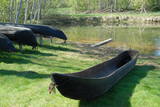 |
The Vienkoči Park features one-log objects manufactured by its originator. You can examine mock-ups of the Nurmiži Castle and other buildings including the Sand House, and you can also take part in thematic events. Men can produce equipment to drain birch juice from trees, wile women can try their hand at jewellery making from natural materials. People manufactured one-log objects during the Mesolithic Era, and one-log boats have been used since the 9th century (several of them can be seen at the park). |
|
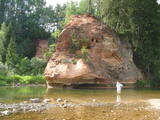 |
This is one of the most beautiful and popular tourism locations in Vidzeme. The cliff is 45 metres high, and the height of the lovely open-faced portion is around 20 metres high. You can look at the wide and deep Amata River valley and its forested banks.
|
|
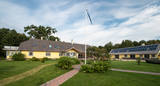 |
Nurka Farm is located in Luitemaa Nature Protection Area in Pärnu County. The farm complex that is over 100 years old has been renovated into a contemporary holiday farm with all modern conveniences. |
|
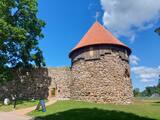 |
The Livonian Order built a fortified castle on the largest island in Lake Alūksne – Marijas Island (Pilssala Island) in 1342. It was linked to the land by a 120 m drawbridge. The castle had several forecastles, and it was regularly modernised and expanded until the end of the 17th century. It was one of the largest Livonian Order Castles, with similar ones found in Vastelina and Izborsk. Defensive barriers were put up around the castle, which survived until the Great Northern War. Its central part was blown up by the defeated Swedish military in 1702, after which Russians completely sacked it. All that is left are the castle ruins on the island, which is now linked to Alūksne and Temple Hill by two wooden bridges. An open-air stage alongside the castle ruins is used for various public events. |
|
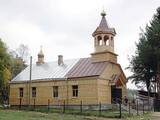 |
Viļāni Old-Believers Prayer House. The architect P.Pavlovs built Old-Believers Prayer House in 1930s.
The congregation was established very recently. Nevertheless the 14 meters high tower was constructed in
2004. The Prayer House is a very simple building but you will be pleased to see the magnificent icons. The
Prayer House has been renovated completely.
|
|
 |
The craftspeople offer tours during which you can watch them at work. You can also produce your own souvenirs with various techniques, including the potter’s wheel and the engraving technique, making use of pre-prepared moulds. You can also commission and purchase ceramics products. This location is popular among children and wedding parties. |
|
 1 day
|
Tūrisma gide Ineta Jansone piedāvā ekskursijas grupām uz Melnalkšņu dumbrāja laipu. Melnalkšņu dumbrāja laipa ir viena no īsākajām un interesantākajām takām Ķemeru nacionālajā parkā (600 m). Melnalkšņu dumbrājā Vēršupītes krastos novērojami dabiskam mežam raksturīgi elementi – jauni, kā arī veci un dobumaini koki, kritalas, sausoņi, ciņi. Daudzveidīga ir meža putnu fauna. Jebkurā gadalaikā melnalkšņu dumbrājs ir īpašs. Taču visā krāšņumā dumbrājs atklājas tieši pavasarī. Vēršupītes pālu laikā ūdeņi pārklāj lielāko dumbrāja daļu, bet visapkārt zied zeltainās purenes, gaiss vibrē no putnu dziesmām un dzeņu bungošanas. |
|
 |
Divstāvīgs skatu tornis pie Laikjula (Laiküla) – Hāpsalu ceļa, no kuras paveras plaša ainava uz Matsalu līcī ietekošo upīšu palieņu pļavām. Te var vērot migrējošās dzērves un zosis, bet pavasaros varbūt laimēsies redzēt vai dzirdēt ķikutu Gallinago media. Viens no retajiem torņiem, kas ir pielāgots cilvēkiem ar īpašām vajadzībām. |
|
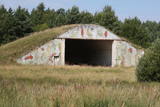 |
There are still some buildings, missile silos and an apartment building from the old No. 158 Zenith Missile Base at Ziemupe, but the territory has been abandoned and degraded.
|
|
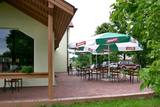 |
The café is located the Krūziņi guesthouse in the centre of Dundaga. Latvian cuisine: Sauerkraut soup, grey peas with curdled milk, roast perch or cod, sorrel soup with potatoes. Special foods: “A tower of cottage cheese” or crème from the ingredients of the Dundaga Dairy. |
|
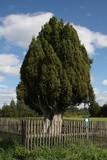 |
This is the thickest common juniper (Juniperus communis) in Latvia and the Baltic States. It stands in the middle of a field and looks wonderful. The tree is sometimes known as the Rieteklis juniper, because the Latvian poet Rieteklis (Jūlijs Eduars Balodis, 1856-1940) like to sit under it.
|
|
 |
Located in Obinitsa Village, open daily in the summer, please book in advance in winter. White bread and rye bread baking masterclass with natural yeast preparation. The café bakes brown country bread, bread with seeds, various white breads. |
|
 | ||


