
| Nr | Name | Beschreibung |
|---|---|---|
 |
The craftspeople offer tours during which you can watch them at work. You can also produce your own souvenirs with various techniques, including the potter’s wheel and the engraving technique, making use of pre-prepared moulds. You can also commission and purchase ceramics products. This location is popular among children and wedding parties. |
|
 |
Im Zentrum von Lielvārde, nur 5 Gehminuten von der Daugava entfernt, befindet sich eine Schnellgaststätte mit einer abwechslungsreichen Speisekarte. Lettische Küche: Kalte Suppe, Suppe aus frischem Kohl, gebratener Karpfen oder Wels, Frikadellen, Braten, graue Erbsen mit Speck, Pfannkuchen. |
|
 |
Der Botanische Garten ist Bestandteil der Universität Šiauliai. Hierbei handelt es sich um den jüngsten und flächenkleinsten botanischen Garten in Litauen Die Anlage des Garten begann 1958. Seine Gesamtfläche beträgt 6,54 ha. |
|
 |
Krodziņš "Rančo" atrodas Rīgas - Liepājas šosejas 136. kilometrā, un saviem apmeklētājiem piedāvā gardus ēdienus un omulīgu atmosfēru. Ēdienkartē iekļauti latviskie ēdieni, ir iespējams pasūtīt banketus. Latviešu virtuve: Skābu kāpostu zupa, skābeņu biezzupa, aukstā zupa, asinsdesa, pelēkie zirņi ar speķi, siļķe ar biezpienu un kartupeļiem, kartupeļu pankūkas, plānās pankūkas. |
|
 |
Das Restaurant im Herzen der Altstadt von Kuldiga bietet mediterrane Küche, erlesene Weine sowie lokale Getränke. Das Restaurant bietet Blick auf die Altstadt. Außenterrasse. |
|
 |
Das Café befindet sich im Zentrum des Dorfes, am Geschäft Top. Lettische Küche: Kartoffelpfannkuchen mit Schinken, graue Erbsen mit Speck, traditionelles Gericht Sklandrausis. Das besondere Gericht: Topf Apsīte. |
|
 |
Das Zeitzentrum Wittenstein befindet sich im Turm auf dem Wallberg Paide. Das Zentrum ist wie eine Zeitmaschine, wo die Gäste aus einem Zeitalter in ein anderes mit einem Fahrstuhl getragen werden. In jedem Stockwerk werden unterschiedliche Zeitalter dargestellt: die Früh- und Ordenszeit, die Zeit der Könige und der Zaren, die Zeit der Okkupation sowie die Zeit der Wiedererlangung der Unabhängigkeit. Im Zeitzentrum gibt es viele Ton- und Lichteffekte, Videoprogramme und Illusionen. |
|
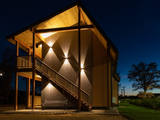 |
Bestes Apartments is a new guest house that can accommodate 45 guests at a time (+ 10 extra beds). The guest house was built and designed in the Latvian style (a wooden building made here in Mūrmuiža), beds made in Latvia, bed linen made in Latvia were used. |
|
 |
The private museum of antiquities of Zigurds Safranovičš was founded in May 2010. The collection of the museum contains around 50 thousand objects, of which 99% of exhibits have been donated. The oldest and rarest, according to legend, 300-year-old item – Ernst Glick's refrigerator. The museum's surroundings are a large park of the former Baron Wulf's estate, where it is currently possible to spend the night in tents, as well as available rest areas - canopies, fire places, grills, utensils for cooking, etc., drinking water (from a well), available electricity for telephones, cameras, etc. for charging. For larger groups (starting from 10 people), porridge cooked on the fire. |
|
 |
Das ist eine kurze Strecke im Daugava – Flusstal zwischen Lielvārde und Dzelme mit Inseln und Untiefen im Fluss, sowie mit Schilf und Feuchtwiesen längsseits. Während des Vogelzuges rasten und fressen hier viele Gänse- und Regenpfeifervogelarten. Das Gebiet ist auch ein wichtiger Nistplatz für viele andere Vogelarten.
|
|
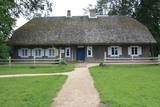 |
Das Gehöft befindet sich auf dem Kaibēni Berg (226m ü.M.) 7km entfernt von Ineši. Es ist nominiert als das älteste memoriale Museum Lettlands (seit 1929). Die Gebäude des Hofes sind im 18. und 19. Jh. Erbaut und man kann die eigenhändig gebaute Veranda, Treppen, Wandschränke, das imitierte Parkett der Volkslehrer und Schriftsteller Reinis (1839-1920) und Matīss (1848-1926) Kaudzīte besichtigen, auch die von R. Kaudzīte gebaute Drechselbank. In der Remise gibt es eine Ausstellung alter Arbeitsgeräte. Den authentischen Einzelhof umfasst ein von den Schriftstellern angelegter Garten mit Holzfiguren des Bildhauers Krišjāņis Kugra, die Personen aus dem Roman „Mērnieku laiki“ (Landvermesser Zeiten) darstellen. Auf diesem Gehöft ist auch dieser berühmte Roman entstanden. Von 1868-1882 befand sich in dem Wohngebäude eine Volksschule, in der Matīss als Lehrer und Reinis als Hilfslehrer arbeiteten. Es empfiehlt sich, das Museum mit einem kundigen Führer zu besichtigen. |
|
 1 Tag
|
Dodieties ekskursijā, lai gūtu ieskatu lauku profesijā un dzīvesveidā, kā arī iegūtu jaunus iespaidus un labu atpūtu visai klasei. Ekskursijas laikā apmeklējiet podnieku, kurš skolēniem māca, kā praktiski darboties ar rokām, kā no māla izveidot skaistu darbus ar saviem parakstiem un zīmējumiem. Pēc tam apmeklējiet maiznīcu, kur saimniece piedāvā maizes degustāciju un picu cepšanu. Ekskursijas noslēgumā dodieties uz agro saimniecību, lai redzētu, kā siltumnīcās tiek audzēti tomāti, izmantojot mūsdienīgas fotosintēzes tehnoloģijas. |
|
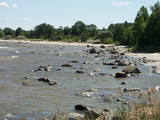 |
Der Pfad liegt an der Küste der Rigaer Bucht, man kann kleinere Buchten und Landspitzen betrachten, die Küste ist steinig oder zugewachsen. Am Ende des Pfades befindet sich ein Ausichtsturm zur Vogelbeobachtung, denn im Frühling und in der Zeit des Vogelzugs sammeln sich in der Umgebung von Kaltene vielfältige Gänsevögel, Regenpfeiferartige und andere Vogelarten.
|
|
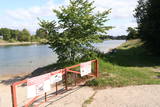 |
Der Kanal der Karaosta und die in diesem Objekt gelegene Station der Seeflote und U-Boot Station wurden auf Befehl der Zar Rußlands vor dem ersten Weltkrieg ausgegraben. Heutzutage ist der Hafen der Unterseeboote ein geschlossenes Territorium und er wird zum wirtschaftlichen Zweck genutzt. Der Kanal von Karaosta ist von der Seite der Pulvera Straße aus, als auch von der Seite der Klapaka Brücke aus zu sehen.
|
|
 |
Im Bauernhof werden hochwertige lokale Produkte aus dem Naturpark Dole und selbst angebauten Pflanzen angeboten. Ein Familienunternehmen, das Traditionen schätzt und bewahrt. |
|
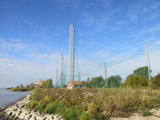 |
Eine Vogelberingungsstation und ein Vogelbeobachtungsplatz. |
|
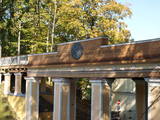 |
Vom 19. Jh. ist der Domberg ein offentlicher Park mit Pfaden, Gehwegen, Brücken (Engelsbrücke, Teufelsbrücke) und den Denkmälern für die Wissenschaftler der Tartu Universität. Hier befinden sich die Domkirche, das Anatomicum, das Observatorium u.a. interessante Objekte. |
|
 11 Tagen
|
A panoramic tour of Lithuania, Latvia, Estonia and Finland with highlights of nature experiences in the National parks and nature reserves. A variety of landscapes, nature attraction sites, birds and wild animals, forests and seashore. The tour also offers some cultural and historical insights. |
|
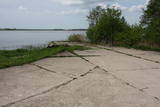 |
The hydroplane airfield is on the eastern shore of Lake Durbe, not far from Līguti. It was built between 1939 and 1941. During the Soviet era, the 43rd aviation escadrille was located here, and it had 13 MBR-2 hydroplanes. All that’s left today are the cement sheets on the shore of the lake. You can look at the site itself.
|
|
 |
Ilze Kupča in Mārupe backt Kuchen und bewahrt dabei die Traditionen ihrer Großmutter. Sie hat mehrere Preise in lettischen Wettbewerben gewonnen. Kuchen und Zefir werden aus natürlichen Produkten hergestellt, die von lettischen Bauern, Heimwerker gekauft, selbst angebaut oder in den Wäldern selbst gesammelt werden. Nimmt individuelle Bestellungen an. Roggenspezialitäten – Zefir mit schwarzen Johannisbeeren und Apfel mit Roggenbrotbrösel, Preiselbeer–Karamellkuchen mit Roggenbrot. |
|


