
| No | Name | Description |
|---|---|---|
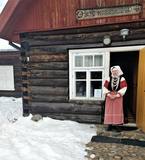 |
While you are in Obinitsa Seto Museum you can learn more about the lifestyle and culture of Setomaa's people. In the museum you can see a lot of items that are very important to their culture, for example the fine handicraft of the Seto women. Also since 2015 here you can also learn about other Finno-Ugric nations. There is a possibility to shop in the souvenir shop. |
|
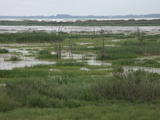 |
The Lake Lubāns depressions which are alongside the lake’s western and south-western parts feature little-changed forests and swamps, where many rare and protected birds nest. Many uncommon and protected habitats are in the region.
|
|
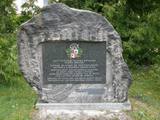 |
The rock is in the square outside the Skrunda Cultural Centre. It was installed in 2005 in honour of the victory of Col Oskars Kalpaks and his battalion over the Bolsheviks. During the Latvian liberation battles, on January 22, 1919, the Bolsheviks occupied Skrunda. Kalpaks’ battalion headed toward the town on January 29 from the Rudbārži Estate. After a three-hour battle, the victory was won, with the battalion taking over a strategic line near the banks of the Venta River. This was the first victory for Kalpaks’ men after many retreats, and that inspired the rest of the liberation battles. |
|
 |
Traditionelle Spielzeuge von verschiedenen historischen Perioden und Völkern. |
|
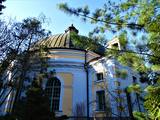 |
There are records to show that there has been a church at this location since the 17th century, and the current one was built between 1792 and 1794 by the chief construction specialist of the city of Rīga, Christopher Haberland. He designed the cupola-shaped building, with the cupola ensuring good acoustics inside the building. The altar is opposite the entrance door. Between the columns of the building is an altar painting showing Christ and St Peter on a storm-ravaged sea. Other important objects include chalices from the 18th or 19th century, candelabras, etc. The building was restored in 2014. To the South from it is the Katlakalns cemetery, which is the final resting place of the distinguished Baltic German writer Garlieb Merkel (1769-1850). He was of great importance in ensuring the end of indentured servitude in Latvia. |
|
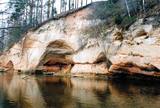 |
This is one of the most beautiful ancient river valleys in Estonia – 12 km long with nearly 40 revealed Devonian sandstone cliffs. Among these, the most important ones are Viira müür, Kalamatu müür, and Põdramüür.
|
|
 3 days
|
The tour starts and ends in Klaipeda, the most popular seaside resort town in Lithuania. Klaipėda University Botanical Garden has a coastal ethnographic garden with flower arrangements characteristic of this area. Kretinga Manor Park is one of the oldest surviving 16th–18th century manor parks in Lithuania. Palanga Manor housing the Amber Museum and Birutė Park is one of the best-preserved manor complexes in Lithuania. The largest Japanese garden in Europe (16 ha) is a home to collection of traditional aromatic plants and vegetables. Rucava arboretum displays a collection of magnolias. In Nīca village, 7 decorative gardens maintaining the local gardening tradition are open for visitors. Historical cultivars are carefully selected to renew the orchard and romantic landscape park at the 18th century Tāšu (Telsen) estate in Grobiņa region, Latvia.The Izidorius Navidanskas Park has over 120 species of trees and shrubs. Visit an outdoor plant exhibition at Jadvyga Balvočiūtė Farm - growing medicinal herbs and spices, selling organic sprouts, single herb teas and herbal mixtures. Also Beržoras Homestead in Žemaitija National Park grows a variety of medicinal and culinary herbs, garden plants and aromatic herbs. Plungė Manor, called the “Versailles of Samogitia”, is one of the most famous surviving ensembles of its kind in Lithuania. Steponas Darius Birthplace Museum features a unique orchard of impressive size and scope. The Švėkšna Manor Complex features a sculpture park, scenic views, trails, gates, and a Chinese-Japanese maidenhair tree (ginkgo biloba) which stands 18 metres high and 70 centimetres in diameter. Šilutė Manor has two parks – an English landscape park with walking paths and the forest park known as Varnamiškis, or “Crows’ Forest”. |
|
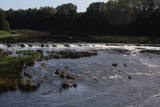 |
This is the widest water fall in Latvia – 249 metres wide and up to 1.75 metres high. This is an interesting natural, cultural and historical object in that it is linked to various events and legends. Duke Jacob of Courland invented equipment to catch fish. It was fastened to the cliffs of the waterfall, and this created the tale of a city where salmon and other fish who were leaping across the waterfall fell into the nets and were thus caught in the air. During Jacob’s rule, there was talk about digging a canal around the waterfall to ensure shipping, and work began on the project. During the early 18th century there was the idea that the Baltic Sea and the Black Sea could be connected via the Venta, Nemuna and Dnieper rivers. Turkish prisoners of war continued to dig the canal, but the local dolomite cliffs were a problem. Attempts to blow up the cliffs led to damage to nearby buildings, so the work ended. The impressive ditch can still be seen today. In 2012, a wooden pathway was installed on the right bank of the Venta to offer a good look at the waterfall. It is worth visiting here during various seasons of the year, when different types of fish migrate. |
|
|
|
(V-1279) linked Kuldīga and Alsunga before a new road was built. The lovely gravel road weaves through forests and farmland. During appropriate weather, it can be used as an alternative road to learn about the landscapes of the Suiti region. You can also bike down the road. |
|
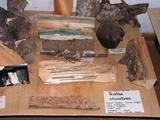 |
The Lejas Kleperi farm straddles the boundary between the Cēsis and Valka Districts. The farm is 119.4 hectares large, with 86.1 hectares of forestland. The farm’s work is centred on forestry. In 1992, a private museum of farming and forestry equipment was set up in one of the residential buildings. The museum’s collection is constantly being updated.
|
|
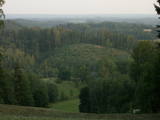 |
From the highest point in the Alūksne highlands, you will see an unusually beautiful view of the surrounding forested hillocks and the small areas of meadows and farmland. Sadly, there are no improvements to the location, which can be difficult to access. It is on private property.
|
|
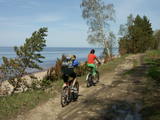 |
The largest NATURA 2000 territory in Latvia covers 6% of the country’s area. It is located in parts of the Limbaži, Valmiera and Valka districts, and it is a place of an enormously diverse range of landscapes, biotopes and species. The Salaca River is one of the most important rivers in the entire Baltic Sea region in terms of spawning grounds for salmon. The river valley and its sandstone cliffs attract many visitors. It is no accident that this is the second most popular river in Vidzeme for water tourism. The shore of the Bay of Rīga, which is not very long, also features a great diversity in landscapes and biotopes. At the northern end, we find the Randu meadows. In the central part there are sandy beaches, but at the southern end – 22 kilometres of rocky shoreline. The so-called Northern swamps are found on the border with Estonia, while the Seda heath is one of the most important places in the region for birds to rest and feed during migration. The reserve also features a diverse forest in which one can find all of the types of forest which are common in Latvia. Nature trails and viewing towers or platforms are found in the Randu meadows, on the banks of Lake Burtnieks, along the Planči and Niedrāji-Pilka swamps, on the banks of Lake Dziļezers and Lake Lielezers, and elsewhere. The Skaņākalns park in Mazsalaca is one of the most popular tourist destinations in Northern Vidzeme. The territory boasts many important cultural monuments, including one of the earliest known settlements in Latvia – a fishing settlement and burial ground which date back to the 5th to the 2nd millennium BC.
|
|
|
|
Opekalns (arī Apukalns, Opekols) ir paugurs Alūksnes augstienē, 235 metrus virs jūras līmeņa, Veclaicenes pauguraines viena no augstākajām virsotnēm. Tā virsotnē uzcelta Opekalna luterāņu baznīca (1774—1779), kas ir visaugstāk virs jūras līmeņa novietotais dievnams Latvijā. Opekalna ciemā dzimis leģendārais Dziesmu svētku virsdiriģents Haralds Mednis. |
|
 |
Valkas novadā esošā saimniecība "Kurģi" ir vieta, kur braukt atpūsties gan ģimenēm, gan draugiem. Viesiem tiek piedāvātas izjādes zirga, ponija mugurā, pajūgs gan ģimenēm, gan kāzām. |
|
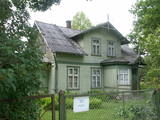 |
This is the one street in Ķemeri where the towns' wooden buildings have been preserved to the greatest degree. Turning onto Durbes Street from Karogu Street, you will find the Miervaldis Ķemers Museum, which is focused on the well known Latvian cultural activist, pastor and painter (1902-1980). The museum is at Durbes Street 21. |
|
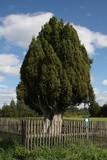 |
This is the thickest common juniper (Juniperus communis) in Latvia and the Baltic States. It stands in the middle of a field and looks wonderful. The tree is sometimes known as the Rieteklis juniper, because the Latvian poet Rieteklis (Jūlijs Eduars Balodis, 1856-1940) like to sit under it.
|
|
|
|
Pamatīgs trīsstāvu koka tornis, no kura atklājas viens no labākajiem Matsalu līča un tā apkaimes palieņu pļavu skatiem, kuras apsaimnieko mājlopi, veidodami piemērotu vidi dažādām putnu un augu sugām. Laba migrējošo zosveidīgo putnu vērošanas vieta. Tā kā tornis ietilpst Tūlingu (Tuulingu) saimniecības teritorijā – spēkrats ir jāatstāj netālu esošajā autostāvlaukumā, bet suņi jāved piesieti kakla siksnā. |
|
 |
Naissaar is a small island near Tallinn which was exclusively used by the Soviet military from 1945 to 1993. Attractions on the island include walking trails, varied habitats, a narrow-gauge railway, fortifications from the early 20th C, and a Soviet naval mines factory. |
|
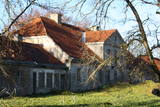 |
Matsalu muiža pirmoreiz vēsturiskajos avotos ir minēta 1560. g., kad tā ietilpa Lihulas bīskapijas sastāvā. Tagad redzamās ēkas ir celtas laikā no 18. gs. otrās puses līdz 20. gs. sākumam. Pagājušā gadsimta sešdesmitajos gados te plānoja izveidot Matsalu rezervāta centru, taču „veiksmīgā loze” tika netālu esošajai Penijē muižai (sk. iepriekš). Mūsdienās muižas pils, citas ēkas un parks (tajā dīķis ar salu) atrodas kritiskā stāvoklī. Taču kā nozīmīgu vēstures liecinieku arī šo muižu var iekļaut apskatāmo objektu sarakstā. Muižas komplekss atrodas pa ceļam uz Kēmu (Keemu) putnu vērošanas torni. |
|
 |
The farm "Krūmiņi", popularly called the Bread House, is a place to participate in real rural bread baking rituals, make dough and bake pies yourself, get to know grains, explore grain products, create Latvian strength signs and learn about centuries-old traditions related to bread. The heartfelt owners of the farmstead in the old barn also offer to enjoy the anniversaries, unusually celebrate their special holidays and enjoy extended life skills programs with soup cooked by the fire and watching natural events. When visiting the Bread House, you will learn why bread is baked here with the taste of freedom for almost 100 years, and the merry owners of the house know best to tell about it. |
|


