
| Nr | Name | Beschreibung |
|---|---|---|
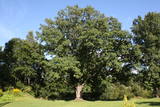 |
This tree is the one in Latvia and perhaps the Baltic States that has the densest foliage. Its crown measures 33 x 31 metres.
|
|
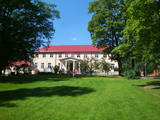 |
Sēļu muiža, par kuru pirmās ziņas saistāmas ar 1561. gadu, ar seno ēku kompleksu un ainavu parku mūsdienās vēl joprojām darbojas kā pagasta administratīvais un kultūras centrs, kur tiek organizēti arī atpūtas un saviesīgi pasākumi. Neskatoties uz to, ka muiža vairākkārt ir tikusi pārbūvēta, tās senatnīgums ir vēl saglabājies. Sēļu pagasta Tautas nams piedāvā bezmaksas ekskursijas Sēļu muižas kompleksā un divas meistardarbnīcas: ādas apstrādes meistardarbnīca pie Benitas Audzes un kokapstrāde un galdniecība pie Uģa Vītiņa. |
|
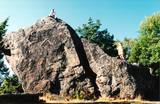 |
Einer der größten Feldsteine im Baltikum (bis 8 m). |
|
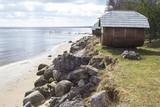 |
Eine alte livische Siedlung. Der livische Name der Siedlung lautet Mustanumm. Noch in der Mitte des 20. Jahrhunderts wohnten hier die Liven. Die Vertreter der Familien Landmaņis, Morics un Otomers haben in Melnsils bei der Mündung des Flusses Baķupīte in die Rigaer Bucht drei Segelschiffe gebaut. In Melnsils befinden sich zwei kulturhistorische Orte: der Kirchenberg Baķu – einen alten Sakralort und die Wallburg des Seeräubers Trommel. (Die Quelle: Roja TIZ) |
|
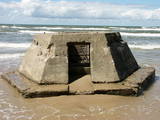 |
Heutzutage sind nur die Überreste des Eisenbeton – Feuernestes übrig geblieben. Wegen dem dauernden Einfluss von Wind und Meereswellen, die die Küste die ganze Zeit abspülen, sind heutzutage die Batterien bis zu dem Strand abgerutscht. Ein interessantes historisches Denkmal, das vermutlich in der längere Zeit unter dem Meereswasser verschwinden wird.
|
|
 |
Das Laden gehört einer Gemeinschaft von Heimarbeitern, die 29 Hersteller und Handwerker aus der Region Kuldīga vereinigt. Ganzjährig wird eine große und vielfältige Auswahl an hausgemachten, lokalen Produkten angeboten. |
|
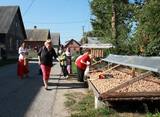 |
Am Ufer von Peipussee befinden sich dicht nacheinander Dörfer, die vor Jahrhunderte von den Altgläubigen, die aus Russland entflohen haben, bewohnt wurden - Kolkja, Kasepää und Varnja. |
|
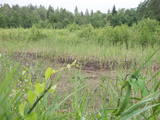 |
Die Schlammregenarationsteiche – ein Ort,
wo der verbrauchte Schlamm vom Kurort und
Rehabilitationszentrum „Jaunķemeri“ deponiert
wird.
|
|
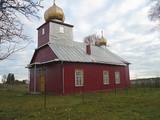 |
Notra’s Old-Believers Prayer House. The construction works
lasted from 1928 till 1931. The church is situated on the site of the
previous church that was originally built in 1853.
|
|
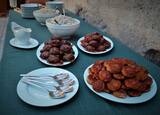 |
Rekovas dzirnavas ir unikāla vieta pašā austrumu pierobežā. “Pirmajā stāvā bija miltu malšana un otrajā stāvā apstrādāja vilnu. Dzirnavas pastāvēja līdz 1980.gadam. Vēlāk ēka nevienam nepiederēja, lietus ietekmē iebruka jumts un faktiski viss bija sadrupis. 2016.gadā zemnieku saimniecības “Kotiņi” saimniekam Aldim Ločmelim radās iespēja iegādāt ēku un saliekot galvas kopā, radās ideja, ka ēkā varētu būt vietējās produkcijas veikaliņš.” Majestātiskā trīsstāvu pamatīgu laukakmeņu mūra ēka, kas atrodas pašā Balvi-Viļaka ceļa malā, ir sākusi dzīvot jaunu dzīvi, kur ikvienam ir iespēja nobaudīt vietējo Latgales produktu garšu dažādā izpildījumā. Dzirnavu saimniece - viena no īstajām latvju saimniecēm Vija Kuļša uzņem tūristu grupas, kurām piedāvā nobaudīt vietējo Latgales produktu garšu dažādā izpildījumā. Ēdienkarte sastāv no piedāvājuma vegāniem, veģetāriešiem un klasiskās ēdienkartes. Viena no galvenajām ēdienu sastāvdaļām ir zs “Kotiņi’’ ražotā produkcija. Ir iespēja pieteikt un darboties arī Meistarklasēs. Tiek piedāvāvāts ēdiens no linsēklām, linu eļļa, dažādi salāti, ko var gatavot ar linu eļļu. Linsēklas izmanto pašu ceptā maizītē, sāļajā baltmaizē ar linsēklām. Linsēklas Rekovas dzirnavu ēdienkartē ir tikai viena no izejvielām, bet tieši tās ir centrālais varonis jaunajā Ziemeļlatgales kultūrvēsturiskā tūrisma piedāvājumā “Linu ceļš Ziemeļlatgalē”. |
|
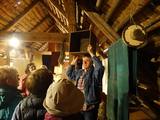 |
The museum at Egļava has an exhibition about forestry in Latvia before and after World War II. The exhibit features forestry tools and equipment, as well as textiles from the former Balvi District along with samples of ceramics and woodworking. The former forest ranger house has rooms to provide accommodations to guests. |
|
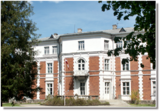 |
Der Landgutkomplex von Bebrene(im Stil Barock) hat sich vom Ende des 19. Jhs. bis zum Anfang des 20. Jhs. gebildet. Die Dominante des Komplexes ist das im Jahr 1896 gebaute (Architekt L. J. L. Marconi) Schloss der Grafen Plater-Sieberg, in dem heute das Gymnasium von Bebrene haust. Bis heute haben sich ein prachtvolles Tor und ein ungewöhnlich aussehender gemauerter Zaun erhalten. Das Landgut wird von einem Park mit einem symmetrisch angelegten Parterre und mit reichlichen Anpflanzungen von ausländischen Baumarten eingeschlossen. |
|
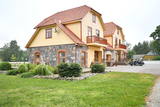 |
Die in den Räumen der ehemaligen Kantine Kantküla eingerichtete Gaststätte bietet mit frischen örtlichen Produkten zubereitete Speisen an. Mittagessen wird als Büfett serviert, im Sommer wird auch à la carte bzw. freie Auswahl der Speisen aus der Speisekarte angeboten. Es werden auch Unterkunft und Verpflegung angeboten. |
|
 3 Tagen
|
Die Bezeichnung der Region Žemaitija bedeutet wörtlich «das niedrige Land«. Auf Ihrer Reise werden Sie sowohl traditionelle als auch ungewöhnliche Bauernhöfe besuchen. Die Reise bietet Ihnen auch die Möglichkeit, alte žemaitische Traditionen des Gartenbaus kennenzulernen und Tee und Gewürze aus einer biologisch-dynamischen Landwirtschaft zu genießen. Die Landwirtin ist immer bereit, eine kulinarische Meisterklasse im Zubereiten traditioneller žemaitischer Gerichte zu geben. An der nächsten Station der Reise werden Sie in die Geheimnisse der Heilkräuter eintauchen. Ein eindrucksvolles Objekt der Militärgeschichte ist das Museum des Kalten Krieges im Territorium des ehemaligen Raketenstützpunktes. Dann folgt ein Besuch des Energie-Labyrinths, wo Sie vollkommene Ruhe erleben können und vieles über den Einfluss verschiedener geometrischer Formen auf das menschliche Wohlbefinden erfahren werden. Die Reise führt Sie weiter zu einem traditionellen Bauernhof. Dort gibt es reichlich regionale Speisen zu essen, regionale Getränke zu trinken und Lieder zu singen. Auf dem Weg werden Sie auch die Stadt Telšiai besichtigen, die als informelle Hauptstadt der Region Žemaitija gilt. Zum Abschluss der Reise werden Sie einen Bauernhof besuchen, wo traditionelle Šakotas (Baumkuchen) am Lagerfeuer gebacken werden und Sie in eine echte litauische Sauna gehen können |
|
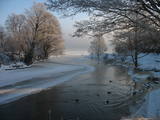 |
The Slocene River flows through Lake Valgums and Lake Mazezers before flowing into the western part of Lake Kaņieris. It is part of a branched and swampy delta in which there are seasonal restrictions aimed at protecting birds. The wetlands which are alongside the river are difficult to access in many places. Before the Starpiņupīte was dug between Lake Kaņieris and the Bay of Rīga (the water level is regulated with sluices), the water from the river flowed along what is now the Vecslocene River all the way to Sloka, where it ended at the Lielupe River. The Vecslocene can be used by canoe boats only when the water level is high and then from the Old Ķemeri road to the place where the river enters the Lielupe. Between Milzkalne and Lake Valgums, the river is not navigable because of many fallen trees. During the springtime, the estuary of the Starpiņupīte is a good place for bird watching. |
|
 |
Eine der ältesten Universitäten Nordeuropas, gegründet 1632. An der Universität haben Jungletten und in der Welt bekannte Wissenschaftler studiert. Das Hauptgebäude (1804 – 1809) mit einer Aula ist eins der hervorragenden Denkmäler der klassischen Architektur im Staat. |
|
 |
Iespēja atpūsties un relaksēties pirtiņā, baudot latviskos pirts rituālus. Sildīšanās un pēršanās ar pirtsslotām, augu skrubji un maskas, kāju vanniņas un zāļu tējas. Pēc pēriena – veldze dīķī. Pirts tā ir svētnīca miesai, garam un dvēselei. Piedāvājumā arī izglītojošā programma par augu spēku un to izmantošanu savai labsajūtai. Apmeklējums noteikti iepriekš jāpiesaka! Vietu skaits ierobežots! |
|
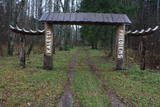 |
Kalētu muižas bijušais medību dārzs. Muižas laikos šeit ierobežotās platībās turēja meža dzīvniekus, kuru medības bija populārs muižniecības izklaides veids. Parkā uzmeklējams piemiņas akmens Krievijas imperatoram Aleksandram III, kurš šeit nošāvis briedi (irsi). No Kalētiem Latvijas teritorijā „ienāca” staltbrieži, kurus medību vajadzībām 1848. g. atveda no Vācijas. Parkā izveidotas takas un atpūtas vietas. |
|
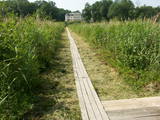 |
Der beste Platz, um sich das Schutzgebiet des Vīķi – Sumpfes, in dessen Zentrum sich der Lielauce – See befindet, anzuschauen, ist die Lielauce – Burg, wo ein hölzerner Plankenweg beginnt. Der Pfad leitet den Besucher durch die sumpfigen Ufer des Lielauce – Sees zu einem offenen Teil des Sees, wo man Boot fahren kann. Der Sumpf selbst befindet sich im südöstlichen Teil des Sees. Das Schutzgebiet wurde eingerichtet, um die Biotope und Arten in dem Gebiet zu schützen.
|
|
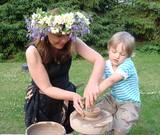 |
Aus Lehm, Steinmasse und anderen Materialien formt die Töpferin Geschirr und verschiedene Gegenstände für Innenausstattung und sie brennt ihre Werke in einem offenen Brennofen. Die Besucher können hier an einer Führung teilnehmen, die Handwerkerin bei ihrer Arbeit beobachten, selber eine Tasse formen, sowie die Werkstatt beim Öffnen des Brennofens besuchen. |
|


