
| Нo | Название | Описание |
|---|---|---|
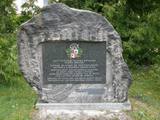 |
Находится в сквере возле Скрундского дома культуры. Установлен в 2005-м году в честь победы полковника О. Калпака и его батальона над большевиками в Скрундском бою. Во время Борьбы за независимость Латвии 22-го января 1919-го года большевики захватили Скрунду. 29-го января батальон Калпака из Рудбаржского поместья выступил в направлении Скрунды. После трехчасового боя он одержал победу, захватив стратегическую позицию вдоль берега Венты. Это была первая победа батальона Калпака после многократных отступлений, что вдохновило на дальнейшую Борьбу за независимость Латвии. |
|
 |
Cēsu centrālais laukums – Vienības laukums (20.gs.sākumā – Konventa laukums) – atgādina par Cēsu kauju notikumumiem, kuru nozīme un ikviena dalībnieka ieguldījums aprakstīti devīzē uz pieminekļa “No zobena saule lēca”. Cēsu kaujas 1019.gada jūnijā bija svarīgs Latvijas valstiskuma vēstures pagrieziena punkts, kad apvienotais latviešu un igauņu karaspēks sakāva vācu landesvēru, kas apdraudēja Baltijas valstu pastāvēšanu. Vienības laukums turpina būt par nozīmīgu notikumu liecinieku. 1989.gada 23.augustā daudzu cēsnieku ceļi veda uz Vienības laukumu, kuram cauri vijās Baltijas ceļš. |
|
 |
Находится в центре города, около Рыночной площади, в гостинице «Кандава». Латышская кухня: Селедка с картошкой и творогом, каша из овсяных хлопьев, домашние котлеты, блины с начинкой, сырники с вареньем. |
|
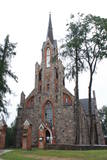 |
Found in the northern part of Cesvaine, the church was built of fieldstones in the Neo-Gothic style in 1879 by the architect Paul Max Bertschy. The church was restored in 1929 and again in the early 1990s. The altar painting, “Christ on the Cross” (1923) is by Jēkabs Bīne.
|
|
 |
Ģimenes uzņēmums Svētes pagastā, netālu no Jelgavas. Kopš 2019.gada šeit top dažādi Latvijas priežu produkti, kas vērtīgi kā imunitātei, tā arī veselībai. Mītavas Čiekurs produktu galvenā sastāvdaļa ir Parastā priede (Pinus sylvestris). Tā bagāta ar ēterisko eļļu, sveķiem, miecvielām, C vitamīnu u.c. vērtīgām vielām. Tiek gatavotas priežu čiekuru karameles, čiekuru sīrupa zefīri, želejkončas, priežu čiekuru zapte, karamelizēti čiekuri sīrupā, šokolādē, kā arī priežu pumpuru sīrups un tēja. Ekskursija norisinās 90-120 minūtes, kuru laikā atraktīvais saimnieks Reinis pastāstīs par uzņēmuma vēsturi, dalīsies receptēs, pagatavos katram apmeklētājam gardu dāvanu (čiekuru marmelādi), kā arī protams- varēs degustēst dažādos priežu produktus. Papildu pirms vai pēc ekskursijas iespējams ieturēties ar uz ugunskura gatavotu pupiņu zupu ar lauku kūpinājumiem, soļanku vai biešu zupu. Tūristus uzņem nupat uzbūvētajā ekskursiju telpā- Čiekurnīcā. Uzņemt var līdz pat 60 interesentiem reizē. |
|
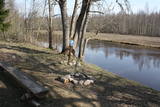 |
~ 3 – 5 km gara taka, kas ved pa veco ceļu gar Tēramā upes (Tõramaa jõgi) kreiso krastu. Takas malās izvietoti interaktīvi elementi bērniem, kas palīdz labāk uztvert dabā notiekošo. Taku ieskauj mitrie meži un palieņu pļavas, kas palu laikā atrodas zem ūdens. Tēramā (Tõramaa) ciemā apkārtnē atrastas cilvēka darbības pēdas jau no akmens laikmeta. |
|
 |
This structure is smaller than the Great Kangari hills – approximately 10 kilometres long and 16 metres high. This structure is near the Buļļi swamp, and the restricted area is meant to protect the structure, the swamp and the various forest types and rare plants that are in the area.
|
|
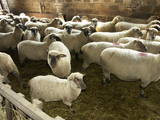 |
На просторных лугах хозяйства по берегам реки Айвиексте пасется крупнейшее в Латвии стадо Латвийских темноголовых овец (~ 400 животных). Осмотр хозяйства, приобретение породистых овец, мяса, шерсти, кожи и овощей. |
|
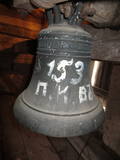 |
Построенную в 1651-м году церковь с перерывами строили на протяжении полувека. Она полностью перестроена и современный вид обрела в 1876-м году. В церкви находится один из самых значимых сакральных предметов интерьера в Латвии – самая старая в государстве церковная кафедра (1590-й год) в стиле маньеризма и установленный в 19-м веке колокол капеллы (1450-й год) разрушенного рыцарского замка, являющийся самым древним церковным колоколом в Латвии. Алтарная картина «Христос на кресте» немецкого мастера Ф. Вольфа, а также алтарь были недавно отреставрированы. |
|
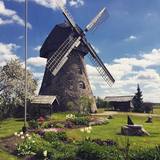 |
Находится в самом высоком месте, с красивым видом на окрестности. Одна из редких ветряных мельниц голландского типа в Латвии (1852 г.), которая находится в рабочем состоянии. Предлагают попробовать руку в помоле зерна. Каждый год в последнее воскресенье июля отмечают праздник Екаба – праздник молодого ржаного хлеба. Латышская кухня: Обед мельника - каша из ячменной муки с мясным соусом, тонкие блины, кефир, травяные чаи. |
|
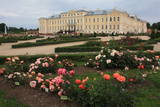 |
Рундальский дворец был построен как летняя резиденция Курляндского герцога Эрнста Иоганна Бирона по проекту выдающегося итальянского архитектора Франческо Растрелли. Строительство дворцового комплекса происходило между 1736 и 1740 годами, однако художественную отделку внутренней части замка с 1765 года по 1768 год осуществили скульптор Иоганн Михаель Граф, художники Франческо Антонио Мартини и Карло Цуки. Дворец важен своей аутентичностью, так как его не затронули перестройки более поздних времен. Интенсивная реставрация дворца была начата в 1972 году, когда был основан музей, а завершена в 2018 году. |
|
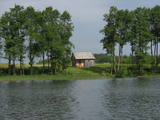 |
Līčiem, pussalām un salām bagāts ezers ar izrobotu krasta līniju, kas savienots ar Zvejnieku un tālāk - citiem Latgales augstienes ezeriem. Ozolu un platlapju meži, kas aug uz ezera salām un pussalās ir ne tikai aizsargājami, bet arī Latvijas mērogā nozīmīgi biotopi. Tiesa, to vērtību apzināsies tikai vides speciālisti. No Jašas ezera var uzsākt laivu braucienu pa vienu no Latgales ezeru "kēdēm". Ezera austrumu krastā atrodas Geļenovas parks.
|
|
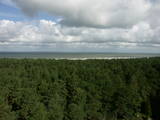 |
38-метровая башня стены Овишского маяка (сигнальный фонарь расположен на высоте 33 метров) построена в 1814 году и без особых изменений функционирует до сегодняшнего дня. Это самый старый действующий маяк Латвии, в котором размещена экспозиция, посвященная Латвийским маякам. |
|
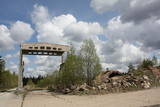 |
Ремонтные мастерские кораблей и береговой ракетной обороны в Бартских лесах в Книпупьи Лиепайского района, действительно, визуально являются довольно впечатляющим военным объектом бывшего СССР. В настоящее время территория находится в управлении края, здания демонтированы с целью получения строительных материалов.
|
|
 |
Aktīvā atpūta svaigā gaisā, dabā. Dabas taka, atpūtas vieta, grilla vietas, lapenes. Lāzera cīņas jeb Laser tag ir spēle svaigā gaisā, ģimenes vai draugu kompānijā. Iegūsiet pozitīvas emocijas un kārtīgu adrenalīna devu, spēlējot augsti tehnoloģisko spēli reālā laikā un vietā. Lāzera cīņas ir visiem labi zināmā peintbola analogs, bet atšķirīgs ar to, ka Laser taga spēlē spēlētājus-pretiniekus “neitralizē” ar drošiem un nekaitīgiem lāzera šāvieniem no lāzera-ieroča, bet pati spēlētāja “neitralizācija” notiek, kad speciāli devēji (sensori), kuri ir nostiprināti uz spēlētāja apsaites, reģistrē pretinieka lāzera-ieroča staru, kas nozīmē, ka nav ne krāsu bumbiņu, ne sāpīgi sitieni, ne zilumi. Šī koncepcija padara Laser tagu pieejamu ne tikai vīriešiem, bet arī sievietēm un bērniem. |
|
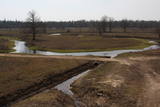 |
Divarpus kilometrus gara taka (vienā virzienā) aizved līdz Hallistes palieņu pļavām, kur Hallistes upes labajā krastā ir uzcelts divstāvīgs koka skatu tornis. No tā paveras visaptverošs skats uz atjaunotajām (izcirsti krūmi) Hallistes palieņu pļavām. Pavasara palu laikā no torņa redzamā apkārtne un tornis atrodas ūdenī. |
|
|
|
Одно из сравнительно редких мест, где на побережье можно понаблюдать за рыбаками в работе. Ветряная мельница «Клаюми» (1930 г.) является одним из самых высоких сельских строений. Рядом с мельницей находится Юрмалциемский Туристический информационный пункт, информационный стенд и место для отдыха.Здесь же видны старые деревянные корпуса барж, брошенных рыбаками. Экспозиция«Старинные предметы жителей Юрмалциемса» находится в восточной части поселка, где в деревянном сарае представлены собранные местными энтузиастами предметы быта и орудия труда окрестных жителей. |
|
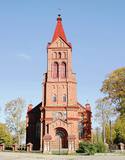 |
Цискадский Римско-католический костёл Св. Иоанна Крес-тителя
построен в романском стиле в 1900 году из камня и красного кирпича. В
костёле находятся картина „Мадонна с младенцем”, распятие и орган.
|
|
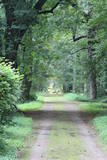 |
Старейший дендрарий Латвии (основан в 1891 г.), посадки которого спланировал и сформировал владелец Скриверской господской усадьбы Максимилиан фон Сиверс (1857 – 1919 гг.). Сейчас в парке насчитывается примерно 300 видов и сортов растений. Насаждения сгруппированы по месту их естественного роста - для различных мировых геоботанических районов. Для удобства посетителей проложены дорожки, а рядом с растениями находятся дощечки с названиями. Фонтан работает со вторника по воскресенье. На другой стороне шоссе Рига – Даугавпилс (А6) находится Скриверский лесной парк с прогулочными тропами. |
|
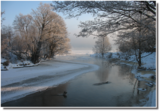 |
Старпиньупите – искусственно
выкопанное соединение между Каниерис и
Рижским заливом, где уровнем озера
сегодня управляет обновленная система
шлюзов. Хорошее место для наблюдения за
птицами в период весенней и осенней
миграции. Ориентир со стороны моря устье
реки Старпиньупите.
|
|


