
| Нo | Название | Описание |
|---|---|---|
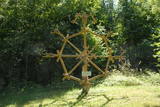 |
Folkloras taka "Jāņkalni" iepazīstina ar mūsu senču rakstiem, zīmēm un dievībām, kas ir mūsu folkloras mantojums. Folkloras takas (garums: apm. 1,5 km vai 2 stundas) mērķis ir arī iepazīstināšana ar senlatviešu ieražām, folkloru, kā arī tautu dainu izprašana. Piedāvā iziet Latvijas karti - labirintu ar 19 etnogrāfiskajiem novadiem. Gids Jums sniegs izsmeļošu stāstījumu un atbildes uz interesējošiem jautājumiem.
|
|
 |
Государственная Стендская селекционная станция основана в 1922 году и расположена на Северо-Курземской возвышенности в Дижстенде Либагской волости Талсинского района. Государственный Стендский институт селекции зерновых ведёт научную работу в селекции зерновых, полеводстве и в других областях конвенционального и биологического сельского хозяйства. Посетителям предлагается дегустация продуктов, приготовленных из зерна, в Государственном Стендском институте селекции зерновых. |
|
 2 дня
|
Маршрут предусмотрен для любителей активных пеших походов, кому нравиться объединять наплюдения за природой с познанием культурной среды и истории. Это путешествие по самой впечатляющей речной долине в Балтии – древней долине Гауи – и глубокой древней долине ее притока – Абавы. На берегах обеих рек возвышаются живописные песчаные отложения девонского периода. Поселок бумажной фабрики Лигатне – это великолепный пример индустриального наследия европейского масштаба со своеобразной средой бумажной фабрики 19. – 20. веков. По окончании маршрута можно осмотреть Цесисский средневековый замок – мощную крепость средневековой Ливонии. Maršruta informācija no Latvijas Lauku foruma |
|
 |
Daugavas aizsargdambju būvniecību Jēkabpilī uzsāka pēc 1981. gada lielajiem paliem, kad ūdens līmenis pārsniedza kritisko - 6,3 m atzīmi un pakāpās līdz rādījumam „8,7 metri”. Šo plūdu laikā puse pilsētas klāja Daugavas ūdeņi. 2011. gada vasarā notika plašāki dambja atjaunošanas un labiekārtošanas darbi. Pie tā uzstādīja laternas, soliņus, izveidoja pastaigu promenādi un piemiņas zīmi Daugavas kreisajā krastā, kas parāda maksimālo plūdu līmeni. Uz aizsargdambja Daugavas labajā krastā ir izvietoti informatīvie stendi, kur var uzzināt daudz interesantus faktus par pilsētas vēsturi. Dambji ir piemērota vieta, kur fotografēt vai gleznot pilsētas ainavas. |
|
 | ||
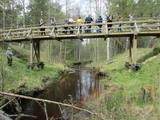 |
Мостик для велосипедистов и пешеходов через речку Киканс – границу национального природного парка Слитере. |
|
 |
Предприятие уже 16 лет выпускает классических, медовых, ментоловых с имбирем и облепиховых сахарных петушков и другие кондитерские изделия, а также готовит сок из гриба весёлки, который издавна известен как народное лечебное средство. Покупка продукции. |
|
 |
В овраге притока Огре разместился мини-зоопарк, большую часть которого занимает вольер с кроликами. В глазах детей его делают привлекательным построенные по архитектурным мотивам господских усадеб и замков домики. Здесь можно увидеть коз, свиней, гусей, павлинов, мандариновых уток и жемчужных кур. Дети могут покормить животных. |
|
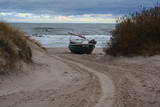 |
Ceļa, kas ved uz jūru – galā, redzami Latvijas piekrastei samērā reti skati. Ja palaimējas, šeit var novērot vietējos zvejniekus darbībā, kas joprojām iet zvejā. Krasta kāpās aplūkojamas vecas, pamestas un arī sagrieztas zvejas liellaivas un dažādi mūsdienu zvejniecībā izmantojami „darba rīki”. |
|
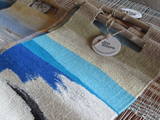 |
Мастерская художницы находится в очень красивом хуторе. Ткёт гобелены и предлагает понаблюдать за ходом работы, заказать, а также приобрести готовые изделия. Многие из них - практические сувениры и используются как хорошие подарки. |
|
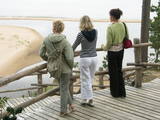 |
The Sunset trail starts in the centre of Saulkrasti town and takes you to the White Dune. Saulkrasti town with its municipal rural territory, occupies a 17km long stretch of coastal land to the North from the river Lilaste and the lake Lilaste. The White Dune stands on the right side of river Inčupe mouth. It is covered by old pine forest. The white, 18m high sand outcrop in olden times served as a landmark for fishermen. The White Dune formed as winds carried the sand from the beach over clay sediments of the Baltic Ice Lake. Some 150-200 years ago, the dune had been drifting as witnessed by several layers of soil buried within it. Local fishermen and farmers at Bātciems initiated afforestation of the drifting dunes. At that time, the 30m high dunes which are now covered with forest, were bare, shifting and even buried a farmstead. To speed up afforestation, mountain pines were planted. The White Dune was partly washed away in heavy storm in 1969, and 4-6m high precipice formed. Now the wind and sand have levelled out the dune surface, it has been fixed with willow-twigs or grown with forest where the largest pines are more than 170-190 years old. The pines are notable with their large trunks and branches, the scars obtained during their lifetime and the typical “crocodile skin” – the bark forms rhombuses resembling those of the reptile’s scales. Scots Pine (Pinus Silvestris) is one of the most common tree species in Latvia. It grows in dry, meagre sandy soil in dunes as well as in marsh. However, it does not stand overshadowing. Forest fires help pines to get rid of competitors as pine endures fire better than other trees because of its thick bark and high crown. The wood exudes resin and burned wounds close soon. Fire cleans space for seedlings of young pines. Pines can live 300-350 years. Ground cover in dune forests is very sensitive. If the sparse vegetation is destroyed, not only the natural biodiversity and landscape is damaged, but also the dangerous shifting dunes can possibly “wake up”. Embryonic dunes, White (yellow) dunes, Grey dunes and Wooded dunes are EU protected biotopes. Grey Dunes are protected by Latvian law as well. |
|
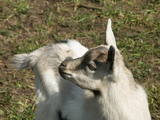 |
В хозяйстве разводят коз, из молока которых делают сыр и другие продукты. Для посетителей построен презентационный зал, где можно продегустировать мороженое из козьего молока, купить сувениры, связанные с тематикой коз, и другую продукцию. Предлагается экскурсия по хозяйству. |
|
 |
Крупнейшая в Латвии страусиная ферма находится неподалеку от Кулдиги, здесь можно купить питательные и полезные для здоровья продукты из страусиного мяса, а также отправиться на экскурсию по страусиной и козьей ферме. Предлагаются услуги питания. |
|
|
|
This is the 11th largest Estonian island, and its central section is covered by a broadleaf forest (linden, oak, elm and other trees) that is more than 100 years old. Along the shores, the Abruka Island has meadows and small areas of wetlands. Only the northern part of the island is populated. Few tourists come to call, which means that the island is relatively untouched by humankind.
|
|
|
|
До 1724 года так называемое поместье Цецинас принадлежало семье Хильзенов. Как Малнавская усадьба поместье было упомянуто в документах 1774 года, когда дочь Хильзенов Ядвига вышла замуж за Яниса Шадурского. Позже усадьба принадлежала нескольким владельцам. Главное здание усадьбы построено в стиле классицизма с элементами барокко. С одной стороны двора находится амбар, а в глубине - господский дом. Во время аграрной реформы 1920 года Малнавская усадьба была одной из крупнейших усадеб в Латвии, площадь земли которой составляла 12,4 тыс. га. Господкий дом был разрушен во время Второй мировой войны, и после реконструкции оригинальная внутренняя отделка не сохранилась. Из хозяйственных построек сохранился амбар, построенный в первой половине 19-го века в стиле классицизма, и много других хозяйственных построек. Комплекс усадьбы дополняет парк с сохранившимися до сих пор экзотическими кустарниками и деревьями, такими как Амурские пробковые деревья, а также два железобетонных бункера, в которых некоторое время провел Гитлер. На территории усадьбы также находится винокурня по производству Латгальской шмаковки, где посетителей знакомят с процессом производства водки с древних времен до наших дней. |
|
 1 день
|
Dodieties ekskursijā, lai gūtu ieskatu lauku profesijā un dzīvesveidā, kā arī iegūtu jaunus iespaidus un labu atpūtu visai klasei. Ekskursijas laikā apmeklējiet ekopoligonu, kas ir unikāls piemērs ekoloģiski saderīgu darbības virzienu ieviešanai. Pēc tam apmeklējiet saimniecību, kurā iespējams aplūkot Latvijas tumšgalves aitas, uzzināt par to audzēšanas specifiku, dzīves paradumiem un aitkopības nozari Latvijā, kā arī iespējams aplūkot dažādus putnus - tītarus, zosis, pīles, vistas un pērļu vistas. Saimniecībā atrodas arī observatorija, kur var noklausīties lekciju par zvaigznēm, planētām un citām tēmām. Ekskursijas noslēgumā dodieties uz kokapstrādes darbnīcu, lai meistaru vadībā darbotos ar tradicionālajiem kokapstrādes instrumentiem un apgūtu senās spēles. |
|
 |
Изготовленная в 1995 году (скульптор О. Скарайнис) скульптура стоит на развилке дороги (пересечение улиц Талсу и Е.Динсберга) у молочного завода Дундаги. „Крокодил” посвящен сильным людям и бывшему жителю Дундаги Арвиду Блументалю (1925 – 2006), который жил в Австралии, был большим авантюристом и охотился на крокодилов (~ 10 000). A. Блументалс был прототипом главного героя в знаменитом фильме Пола Хогана “Крокодил Данди”. |
|
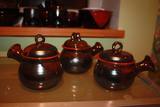 |
На практических занятиях ремесленница приглашает почувствовать связь с глиной, поработать на гончарном круге и каждого развивать его творческие способности. После обжига керамики в печи, работы можно будет взять с собой как хороший сувенир и как подтверждение своего новоприобретенного навыка. Выращиваются пряные растения и чаи. Дегустация чаев. |
|
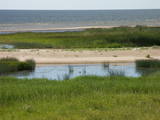 |
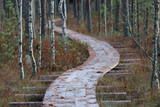
After a big storm in 2005, the nature trail of the Randu meadows was restored. It is about 4 km long, and there is a bird-watching tower which offers a fine view of unique shoreline meadows with small lagoons and areas of reeds. It is a fine place to watch migrating birds. This is part of the Northern Vidzeme Biosphere Reserve (ZBR).
|
|
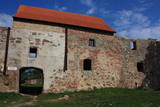 |
Находятся на обочине старинной дороги Ливония – Пруссия, сегодня – ул. Лиепаяс. Символ Айзпуте, изображенный на гербе и флаге города. Строительство замка в Айзпуте было начато в 1248 г.(существует разные версии) во времена ландмейстераДитриха фон Гренингена.Строился как каменный замок типа костела с угловой башней и деревянными постройками во дворе. В средние века в Айзпуте находился центр Курземской епископии. После Ливонской войны, во второй половине XVI века, замок не использовался, а в начале XVII века его восстановили, возводя пристройки.С промежутками в замке жили вплоть до 70 годов прошлого столетия, когда в одной его части находились квартиры. Развалины частично законсервированы, и взбираться на развалины запрещено и опасно. Айзпуте – один из старейших городов Латвии, и первые упоминания о нем относятся к 1378 году. В 100 м на востоке от развалин находится каменный мост через Тебру – один из новейших построенных в Латвии каменных мостов. Каменные перила моста – это подарок барона Карла фон Мантейфеля Айзпуте (построен в 1907 году). В перила с северной стороны вмурована гранитная пластина с гербом рода Мантейфелей, который уже слабо различим. |
|


