
| Nr | Name | Beschreibung |
|---|---|---|
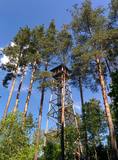 |
Uzcelts apkaimes augstākajā vietā – Ančupānu meža kalnā, kuru vietējie dēvē par „Bāku”. No 26 m augstā torņa redzama ļoti plaša panorāma ar Rēzeknes pilsētas namiem, baznīcu torņiem un apkaimes mežu masīviem, kas mijas ar lauksaimniecībā izmantojamām zemēm. Blakus tornim – atpūtas vieta. |
|
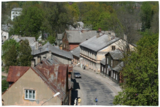 |
Valdemārpils ist ein kleines und leises Städtchen am Ufer des langen Sasmaka-Sees. Schon am Anfang des 17. Jahrhunderts entstand auf dem Boden des Landguts von Sasmaka eine Siedlung der Handwerker und Kaufleute. In der Mitte des 19. Jahrhunderts wohnten in den Städten von Kurland viele jüdische Kaufleute und Handwerker, deswegen nannte man damals Sasmaka die jüdische Hauptstadt. 1926 wurde die Stadt in Valdemārpils umbenannt. Das historische Zentrum der Stadt mit der Bebauung des 19. Jahrhunderts ist ein städtebauliches Denkmal. In Valdemārpils sind die lutherische und orthodoxe Kirchen, die ehemalige Synagoge, ein Denkmal für K. Valdemārs, sowie die großartige Elku-Linde zu besichtigen. |
|
 |
Saimniecība atrodas Kokneses novada Bilstiņos. SIA "Rīta putni" nodarbojas ar paipalu olu un gaļas delikatešu ražošanu. Reģistrēti divi zīmoli "Olalā" - paipalu olas un to produkti un "Bučers"- paipalu gaļas produkti. Saimniecībā ir veikals "BĀRS un BODE", kurā iegādāties svaigākos produktus un pavadīt mirkli ar saimniekiem un laiku ar draugiem, kā arī nogaršot paipalu olu omleti vai grilētu paipalu gaļu. Saimnieki rīko dažādas interesantas degustācijas. Ir arī dārzs ar eksotiskiem augiem un stikla siltumnīcu. Siltumnīca ir pieejama rezervācija nelielām svinībām, fotosesijai vai meistarklasēm. |
|
 |
Die Überreste der Schragen des Fischhafens sind and der Küste und im Meer
gegenüber von Mazirbe zu sehen. Es gilt als eine Erinnerung and das ehemalige Fischerei-
Kooperativ “Zivs” (Fisch), dass hier in den Dreisigern im letzten Jahrhundert betrieben
wurde.
|
|
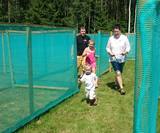 |
This labyrinth covers 3,300 m2. Visitors can make their way through the maze, trying to find the exit and handling clever tasks at some of the special twists and turns in the labyrinth. There is a playground for children, along with a workshop, a mud café and the “fir tree village.” |
|
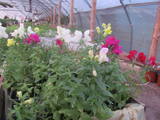 |
The farm grows and offers vegetables, annual and perennial flowers for gardens, as well as decorative bushes and trees. The owners will design gardens and other green areas, sell saplings and accept commissions for the growth of saplings. You can learn all about the secrets of growing decorative plants and receive advice from the owners. |
|
 |
The craftsman offers useful household products such as terrines, pots to make pickles, dishes of sugar and salt, bowls, etc. You can learn about pottery traditions and watch as the kiln is opened. |
|
 3 Tagen
|
The Suiti are a community with among the most colourful and unique cultural traditions in Kurzeme and Latvia. This was confirmed on October 1, 2009, when the cultural territory of the Suiti was included in the UNESCO list of global intangible cultural heritage, thus indicating that the traditions must be preserved. The Suiti territory is also on the list of folk traditions that is part of the Latvian Cultural Canon. Manifestations of this intangible cultural heritage include traditional festivals, habits, oral traditions, traditional singing and musical skills, folk costumes and culinary traditions. Since 2009, the Suiti community has been undergoing a renaissance, with people actively working to restore traditions and ensure their sustainability and promotion at the local, national and international level. The survival of the cultural territory is in the hands of the Suiti themselves, and this is closely linked to the practices and the creativity of community representatives. The Suiti believe the development of tourism in their area to be of great importance in this. This means emphasising a niche in cultural tourism that is based on the broader promotion of the unique cultural heritage of the Suiti. |
|
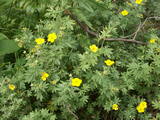 |
Der Sumpf, in den Schwefelwasser fließt, befindet sich auf der linken Seite des Abava – Flusstals. Das ist der einzige Ort in Lettland, wo das geschützte Fingerkraut in der Wildnis gefunden wird. Dieser Busch bedeckt etwa 1/5 des geschützten Territoriums. Hier sind Wälder, verschiedene Wiesenarten und Schwefelflüsse, darunter auch jener, der Teufelsauge genannt wird.
|
|


