
| Nr | Name | Beschreibung |
|---|---|---|
 |
Dieses Schloss wurde von 1878 bis 1881 (Baumeister Jānis Meņģelis; deutsch ist Sigulda Segewold) gebaut. Der Inhaber war der Fürst Kropotkin. Im Jahr 1937 wurde der Schlossturm erhöht (Architekt Alfrēds Birkhāns). Von 1923 bis 1940 befand sich in dem Gebäude das sogenannte Schloss der Schriftsteller (die Wirtschaft hat hier damals die Lettische Pressegesellschaft geführt), aber während der Sowjetzeit – ein kardiologisches Sanatorium. Im Jahr 1993 zog in das Schloss die Stadtverwaltung von Sigulda ein, seit 2003 befindet sich hier die Kreisverwaltung von Sigulda. In dem Landgutkomplex haben sich ein Wohnhaus aus Holz (Mitte des 19. Jhs.), wo die Familie von Kropotkin wohnte, eine Kornkammer (Jahrhundertwende 18.-19. Jh.), ein Gartenhaus (19. Jh.) und ein gemauerter Zaun (19. Jh.) erhalten. Das Neue Schloss von Sigulda, genauso wie die Burgruinen von Sigulda und Krimulda, das Landgut von Krimulda und die Burg von Turaida gehören zum Komplex der historischen Zentren von Sigulda, Turaida und Krimulda. |
|
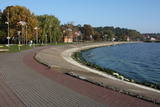 |
Ein altes Dorf, die größte Ortschaft auf der Kurischen Nehrung. Ein populärer Kurort seit dem 19 – 20 Jh. |
|
 |
On the second Saturday of each month (or at other times that are arranged in advance), the owner will allow you to test your skills at smoking fish, after which you will be able to taste what you have produced. |
|
 |
Pupuchi ražotnē top kraukšķīga un veselīga uzkoda no cūku pupām - Pupuchi. |
|
 |
In terms of territory, it is the most impressive dune range in the Baltics. This is the only place in the Baltics, where one can enjoy open dune sands that are still active and, under the influence of wind, form the so-called eolian relief forms. There are trails, wooded trails and a paved bikeway for the conveniences of visitors. In order to protect the dune, The Dunes of Curonian spit National Park has been established . |
|
 |
Glempings atrodas Amatas pagasta Dīķīšos, kur viesus sagaidīs Samojedu šķirnes suņi un inteliģenti ēzelīši, kas aizvedīs līdz glempingam dīķīša pakājē. Glempinga teltī ir lielā gulta un divguļamais dīvāns ar gultasveļu un dvieļiem, ledusskapis, svaigs ūdens, Nespresso kafijas aparāts un tējkanna, šķīvji, krūzes, glāze, ēšanas instrumenti. Ārpus telts pieejama āra duša, mazmājiņa ar ūdeni un dezinfekcijas līdzekļiem, latvju zīmēm rotāta ugunskura vieta ar iesmiem, malku un ērtiem krēsliem vakara baudīšanai, galds ar krēsliem ēšanai, bērniem smilškaste ar mantām, peldvieta. Naktsmāja ir piemērota arī cilvēkiem ratiņkrēslā, tajā skaitā ar atbilstoši izbūvētu mazmājiņu. Šis piedāvājums ir tapis sadarbībā ar sociālo uzņēmumu "Kultūras tūrisms". |
|
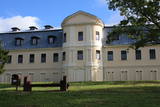 |
Bis heute sind mehrere Gebäude des Gutshofes erhalten, der zur Zeit der Grafen Plater erbaut worden war. Das alte Schloss, das sich am Rand der heutigen Grāfu Plāteru iela – am Ufer des Jāņupīte (Johannis –Flüsschens) befindet, ist 1759 im Barockstil erbaut. Der Architekt war der Venezianer Antonio Paraco. Später wurde es umgebaut, und nach dem Bau des Neuen Schlosses befand sich im untersten Stockwerk die Sommerresidenz der Familie der Plater, im zweiten und dritten Stockwerk war eine Bibliothek mit etwa 20 000 Einheiten. Diese wurde im zweiten Weltkrieg vernichtet, nachdem man einen Großteil des Bestandes in andere Residenzen der Grafen überführt hatte. Der Bau des neuen Schlosses des Gutshofes Krāslava (am oberen Uferabschnitt des Daugavatals) wurde 1765 begonnen (Architekt Domenico Paraco), anfänglich im Barock, aber um die Jahrhundertwende vom 18. zum 19. Jh. Wurde es im klassizistischen Stil umgebaut. Im Schloss entdeckte man einzigartige Rokoko-Wandgemälde mit Ansichten von Rom, die nach Vorlagen aus polnischen Schlössern in den 60er und 70er Jahren des 18. Jh. entstanden waren. Im Neuen Schloss war bis in die 70er Jahre des 20 Jh. eine Mittelschlule untergebracht. Das verlassene Schloss verwandelte sich bis vor kurzem noch allmählich in eine Ruine. Nun wurden umfangreiche Renovierungsarbeiten an der Fassade vorgenommen, und diese bietet nun einen gepflegten Anblick. Um das Schloss herum befindet sich ein im 18. Jh. geschaffener romantischer Landschaftspark – der Park der Grafen Plater (Grāfu Plāteru parks), der im Daugava Tal und diese kreuzenden Hängen angelegt worden war. Hier ist eine künstliche Grotte wieder hergestellt worden, und der Löwe – der Wächter des Schlosses, sowie eine Treppe an ihrer ursprünglichen Stelle, Parkwege und der Hof. |
|
 |
The sauna and rest place Raudini is a place where you can rest in a comfortable quiet atmosphere, between the sea and the forest. You will be able to experience relaxation offered by a wooden-heated sauna, wisping with besoms, enjoying the sauna ritual to its fullest and drinking herbal tea. After the wisping you can cool off in the pond with water lilies and, to finish off your sauna ritual we offer chocolate or honey massages. Here it is possible to rest with your family or a small circle of friends, preparing a tasty meal on the outdoor terrace on the real wooden stove or fireplace. In the evening you will be able to watch the sunset rays in the tree spires. It is possible to use tent places outside for spending the night and wait for the sunrise near the sea. Quiet, peaceful and natural coolness. |
|
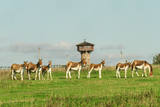 |
Te plašos aplokos mīt 38 sugu savvaļas dzīvnieki (kiangi, lāči, lūši, vilki, meža cūkas, aļņi, vāveres, plēsīgie putni) un visdažādāko šķirņu mājdzīvnieki – Latvijas zilās, Hailandes un Galovejas govis, Romanovas aitas, Vjetnamas cūkas, pīles, zosis, tītari u.c. Acīgākie dīķos pamanīs retās Eiropas kokvardes. Kalvenes pagasta „Cīruļi” – tā ir lieliska, nesteidzīga atpūta lauku vidē, iepazīstot dzīvo dabu! Darba laiks no novembra līdz martam: katru dienu no 10:00 – 16:00 |
|
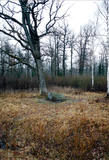 |
This territory was established to protect the lovely central section of the Neries River, local species, and Lithuania’s largest oak forest.
|
|
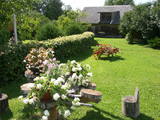 |
Herstellung von Milchverarbeitungsprodukten und Erdbeeranbau. Für die Besucher wird angeboten, die Kunst des Rogenbrotbackens und die Herstellung von Käse und Eis zu erlernen sowie Haustiere (Schaffe, Ziegen, Schweine, Kälber, Kühe, Pferde, Hühnchen, Kaninchen, Meerschweinchen u.a.) anzuschauen. Die Interessenten können selber an die landwirtschaftlichen Arbeiten teilnehmen, Produkte verkosten und kaufen. |
|
 3 Tagen
|
Here you will learn about home-based manufacturers, farms, companies and others in northern Vidzeme that produce various dairy products such as milk, yogurt, cottage cheese, cheese, ice cream, etc. You’ll start out in Cēsis with its Medieval old town, castle ruins, St John’s Lutheran Church and other destinations. Wind your way through the Gauja National Park (Ungurmuiža, Lake Ungurs, the Medieval castle and church at Straupe). You’ll hit the seashore at Saulkrasti and then drive along it to Tūja, where you will turn inland again. In Limbaži you will find Medieval castle ruins, a monument to the great folklorist Krišjānis Barons and other objects. Drive on to Valmiera (St Simon’s Church, castle ruins, a museum, Emotion Park, etc.), Rūjiena and Naukšēni (the Naukšēni Estate). Along the “Northern Pathway” you will reach Kārķi and then Smiltene and legendary Rauna (the Raunas Staburags cliff) before returning to your starting point. |
|
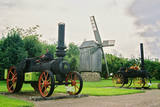 |
Das Estnische Landwirtschaftsmuseum befindet sich in der Nähe von Tartu, im Gutshof Ülenurme. |
|
 |
Dieser Komplex befindet sich am südlichen Ufer des Sees Ludza, Auf vorheriger Anmeldung können hier Gruppen von Touristen Mahlzeiten bestellen, hier werden Mahlzeiten für Hochzeiten und andere Feste organisiert. |
|
 3 Tagen
|
This programme allows participants to learn about Latvian ethnography and traditions through meeting local craftsmen and having master classes with them in knitting traditional mittens and gloves, making amber jewellery and cooking traditional foods. There is chance to have a unique experience because of the authenticity of some places and traditions, for example the ethnographic house of living history Zvanītāji still retains its original appearance - massive ceilings, large family room with bread oven and natural, unpainted wooden floor. The carew chimney is still in the kitchen. The house is filled with characteristic looms, a family table, beds, wardrobe, cradle, various items and tools used on the farm. |
|
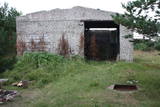 |
Am Posten der Küstengrenzwache in Labrags sind die Scheinwerfergebäude erhalten geblieben. Das Objekt ist ein Privateigentum.
|
|
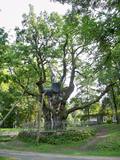 |
Der Park des Gutes Stelmužė wurde Mitte des 18. Jh. südlich vom See Stelmužė angelegt. Von allen Seiten führen gewundene Pfade zu der auf dem Hügel stehenden Jesus-Kreuz-Kirche. In der Baumschicht dominieren Linden, Ahorn, Ulmen, Birken, Fichten, Eschen, Kiefern. Am Fuß des Hügels befinden sich der Glücksbrunnen und man kann die Eichenallee entlang schlendern. Prunkstück ist aber zweifellos die Stelmužė-Eiche, die älteste und dickste in Litauen wachsende Eiche und sogar eine der ältesten Eichen in Europa. Man vermutet, dass der Baum etwa 1500-2000 Jahre alt ist, der Stammdurchmesser beträgt 3,5 m (um den Stamm zu umfassen benötigt am 8 bis 9 Leute), die Höhe 23 m. |
|
 |
Auf dem Bauernhof Epi auf der Insel Saaremaa werden Obst- und Beeren-Ketchups produziert, verschiedene Marmeladen hergestellt, Gewürzkräuter und Tees angebaut. Die Produkte werden nur aus lokalen Rohstoffen der Inseln Saaremaa und Muhu hergestellt. Die Produkte kann man direkt im Bauernhof kaufen. |
|
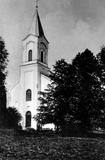 |
The first building of the church was built in 1641. The fourth building of the church was only built in 1856 – during the times of Pastor Johann Wilhelm Knierim. Its altar painting – The Crucified Christ (Golgotha) was painted in 1856 by Jozeps Millers, who was influenced by the altar piece in Munich Louis Church created by his teacher Peter Cornelius. An epitaph of Baroness Auguste Amalija von Pistohlkros, the sister of the owner of Bīriņi Manor and the patroness of the church, was immured in the memorial wall. Construction of the tower was completed on 11 June 1856, as evidenced by a memorial plaque on the wall of the church with an inscription “Erbaut von August Pistolkors 1856”. The church was consecrated in 1864. And a year later an organ by Martin Company with 8 registers, which was extended to 14 registers in 1903, was installed in the church. Unfortunately, the organ was destroyed in WW2. Saulkrasti (Pēterupe) Evangelical Lutheran Church survived both World War 2 and the Soviet period. The Soviet era was one of the most difficult times for the church, because many churches in the area were destroyed, pastors were discharged and the congregation fell apart. The Pēterupe congregation remained. As an architectural monument the church was lucky enough to undergo roof repairs of the tower even during Soviet times. Funds were granted by the Chairlady of the Executive Committee Ņina Manzūrova. |
|
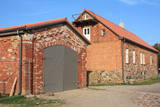 |
Found on the right bank of the Saka River at Dzintaru Street 1, the museum is in the first red brick and fieldstone building in Pāvilosta. It was built in 1879 for ship pilots. The museum focuses on the history of the local region, particularly in terms of fishing and seafaring. Among the exhibits are stone and bone axes, bronze brooches and belts, as well as a unique honey press, all of which have been found in the Saka Parish. Alongside the museum is a boathouse with larger exhibits. A mansard that was opened in 2012 is a site for exhibitions and thematic events. The museum’s phone number is +371-6349-8276. Make sure that you also visit the oldest part of Pāvilosta – Āķgals, which is a typical coastline village from the 19th and early 20th century. |
|


